
While the allure of Hawaii’s pristine beaches, lush rainforests, and vibrant culture is undeniable, the question of the “best” time to visit often hinges on a less romantic, yet equally crucial, factor: financial prudence. For the savvy traveler, understanding the economic ebb and flow of this island paradise can unlock significant savings, allowing for a more extended stay, upgraded accommodations, or simply a more comfortable budget. This exploration delves into the financial implications of visiting Hawaii throughout the year, dissecting how seasonality impacts pricing and what strategic decisions can maximize your travel investment.
The Impact of Peak and Shoulder Seasons on Travel Budgets
Hawaii’s tourism, like many popular destinations, is heavily influenced by seasonal demand. These fluctuations directly translate into the cost of flights, accommodations, and even activities. Understanding these cycles is paramount for anyone looking to optimize their spending.
Decoding the Premium of Peak Season Travel
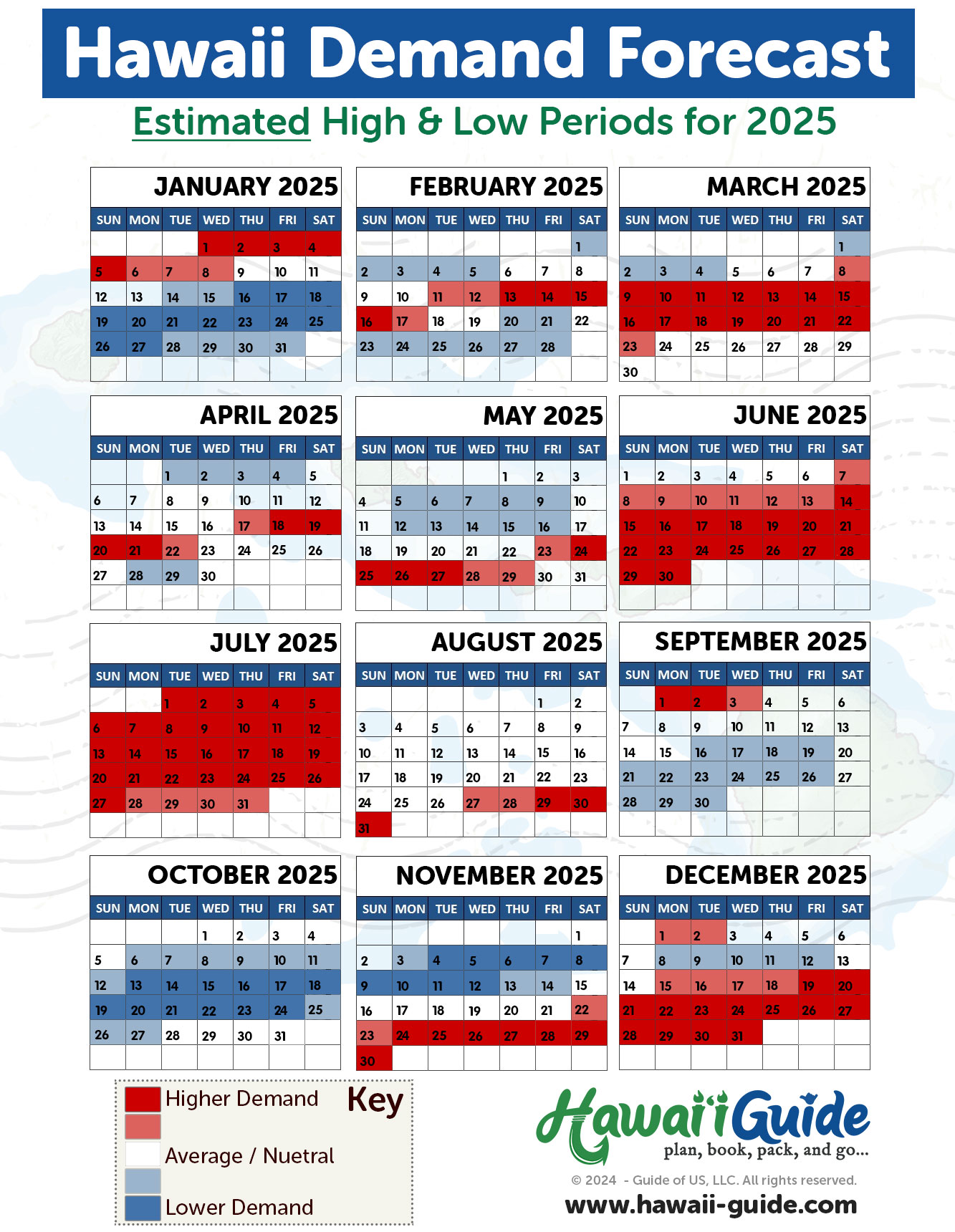
The periods of highest demand, typically coinciding with major holidays and school breaks, represent the most expensive times to visit Hawaii. This includes the winter holiday season (late December to early January), spring break (March to April), and the summer vacation months (June to August). During these times, airlines and hotels recognize the surge in demand and consequently inflate their prices.
The Financial Strain of Holiday Travel
Traveling during Christmas, New Year’s, or Thanksgiving in Hawaii comes with a significant price premium. Flights can easily double or triple in cost compared to off-peak periods. Similarly, hotel rooms, especially those with ocean views or desirable amenities, can be booked months in advance and command rates that are often 50-100% higher than usual. Rental car availability can also become scarce and more expensive. While the festive atmosphere and often pleasant weather might seem enticing, the financial burden can be substantial, impacting your overall vacation budget and potentially limiting your spending on other aspects of your trip, such as dining or excursions.
Summer’s High Demand and Elevated Expenses
The summer months, while offering consistently warm weather and long daylight hours, also fall into peak season. Families on summer break flock to the islands, driving up prices for flights and accommodations. While not as extreme as the Christmas holiday rush, you can still expect to pay a premium for a summer visit. This is particularly true for popular islands like Maui and Oahu, where demand can outstrip supply. For those seeking to experience Hawaii’s summer charm, booking well in advance is crucial to secure reasonable rates. However, even with early booking, the cost will likely be higher than during shoulder or off-peak seasons.
Leveraging Shoulder Seasons for Financial Advantage
The periods between the peak seasons, known as shoulder seasons, often present the most attractive financial opportunities for travelers. These times offer a balance of good weather, fewer crowds, and more importantly, significantly lower prices.
Spring’s Sweet Spot: The Financial Benefits of Late April to Early June
Following the spring break rush and before the full onslaught of summer vacationers, the late April to early June period offers a compelling financial advantage. Flights and hotel rates tend to drop considerably from their spring break highs. The weather remains excellent, with warm temperatures and plenty of sunshine, making it ideal for beach activities and outdoor adventures. This window allows travelers to experience the best of Hawaii without the exorbitant costs associated with peak travel times. It’s a period where your travel budget can stretch further, enabling you to consider a longer stay or indulge in more activities.
Autumn’s Allure: Unlocking Savings from September to November
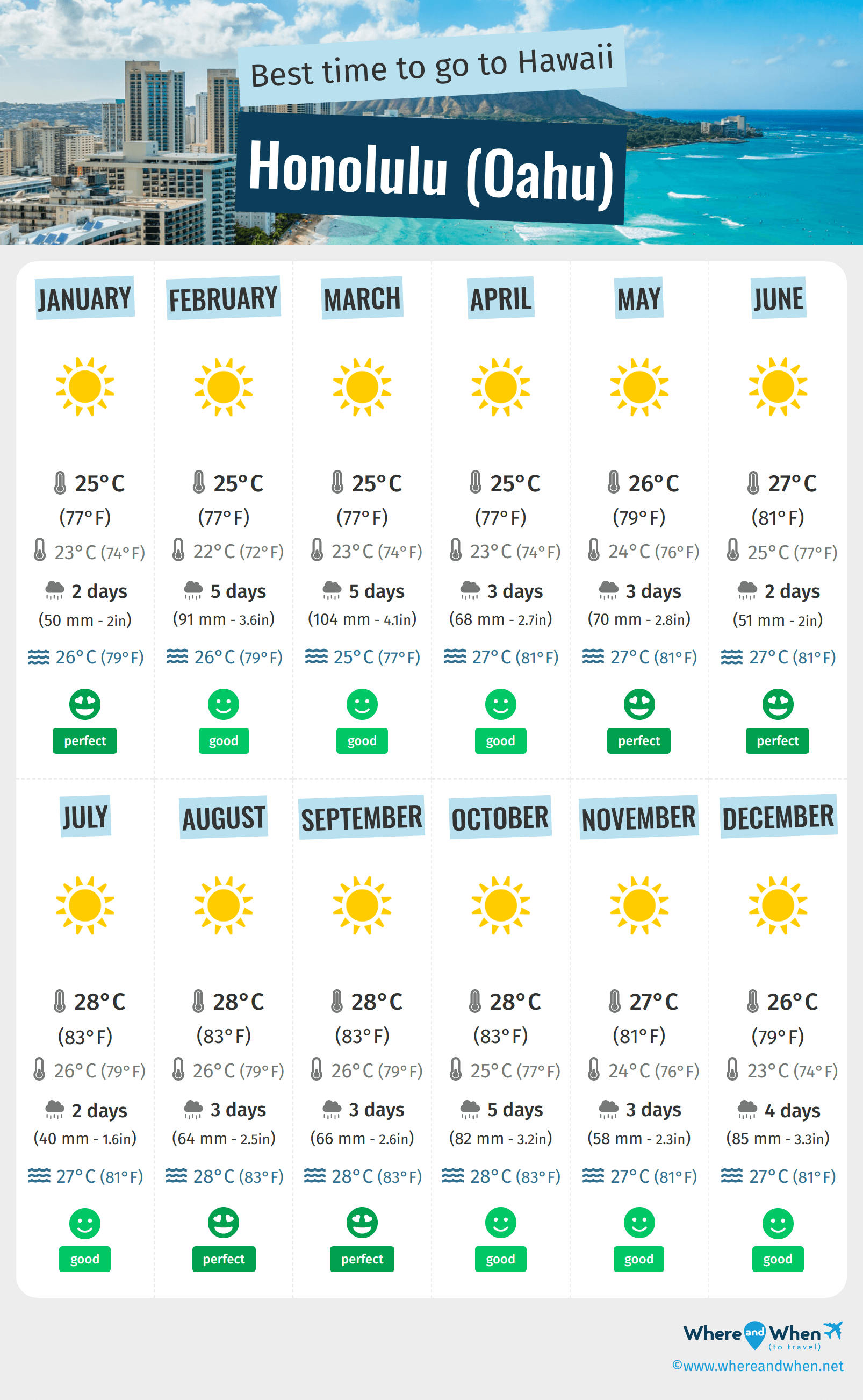
The autumn months, specifically September through November, present another prime opportunity for budget-conscious travelers. As the summer crowds dissipate and school returns to session, demand for flights and accommodations naturally decreases. This leads to a significant reduction in prices. The weather in Hawaii during this period is typically still warm and pleasant, though there’s a slightly higher chance of rain on some islands as the winter wetter season approaches. However, for many, the savings in travel expenses far outweigh the minor increase in precipitation risk. This is an excellent time to snag deals on flights and enjoy lower hotel rates, allowing your travel funds to be utilized more effectively.
Navigating the Off-Peak Season for Maximum Savings
The true champions of budget travel to Hawaii will find their greatest financial rewards during the off-peak season. This period, while potentially having a slightly higher chance of rain or cooler temperatures (though still very mild by most standards), offers the most significant price reductions.
The Winter Lull: January to March (Excluding Spring Break)
The period from mid-January, after the New Year’s holiday surge, through February and into early March (before spring break begins) is generally considered off-peak. While this might be the “winter” in Hawaii, temperatures are still very pleasant, often in the high 70s to low 80s Fahrenheit. The main draw for many during this time is whale watching, which is at its peak. While this popular activity might drive some demand, the overall tourist numbers are lower, leading to more competitive pricing for flights and accommodations. This is an opportune time to secure deals and enjoy a less crowded Hawaiian experience.
Embracing the Wet Season for Budgetary Gains
The late autumn and winter months, particularly from November through March, are Hawaii’s wet season. However, it’s crucial to understand that this doesn’t mean constant, torrential downpours. Rain often comes in short, heavy bursts, typically in the afternoons, and is frequently localized. The rest of the day can be sunny and pleasant. For the traveler prioritizing savings, embracing the wet season can lead to the most substantial financial benefits. Flights and hotels are at their lowest prices during these months, offering a chance to visit Hawaii at a fraction of the cost of peak season. Many visitors find that the occasional rain shower doesn’t detract significantly from their experience, especially when balanced against the considerable savings.
Strategic Financial Planning for Your Hawaiian Getaway
Beyond simply choosing the right season, a proactive and strategic approach to financial planning can further enhance the value of your Hawaiian vacation. This involves smart booking practices, understanding ancillary costs, and exploring cost-saving alternatives.
The Power of Early Booking and Flexible Dates
Securing flights and accommodation well in advance is a cornerstone of budget travel. Airlines and hotels often release their lowest fares early to fill capacity. For flights, aiming to book three to six months in advance can yield significant savings, especially if you are flexible with your travel dates. Mid-week flights are often cheaper than weekend departures. Similarly, booking hotels or vacation rentals several months out can lock in better rates and ensure you have access to more desirable (and often more affordable) options.
Maximizing Flight Deals Through Date Flexibility
If your schedule allows, being flexible with your travel dates can be a game-changer for your flight budget. Traveling a day or two earlier or later than a fixed date can sometimes result in substantial price differences. Utilize flight comparison websites and set up price alerts to track fare fluctuations. Consider flying on Tuesdays or Wednesdays, which are typically the cheapest days of the week for air travel. Even minor adjustments can contribute to significant overall savings.
Securing Accommodation Bargains with Advance Reservations
The same principles of early booking apply to accommodations. The earlier you reserve your hotel, resort, or vacation rental, the better your chances of securing preferential rates and better locations. This is particularly true for popular islands and during desirable times of the year. Websites that aggregate vacation rentals can offer competitive pricing, and sometimes booking directly with a hotel can unlock loyalty program benefits or exclusive discounts.
Understanding and Managing Ancillary Travel Costs
The cost of your Hawaiian vacation extends beyond flights and accommodation. Understanding and managing these ancillary costs is crucial for staying within budget.
Decoding the True Cost of Island Hopping and Inter-Island Flights
If your itinerary involves visiting multiple islands, inter-island flights will add to your overall expense. While often more affordable than flying between the mainland and Hawaii, these flights can still add up. Researching the cheapest times to book these flights, often by booking them alongside your mainland flights, can help mitigate costs. Some airlines offer package deals or discounts when booking multiple inter-island legs. Consider how much time you truly want to spend on each island to avoid unnecessary travel costs.
Dining and Activity Budgets: Smart Choices for Savvy Travelers
Food and activities can quickly deplete a travel budget. While Hawaii offers a plethora of dining options, from high-end restaurants to local food trucks, being mindful of your choices is essential. Eating at local eateries, grocery shopping and preparing some meals if your accommodation has a kitchen, and packing snacks can significantly reduce dining expenses. For activities, research free or low-cost options like hiking, visiting public beaches, and exploring local markets. Many popular attractions offer discounts for booking online in advance or as part of package deals.
Exploring Cost-Effective Accommodation Alternatives
While hotels and resorts are popular choices, other accommodation types can offer significant financial advantages.
Vacation Rentals: The Budget-Friendly Alternative to Hotels
Vacation rentals, such as those found on platforms like Airbnb or VRBO, can be an excellent choice for budget-conscious travelers, especially for families or groups. These properties often offer more space, kitchen facilities, and a more local living experience, allowing you to save money on dining by preparing your own meals. While prices can vary, booking during off-peak or shoulder seasons can unlock significant savings compared to traditional hotel stays.
Hostels and Budget Guesthouses: For the Ultra-Frugal Traveler
For the ultimate in budget travel, consider hostels or budget guesthouses. While less common on some of the more developed islands, they can provide extremely affordable lodging options. These accommodations are typically best suited for solo travelers or those who prioritize experiences over luxury amenities. They often offer a social atmosphere, which can be a bonus for meeting other travelers.

Conclusion: The Financially Savvy Hawaiian Dream
The dream of a Hawaiian vacation doesn’t have to be an economic fantasy. By understanding the financial dynamics of travel seasons, embracing strategic planning, and making informed choices about accommodation and ancillary costs, the “best time to go to Hawaii” becomes a period that aligns with your budget and travel priorities. Whether you are seeking the vibrant energy of peak season and are prepared for the associated costs, or you are a discerning traveler aiming to maximize your travel dollars during the shoulder or off-peak periods, a well-planned Hawaiian escape is within reach. The key lies in shifting the focus from simply “when” to go, to “how” to go, ensuring that your Hawaiian adventure is not only unforgettable but also financially responsible.
aViewFromTheCave is a participant in the Amazon Services LLC Associates Program, an affiliate advertising program designed to provide a means for sites to earn advertising fees by advertising and linking to Amazon.com. Amazon, the Amazon logo, AmazonSupply, and the AmazonSupply logo are trademarks of Amazon.com, Inc. or its affiliates. As an Amazon Associate we earn affiliate commissions from qualifying purchases.