
In the era of the “Quantified Self,” the pursuit of physical optimization has transitioned from the realm of gym-floor guesswork to high-precision data science. For decades, the concept of the “fat-burning zone” was a static figure printed on the consoles of treadmills—a one-size-fits-all estimate based on rudimentary arithmetic. However, as wearable technology, artificial intelligence, and biometric sensors have evolved, we have entered a new frontier. Today, identifying the best heart rate to burn fat is no longer about following a generic chart; it is about leveraging a sophisticated tech stack to decode your unique metabolic signature.
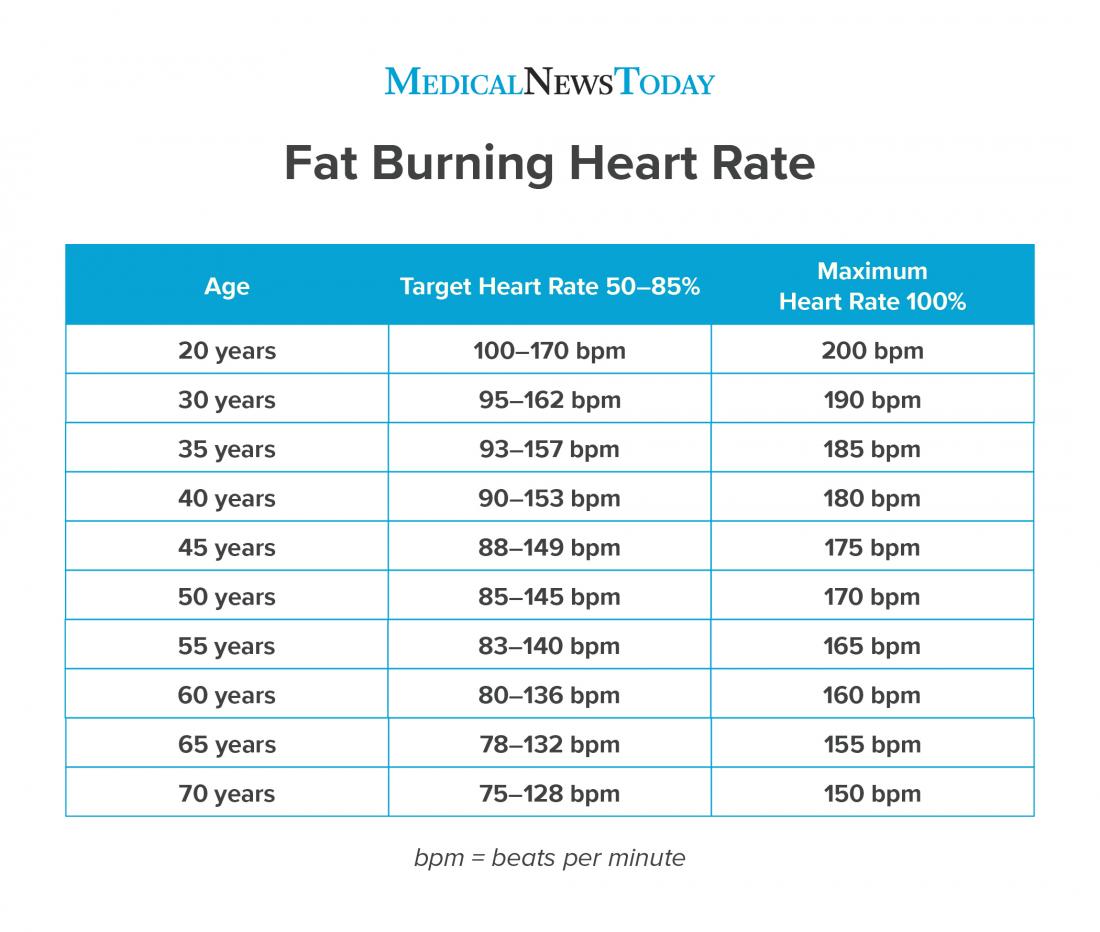
The integration of advanced sensors and machine learning algorithms allows users to pinpoint the exact physiological state where fat oxidation is maximized. This intersection of biology and technology—often referred to as biohacking—is transforming how athletes and enthusiasts approach weight management. To understand how to optimize your results, we must look beyond the pulse and into the hardware and software driving modern fitness.
The Bio-Digital Interface: How Sensors Track Metabolic Zones
At the heart of any fitness tech ecosystem is the sensor. To determine the optimal heart rate for fat burning, devices must accurately capture every beat and translate that electrical or optical signal into actionable data. The technology behind this has seen exponential growth in the last decade, moving from clinical settings to the wrists of millions.
Photoplethysmography (PPG) vs. ECG: The Accuracy Gap
Most consumer wearables, such as the Apple Watch, Garmin, or WHOOP, utilize Photoplethysmography (PPG). This technology works by shining green LED lights into the skin and measuring the light scatter caused by blood flow. While convenient, PPG technology faces challenges with “noise”—artifacts caused by movement or skin tone.
In contrast, chest-worn straps like the Polar H10 use Electrocardiogram (ECG) technology to measure the heart’s electrical activity directly. For users serious about identifying their exact fat-burning threshold (often cited as 60-70% of maximum heart rate), the choice of hardware is critical. High-fidelity ECG data provides the granularity needed to detect subtle changes in heart rate variability (HRV), which software then uses to calibrate metabolic zones with higher precision than optical sensors alone.
From Raw Pulse to Metabolic Insights
The “fat-burning zone” is scientifically defined as the intensity at which the body derives the highest percentage of energy from lipid stores rather than glycogen. In technical terms, this is the point of maximal fat oxidation (MFO). Modern fitness apps use the raw data from sensors to calculate this point by analyzing your Heart Rate Reserve (HRR) and VO2 Max estimates. By processing these variables through proprietary algorithms, tech platforms can provide real-time haptic feedback, alerting a runner when they have strayed into a carbohydrate-burning zone and suggesting a decrease in intensity to stay within the optimal fat-loss window.
AI and Machine Learning: Personalizing the “Fat-Burn” Algorithm
The greatest limitation of traditional fitness advice was the reliance on the “220 Minus Age” formula. Developed in 1970, this heuristic is notoriously inaccurate, often missing an individual’s actual maximum heart rate by up to 20 beats per minute. Modern technology has rendered this formula obsolete by replacing static math with dynamic machine learning models.
Why Static Formulas Fail in a Dynamic World
Your optimal heart rate for fat burning isn’t a fixed number; it fluctuates based on sleep quality, stress levels, caffeine intake, and recovery status. AI-driven platforms like Oura or Athlytic analyze these external variables to shift your target zones daily. If your “Readiness Score” is low due to poor sleep, the algorithm may lower your target heart rate threshold to prevent overtraining and ensure that the body remains in a state conducive to fat oxidation rather than entering a high-stress, cortisol-dominant state.
Predictive Analytics and Real-Time Feedback Loops
Advanced software now employs predictive analytics to forecast how a workout will impact your metabolism hours after it ends. This is often discussed in the context of Excess Post-exercise Oxygen Consumption (EPOC). By monitoring the intensity and duration of heart rate peaks, AI can calculate the “Afterburn Effect.” The tech doesn’t just tell you what your heart rate is now; it tells you how long your metabolic rate will remain elevated based on the data signature of your session. This allows for a much more nuanced approach to fat loss that integrates high-intensity interval training (HIIT) with steady-state cardio.
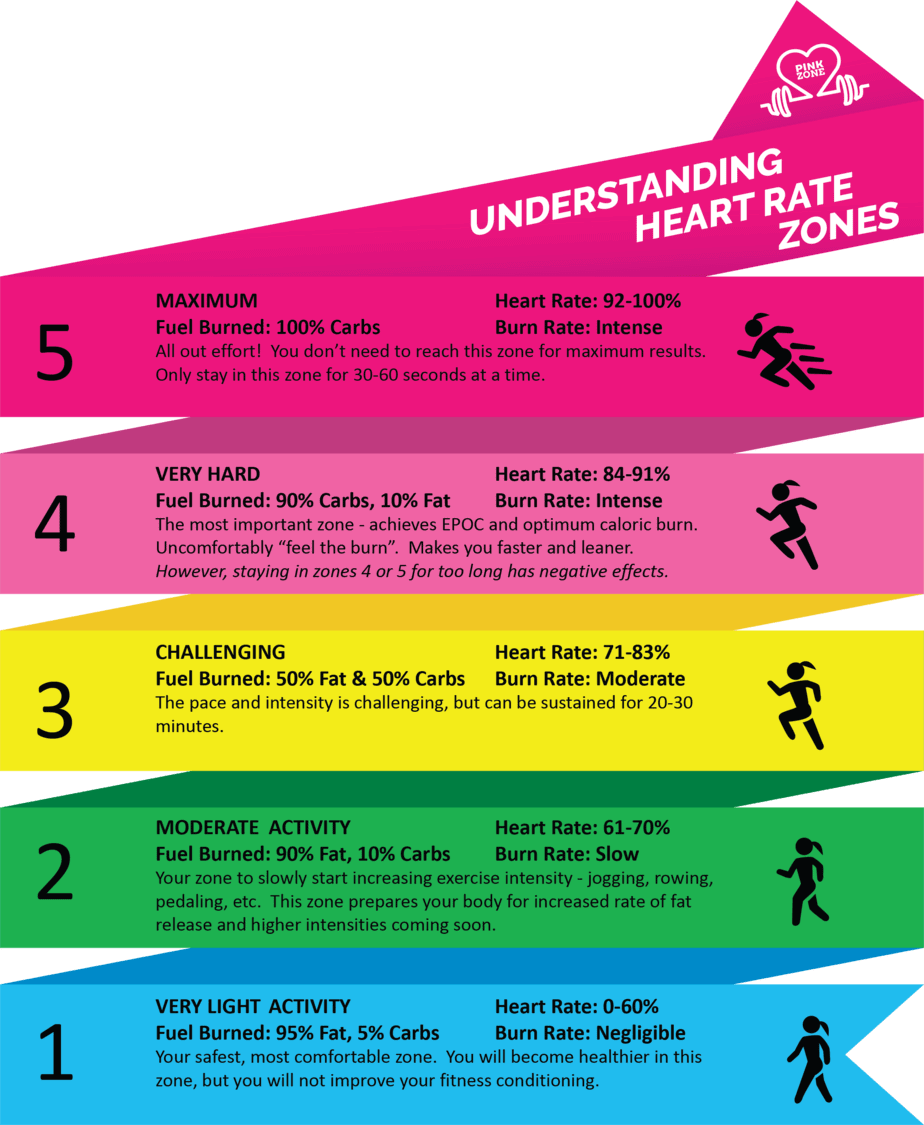
The Wearable Ecosystem: Integrating Hardware for Synergistic Data
To truly master fat burning through technology, one cannot rely on a single data point. The most advanced users are now building “tech stacks” that integrate multiple devices to create a 360-degree view of their metabolic health.
The Rise of Continuous Glucose Monitors (CGMs)
One of the most significant technological shifts in the fitness space is the migration of Continuous Glucose Monitors (CGMs) from diabetic care to general wellness. Companies like Levels and Nutrisense allow users to sync their glucose levels with their heart rate data in real-time.
This integration is a game-changer for identifying the fat-burning zone. By observing how blood sugar reacts to different heart rate intensities, users can see the exact moment their body switches from burning fat to demanding glucose. If your heart rate hits 145 BPM and your glucose levels spike as the liver releases sugar for quick energy, the tech is telling you that you have crossed the threshold out of the “fat-burn” zone. This level of bio-synchronization was previously only available in university labs.
Software Integration: Aggregating the Data
The hardware is only as good as the software that interprets it. Platforms like Apple Health, Google Fit, and specialized third-party apps act as data aggregators. They pull sleep data from a ring, heart rate data from a chest strap, and caloric intake from a nutrition log. Through this integration, the “best heart rate” becomes a personalized, moving target. The software can identify patterns—for instance, noting that your fat-burning efficiency increases when your heart rate is maintained at 138 BPM specifically after a 12-hour fast.
Data Privacy and the Future of Quantified Health
As we lean more heavily on technology to manage our biology, the conversation inevitably shifts toward the security of our biometric data. The information required to calculate your optimal heart rate—age, weight, heart rhythm, and metabolic markers—is among the most sensitive data a human can generate.
Securing Your Biometric Footprint
Tech companies are under increasing pressure to ensure that biometric data is encrypted and handled with the same rigor as medical records. When choosing a platform to track your fat-burning metrics, the technical infrastructure behind data privacy is as important as the sensors themselves. End-to-end encryption and on-device processing (where the data is analyzed on your watch rather than sent to a cloud server) are becoming standard features for privacy-conscious consumers.
The Move Toward Preventive Tech and Longevity Algorithms
Looking forward, the technology used to find the “fat-burning zone” will likely evolve into broader longevity tools. We are moving away from “weight loss tech” and toward “metabolic health tech.” Future iterations of smartwatches may include non-invasive sensors for blood lipids or lactate levels, providing a definitive answer to the fat-burning question without a single drop of blood.
The integration of Generative AI will also play a role, allowing users to have a conversational interface with their data. Instead of looking at a graph, a user might ask their AI assistant, “What heart rate should I maintain today to maximize fat loss based on my 4 hours of sleep and high stress levels?” The AI will then adjust the device’s firmware settings to provide the appropriate haptic cues during the workout.
Conclusion
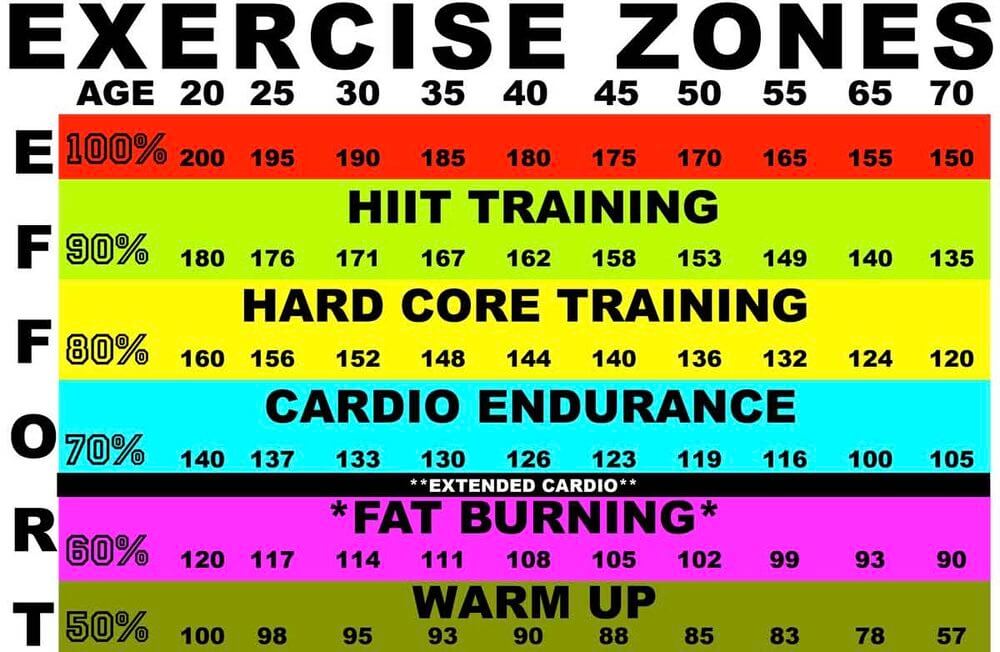
The quest to find the “best heart rate to burn fat” has been fundamentally redefined by the tech industry. It is no longer a static physiological question but a dynamic data challenge. By utilizing high-fidelity ECG sensors, AI-driven personalization, and integrated ecosystems like CGMs, we can now move past the limitations of 20th-century fitness myths.
In this digital age, your most effective tool for fat loss is not a specific exercise or a restrictive diet, but the data flowing from your body to your devices. As algorithms become more sophisticated and sensors more non-invasive, the “fat-burning zone” will become a personalized, real-time metric that empowers individuals to achieve their health goals with surgical precision. The future of fitness is quantified, and the heart rate is the most vital data point in that equation.
aViewFromTheCave is a participant in the Amazon Services LLC Associates Program, an affiliate advertising program designed to provide a means for sites to earn advertising fees by advertising and linking to Amazon.com. Amazon, the Amazon logo, AmazonSupply, and the AmazonSupply logo are trademarks of Amazon.com, Inc. or its affiliates. As an Amazon Associate we earn affiliate commissions from qualifying purchases.