
For anyone navigating the journey toward homeownership or considering a refinance, the phrase “average mortgage interest rate” is more than just a statistical data point; it is a critical determinant of long-term financial health. The interest rate on a mortgage dictates the monthly cost of housing, the total amount of interest paid over decades, and the overall purchasing power of a household. However, understanding what the “average” truly represents requires a deep dive into the macroeconomic forces, personal financial metrics, and lender-specific strategies that converge to create a final offer.
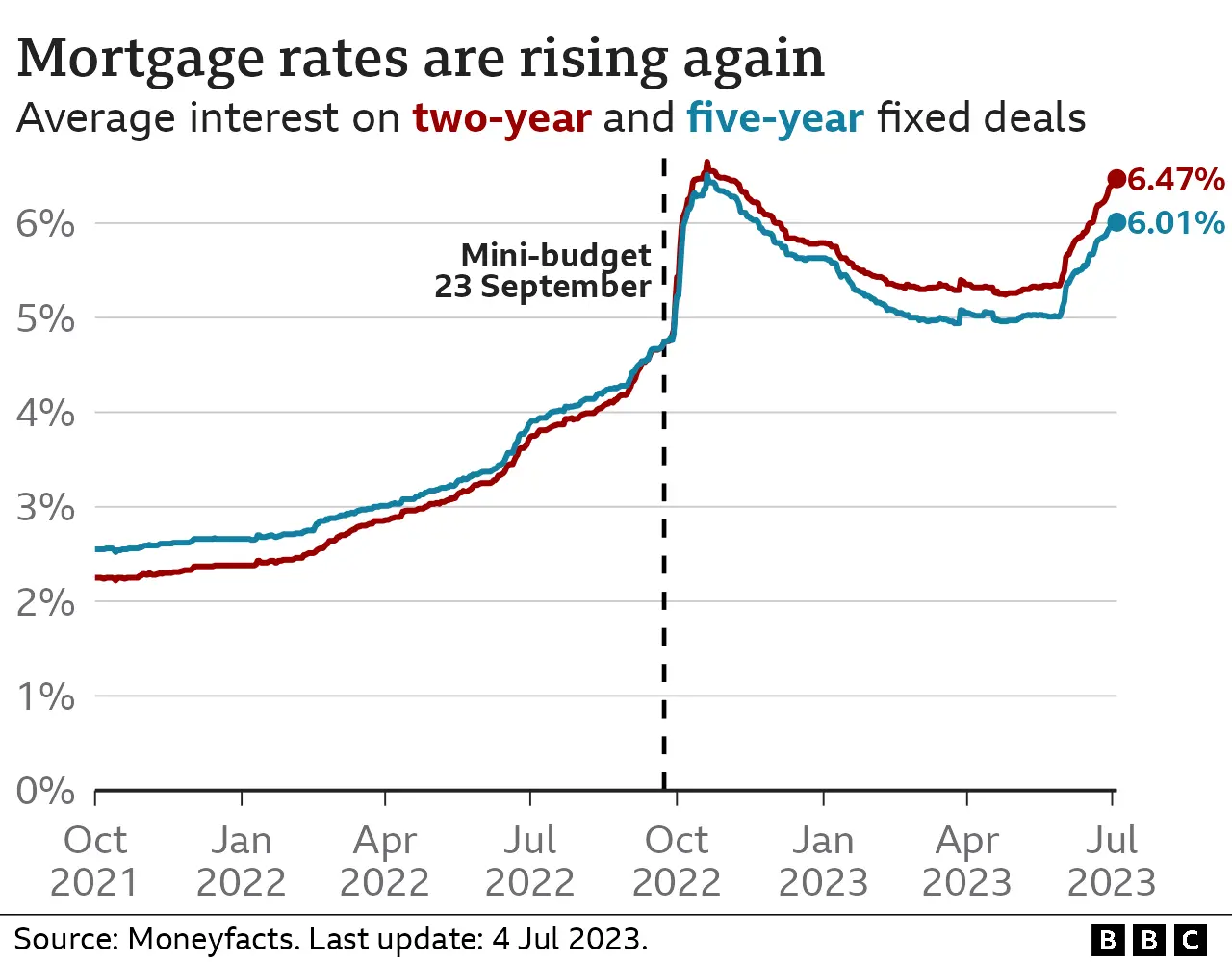
In a fluctuating economy, the average mortgage rate is a moving target. It is influenced by everything from global geopolitical stability to the local health of the housing market. By dissecting the mechanics of these rates, borrowers can move beyond simply watching the news and begin to strategically position themselves for the most favorable terms possible.
The Macroeconomic Engines Driving National Average Rates
The average mortgage interest rate does not exist in a vacuum. It is the result of a complex interplay between federal monetary policy, investor sentiment, and inflationary pressures. Understanding these “big picture” factors is the first step in predicting where rates might head and why they move.
The Influence of the Federal Reserve and the Federal Funds Rate
While the Federal Reserve does not directly set mortgage rates, its influence is profound. The Fed sets the federal funds rate—the interest rate at which commercial banks borrow and lend to each other overnight. When the Fed raises this rate to combat inflation, the cost of borrowing increases across the board. Banks, facing higher costs to acquire capital, pass those costs on to consumers in the form of higher mortgage rates. Conversely, when the Fed lowers rates to stimulate economic growth, mortgage rates typically trend downward.
The 10-Year Treasury Yield Correlation
Investors often look to the 10-year Treasury bond as a benchmark for long-term debt. There is a historic and highly consistent correlation between the yield on the 10-year Treasury and the 30-year fixed-rate mortgage. This is because mortgages are often bundled into Mortgage-Backed Securities (MBS) and sold to investors. To attract buyers, these securities must offer a yield that is competitive with government bonds but slightly higher to account for the increased risk of a mortgage (such as default or prepayment risk). When bond yields rise, mortgage rates almost inevitably follow.
Inflation and Purchasing Power
Inflation is perhaps the greatest enemy of fixed-income investors. If a lender issues a 30-year mortgage at 5% but inflation rises to 6%, the lender is effectively losing money in real terms. To hedge against this, lenders monitor the Consumer Price Index (CPI) and other inflation metrics. If inflation expectations are high, lenders will increase the “average” rate to ensure their future returns maintain their value over time.
Personal Determinants: Why Your Rate May Differ from the Average
When you see a “national average” quoted on financial news sites, it usually refers to a borrower with a “prime” profile: someone with a high credit score, a significant down payment, and a standard debt-to-income ratio. For the individual borrower, the actual rate offered is a reflection of personal financial risk.
The Power of the Credit Score
In the world of personal finance, your credit score is the primary lever used to determine your interest rate. Lenders use tiered pricing models based on FICO scores. A borrower with a score above 760 will likely secure a rate at or below the national average. However, for every 20 to 40 point drop in credit score, the interest rate may increase by 0.25% or more. Over a 30-year loan, even a 1% difference in interest rate due to a lower credit score can result in tens of thousands of dollars in additional interest payments.
Loan-to-Value (LTV) Ratios and Down Payments
The amount of equity you have in a property directly correlates to the lender’s risk. The Loan-to-Value (LTV) ratio is calculated by dividing the loan amount by the home’s value. A borrower putting 20% down (an 80% LTV) is seen as much safer than a borrower putting 3.5% down. Higher LTV ratios often come with “loan-level price adjustments” (LLPAs), which are essentially surcharges added to the interest rate to compensate for the higher risk of default.
Debt-to-Income (DTI) and Financial Stability
Lenders also analyze your Debt-to-Income ratio to ensure you have the cash flow to sustain a mortgage. While DTI doesn’t always move the interest rate directly in the same way a credit score does, a high DTI can push a borrower toward specific loan products (like FHA loans) that may carry different average interest rates or additional insurance costs, such as Mortgage Insurance Premiums (MIP).
Comparing Mortgage Products and Their Unique Rate Structures
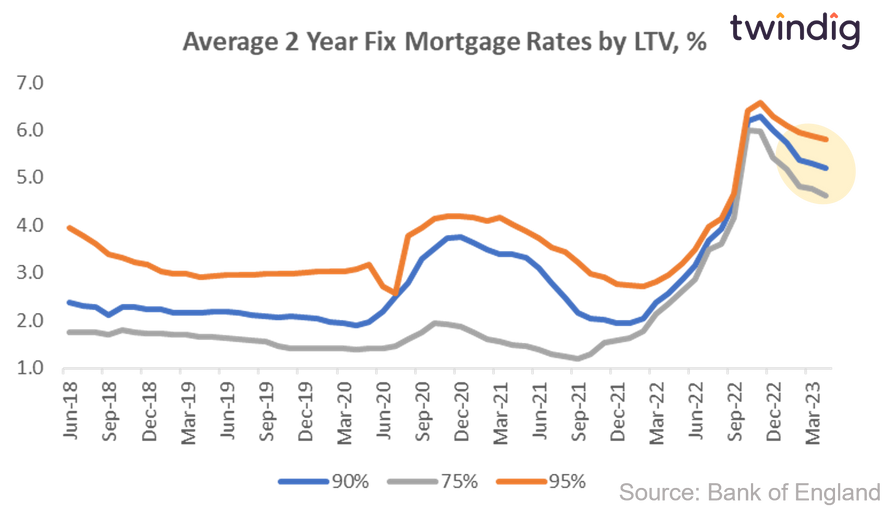
Not all mortgages are created equal, and the “average” rate varies significantly depending on the structure of the loan. Choosing the right product is a balancing act between short-term affordability and long-term stability.
30-Year vs. 15-Year Fixed-Rate Mortgages
The 30-year fixed-rate mortgage is the gold standard for American homeowners because it offers the lowest monthly payment and long-term predictability. However, it typically carries a higher interest rate than the 15-year fixed-rate mortgage. Lenders offer lower rates on 15-year terms because they are assuming the risk for a shorter period and the principal is repaid much faster. For those who can afford the higher monthly payments, the 15-year mortgage offers a path to massive interest savings.
Adjustable-Rate Mortgages (ARMs)
In high-interest-rate environments, Adjustable-Rate Mortgages often gain popularity. These loans typically offer a lower “teaser” rate for an initial period (such as 5, 7, or 10 years). After that period, the rate adjusts based on market indices. While the initial average rate for an ARM is lower than a fixed-rate mortgage, it carries the risk of significant payment shocks in the future. They are most effective for borrowers who plan to sell or refinance before the initial period expires.
Government-Backed Loans: FHA, VA, and USDA
Government-backed loans often have average interest rates that appear lower than conventional loans. This is because the government guarantees a portion of the loan, reducing the lender’s risk. VA loans (for veterans) often offer the most competitive rates on the market with no down payment. FHA loans are designed for those with lower credit scores, and while the interest rate may be low, borrowers must factor in the cost of mortgage insurance, which increases the “effective” rate of the loan.
Strategies to Secure a Rate Below the National Average
Smart financial planning involves more than just accepting the first rate quoted by a bank. Borrowers have several tools at their disposal to “beat the average” and reduce their cost of capital.
Buying Down the Rate with Discount Points
Borrowers can choose to pay “points” at closing to permanently lower their interest rate. One point typically costs 1% of the loan amount and reduces the interest rate by approximately 0.25%. This is essentially “prepaying” interest. The decision to buy points should be based on a break-even analysis: if the monthly savings from the lower rate take five years to recoup the initial cost of the points, and you plan to stay in the home for ten years, buying points is a sound financial move.
The Importance of Comparison Shopping
Research shows that borrowers who get quotes from at least three different lenders save an average of $1,500 to $3,000 over the life of the loan. Rates vary between big banks, credit unions, and online mortgage lenders. Each institution has its own “appetite” for risk and its own overhead costs, which are reflected in the rates they offer. Working with a mortgage broker can also provide access to wholesale rates that are not available to the general public.
Timing the Market and Rate Locks
Because mortgage rates change daily (and sometimes hourly), timing is essential. Once a borrower finds a favorable rate, they can utilize a “rate lock.” This agreement guarantees the interest rate for a specific period (usually 30 to 60 days) while the loan is being processed. In a rising rate environment, a rate lock is an essential tool to protect your monthly budget from market volatility.
The Long-Term Financial Impact of Interest Rate Fluctuations
The average mortgage interest rate is more than just a monthly expense; it is a primary driver of housing affordability and wealth accumulation in the broader economy.
Impact on Housing Inventory and the “Lock-in Effect”
When average mortgage rates rise significantly, it often leads to a “lock-in effect.” Homeowners who secured 3% rates in previous years are reluctant to sell their homes and move if it means taking on a new mortgage at 7%. This reduces the supply of homes on the market, which can keep home prices high even when rates rise. Understanding this dynamic helps buyers realize that the interest rate environment affects not just their loan, but the very price of the assets they are trying to buy.
The Role of Refinancing in Wealth Management
The average rate is also a signal for existing homeowners. When market rates drop 1% to 2% below a homeowner’s current rate, a “refinance window” opens. By refinancing into a lower rate, homeowners can reduce their monthly overhead, shorten their loan term, or tap into home equity for other investments. Monitoring the average rate is a lifelong task for the savvy investor, as it remains the most powerful tool for optimizing one’s largest liability.

Conclusion: Navigating the Numbers
While the average mortgage interest rate provides a helpful benchmark, it is merely the starting point for a deeper financial conversation. By understanding the interplay between the Federal Reserve, bond yields, and personal credit profiles, consumers can move from being passive observers to active participants in their financial destiny. Whether through improving a credit score, choosing the right loan product, or strategically paying points, there are numerous ways to ensure that the rate you pay works in favor of your long-term financial goals. In the world of personal finance, knowledge of the “average” is the first step toward achieving the exceptional.