
For many individuals, purchasing a home is the most significant financial commitment they will ever make. At the heart of this transaction lies the mortgage interest rate—a percentage that dictates not only the monthly cost of living but the total price of debt over decades. Understanding the average house loan interest rate is more than just a matter of checking a daily ticker; it requires a deep dive into macroeconomic policy, personal financial health, and the mechanics of the global banking system. As we navigate a landscape of shifting inflation and evolving monetary policies, staying informed on these rates is crucial for any prospective homeowner or real estate investor.

Understanding the Fundamentals of Mortgage Rates
The “average” mortgage rate is a fluctuating benchmark, typically represented by the 30-year fixed-rate mortgage. This figure represents the interest a lender charges to finance a home purchase, averaged across the nation for borrowers with good credit. However, to truly grasp where this number comes from, one must look toward the broader economic horizon.
The Role of the Federal Reserve and Economic Indicators
A common misconception is that the Federal Reserve sets mortgage rates directly. In reality, the Fed sets the “federal funds rate,” which is the interest rate at which commercial banks borrow and lend to one another overnight. While the Fed does not dictate what a consumer pays for a home loan, its policy decisions have a profound “trickle-down” effect.
When the Fed raises rates to combat inflation, the cost of borrowing increases across the economy. Mortgage lenders typically track the yield on the 10-year Treasury note. Because mortgages are often packaged into securities and sold to investors, they must offer a competitive return relative to government bonds. If the 10-year Treasury yield rises, mortgage rates almost always follow. Consequently, the average house loan interest rate is a reflection of the market’s collective outlook on inflation, economic growth, and government monetary stability.
Fixed-Rate vs. Adjustable-Rate Mortgages (ARMs)
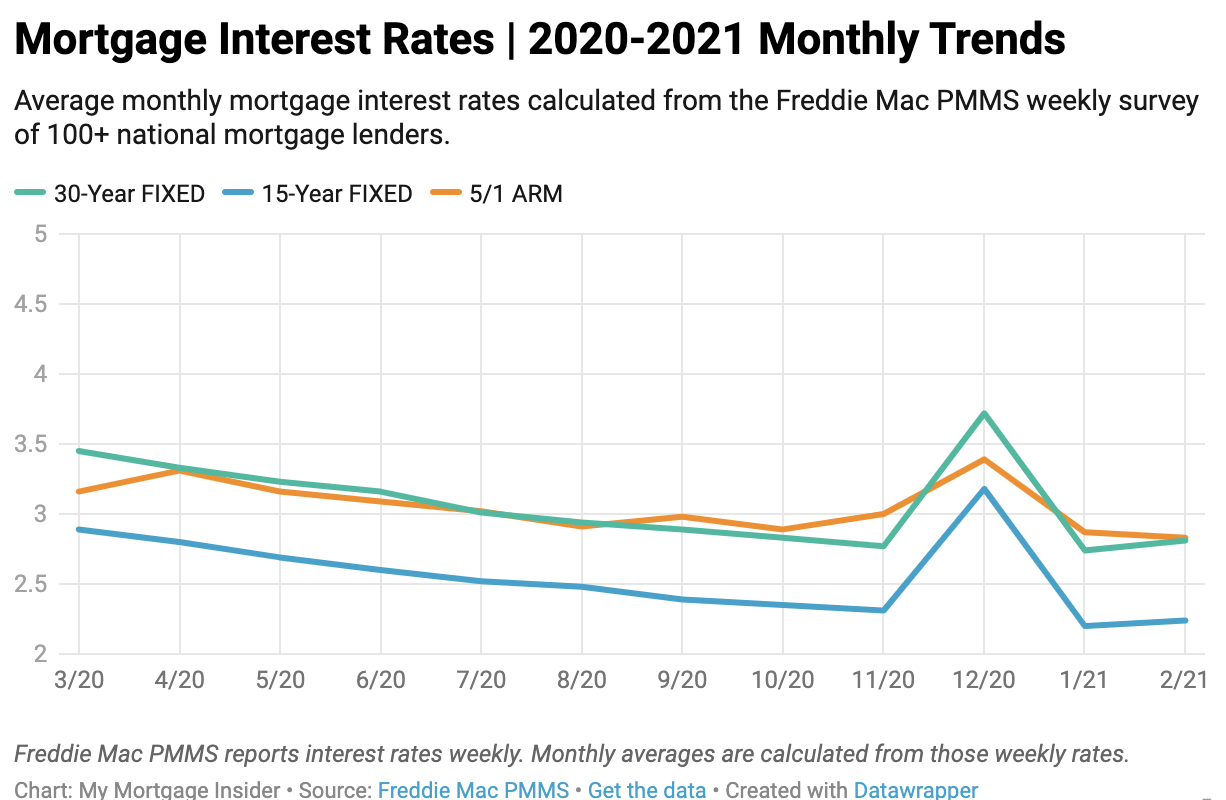
The average rate also varies significantly based on the structure of the loan. The 30-year fixed-rate mortgage remains the gold standard because it offers predictability; your interest rate stays the same for the entire life of the loan. However, there are also 15-year fixed-rate mortgages, which usually boast lower interest rates because the lender’s risk is exposed for a shorter duration, though they require higher monthly payments.
Conversely, Adjustable-Rate Mortgages (ARMs) often start with an “introductory rate” that is lower than the 30-year fixed average. This can be enticing for short-term homeowners, but the rate is subject to change after a predetermined period (e.g., five or seven years). When the market average rises, an ARM can become significantly more expensive, highlighting the importance of understanding not just today’s average, but the potential for future volatility.
Factors That Influence Your Personal Interest Rate
While national averages provide a useful benchmark, the rate you are actually offered by a lender—your “par rate”—is highly individualized. Lenders view the interest rate as a price for the risk they are taking. The lower the perceived risk, the lower the interest rate you will be granted.
Credit Scores and Debt-to-Income Ratios
Your credit score is perhaps the most influential factor in determining your personal mortgage rate. Lenders use the FICO scoring model to assess your history of managing debt. A borrower with a “Very Good” to “Exceptional” score (typically 740 and above) will often qualify for a rate close to or even below the national average. Conversely, a borrower with a score in the 600s may find themselves paying 1% to 2% more than the average, which can translate to hundreds of thousands of dollars in additional interest over thirty years.
Similarly, your Debt-to-Income (DTI) ratio tells the lender how much of your monthly income is already committed to other obligations like student loans, car payments, or credit cards. A lower DTI indicates that you have the financial “breathing room” to take on a mortgage, leading to more favorable rate offers.
Down Payments and Loan-to-Value Ratios
The amount of skin you have in the game also matters. The Loan-to-Value (LTV) ratio is the percentage of the home’s value that you are borrowing. A traditional 20% down payment results in an 80% LTV, which is generally the threshold for the best interest rates. If you put down a smaller amount—say, 3.5% or 5%—the lender views the loan as higher risk. To compensate for this risk, they may increase the interest rate or require Private Mortgage Insurance (PMI), which increases your overall monthly expenditure even if the base interest rate remains relatively stable.
Property Location and Loan Term Duration
Interest rates can also vary by geography. Due to differing state regulations, foreclosure laws, and local market competition among banks, the average rate in California might differ slightly from the average in Texas. Furthermore, the type of property—whether it is a primary residence, a vacation home, or an investment property—will change the rate. Investment properties are considered higher risk because, in a financial crisis, owners are more likely to default on an investment than on the roof over their heads; thus, rates for these loans are typically 0.50% to 1% higher than the primary residence average.
Historical Context and Current Market Dynamics
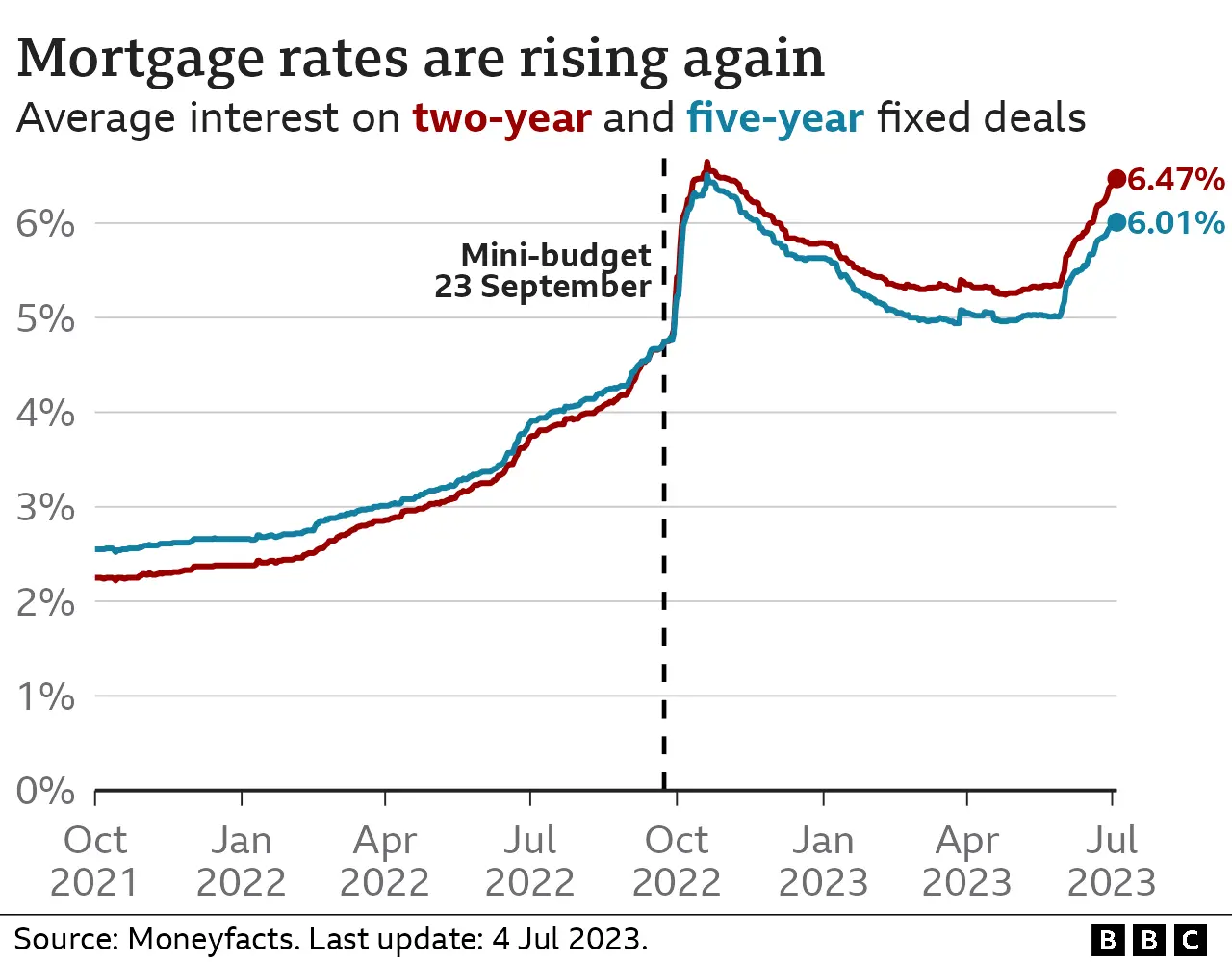
To understand if today’s average house loan interest rate is “good,” one must look at it through a historical lens. The journey of interest rates over the last few decades has been a rollercoaster of economic extremes.
From Record Lows to Inflationary Peaks
In the early 1980s, the United States saw mortgage rates peak at nearly 18% as the Federal Reserve moved aggressively to stifle rampant inflation. Compared to that era, even a 7% or 8% rate seems affordable. However, the period between 2010 and 2021 spoiled many borrowers with historically low rates, often dipping below 3% during the height of the COVID-19 pandemic.
This era of “cheap money” fueled a massive housing boom, but it also set an unrealistic expectation for future buyers. As the economy reopened and inflation surged, the Federal Reserve hiked rates at the fastest pace in decades. This led to a “lock-in effect,” where homeowners with 3% rates refused to sell their homes because they did not want to trade their low-cost debt for a new loan at 7%. This lack of inventory has kept home prices high even as interest rates rose, creating a unique challenge for the modern buyer.
How Inflation Impacts Long-Term Borrowing Costs
Inflation is the natural enemy of the fixed-income investor (the entities that buy mortgages). If inflation is 5%, a mortgage yielding 3% is effectively losing value for the lender. Therefore, as long as inflation remains a concern for the economy, mortgage rates will likely remain elevated. Investors demand a “risk premium” over the rate of inflation to ensure their long-term profit. Monitoring the Consumer Price Index (CPI) and other inflation gauges is essential for anyone trying to predict the next move in the average house loan interest rate.
Strategies to Secure a Lower Mortgage Rate
Even in a high-rate environment, savvy financial planning can help you secure a rate that is more favorable than the national average.
Shopping Around and Comparing Lenders
One of the most common mistakes homebuyers make is only talking to one lender—often their primary bank. Research from Freddie Mac suggests that borrowers can save an average of $1,500 to $3,000 over the life of a loan simply by getting one additional quote, and significantly more by getting five or more quotes. Different institutions, such as credit unions, online lenders, and traditional banks, have different “appetites” for risk at different times. A credit union, for example, might be flush with cash and willing to offer a lower rate to attract new members, while a large commercial bank might be tightening its lending standards.
The Pros and Cons of Paying Points
Borrowers can also “buy down” their interest rate by paying discount points at closing. One point typically costs 1% of the total loan amount and reduces your interest rate by about 0.25%. This is essentially a trade-off: you pay more upfront to pay less every month. This strategy is highly effective if you plan to stay in the home for a long time (usually seven to ten years), as it takes time for the monthly savings to exceed the initial cost of the points.
Timing the Market: Is Now a Good Time to Buy?
The adage “marry the house, date the rate” has become popular in recent years. This suggests that if you find the right property, you should purchase it regardless of the current average interest rate, with the intention of refinancing later when rates drop. While this is a viable strategy, it carries the risk that rates may stay high for longer than expected. A professional financial assessment should always prioritize whether the monthly payment is affordable now, rather than banking on a future refinance that may not materialize for years.
The Long-Term Financial Impact of Interest Rates
The difference between a 5% and a 7% interest rate may seem small on paper, but the cumulative effect over 30 years is staggering.
Amortization and Total Interest Paid
Consider a $400,000 loan. At a 5% interest rate, the total interest paid over 30 years is approximately $373,000. At a 7% interest rate, that total interest jumps to roughly $558,000. That 2% difference costs the borrower nearly $185,000 extra over the life of the loan. Understanding amortization—the process by which your monthly payment is split between principal and interest—shows that in the early years of a mortgage, the vast majority of your payment goes toward interest. This makes the interest rate the single most important lever in building equity.
Refinancing Opportunities in a Volatile Market
For those who have already secured a loan at a higher rate, the average interest rate remains a number to watch closely for refinancing opportunities. A general rule of thumb is that if the current average rate is at least 0.75% to 1% lower than your current rate, it may be worth investigating a refinance. However, one must account for closing costs, which can range from 2% to 5% of the loan amount. Using a “break-even analysis” helps determine how many months it will take for the lower payment to cover the costs of the new loan.
In conclusion, the average house loan interest rate is a dynamic figure influenced by global economics and personal financial behavior. While we cannot control the Federal Reserve or the 10-year Treasury yield, we can control our credit profiles, our down payments, and our diligence in shopping for the best deal. By staying informed on market trends and understanding the long-term math of debt, you can navigate the mortgage market with confidence and secure a financial future that aligns with your goals.
aViewFromTheCave is a participant in the Amazon Services LLC Associates Program, an affiliate advertising program designed to provide a means for sites to earn advertising fees by advertising and linking to Amazon.com. Amazon, the Amazon logo, AmazonSupply, and the AmazonSupply logo are trademarks of Amazon.com, Inc. or its affiliates. As an Amazon Associate we earn affiliate commissions from qualifying purchases.