
In the fast-paced world of technology, efficient collaboration and meticulous tracking of project changes are paramount. Whether you’re a solo developer building a revolutionary app, a startup scaling your innovative product, or a large corporation managing complex software releases, the ability to control versions of your work is non-negotiable. This is where SVN software, formally known as Subversion, steps onto the stage. While newer tools have emerged, understanding SVN remains valuable, particularly for those working with established systems or seeking a robust, centralized approach to version control.
This article will delve into the core of what SVN software is, its fundamental principles, and why it continues to hold relevance in various tech landscapes. We’ll explore its place within the broader ecosystem of software development, its advantages, and the scenarios where it still shines.
The Foundation of Version Control: Why Track Changes?
Before diving specifically into SVN, it’s crucial to grasp the fundamental concept of version control. Imagine a writer working on a novel. They save their document frequently, perhaps creating slightly different versions to experiment with plot points or character developments. Without a system, this could quickly become a chaotic mess of “novelfinal,” “novelfinalreally,” “novelfinalfinalthis_time.”
In software development, this chaos is amplified. Multiple developers might be working on the same codebase simultaneously. Changes need to be tracked, merged, and reverted if necessary. This is where version control systems (VCS) come in. They act as a central repository for all project files, recording every modification made. This allows teams to:
- Track the history of every file: See who made what changes, when, and why.
- Collaborate effectively: Multiple individuals can work on the same project without overwriting each other’s work.
- Revert to previous versions: If a bug is introduced or a change proves detrimental, you can easily roll back to a stable state.
- Branch and merge: Experiment with new features or bug fixes in isolation without affecting the main project, and then integrate those changes back seamlessly.
- Understand project evolution: Gain insights into the development lifecycle and identify patterns.
Introducing SVN: Subversion’s Role in the VCS Landscape
SVN (Subversion) is a free and open-source centralized version control system. Developed by CollabNet and later managed by the Apache Software Foundation, SVN emerged as a successor to the older CVS (Concurrent Versions System). Its primary goal was to address some of the limitations of CVS while providing a powerful and reliable tool for managing code and other project assets.
The “centralized” aspect of SVN is a key differentiator. In a centralized system, there is a single, master repository that stores all versions of the project files. Developers then “check out” files from this central server to their local machines to work on them. Once their changes are complete, they “commit” them back to the central repository. This contrasts with distributed version control systems (DVCS) like Git, where each developer has a full copy of the repository, including its entire history, locally.
How SVN Works: The Core Mechanics
At its heart, SVN operates on a repository-server model.
- The Repository: This is the central hub, typically hosted on a dedicated server. It stores the complete history of all files and directories within the project.
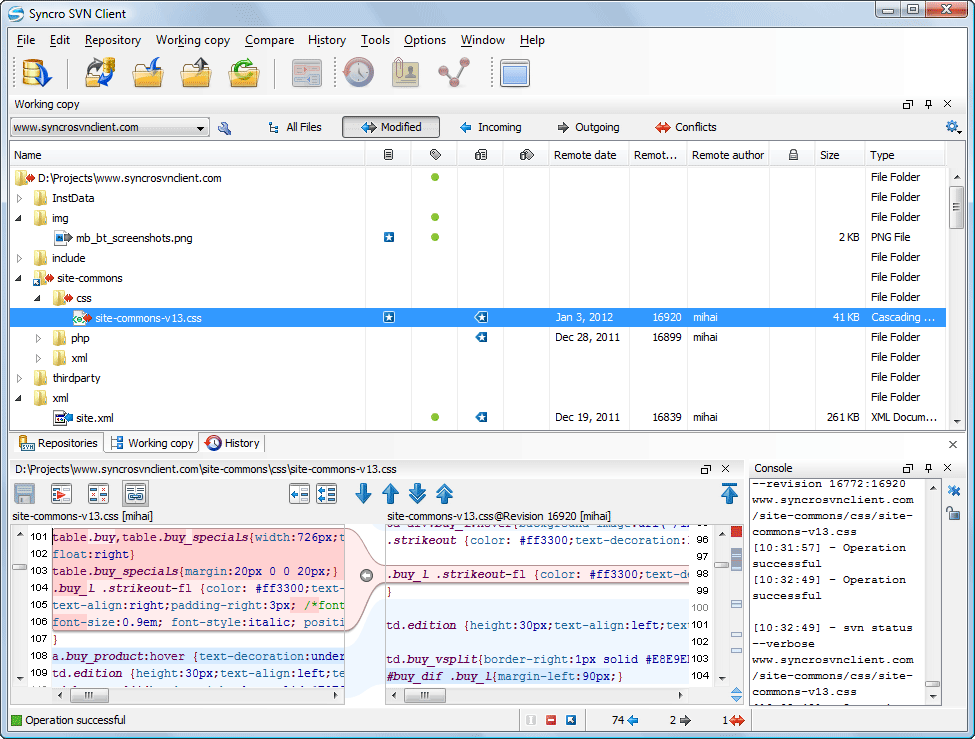
- The Working Copy: When a developer wants to work on a project, they “check out” a local copy of the files from the repository. This is their working copy.
- Committing Changes: After making modifications in their working copy, the developer “commits” these changes back to the central repository. Each commit creates a new revision number, incrementally updating the project’s history.
- Updating the Working Copy: To incorporate changes made by other team members, developers “update” their working copies. This fetches the latest revisions from the central repository and merges them into their local files.
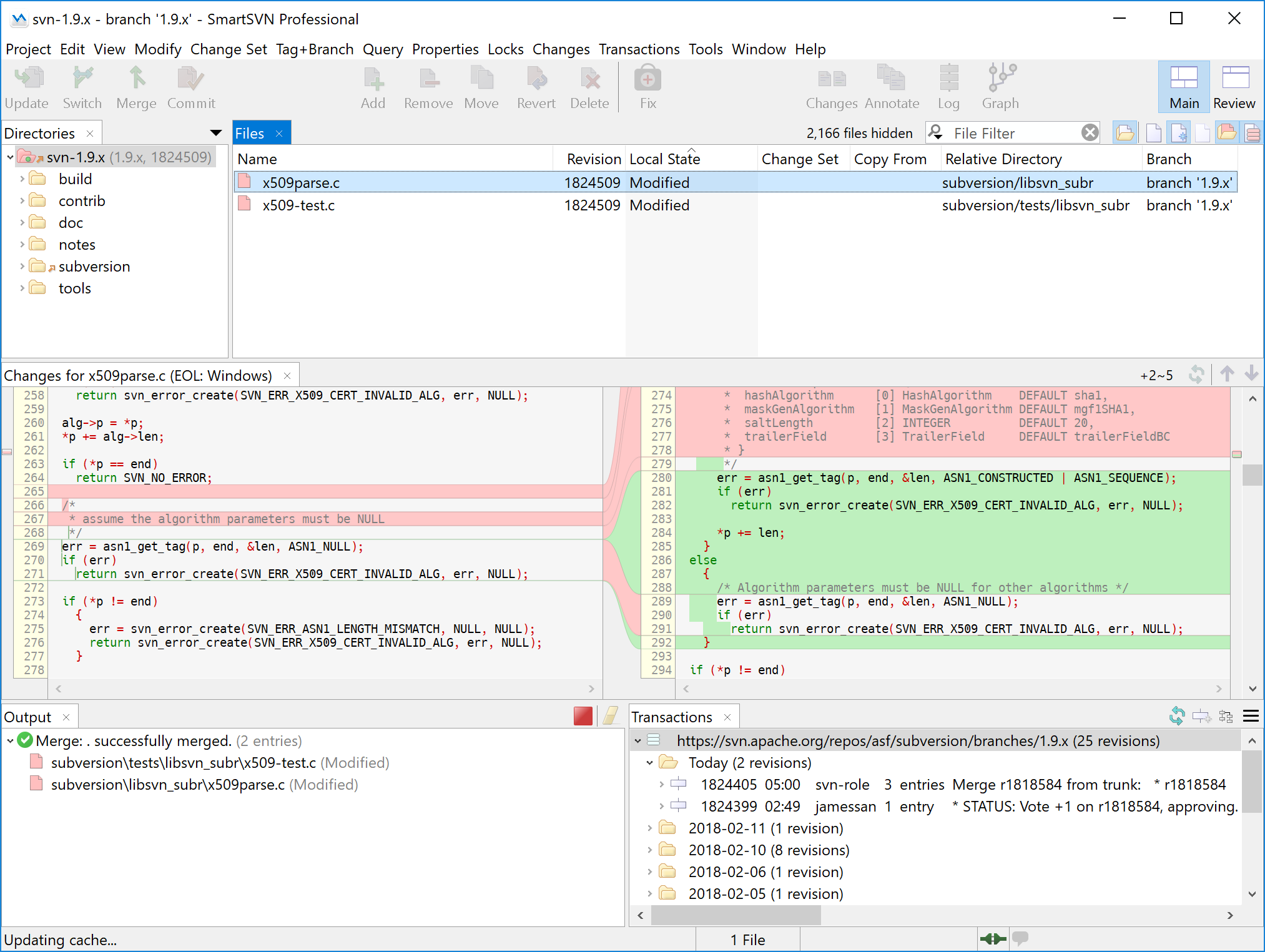
- Branching and Merging: SVN supports the creation of “branches,” which are essentially parallel lines of development. This allows developers to work on new features or bug fixes in isolation without disrupting the main development line (often called the “trunk”). Once a branch is complete and tested, its changes can be “merged” back into the trunk.
This centralized approach offers several benefits, including a straightforward model to understand and manage, and a single point of truth for the project’s state.
Key Features and Advantages of SVN Software
SVN, despite the rise of Git, possesses a set of features and advantages that keep it relevant for specific use cases:
1. Atomic Commits
One of SVN’s standout features is its support for atomic commits. This means that a commit operation is treated as a single, indivisible unit. Either all changes within that commit are successfully applied to the repository, or none of them are. This prevents situations where only part of a commit is recorded, leading to corrupted or inconsistent project states. This reliability is crucial for maintaining data integrity, especially in large or critical projects.
2. True Directories and File Tracking
Unlike some older VCS that primarily tracked individual files, SVN treats directories as first-class citizens. This means that SVN can track the history of directory renames, moves, and copies. This granular control over file and directory management is invaluable for complex project structures and for understanding the evolution of the entire project layout, not just individual files.
3. Efficient Handling of Large Binary Files
While Git can struggle with very large binary files (like design assets, videos, or large datasets) due to its object-based nature, SVN generally handles them more efficiently. Its linear history and difference-based storage mechanisms can be more performant when dealing with a significant number of large, non-textual files. This makes it a viable option for teams working on projects that include substantial binary assets.
4. Simplicity and Ease of Use (for some)
For individuals and teams accustomed to centralized workflows, SVN can be perceived as simpler to set up and manage than distributed systems. The concept of a single central repository often resonates well with those who prefer a clear hierarchy and a single point of administration. Commands are generally straightforward and intuitive once the basic concepts are understood.
5. Robust Access Control
SVN offers robust mechanisms for managing access control. Administrators can define granular permissions for users and groups, dictating who can read, write, or commit to specific parts of the repository. This is particularly important for organizations with strict security requirements or complex team structures where different individuals or teams need varying levels of access to different project components.
6. Mature and Stable Ecosystem
SVN has been around for a long time, meaning it has a mature and stable ecosystem. There are numerous client tools, integrations with IDEs (Integrated Development Environments), and server solutions available. This stability and widespread adoption mean that support is readily available, and the system is well-tested.
Where Does SVN Fit in Today’s Tech Landscape?
While Git has become the de facto standard for most new open-source projects and many commercial endeavors, SVN still holds its ground in several important areas:
For Existing Legacy Systems and Corporate Environments
Many established companies and projects have been using SVN for years. Migrating large, complex codebases from SVN to Git can be a significant undertaking, requiring careful planning and execution. For these organizations, continuing to leverage their existing SVN infrastructure makes economic and practical sense. They might also have teams with deep expertise in SVN that they don’t want to retrain unnecessarily.
For Projects with a Strong Centralized Workflow Preference
Some teams simply prefer the centralized model. It can offer a clear “source of truth” and a more straightforward administrative overhead for certain types of projects or organizations. When the complexity of a distributed workflow isn’t necessary or desired, SVN provides a reliable alternative.
For Management of Non-Code Assets
As mentioned earlier, SVN’s handling of large binary files makes it a strong contender for managing assets that aren’t typical code. Think of design files, multimedia content, documentation, or large configuration files. If a project’s primary focus involves managing a large volume of these types of assets alongside code, SVN can be a practical choice.
For Educational Purposes and Understanding VCS Fundamentals
For those learning about version control concepts, SVN can be an excellent starting point. Its centralized nature simplifies the initial learning curve, allowing learners to grasp the core ideas of commits, updates, and branching before diving into the complexities of distributed systems.
Transitioning from SVN to Other Systems (and Why You Might Consider It)
While SVN remains a capable tool, it’s worth noting the trends and advantages that have led to the widespread adoption of Git. Understanding these can help organizations make informed decisions about their version control strategy.
The Rise of Distributed Version Control (DVCS)
The popularity of Git stems from its distributed nature. In a DVCS, every developer has a complete copy of the repository, including its entire history. This offers several key benefits:
- Offline Work: Developers can commit, branch, and merge locally without needing a constant connection to a central server.
- Speed: Local operations are generally much faster than network-dependent operations.
- Resilience: If the central server goes down, developers can still work, and the repository is effectively backed up on every developer’s machine.
- More Flexible Workflows: DVCS often supports more intricate branching and merging strategies, fostering more complex development pipelines.
Challenges and Considerations with SVN
- Server Dependency: Without access to the central server, developers cannot commit or update, limiting their ability to collaborate.
- Performance with Large Histories: For extremely large projects with vast commit histories, SVN can sometimes exhibit performance degradation.
- Branching and Merging Complexity: While SVN supports branching and merging, it can sometimes be more cumbersome and error-prone compared to Git’s more sophisticated algorithms.
Conclusion: SVN’s Enduring Place in the Tech Toolkit
In conclusion, SVN software, or Subversion, is a powerful and reliable centralized version control system that has played a significant role in the evolution of software development and project management. While newer systems like Git have gained immense popularity, SVN continues to be a valuable tool for many organizations, especially those with existing legacy systems, a preference for centralized workflows, or projects involving extensive management of binary assets.
Understanding SVN is not just about learning an older technology; it’s about appreciating the fundamental principles of version control. Its core strengths in atomic commits, true directory tracking, and robust access control make it a solid choice for specific use cases. As the tech world continues to innovate, knowing what SVN software is and where it fits within the broader landscape of development tools provides a more complete picture of the options available for managing and collaborating on projects of all sizes. Whether you’re working with an established enterprise solution or exploring different version control strategies, SVN remains a relevant and important part of the tech toolkit.
aViewFromTheCave is a participant in the Amazon Services LLC Associates Program, an affiliate advertising program designed to provide a means for sites to earn advertising fees by advertising and linking to Amazon.com. Amazon, the Amazon logo, AmazonSupply, and the AmazonSupply logo are trademarks of Amazon.com, Inc. or its affiliates. As an Amazon Associate we earn affiliate commissions from qualifying purchases.