
In the modern landscape of personal finance, few concepts are as foundational—and yet as frequently misunderstood—as the stock market. For many, the word “stocks” conjures images of chaotic trading floors, flickering green and red numbers on a screen, or complex algorithms managed by Wall Street elites. However, at its core, a stock is a remarkably simple vehicle for wealth creation and business participation. It represents a bridge between the capital needs of a corporation and the financial aspirations of an individual investor.
This guide explores the mechanics of stocks, how they function within the broader financial ecosystem, and how individuals can use them as a tool to secure their financial future.
Understanding the Fundamentals of Stock Ownership
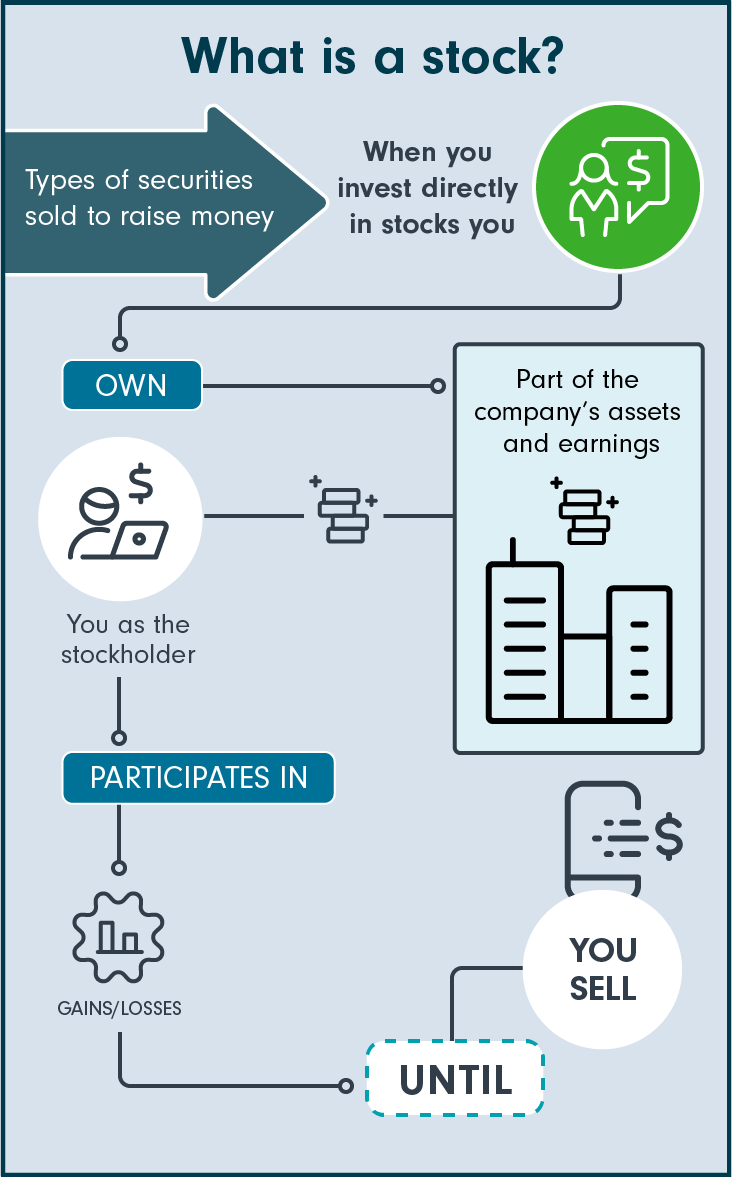
To understand what a stock is, one must first understand the concept of equity. When a business is born, it requires capital to grow—to build factories, hire talent, or develop new products. While a company can borrow money from a bank (debt), it can also choose to sell “pieces” of itself to the public. These pieces are known as stocks, or shares.
Defining Equity and Shares
A stock is a security that represents the ownership of a fraction of a corporation. When you purchase a share of a company, you are literally becoming a “shareholder.” This entitles you to a portion of the corporation’s assets and earnings. If a company has 1,000 shares outstanding and you own 10 of them, you own 1% of the business. While owning 10 shares of a massive multinational corporation won’t give you an office in their headquarters, it does give you a legal claim to the company’s success.
How Public Companies Differ from Private Ones
Most businesses start as private entities. In a private company, ownership is typically held by the founders, early employees, or venture capitalists. The general public cannot easily buy shares. However, when a company reaches a certain size and maturity, it may undergo an Initial Public Offering (IPO). This process transitions the company from private to public, allowing its shares to be traded on a stock exchange. Public companies are subject to rigorous regulatory oversight, requiring them to publish audited financial statements quarterly, providing transparency for investors.
The Purpose of Issuing Stock
From the perspective of a corporation, issuing stock is a strategic move to raise “permanent” capital. Unlike a loan, the money raised through a stock offering does not have to be paid back. Instead, the company “pays” the investors by giving them a stake in the future. If the company thrives, the value of those shares increases; if the company fails, the shareholders may lose their entire investment. This shared risk and reward is the heartbeat of the capitalist economy.
How the Stock Market Functions
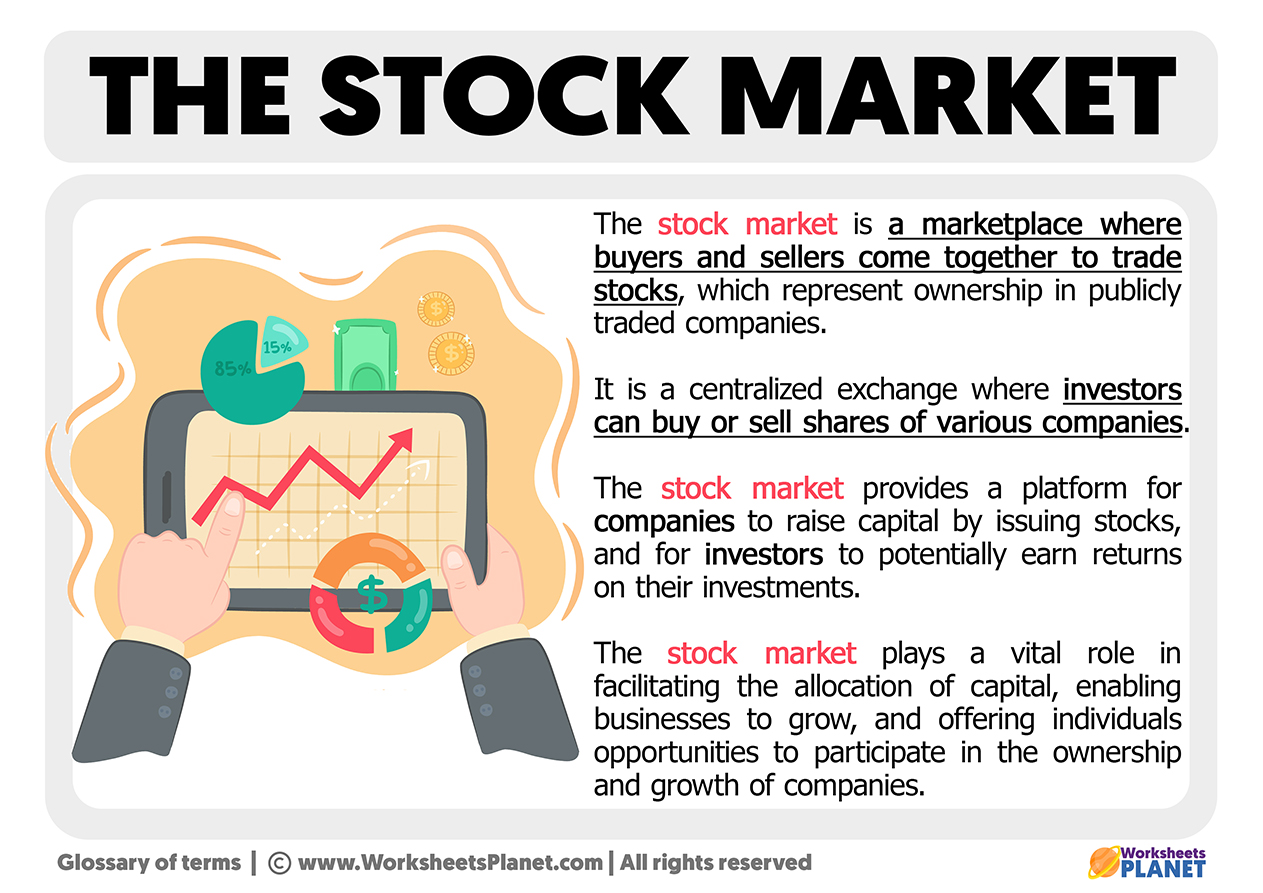
The stock market is not a single location but a vast network of exchanges where buyers and sellers meet to trade shares. Understanding the mechanics of these transactions is essential for any investor looking to navigate the world of finance.
Primary vs. Secondary Markets
The stock market operates in two distinct stages. The Primary Market is where securities are created. This is where the IPO happens; the company sells shares directly to institutional investors to raise capital. Once those shares are “out in the wild,” they move to the Secondary Market. This is what most people refer to when they talk about “the stock market.” In the secondary market, investors trade shares among themselves. When you buy a share of Apple on your phone today, you aren’t buying it from Apple; you are buying it from another investor who wants to sell.
The Role of Stock Exchanges (NYSE, NASDAQ)
Exchanges act as the regulated marketplaces where trades occur. The New York Stock Exchange (NYSE) is the world’s largest, known for its historic floor and prestigious listings. The NASDAQ, on the other hand, is a global electronic marketplace that became the home for many of the world’s largest technology giants. These exchanges ensure that there is “liquidity”—meaning there are enough buyers and sellers that you can enter or exit a position quickly and at a fair price.
Indices: Tracking Market Performance
To gauge how the market is doing, we use “indices.” You have likely heard of the S&P 500 or the Dow Jones Industrial Average. An index is essentially a basket of stocks that represents a specific sector or the market as a whole. The S&P 500 tracks 500 of the largest companies in the United States. If the S&P 500 is “up,” it generally means the largest American businesses are performing well, which serves as a barometer for the overall health of the economy.
Types of Stocks and Investment Vehicles
Not all stocks are created equal. Depending on a company’s maturity, industry, and financial structure, different stocks offer different benefits and risks to the investor.
Common Stock vs. Preferred Stock
Most individual investors buy Common Stock. This type of ownership typically grants the right to vote on corporate policies and elect the board of directors. More importantly, common stock offers the highest potential for long-term capital appreciation. Preferred Stock, meanwhile, functions more like a hybrid between a stock and a bond. Preferred shareholders usually don’t have voting rights, but they have a higher claim on assets and earnings. For example, if a company pays dividends, preferred shareholders must be paid before common shareholders.
Growth Stocks vs. Value Stocks
In the world of investing, stocks are often categorized by their “personality.” Growth Stocks belong to companies that are expected to grow at a rate significantly above the average for the market. These companies often reinvest all their profits into research and development rather than paying dividends. Think of young tech companies or biotech firms. Value Stocks, conversely, are companies that appear to be trading for less than they are worth. These are often established, “boring” companies—like utilities or traditional banks—that have steady earnings but may be overlooked by the market.
Dividend-Paying Stocks and Passive Income
Some companies choose to share their profits directly with shareholders in the form of dividends. For many investors, dividend stocks are the ultimate tool for “passive income.” By holding shares in profitable, cash-flow-positive companies, investors receive a check (usually quarterly) just for being an owner. Reinvesting these dividends can lead to a powerful compounding effect over several decades, significantly boosting the total return on investment.
Risks and Rewards: Building a Sustainable Portfolio
Investing in stocks is one of the most effective ways to build wealth, but it is not without peril. Successful investing requires a balance of optimism and pragmatism.
Capital Appreciation and Volatility
The primary reward of stock investing is capital appreciation—the increase in the share price over time. If you buy a stock at $50 and it rises to $100, you have doubled your money. However, the path from $50 to $100 is rarely a straight line. Market volatility—the frequent and sometimes violent fluctuation of prices—is the price of admission for long-term gains. Investors must have the emotional fortitude to see their portfolio value drop during a market correction without panicking.
The Power of Diversification
One of the greatest risks in the money niche is “concentration risk”—putting all your eggs in one basket. If you invest your entire life savings into a single company and that company goes bankrupt, your wealth evaporates. To mitigate this, investors use diversification. By owning a variety of stocks across different industries and geographies, you ensure that the failure of one company does not ruin your financial standing. This is why Exchange-Traded Funds (ETFs) and Mutual Funds are so popular; they allow you to own hundreds of stocks through a single purchase.
Long-term Perspective vs. Day Trading
The “Money” niche often distinguishes between “investing” and “trading.” Investing is a marathon; it involves buying high-quality assets and holding them for years or decades, allowing the underlying businesses to grow. Day trading, by contrast, is a high-risk activity involving the rapid buying and selling of stocks to profit from short-term price movements. For the vast majority of people looking to build sustainable wealth, a long-term, disciplined approach is statistically more likely to succeed than speculative trading.
Getting Started in the Modern Era
Technology has democratized access to the stock market. What was once reserved for the wealthy and well-connected is now available to anyone with a smartphone and a few dollars.
Choosing a Brokerage Platform
To buy stocks, you need a brokerage account. In the past, this meant calling a human broker and paying a hefty commission. Today, platforms like Vanguard, Fidelity, Schwab, and newer app-based brokers offer commission-free trading. When choosing a platform, consider factors like the ease of use, the availability of educational resources, and the types of accounts offered (such as IRAs for retirement or standard brokerage accounts).
Fundamental vs. Technical Analysis
How do you know which stock to buy? Investors generally use two schools of thought. Fundamental Analysis involves looking at the “vitals” of a company: its earnings, its debt, its management team, and its competitive advantage. The goal is to find the company’s “intrinsic value.” Technical Analysis, however, ignores the business itself and focuses on price charts and market patterns. While both have their proponents, fundamental analysis is generally favored by those seeking long-term wealth creation.

The Importance of Financial Literacy
Ultimately, stocks are a tool, and like any tool, they require skill to use effectively. Understanding financial metrics—such as the Price-to-Earnings (P/E) ratio, Dividend Yield, and Return on Equity—empowers you to make informed decisions. In the journey of personal finance, the best investment you can make is in your own education. By understanding what stocks are and how they behave, you transform the market from a source of anxiety into a powerful engine for your financial independence.
aViewFromTheCave is a participant in the Amazon Services LLC Associates Program, an affiliate advertising program designed to provide a means for sites to earn advertising fees by advertising and linking to Amazon.com. Amazon, the Amazon logo, AmazonSupply, and the AmazonSupply logo are trademarks of Amazon.com, Inc. or its affiliates. As an Amazon Associate we earn affiliate commissions from qualifying purchases.