
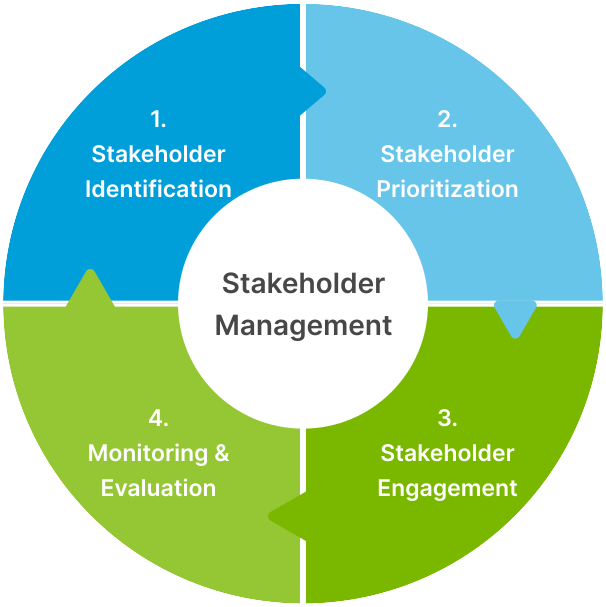
In the rapidly evolving landscape of software development, digital transformation, and artificial intelligence, the technical complexity of a project is rarely the sole determinant of its success. Instead, the ability to align various human interests—ranging from high-level investors to the end-users of an application—often dictates whether a product thrives or fails. This process is known as stakeholder management. Within the tech sector, stakeholder management is the systematic identification, analysis, planning, and implementation of actions designed to influence and engage with individuals or groups who have a “stake” in the outcome of a technological project or product lifecycle.
Effective stakeholder management in tech is not merely a “soft skill”; it is a strategic necessity. As organizations move toward Agile methodologies and decentralized decision-making, understanding how to navigate the intricate web of technical and non-technical expectations is what separates a visionary CTO from a struggling project manager.
Navigating the Hierarchy of Technical Stakeholders
To manage stakeholders effectively, one must first identify who they are and the specific value they bring (or expect) from a tech project. In the technology sector, stakeholders are generally categorized into internal and external groups, each with diverging priorities that must be harmonized.
Internal Stakeholders: The Engine Room
Internal stakeholders are those directly involved in the creation and maintenance of the technology. This includes developers, QA engineers, product managers, and data scientists. For these individuals, stakeholder management focuses on resource allocation, technical feasibility, and the management of “technical debt.” A developer’s priority might be clean, scalable code, whereas a product manager focuses on shipping features to meet a deadline. Managing these internal dynamics requires a deep understanding of the development lifecycle and the ability to mediate between speed and quality.
Executive Stakeholders: The Visionaries and Funders
At the C-suite level—CTOs, CIOs, and CEOs—the focus shifts from the “how” to the “why.” These stakeholders are interested in ROI, market positioning, and digital security. For them, stakeholder management involves translating complex technical milestones into business outcomes. If an AI tool is being integrated into a legacy system, executive stakeholders need to know how this impacts the bottom line and the company’s competitive advantage, rather than the specifics of the neural network architecture.
External Stakeholders: Users and Partners
External stakeholders include the end-users, third-party vendors, and regulatory bodies. In the age of GDPR and stringent data privacy laws, regulatory compliance officers have become critical stakeholders in any software project. Furthermore, the “user as a stakeholder” model has gained prominence through User Experience (UX) research, where the feedback of the person actually using the app or gadget is prioritized to ensure product-market fit.
The Power-Interest Matrix in a Software Development Context
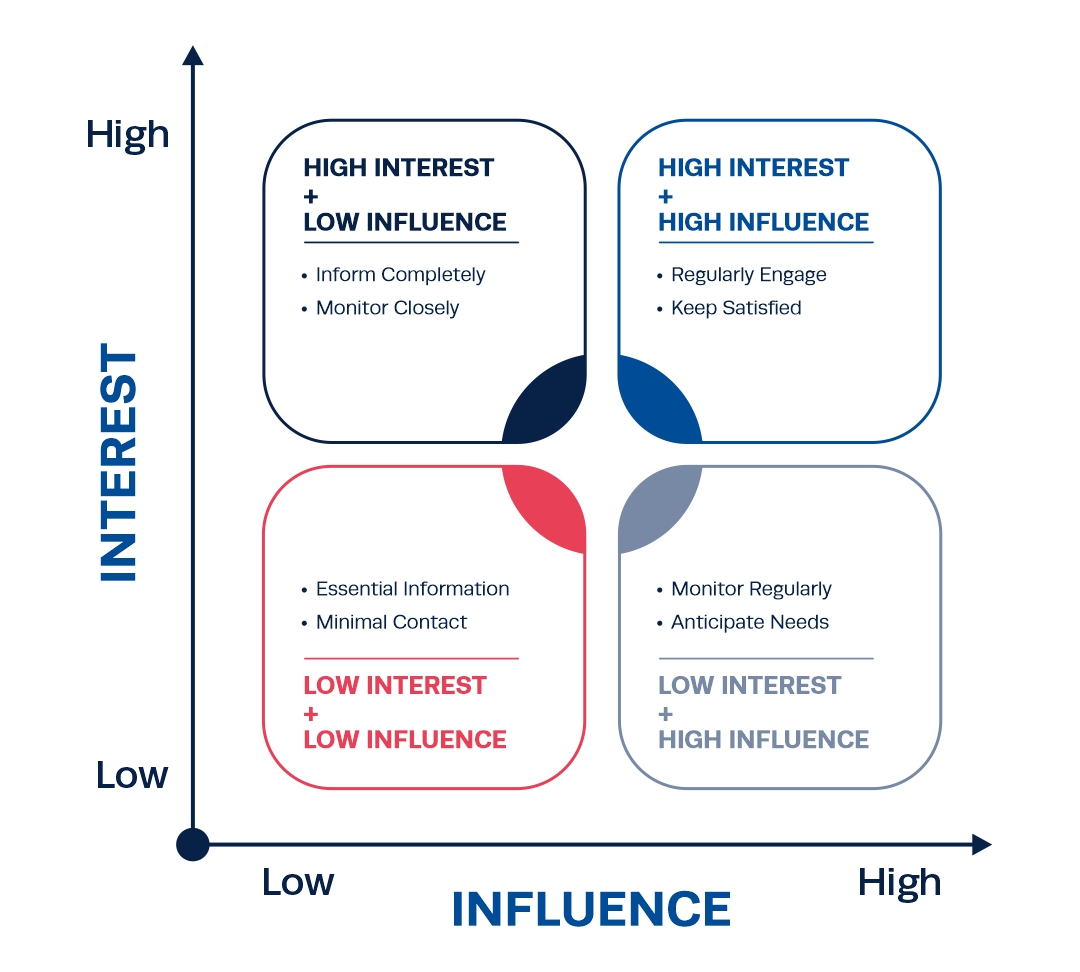
Not all stakeholders are created equal. A crucial step in stakeholder management is the prioritization of effort. In tech management, this is often achieved through the Power-Interest Matrix, a tool that categorizes stakeholders based on their influence over the project and their level of concern regarding its results.
High Power, High Interest: The “Key Players”
These are the individuals who can greenlight or kill a project. In a tech startup, this might be a lead venture capitalist or the lead architect. They require “manage closely” status. This involves frequent updates, transparent communication regarding technical roadblocks, and involving them in major pivoting decisions. Failure to engage these players usually leads to a withdrawal of funding or a fundamental misalignment in the product’s direction.
High Power, Low Interest: The “Keep Satisfied” Group
This group often includes legal departments or security auditors. They may not care about the daily stand-ups or the specific sprint velocity, but they have the power to halt deployment if security protocols are not met. Stakeholder management here involves proactive compliance and ensuring that their specific “veto” criteria are met early in the development cycle to avoid last-minute bottlenecks.
Low Power, High Interest: The “Keep Informed” Group
This typically consists of the broader community of users or junior staff members. While they may not have the power to change the roadmap, their collective sentiment can determine the long-term adoption of a tool. In tech, this is often managed through public roadmaps, community forums, and beta testing programs. Keeping them informed builds brand loyalty and provides a rich source of qualitative data for future iterations.
Integrating Stakeholder Management into Agile and DevOps
The rise of Agile and DevOps has fundamentally changed how stakeholder management is executed. Traditional “Waterfall” methods often saw stakeholders only at the beginning and the end of a project, leading to “expectation gaps” where the delivered software didn’t match the current market needs.
The Role of the Product Owner as a Liaison
In Scrum frameworks, the Product Owner (PO) acts as the primary conduit for stakeholder management. The PO’s job is to take the diverse, often conflicting requirements from stakeholders and distill them into a prioritized Product Backlog. This requires a unique blend of technical literacy and diplomatic skill. They must be able to explain to a business stakeholder why a requested feature is technically impossible in the current sprint while simultaneously motivating the development team to understand the business urgency behind a request.
Continuous Feedback Loops and Iterative Engagement
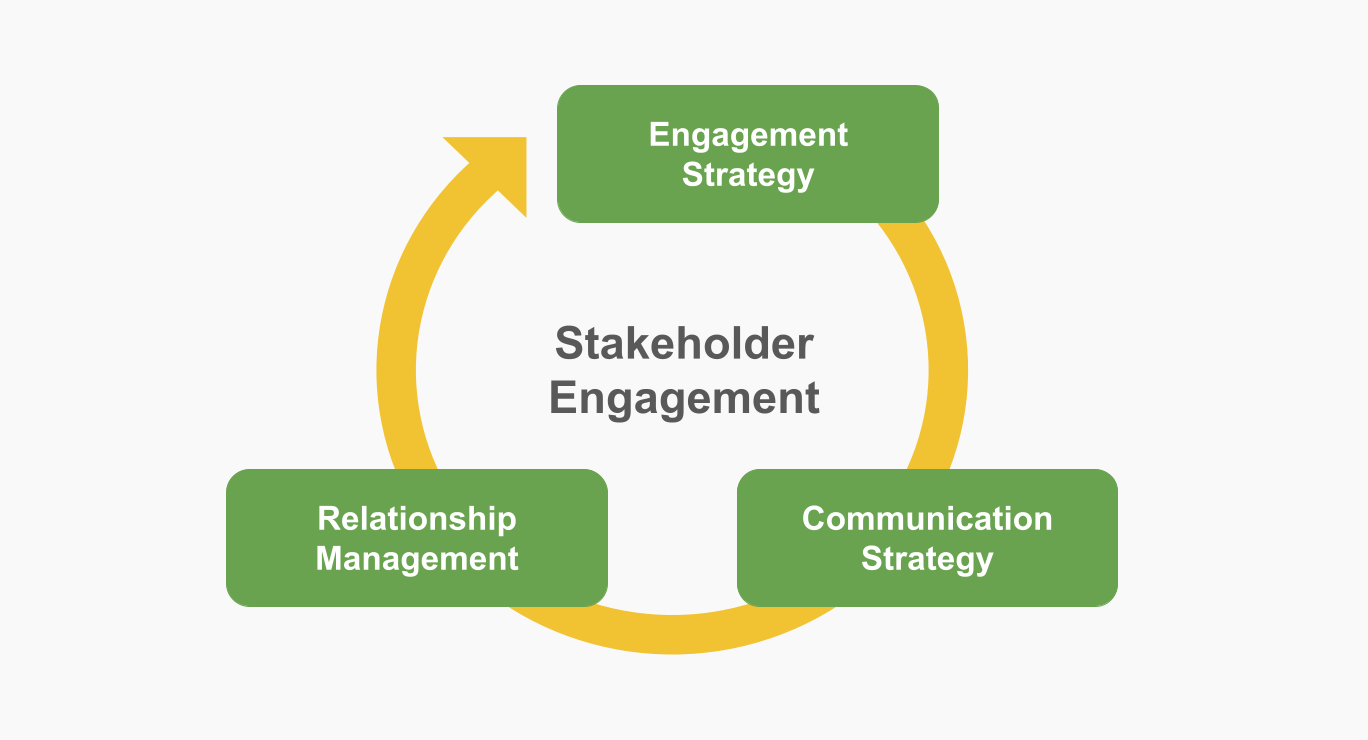
One of the greatest advantages of modern tech workflows is the ability to provide stakeholders with tangible progress through demos and “sprint reviews.” Instead of waiting six months for a finished product, stakeholders can see a “Minimum Viable Product” (MVP) within weeks. This iterative engagement allows for “failing fast” and course correction. It turns stakeholder management from a defensive posture into a collaborative partnership, as stakeholders see their feedback being integrated into the software in real-time.
Managing Technical Debt and Stakeholder Expectations
One of the most difficult conversations in tech stakeholder management involves “technical debt”—the cost of choosing an easy solution now instead of a better approach that would take longer. Business-focused stakeholders often push for rapid feature releases, while engineers warn of systemic instability. Effective management involves educating non-technical stakeholders on the long-term risks of ignoring technical debt, using analogies related to financial interest to make the concept relatable and urgent.
Leveraging Technology Tools for Effective Management
Ironically, the best way to manage stakeholders in the tech world is often by using the very tools the industry creates. In a distributed, remote-first tech environment, manual tracking of stakeholder sentiment is impossible.
Collaborative Platforms and Real-Time Transparency
Tools like Jira, Confluence, and Trello have moved from being simple task trackers to stakeholder transparency portals. By allowing stakeholders (where appropriate) view-only access to progress boards, tech leads can reduce the need for constant status meetings. This “asynchronous transparency” ensures that everyone is looking at the same “single source of truth,” reducing the risk of misinformation.
AI and Data-Driven Sentiment Analysis
Advanced stakeholder management now incorporates AI tools to monitor user sentiment across social media, GitHub, and support tickets. For large-scale software products, AI can aggregate thousands of user comments to identify trending issues or desired features. This data-driven approach allows product teams to present stakeholders with hard evidence for why certain roadmap changes are necessary, moving the conversation from subjective opinions to objective data.
Communication Stacks: Slack, Loom, and Beyond
In high-velocity tech environments, the traditional email is often too slow. Stakeholder management has migrated to real-time communication stacks. Using Loom for quick video walkthroughs of new features or Slack channels for dedicated project updates ensures that stakeholders feel connected to the pulse of the project without the friction of scheduled meetings. However, the challenge here is “information overload,” necessitating a clear communication plan that dictates what information goes where and how often.
Risk Mitigation and Conflict Resolution in Tech Projects
Stakeholder management is, at its core, a form of risk management. In tech, the risks are often high-stakes: data breaches, system outages, or platform obsolescence.
Identifying Potential “Blockers” Early
A proactive stakeholder management strategy involves “pre-mortems”—meetings held before a project begins to identify who might oppose the project and why. In digital transformation projects, for example, long-tenured employees might see new AI tools as a threat to their job security. By identifying these stakeholders early, management can develop training programs and “change management” strategies to turn potential detractors into advocates.
Balancing Conflicting Requirements
Conflict is inevitable when you have multiple stakeholders. The Marketing team might want more data tracking for analytics, while the Legal and Security teams want to minimize data collection to reduce liability. The stakeholder manager’s role is to facilitate a “trade-off” discussion. This is where technical expertise becomes a bargaining chip; by explaining the technical implications of each path, the manager helps the group reach a consensus based on the project’s primary objectives.
Ethical Stakeholder Management and AI Governance
As we move further into the era of Artificial Intelligence, a new category of stakeholder management has emerged: ethical oversight. Modern tech projects must consider the “societal stakeholder.” This involves managing the expectations of ethics boards and the public regarding algorithmic bias and data usage. Tech leaders who ignore these broader stakeholders risk not only legal repercussions but also permanent damage to their technical reputation and brand trust.
Conclusion: The Future of Tech-Centric Stakeholder Engagement
What is stakeholder management in the context of 21st-century technology? It is the bridge between human intent and machine execution. As software becomes more integral to every facet of life, the number of people impacted by technical decisions grows exponentially.
To succeed, tech professionals must evolve beyond their silos. A developer who understands the financial pressures of a VC, or a Project Manager who can empathize with the frustrations of a non-technical end-user, is infinitely more valuable than one who only understands code. By utilizing the Power-Interest Matrix, embracing Agile feedback loops, and leveraging modern communication tools, tech organizations can ensure that their innovations are not just technically sound, but socially and economically integrated.
Ultimately, stakeholder management is about building trust. In an industry defined by rapid change and “disruption,” trust is the only stable currency. Whether you are launching a simple mobile app or a complex enterprise AI solution, your ability to manage the people behind the technology will always be the ultimate predictor of your success.
aViewFromTheCave is a participant in the Amazon Services LLC Associates Program, an affiliate advertising program designed to provide a means for sites to earn advertising fees by advertising and linking to Amazon.com. Amazon, the Amazon logo, AmazonSupply, and the AmazonSupply logo are trademarks of Amazon.com, Inc. or its affiliates. As an Amazon Associate we earn affiliate commissions from qualifying purchases.