
In the complex ecosystem of modern business finance, success is rarely the result of a singular effort. Whether a company is launching a new product line, undergoing a merger, or restructuring its debt, the outcome is dictated by a web of individuals and groups who have a “stake” in the venture. Stakeholder analysis is the systematic process of identifying these parties, understanding their influence, and managing their expectations to ensure a project’s financial and strategic viability.
For business owners, financial analysts, and project managers, stakeholder analysis is not just a “soft skill”—it is a critical component of risk management and capital allocation. Without a clear understanding of who holds the power to accelerate or stall a business initiative, organizations risk unforeseen costs, legal challenges, and brand devaluations that can devastate the bottom line.
Understanding the Financial Hierarchy: Identifying Your Stakeholders
Before a company can optimize its financial performance, it must identify who is standing on the playing field. Stakeholder analysis begins by categorizing everyone affected by or capable of affecting a business decision. In the niche of business finance, we generally divide these into two primary categories.
Internal Stakeholders and Resource Allocation
Internal stakeholders are those directly within the organization. This group includes employees, managers, and, most importantly from a financial perspective, the board of directors and shareholders. In a business finance context, these individuals are concerned with operational efficiency, ROI (Return on Investment), and dividend payouts.
For example, when a company decides to reinvest profits into a new manufacturing plant rather than issuing a dividend, the shareholders become the primary stakeholders whose interests must be managed. A failure to communicate the long-term financial benefits of this reinvestment can lead to a drop in stock price or a lack of confidence from the board.
External Stakeholders and Market Dynamics
External stakeholders exist outside the company’s immediate payroll but exert significant influence over its financial health. This group includes customers, suppliers, creditors, government regulators, and the local community.
Creditors (such as banks or bondholders) are particularly vital in the “Money” niche. They require regular financial reporting and assurance that the company maintains a healthy debt-to-equity ratio. Meanwhile, government regulators can impose fines or change tax laws that directly impact net profit. Understanding these external forces is essential for maintaining liquidity and ensuring long-term fiscal solvency.
The Power-Interest Matrix: Prioritizing Strategic Influence
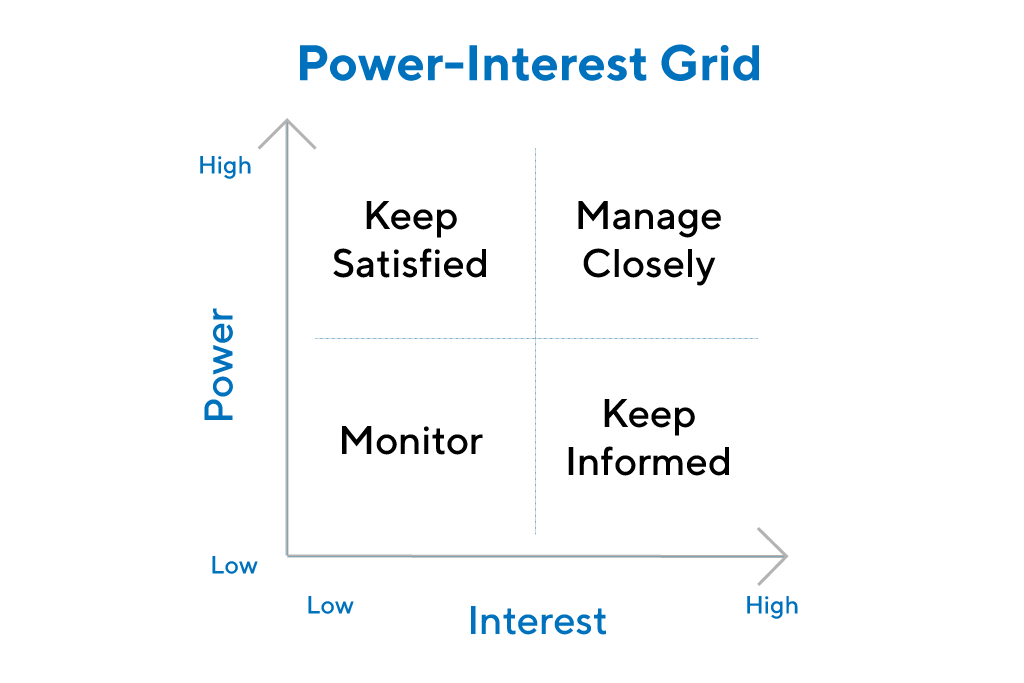
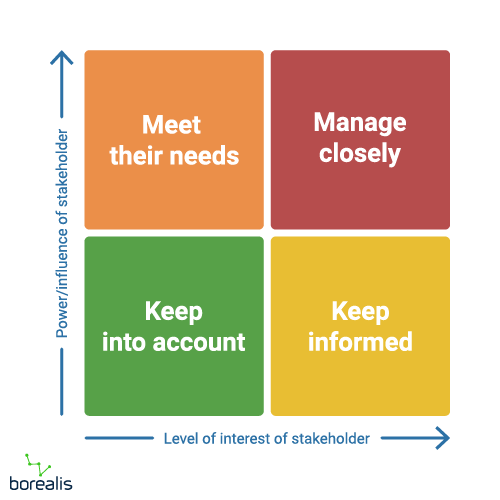
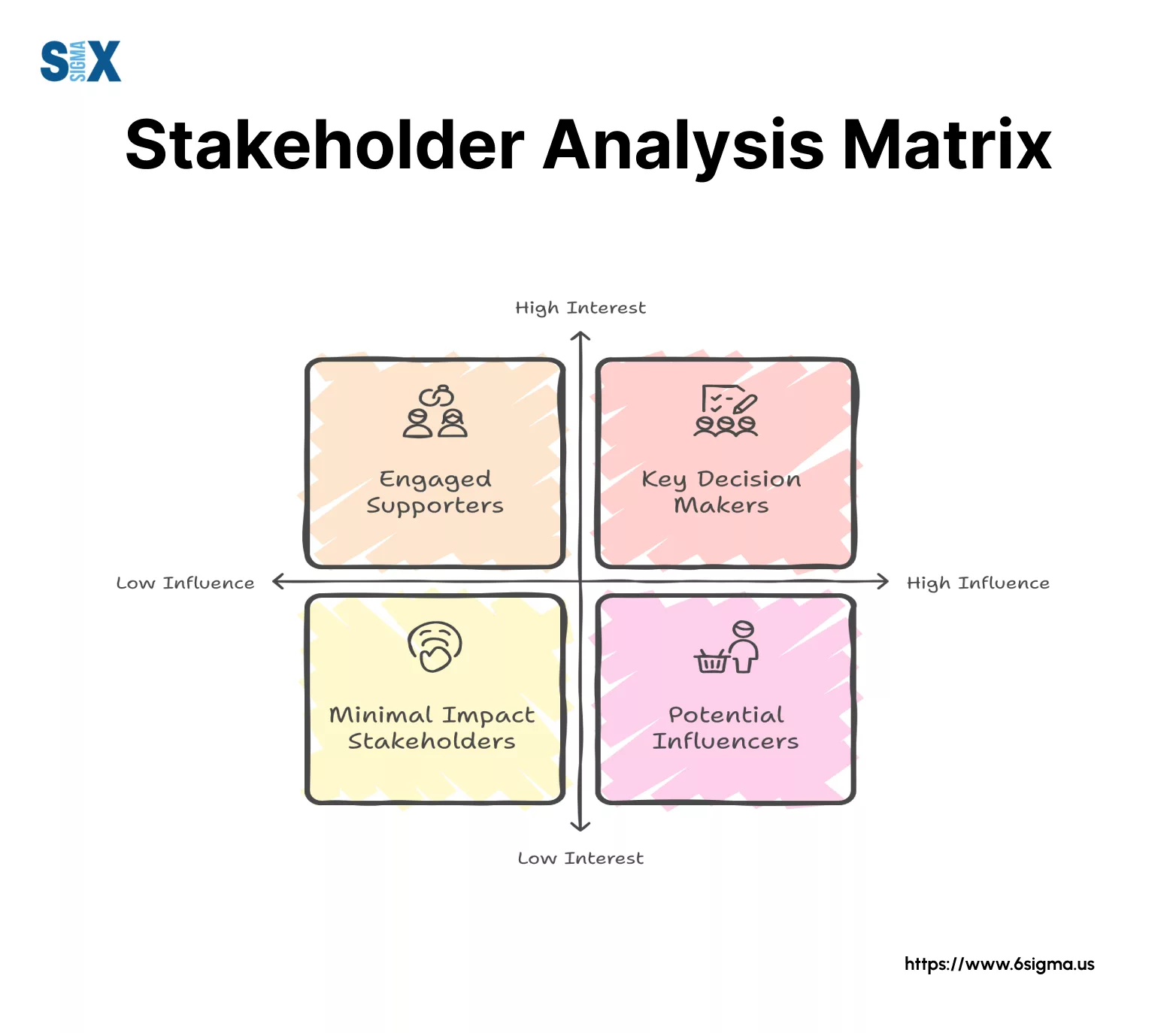
Not all stakeholders are created equal. A small-scale vendor has a different level of influence than a major institutional investor. To manage these relationships efficiently, financial strategists use the Power-Interest Matrix (often referred to as the Mendelow Matrix). This tool allows a business to prioritize its time and financial resources toward the groups that matter most.
High Power, High Interest: The Key Players
These are the individuals or groups that have the most significant impact on the financial trajectory of a project. They often include major investors, primary lenders, or key regulatory bodies. Because they have both the desire to see a project succeed (high interest) and the ability to stop it (high power), they require “manage closely” strategies.
From a financial management perspective, these stakeholders should receive detailed financial statements, regular briefings, and a seat at the table during major strategic pivots. Their buy-in is the foundation of the project’s funding and market credibility.
High Power, Low Interest: The Context Setters
These stakeholders have the power to derail a project but do not necessarily care about the day-to-day operations. Examples include government tax agencies or large insurance underwriters. While they aren’t looking for a high ROI personally, their “interest” is sparked only when something goes wrong.
The strategy here is to “keep satisfied.” In business finance, this means ensuring total compliance with all legal and financial regulations to prevent these powerful entities from intervening. A surprise audit or a sudden regulatory fine can disrupt cash flow, making it essential to keep these stakeholders placated through transparency and adherence to standards.
The Step-by-Step Process of Stakeholder Analysis
Conducting a stakeholder analysis is a methodical process that integrates qualitative insights with quantitative financial goals. To maximize the financial value of this exercise, it should be performed during the initial planning phase of any major business investment.
Step 1: Brainstorming and Identification
The first step is to list every possible party involved. In a business finance setting, this includes the CFO, the accounting department, venture capital partners, and even the end-users of a product. The goal is to cast a wide net to ensure no “hidden” stakeholders—such as a niche regulatory body or a secondary creditor—are overlooked until it is too late.
Step 2: Analysis of Needs and Expectations
Once identified, you must determine what each stakeholder wants. Shareholders usually want capital appreciation. Employees want competitive salaries and job security. Suppliers want timely payments and long-term contracts.
By quantifying these expectations, a business can create a “Stakeholder Register.” This document serves as a financial roadmap, outlining the potential costs associated with keeping each group satisfied. For instance, if a key supplier requires a 10% upfront payment to guarantee materials, that requirement must be factored into the project’s initial cash flow projections.
Step 3: Strategic Planning and Engagement
The final step is to develop a communication and engagement plan. This involves deciding how much financial data to share with each group and how frequently. Transparent communication reduces uncertainty, and in the world of finance, uncertainty is the primary driver of risk premiums. By engaging stakeholders effectively, a company can often secure better credit terms, attract higher-quality investors, and reduce the overall cost of capital.
The Financial Benefits of Robust Stakeholder Management
Why invest hundreds of hours into stakeholder analysis? The answer lies in the mitigation of “friction costs.” When stakeholders are ignored, they create resistance, which invariably leads to financial loss.
Risk Mitigation and Capital Preservation
Stakeholder analysis is a proactive form of risk management. By identifying a community group that might oppose a new development project, a company can address those concerns early, perhaps through a community investment fund, rather than facing a multi-million dollar lawsuit or a construction halt later. In financial terms, this is the difference between a controlled expense and an uncontrolled liability.
Furthermore, by understanding the requirements of lenders and investors, a firm can tailor its financial health to meet those specific criteria, ensuring it always has access to the liquid capital necessary for growth.
Enhancing Return on Investment (ROI)
A project that enjoys the full support of its stakeholders moves faster and encounters fewer obstacles. This efficiency shortens the “time to market,” allowing the business to begin generating revenue sooner. When the interests of employees, management, and investors are aligned through careful analysis, productivity increases, and turnover decreases.
In the “Money” niche, we look at this as the optimization of the Internal Rate of Return (IRR). By removing stakeholder-related bottlenecks, the net present value (NPV) of a project increases, creating more wealth for the owners and the organization as a whole.
Integrating Stakeholder Analysis into Financial Reporting
In the modern era of ESG (Environmental, Social, and Governance) investing, stakeholder analysis has moved from the project manager’s desk to the annual financial report. Institutional investors now look at how a company manages its stakeholders as a proxy for its long-term sustainability.
The Rise of ESG and Stakeholder Value
Modern business finance is shifting from “shareholder primacy” to “stakeholder capitalism.” This means that a company’s valuation is increasingly tied to how it treats its employees, its environmental footprint, and its relationship with the community. Stakeholder analysis provides the data necessary to report on these metrics.
Companies that score high in stakeholder engagement often find they have a lower cost of equity. Investors perceive these companies as “safer” bets because they are less likely to face strikes, consumer boycotts, or punitive legislation. Thus, stakeholder analysis becomes a direct tool for increasing a company’s market valuation.
Utilizing Technology for Stakeholder Tracking
To handle the vast amount of data generated by these analyses, financial departments are increasingly using CRM (Customer Relationship Management) and SRM (Stakeholder Relationship Management) software. These tools allow for the real-time tracking of stakeholder sentiment and financial impact. By integrating these systems with financial ERPs (Enterprise Resource Planning), leadership can see a direct correlation between stakeholder satisfaction scores and quarterly profit margins.
Conclusion: Stakeholder Analysis as a Financial Imperative
Stakeholder analysis is far more than a corporate formality; it is a fundamental pillar of strategic business finance. By identifying who holds power, understanding their financial motivations, and systematically managing their expectations, a business can protect its assets and accelerate its growth.
In an era where market dynamics change in an instant and capital is more mobile than ever, knowing your stakeholders is the ultimate competitive advantage. It ensures that every dollar spent is an investment in a supportive ecosystem, rather than a gamble against hidden resistance. For those looking to master the world of money and business, stakeholder analysis is the map that leads to sustainable, long-term profitability.
aViewFromTheCave is a participant in the Amazon Services LLC Associates Program, an affiliate advertising program designed to provide a means for sites to earn advertising fees by advertising and linking to Amazon.com. Amazon, the Amazon logo, AmazonSupply, and the AmazonSupply logo are trademarks of Amazon.com, Inc. or its affiliates. As an Amazon Associate we earn affiliate commissions from qualifying purchases.