
The Social Security Administration (SSA) is a cornerstone of the American social safety net, providing essential financial support to millions of individuals and families across the nation. While many associate Social Security with retirement income, its benefits extend far beyond that, encompassing critical support for those with disabilities and survivors of deceased workers. Understanding the various types of SSA benefits and how they are determined is crucial for individuals to plan effectively for their financial future and to access the support they are entitled to. This article will delve into the core of Social Security benefits, exploring what they are, who qualifies, and how the SSA operates to administer these vital programs, touching upon aspects relevant to technology, branding, and personal finance.
The Foundation of Social Security: A System for Security and Support
Social Security is not a monolithic program but rather a collection of interconnected programs designed to provide a baseline of economic security. At its heart, it is a social insurance program, funded primarily through payroll taxes paid by workers and employers. This system is designed to protect individuals and families from the financial hardships that can arise from retirement, disability, or the death of a primary wage earner. The SSA, an independent agency of the U.S. government, is responsible for administering these programs, ensuring that eligible individuals receive the benefits they deserve.
Who is Covered by Social Security?
The fundamental requirement for most Social Security benefits is that the individual must have worked and paid Social Security taxes for a sufficient period. This work history is measured in “credits.” Most workers can earn up to four credits per year, with each credit representing a certain amount of earnings. Generally, you need 40 credits (equivalent to about 10 years of work) to qualify for retirement benefits, while disability and survivor benefits might require fewer credits depending on your age at the time you become disabled or die.
The SSA’s system for tracking these credits is a sophisticated data management operation. While not explicitly a “tech” article, the underlying infrastructure that allows the SSA to track millions of earnings records, process applications, and disburse payments relies heavily on advanced technological systems. From secure databases to efficient processing algorithms, the SSA leverages technology to maintain the integrity and accessibility of its services. This technological backbone is what enables the reliable distribution of benefits, a crucial aspect of personal finance for recipients.
Navigating the Pillars of SSA Benefits
The Social Security Administration offers several distinct types of benefits, each serving a specific purpose in supporting individuals and families through different life circumstances. Understanding these distinct pillars is key to grasping the full scope of what SSA benefits entail.
Retirement Benefits: Securing Your Golden Years
Perhaps the most widely recognized Social Security benefit is retirement income. These benefits provide a monthly payment to individuals who have reached retirement age and have accumulated sufficient work credits. The amount of your retirement benefit is calculated based on your lifetime earnings, specifically your highest 35 years of earnings. This is where the concept of personal finance and long-term financial planning becomes paramount.
- Full Retirement Age (FRA): This is the age at which you can receive your full retirement benefits without any reduction. Your FRA depends on your birth year. For those born in 1960 or later, the FRA is 67.
- Early Retirement: You can choose to start receiving retirement benefits as early as age 62, but your monthly benefit will be permanently reduced. This is a significant financial decision that requires careful consideration of your current financial needs versus the long-term impact on your monthly income.
- Delayed Retirement: Conversely, if you delay claiming your benefits beyond your FRA, your monthly benefit amount will increase. This can be a wise strategy for those who are still working or have other financial resources, allowing their Social Security benefit to grow over time.
The SSA’s approach to calculating these benefits, while seemingly straightforward, involves complex actuarial tables and earnings records. The accuracy and security of this data are paramount, again highlighting the role of technology in ensuring fair and precise benefit distribution. For individuals, understanding their estimated future benefits, often available through their “my Social Security” online account, is a critical step in personal financial planning.
Disability Benefits: Support When You Need It Most
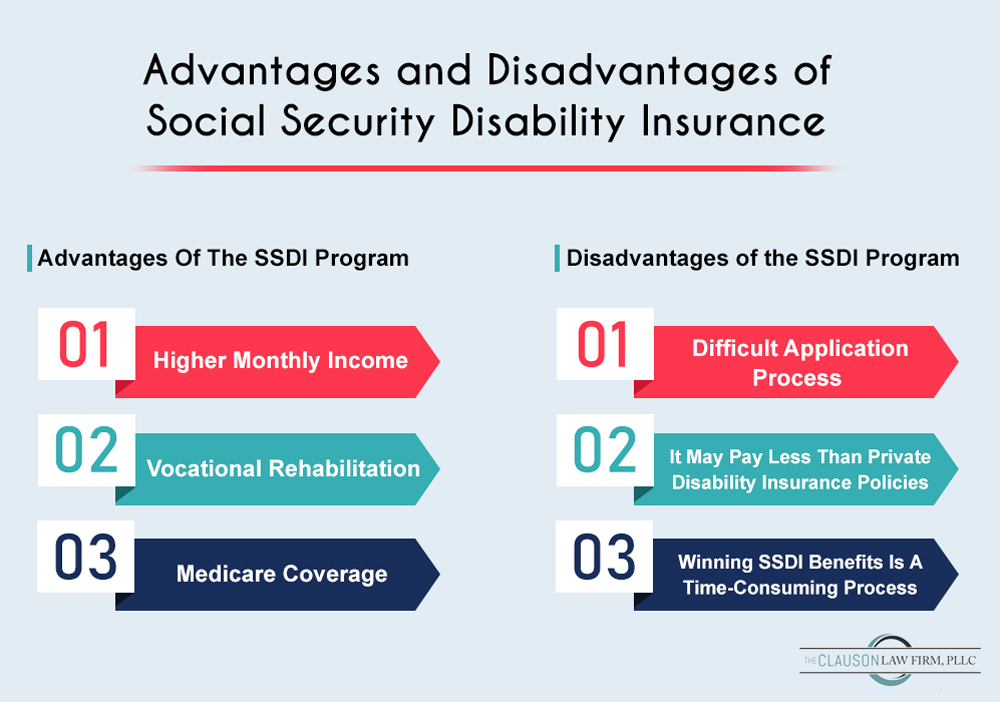
The SSA also provides crucial financial assistance to individuals who are unable to work due to a severe medical condition. This is a vital safety net for those whose earning capacity has been significantly impaired. There are two main disability programs administered by the SSA:
- Social Security Disability Insurance (SSDI): This program is for individuals who have worked long enough and recently enough to have paid Social Security taxes. It is an insurance program, meaning you or your employer paid for this coverage through your Social Security contributions.
- Supplemental Security Income (SSI): This program is a needs-based program for individuals with limited income and resources who are disabled, blind, or age 65 or older. SSI is funded by general tax revenues, not Social Security taxes, and provides a basic monthly cash payment to meet essential needs.
The disability determination process is rigorous and involves a thorough review of medical evidence and vocational factors. The SSA often works with state disability agencies to process these claims. The complexity of these determinations underscores the importance of accurate record-keeping and efficient data processing, areas where technology plays an indispensable role. For individuals navigating this process, understanding the eligibility criteria and the documentation required is essential for a successful application. This often involves gathering medical records, which in today’s world, can include digitally stored health information.
Survivor Benefits: Protecting Families After Loss
When a worker who has earned enough credits dies, their surviving spouse, children, and sometimes parents may be eligible for survivor benefits. These benefits are intended to provide financial support to the family and help them maintain a degree of economic stability during a difficult time.
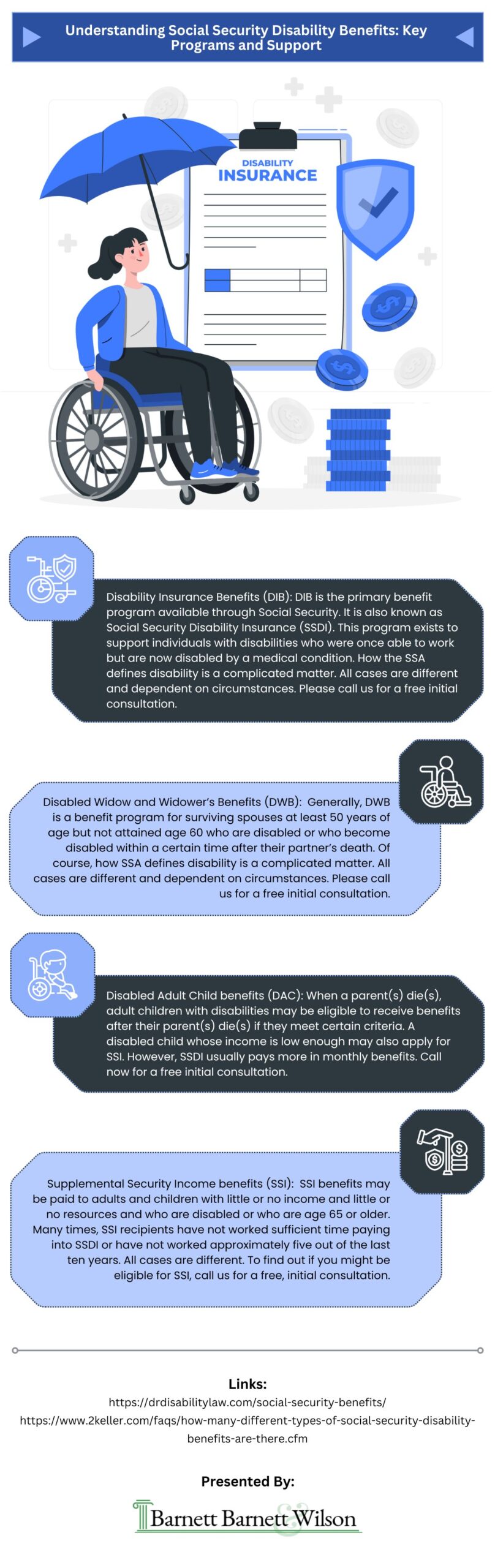
- Spouses: Widows and widowers can receive benefits at age 60 (or age 50 if disabled), or at any age if they are caring for the deceased worker’s child who is under age 16 or disabled.
- Children: Unmarried children can receive benefits until age 18, or up to age 19 if they are still a full-time student in elementary or secondary school. Disabled children may receive benefits beyond these ages.
- Parents: Dependent parents of the deceased worker may also be eligible for benefits if they were financially dependent on the worker.
The calculation of survivor benefits is also based on the deceased worker’s earnings record. This highlights the interconnectedness of the Social Security system, where the contributions of one individual can extend to provide support for their loved ones. The communication and processing of these claims are critical, and the SSA’s ability to efficiently manage these sensitive cases is a testament to its operational capabilities, underpinned by robust technological infrastructure.
The SSA’s Operational Framework: Technology, Branding, and Financial Management
While the direct beneficiaries of SSA benefits are individuals and families, the smooth operation of the SSA itself relies on a sophisticated blend of technology, strategic branding, and sound financial management.
Leveraging Technology for Efficiency and Security
The SSA is a massive government agency with a significant technological footprint. To manage the vast amounts of data, process millions of applications annually, and disburse billions of dollars in benefits, the SSA employs a range of technologies. This includes:
- Secure Databases: The integrity and security of Social Security numbers and earnings records are paramount. The SSA invests heavily in cybersecurity measures to protect this sensitive information from fraud and breaches.
- Automated Processing Systems: To handle the sheer volume of claims, the SSA utilizes automated systems for data entry, eligibility verification, and payment processing. This technological efficiency is crucial for timely benefit delivery.
- Online Portals and Tools: The “my Social Security” online account is a prime example of how the SSA uses technology to empower individuals. It allows beneficiaries to view their earnings history, get estimates of future benefits, and manage their accounts, thereby improving transparency and user experience. This directly impacts personal finance management.
The SSA’s commitment to digital security and efficient technological implementation ensures that the system remains trustworthy and accessible. This technological foundation is not just about internal operations; it directly impacts the perceived reliability and trustworthiness of the Social Security brand.
The Social Security Brand: Trust and Reliability
The Social Security Administration holds a unique position in the public consciousness. Its “brand” is synonymous with a promise of security and a safety net for citizens. Maintaining this brand requires consistent delivery of services, clear communication, and a commitment to fairness.
- Public Trust: The SSA’s brand is built on trust. When individuals rely on Social Security for their retirement or disability income, they expect a reliable and dependable system. This trust is earned through accurate benefit calculations, timely payments, and transparent processes.
- Communication and Outreach: The SSA actively engages in outreach to inform the public about its programs and services. This includes providing educational materials, hosting informational sessions, and maintaining a robust online presence. Effective communication is a key aspect of brand building and ensuring that people understand their entitlements.
- Reputation Management: The SSA must constantly manage its reputation, especially in the face of public scrutiny regarding its financial solvency or operational efficiency. Positive case studies of individuals whose lives have been significantly improved by Social Security benefits can reinforce the positive aspects of its brand.
The visual identity and messaging of the SSA, while not as flashy as a commercial brand, are crucial for conveying a sense of stability and authority. This brand recognition is vital for ensuring that individuals feel confident in interacting with the agency and understanding the value of their Social Security contributions.
Financial Management and Long-Term Sustainability
The financial management of the Social Security system is a complex and ongoing challenge. The SSA is responsible for collecting payroll taxes, investing trust fund assets, and disbursing benefits to millions of beneficiaries.
- Trust Funds: Social Security is funded by dedicated payroll taxes, which are deposited into the Old-Age and Survivors Insurance (OASI) and Disability Insurance (DI) trust funds. The management and performance of these trust funds are critical to the long-term sustainability of the program.
- Actuarial Projections: The SSA’s actuaries regularly analyze demographic trends and economic forecasts to project the future financial status of the trust funds. These projections inform discussions about policy adjustments needed to ensure the program’s solvency.
- Economic Impact: The consistent flow of Social Security benefits into the economy has a significant multiplier effect, supporting consumer spending and providing a baseline of financial stability for a large segment of the population. This makes Social Security a vital component of the overall personal and business finance landscape.
Understanding these financial underpinnings is essential for appreciating the full scope of SSA benefits. It highlights that Social Security is not just about individual entitlements but also a critical macroeconomic force.
Conclusion: Empowering Yourself with Social Security Knowledge
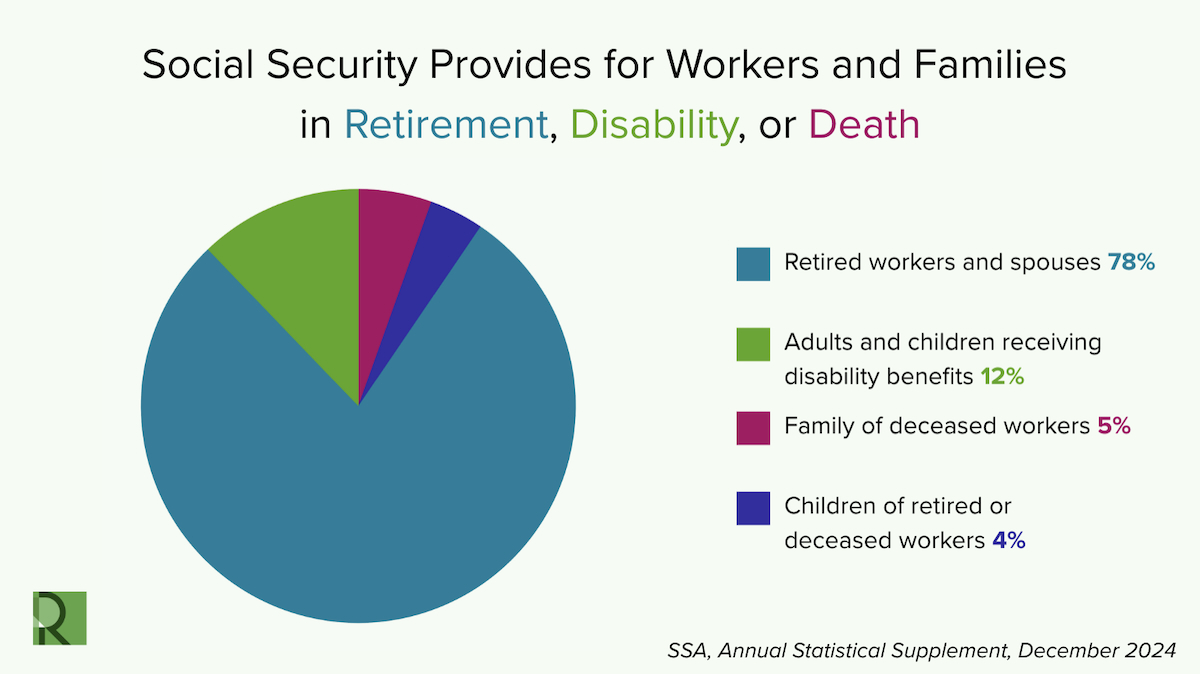
In conclusion, Social Security Administration (SSA) benefits are a multifaceted system designed to provide a crucial safety net for Americans. From retirement income that ensures a dignified old age, to disability benefits that offer support during challenging health circumstances, and survivor benefits that protect families after loss, the SSA plays an indispensable role in the financial well-being of millions. The effective administration of these programs is a testament to the SSA’s reliance on robust technology for data management and processing, a strong brand built on trust and reliability, and diligent financial stewardship.
For individuals, understanding the various SSA benefit programs, their eligibility requirements, and the claiming processes is a fundamental aspect of personal finance planning. By staying informed and utilizing the resources provided by the SSA, individuals can best leverage these vital benefits to secure their financial future and the security of their loved ones. The knowledge of what SSA benefits are available and how to access them empowers individuals to navigate life’s uncertainties with greater confidence.
aViewFromTheCave is a participant in the Amazon Services LLC Associates Program, an affiliate advertising program designed to provide a means for sites to earn advertising fees by advertising and linking to Amazon.com. Amazon, the Amazon logo, AmazonSupply, and the AmazonSupply logo are trademarks of Amazon.com, Inc. or its affiliates. As an Amazon Associate we earn affiliate commissions from qualifying purchases.