
The term “square kilometer” might sound like a straightforward measurement, but its implications extend far beyond simple geometry. In a world increasingly shaped by technology, marketing, and financial considerations, understanding how we quantify and utilize area – especially on a large scale – becomes crucial. Whether you’re a tech enthusiast exploring the footprint of data centers, a brand manager assessing market reach, or an investor evaluating land assets, the concept of the square kilometer provides a fundamental lens through which to view our physical and digital landscapes.
This article delves into the essence of what a square kilometer is, exploring its origins, its practical applications across various domains, and its significance in the interconnected world we inhabit.

The Foundation: Defining the Square Kilometer
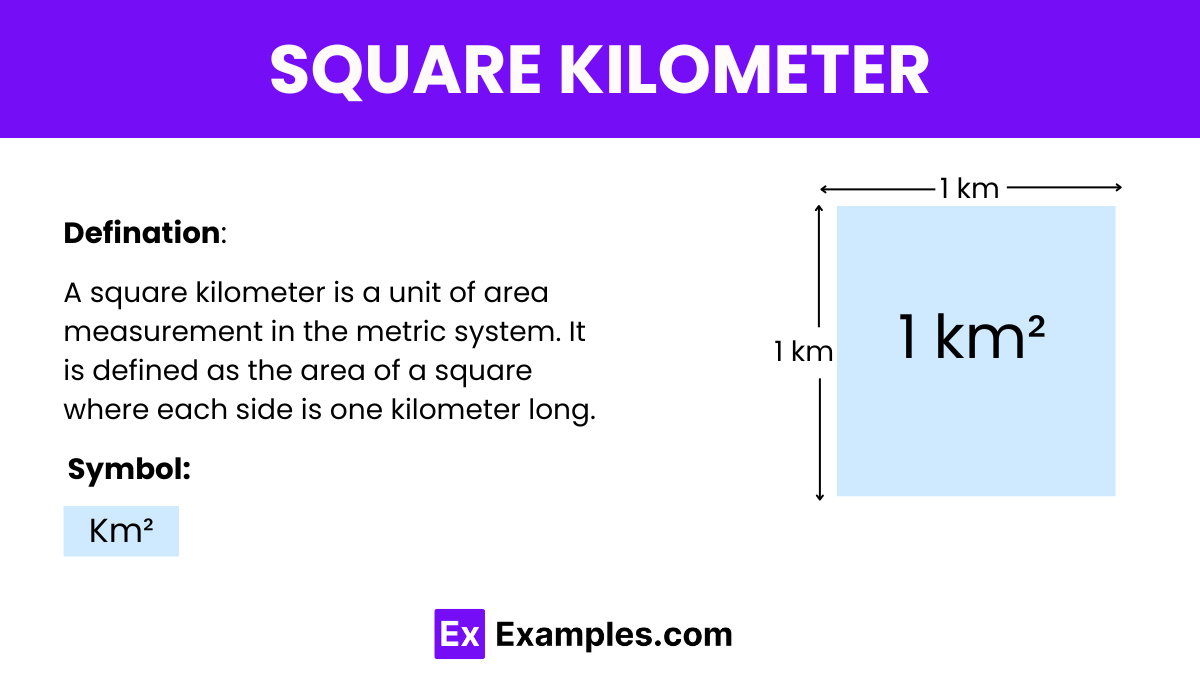
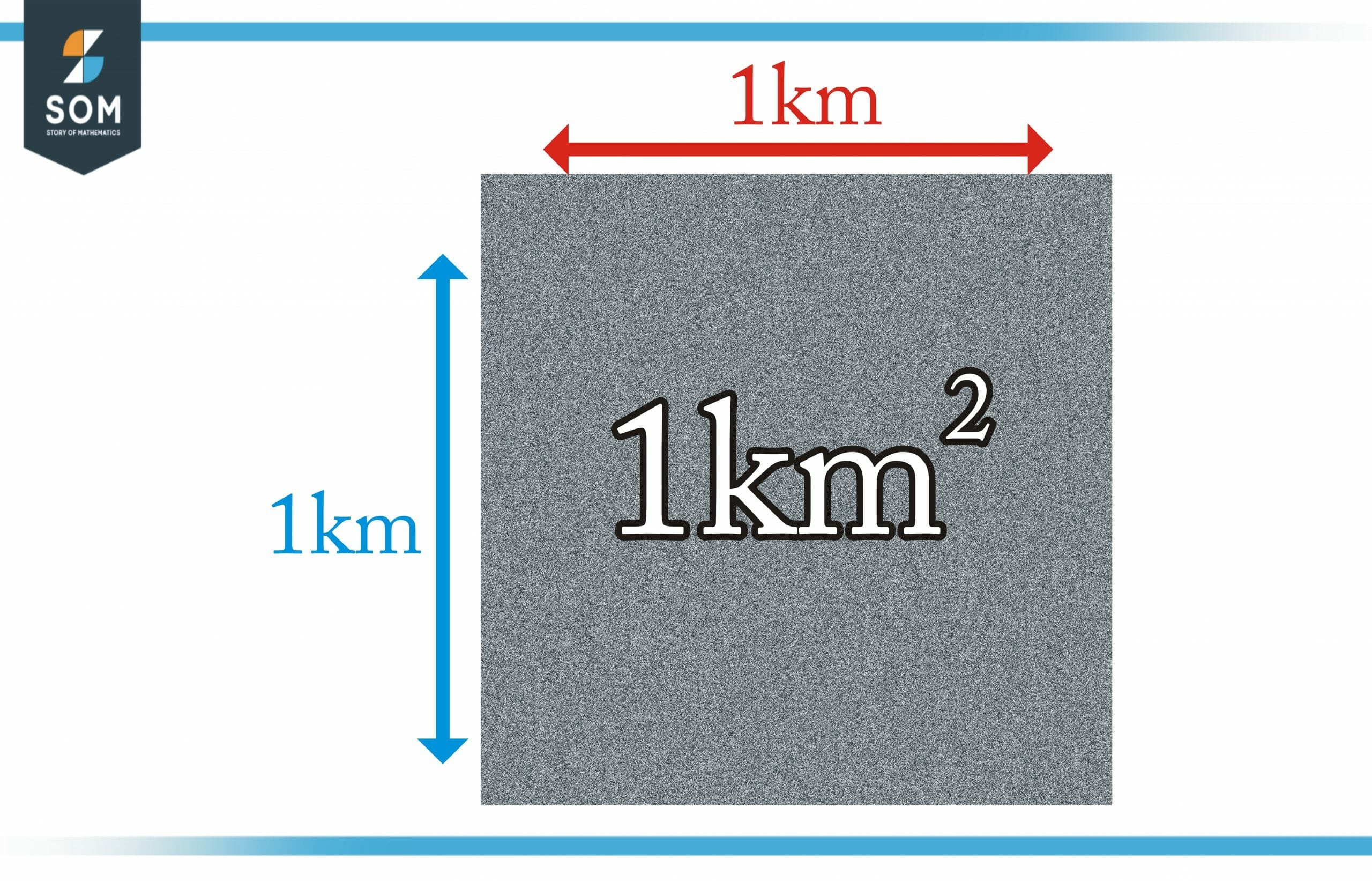
At its core, a square kilometer (km²) is a unit of area in the metric system. It represents the area of a square with sides that are each one kilometer long. To visualize this, imagine a perfect square where each edge measures 1,000 meters. The total space enclosed within those four boundaries is one square kilometer.
From Meters to Kilometers: The Metric System in Action
The metric system, officially known as the International System of Units (SI), is designed for consistency and ease of conversion. It’s built on powers of ten, making calculations relatively simple.
- The Meter (m): The base unit of length in the metric system.
- The Kilometer (km): Derived from the meter, a kilometer is equal to 1,000 meters. This makes it a convenient unit for measuring longer distances, such as between cities or across vast geographical areas.
When we talk about area, we are essentially measuring the two-dimensional space occupied by an object or a region. The formula for the area of a square is side * side. Therefore, for a square kilometer:
1 km² = 1 km * 1 km
Since 1 km = 1000 m, we can also express this in square meters:
1 km² = (1000 m) * (1000 m) = 1,000,000 m²
This conversion highlights the sheer magnitude of a square kilometer. It’s a substantial area, making it ideal for measuring:
- Land parcels: Farms, ranches, national parks, forests.
- Urban areas: Cities, municipalities, metropolitan regions.
- Geographical features: Lakes, islands, deserts.
- Infrastructure projects: Large-scale industrial sites, airports, solar farms.
Understanding this basic definition is the first step to appreciating the diverse ways this unit of measurement impacts our lives, especially within the realms of technology, branding, and finance.
Square Kilometers in the Digital Age: Beyond Physical Boundaries
While the square kilometer traditionally refers to physical land area, its conceptual application has expanded significantly in the digital and technological spheres. The principles of measuring space, scale, and efficiency are directly transferable.
H2: Tech’s Expanding Footprint: Data Centers and Infrastructure
The technology industry, perhaps more than any other, relies on vast physical infrastructure to power its digital services. The concept of the square kilometer is fundamental to understanding the scale of this infrastructure.
H3: Data Centers: The Physical Backbone of the Cloud
Cloud computing, artificial intelligence, and the ever-increasing demand for data storage and processing have led to the construction of massive data centers. These facilities are not just buildings; they are intricate ecosystems of servers, cooling systems, power infrastructure, and networking equipment.
- Size and Scale: Data centers are often measured in square meters, but when discussing large complexes or campuses, the square kilometer becomes a relevant unit. A single large data center facility might occupy tens of thousands of square meters, while a data center campus could span several square kilometers.
- Location Strategy: The placement of data centers is critical. They are often situated in areas with access to abundant, reliable, and affordable power, as well as robust network connectivity. Assessing potential locations often involves evaluating land availability, which is directly quantifiable in square kilometers.
- Energy Consumption: The power requirements of these facilities are enormous, making their environmental footprint a significant consideration. Understanding the physical area they occupy helps in estimating their energy needs and potential impact.
- Scalability: As data needs grow, companies often expand their data center operations. Planning for this expansion involves securing additional land, again measured in square kilometers, to accommodate future growth.
H3: Network Infrastructure and Connectivity
Beyond data centers, the deployment of vast technological infrastructure, such as fiber optic networks, cellular towers, and satellite ground stations, also involves significant geographical considerations.
- Fiber Optic Cables: The laying of extensive fiber optic cables, which form the backbone of the internet, often spans hundreds or thousands of kilometers, but the landing points and maintenance facilities themselves occupy physical spaces that can be measured.
- 5G Rollout: The densification of cellular networks with more towers requires careful planning of physical space for these installations.
- Renewable Energy for Tech: As the tech industry strives for sustainability, the development of large-scale renewable energy projects (solar farms, wind farms) to power these operations directly involves land use measured in square kilometers.
In essence, the “digital landscape” still has a very tangible, physical presence, and the square kilometer is a vital unit for understanding its physical scale and the logistical challenges involved in its construction and maintenance.
Branding and Market Reach: Mapping Your Influence
For brands, understanding their presence and reach is paramount. While brand perception and awareness are often intangible, the physical and market scope of a brand’s operations can be quantified, and the square kilometer plays a role in this assessment.
H2: Geographical Footprint and Market Penetration
The physical presence of a brand, whether through retail outlets, manufacturing facilities, or distribution centers, directly impacts its market reach.
- Retail Chains: A large retail chain might have thousands of stores, but the cumulative area occupied by these stores, or the geographical regions they serve, can be conceptualized in terms of larger land areas. For example, a company might aim to saturate a particular metropolitan area of, say, 500 square kilometers with its retail presence.
- Logistics and Supply Chains: The efficiency of a brand’s supply chain is heavily dependent on the location and scale of its warehouses and distribution hubs. Analyzing the optimal placement of these facilities often involves considering land availability and cost, which are measured in square kilometers. A company might invest in developing a logistics hub that covers several square kilometers to streamline operations across a vast region.
- Global Expansion: When a brand looks to expand internationally, assessing potential markets involves understanding the geographical scale of those markets, which can be described using area measurements like square kilometers.
H3: Brand Experience and Physical Environment
The design and layout of physical brand spaces are critical to customer experience. This is where the square kilometer, albeit at a smaller scale within individual outlets, influences brand perception.
- Store Design and Layout: A flagship store or a large department store occupies a significant physical space. The internal layout, the flow of customers, and the display of products are all designed within a finite area. While not directly measured in square kilometers for individual stores, the principles of space utilization are the same.
- Experiential Marketing: Brands are increasingly investing in creating immersive experiences. This can involve setting up temporary installations or pop-up shops in large public spaces, such as parks or exhibition halls, the size of which might be described in terms of square meters or larger plots of land.
H3: Visualizing Brand Impact: Maps and Geodemographics
In marketing, understanding where your customers are is crucial. Tools that utilize geographical data often use area measurements to segment and analyze markets.
- Target Market Segmentation: Marketers use geographic segmentation to divide their audience based on location. Areas can be defined by specific neighborhoods, cities, or even larger regions. When analyzing the density of a target demographic within a certain area, the size of that area (e.g., a city of X square kilometers) becomes a relevant factor.
- Advertising Reach: When planning outdoor advertising campaigns, the placement of billboards and other physical advertisements is within specific geographical zones. The effectiveness of these campaigns can be assessed by considering the total area covered or the population density within those areas.
The square kilometer, therefore, serves as a useful unit for visualizing the physical scope of a brand’s influence and for strategizing market penetration and customer engagement.
Investing in Land and Resources: The Financial Implications of Area
From a financial perspective, the square kilometer is a fundamental unit of value, especially in real estate, agriculture, and resource extraction.
H2: Real Estate and Land Investment
The most direct financial application of the square kilometer is in the valuation and trading of land.
- Agricultural Land: Farmland is often bought and sold based on its acreage or hectares. A hectare is 10,000 square meters, so 1 km² is equal to 100 hectares. Investors and farmers evaluate the productivity and potential of land based on its size and quality. The larger the land parcel (measured in square kilometers or hectares), the greater the potential for yield and thus, profitability.
- Urban Development: Developers purchase large tracts of land, often measured in square kilometers, for urban expansion projects, including residential communities, commercial centers, and industrial parks. The cost of this land is a significant factor in the overall profitability of such ventures.
- Commercial and Industrial Properties: Large warehouses, factories, and distribution centers occupy substantial land footprints. The cost and availability of land for these developments are directly tied to its size, expressed in units like square kilometers.
H3: Resource Management and Extraction
Industries that rely on extracting natural resources from the earth also deal with vast geographical areas.
- Mining and Oil Exploration: Companies involved in mining or oil and gas exploration often lease or purchase rights to explore and extract resources over very large areas, which can be tens or even hundreds of square kilometers. The cost of these leases and the potential yield are directly related to the size of the exploration area.
- Forestry: Sustainable forestry operations manage vast tracts of forest land, measured in square kilometers, for timber production. The efficiency and profitability of these operations depend on the size and management of these forest areas.
H3: Infrastructure Projects and Economic Impact
Large-scale infrastructure projects, such as highways, dams, and airports, require significant land acquisition. The planning and financing of these projects are deeply intertwined with the cost and availability of land, often measured in square kilometers.
- Transportation Networks: Building new highways or railway lines involves acquiring rights of way that can span many kilometers in length and considerable width, effectively covering areas that can be quantified.
- Energy Infrastructure: The development of large power plants, hydroelectric dams, or extensive solar and wind farms all require significant land, directly impacting land prices and investment strategies.
The square kilometer, in this context, is not just a measure of physical space but a fundamental component of economic valuation and investment strategy. It represents potential, resources, and the tangible assets that drive significant financial transactions.
Conclusion: A Unit of Measurement with Broad Impact
The square kilometer is far more than just a geometric descriptor. It is a unit of measurement that underpins our understanding of scale, potential, and value across diverse fields. From the sprawling data centers powering our digital lives and the global reach of our favorite brands to the vast agricultural lands and resource deposits that fuel our economies, the square kilometer provides a consistent and comprehensible way to quantify and conceptualize large areas.
As technology continues to evolve, brands adapt their strategies, and financial markets fluctuate, the ability to grasp the implications of an area measured in square kilometers will remain a vital skill. It’s a reminder that even in our increasingly abstract digital world, physical space and its quantifiable dimensions continue to shape our endeavors and define our opportunities. Whether you are building a tech startup, crafting a brand’s identity, or making investment decisions, understanding the concept of the square kilometer is a foundational step towards navigating the complexities of our modern landscape.
aViewFromTheCave is a participant in the Amazon Services LLC Associates Program, an affiliate advertising program designed to provide a means for sites to earn advertising fees by advertising and linking to Amazon.com. Amazon, the Amazon logo, AmazonSupply, and the AmazonSupply logo are trademarks of Amazon.com, Inc. or its affiliates. As an Amazon Associate we earn affiliate commissions from qualifying purchases.