
In the rapidly evolving landscape of software engineering, the ability to deliver high-quality products while remaining adaptable to change is the hallmark of a successful development team. Central to this adaptability is the Scrum framework, and at the absolute heart of Scrum lies the “Sprint.” While the term might evoke images of short-distance running, in the world of technology, a Sprint is a rhythmic, time-boxed heartbeat that drives the entire software development lifecycle.
Understanding what a Sprint is—and how to execute it effectively—is essential for any tech professional, from junior developers to CTOs. It is the mechanism that transforms abstract project visions into tangible, functional code.
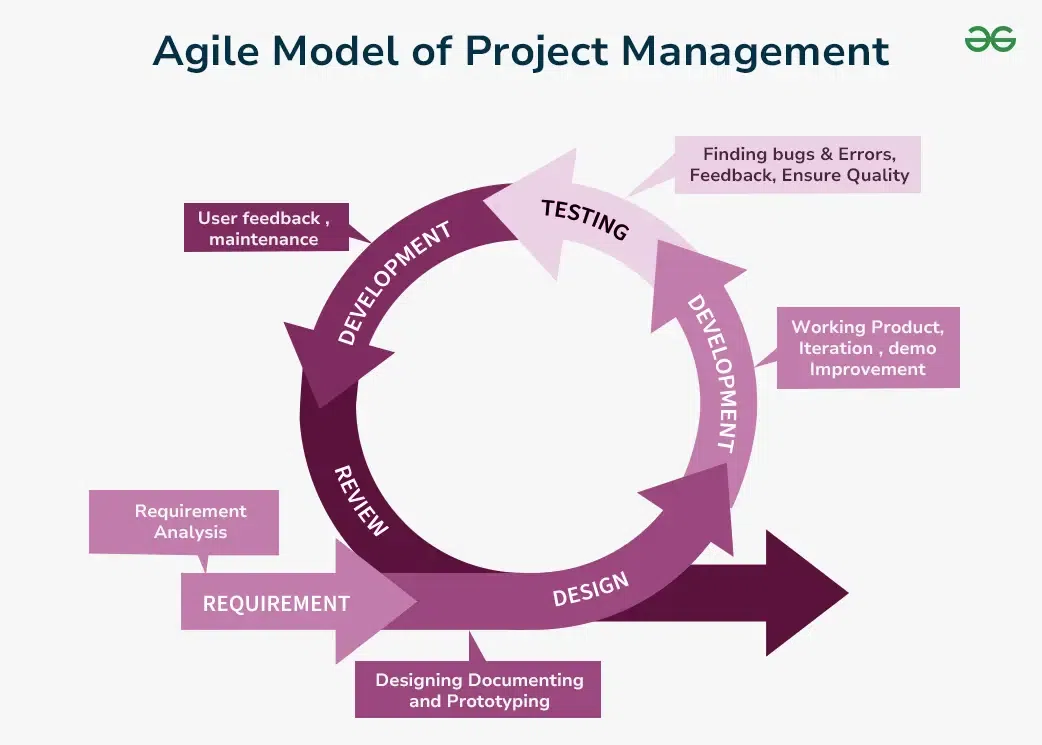
The Anatomy of a Sprint: The Core Pillars of Agile Development
A Sprint is a fixed period of time, typically lasting between one and four weeks, during which a specific set of work must be completed and made ready for review. It is the fundamental unit of development in Scrum. Rather than attempting to build a massive software application in one monolithic phase, the Sprint breaks the process down into manageable, iterative cycles.
The Time-Box Constraint
The defining characteristic of a Sprint is that it is “time-boxed.” This means the end date is fixed and cannot be extended, regardless of whether the work is finished. In tech, time-boxing is a powerful tool for combating “Parkinson’s Law,” which suggests that work expands to fill the time available for its completion. By strictly adhering to a two-week or one-month cycle, development teams create a sense of urgency and focus that prevents scope creep and keeps the project moving forward.
The Sprint Goal
Every Sprint must have a clear, concise objective known as the Sprint Goal. This isn’t just a list of tasks; it is a high-level summary of what the team aims to achieve. For example, a goal might be “Implement the secure OAuth2 authentication flow” or “Optimize the database query performance for the user dashboard.” The goal provides the team with a shared vision, allowing for flexibility in the specific tasks performed as long as the ultimate objective is met.
The Sprint Backlog
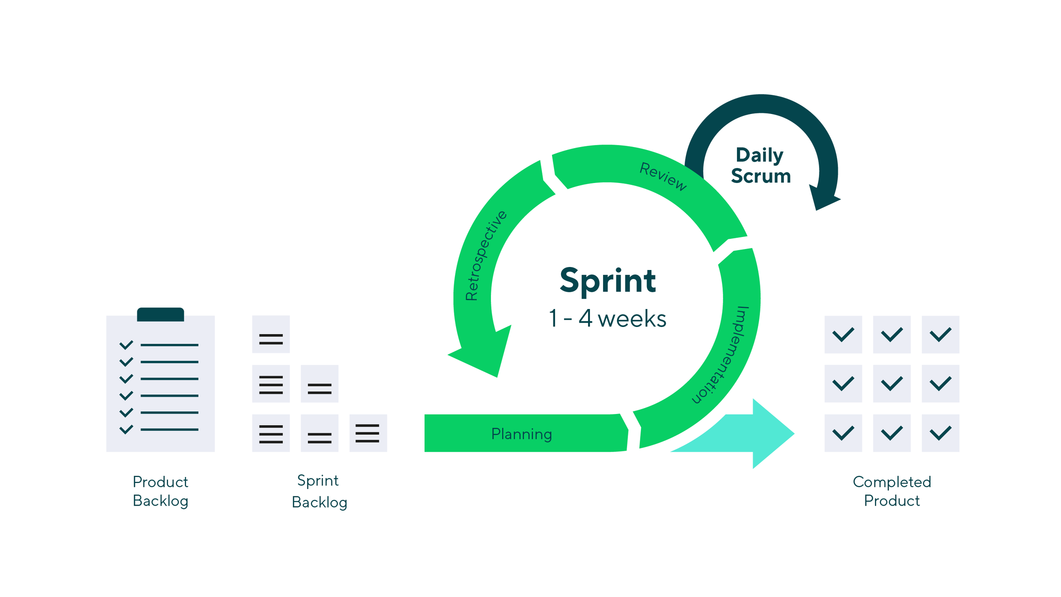
The Sprint Backlog is a subset of the Product Backlog—a comprehensive list of all desired features and fixes. During the transition into a Sprint, the team selects the highest-priority items from the Product Backlog and moves them into the Sprint Backlog. This becomes the “to-do” list for the duration of the cycle. In a tech environment, these items are often expressed as User Stories or technical tickets, detailing exactly what the software needs to do from an end-user perspective.
The Lifecycle of a Sprint: From Planning to Retrospective
A Sprint is not just a period of coding; it is a structured process consisting of four primary events. These events provide the transparency, inspection, and adaptation necessary for Agile software development to thrive.
Sprint Planning
Before the coding begins, the team gathers for Sprint Planning. This is a collaborative session where the Product Owner, Scrum Master, and Development Team determine what can be delivered in the upcoming Sprint. The technical team assesses their “capacity”—how many hours or “story points” they can realistically handle—and selects items from the backlog accordingly. This phase is crucial for identifying technical dependencies or potential bottlenecks before the work starts.
The Daily Scrum (Stand-up)
Once the Sprint is in motion, the team holds a 15-minute Daily Scrum. Often called a “stand-up,” this meeting is designed to synchronize activities and create a plan for the next 24 hours. Each developer answers three questions: What did I do yesterday? What will I do today? Are there any “impediments” (blockers) in my way? From a technical standpoint, this is where issues like broken build pipelines, API mismatches, or server downtime are identified and addressed immediately.
The Sprint Review
At the end of the Sprint, the team holds a Sprint Review. This is an informal demonstration where the team “shows off” the work completed during the cycle. Stakeholders provide feedback, and the team discusses what was accomplished. In the tech world, this often involves a live demo of the software in a staging environment. It is the moment of truth where the team proves that the code is not just written, but functional and valuable.
The Sprint Retrospective
The final event is the Sprint Retrospective. While the Review focuses on the product, the Retrospective focuses on the process. The team looks back at the past Sprint to identify what went well and what could be improved. Did the CI/CD pipeline fail too often? Was the communication between the front-end and back-end teams lacking? By identifying these technical and procedural friction points, the team can implement “action items” to improve their performance in the next Sprint.
Roles and Responsibilities within the Sprint Cycle

A Sprint is a collaborative effort, but its success depends on the clear demarcation of roles. In the Scrum framework, three specific roles ensure the Sprint remains productive and aligned with technical goals.
The Product Owner’s Vision
The Product Owner (PO) represents the interests of the stakeholders and the customers. Their primary responsibility during a Sprint is to ensure the team is working on the most valuable features. While they don’t tell the developers how to code, they define the what and the why. In a tech context, the PO must have a deep understanding of the market and the user, ensuring that the Sprint Goal aligns with the long-term roadmap of the software product.
The Scrum Master as Facilitator
The Scrum Master is not a “boss” but a servant-leader. Their job is to ensure that the Scrum framework is followed and to remove any obstacles that hinder the team’s progress. If a developer is stuck because they are waiting on a license for a specific AI tool or if another department is interrupting the team with unplanned requests, the Scrum Master steps in to resolve the conflict. They protect the team’s “sprint flow” from external noise.
The Development Team’s Execution
The Development Team consists of the professionals who do the actual work of building the increment. This includes developers, testers, UI/UX designers, and DevOps engineers. In Scrum, the team is “cross-functional” and “self-organizing.” This means they have all the skills necessary to complete the work without relying on outside help, and they decide among themselves how to best tackle the technical challenges of the Sprint.
Technical Best Practices for High-Velocity Software Delivery
To truly master the Sprint, tech teams must go beyond the basic ceremonies and implement technical disciplines that ensure the code produced is robust, scalable, and maintainable.
Maintaining the Definition of Done (DoD)
A Sprint is only successful if the work is “Done.” But what does “Done” mean? In software development, the Definition of Done is a formal checklist that a user story must meet before it can be considered complete. A typical tech-focused DoD might include:
- Code reviewed by at least one other peer.
- Unit tests passed with at least 80% coverage.
- Documentation updated in the Wiki.
- Code merged into the main branch without build errors.
- Feature verified in the QA environment.
Managing Technical Debt
Every Sprint involves a trade-off between speed and perfection. Sometimes, teams take shortcuts to meet a Sprint Goal, resulting in “technical debt.” A mature Agile team uses the Sprint Retrospective to identify where debt was incurred and allocates time in future Sprints to “repay” it through refactoring. Ignoring this leads to a “code rot” that eventually slows down future Sprints to a crawl.
Utilizing Burndown Charts and Velocity
Data is the lifeblood of a tech Sprint. Teams use “Burndown Charts” to visualize how much work remains versus the time left in the Sprint. If the line is trending above the ideal path, it signals that the team may have over-committed. Furthermore, by tracking “Velocity”—the average amount of work a team completes per Sprint—tech leads can more accurately predict when long-term features will be ready for release.
Why Sprints are Critical for Modern Tech Ecosystems
The traditional “Waterfall” model of development, where requirements are gathered for months before a single line of code is written, is largely obsolete in the modern tech sector. The Sprint offers several distinct advantages for contemporary software houses.
Adapting to Market Volatility
In the world of AI, SaaS, and mobile apps, market needs change overnight. Because Sprints are short, a company is never more than a few weeks away from being able to pivot its entire development strategy. If a competitor releases a game-changing feature, the Scrum team can adjust the Product Backlog and address the new reality in the very next Sprint.
Continuous Integration and Continuous Deployment (CI/CD)
The iterative nature of Sprints perfectly complements modern DevOps practices. By breaking work into small increments, teams can utilize CI/CD pipelines to automatically test and deploy code frequently. This reduces the risk of massive “merge hell” scenarios and ensures that the software is always in a potentially releasable state.
Fostering a Culture of Innovation
Finally, the Sprint structure empowers developers. By giving the team autonomy over their work within the time-box, it encourages creative problem-solving. Developers aren’t just “order takers”; they are engineers tasked with fulfilling a goal, which often leads to more innovative technical solutions and a more engaged, motivated workforce.
In conclusion, a Sprint in Scrum is far more than a simple calendar event. It is a disciplined framework designed to handle the complexity and uncertainty of modern software development. By combining strict time-boxing with collaborative planning and technical excellence, Sprints enable tech teams to deliver value consistently, refine their processes continuously, and ultimately build better software for a rapidly changing world.
aViewFromTheCave is a participant in the Amazon Services LLC Associates Program, an affiliate advertising program designed to provide a means for sites to earn advertising fees by advertising and linking to Amazon.com. Amazon, the Amazon logo, AmazonSupply, and the AmazonSupply logo are trademarks of Amazon.com, Inc. or its affiliates. As an Amazon Associate we earn affiliate commissions from qualifying purchases.