
Soft cheese, a culinary marvel, defies simple categorization. It’s a broad spectrum of dairy delights, united by a specific texture and a remarkable versatility that has cemented its place in kitchens and on menus worldwide. Unlike its hard-aged counterparts, soft cheese retains a high moisture content, leading to a yielding, spreadable, and often creamy consistency. This fundamental characteristic dictates its production, flavor profile, and ultimately, its diverse applications. Understanding what constitutes soft cheese requires a deeper dive into its creation, its defining attributes, and the vast array of examples that showcase its appeal.
The Science and Art of Soft Cheese Production
The journey from milk to delectable soft cheese is a nuanced interplay of science and artisanal skill. While the basic principles of cheesemaking – coagulation and whey separation – are universal, the specific techniques employed for soft cheeses emphasize preserving moisture and developing delicate textures. The type of milk used, the starter cultures introduced, and the aging process (or lack thereof) all contribute to the final soft cheese product.
Milk Matters: The Foundation of Texture and Flavor
The starting point for any cheese is milk, and for soft cheeses, the choice of milk significantly influences the outcome. While cow’s milk is the most common, milk from goats and sheep also plays a vital role in creating distinct soft cheese varieties.
- Cow’s Milk: This is the workhorse for many popular soft cheeses. Its fat and protein composition lends itself well to creamy textures. Examples include Brie, Camembert, and cream cheese. The higher fat content in cow’s milk contributes to the richness and smooth mouthfeel characteristic of many soft cheeses.
- Goat’s Milk (Chèvre): Goat’s milk has a different fat globule size and protein structure compared to cow’s milk. This often results in a tangier, brighter flavor and a slightly grainier, yet still soft, texture. Chèvre, feta (often considered a semi-soft, but can lean towards soft depending on aging), and many artisanal goat cheeses fall into this category. The distinct “goaty” flavor is a prized characteristic for many cheese enthusiasts.
- Sheep’s Milk: Sheep’s milk is exceptionally rich in fat and protein, leading to a decadent, buttery texture and a more complex, sometimes nutty flavor. While less common for widely known soft cheeses, it is the base for some artisanal varieties and contributes to the character of certain regional cheeses.
The Magic of Coagulation: Setting the Stage for Softness
Coagulation is the critical step where liquid milk transforms into a semi-solid mass. For soft cheeses, this process is carefully managed to encourage a tender curd. Two primary methods are employed:
- Acid Coagulation: This method relies on the natural acidity developed by lactic acid bacteria, which ferment lactose (milk sugar) into lactic acid. This acidification causes the milk proteins (casein) to clump together. This is common in fresh, unripened soft cheeses like cream cheese and some types of cottage cheese. The resulting curd is often delicate and breaks easily.
- Enzymatic Coagulation (Rennet): Rennet, an enzyme traditionally derived from the stomach lining of young ruminant animals, is the more common coagulant for a wider range of soft cheeses. It acts on casein proteins, causing them to form a gel-like network. For soft cheeses, the rennet is typically added for a shorter period or at a lower concentration than for hard cheeses, resulting in a more fragile curd that retains more whey. This method is fundamental to cheeses like Brie and Camembert.
Whey Away: Controlling Moisture Content
After coagulation, the curd is separated from the liquid whey. The amount of whey drained significantly impacts the cheese’s moisture content and, consequently, its texture.
- Minimal Draining: For most soft cheeses, the curd is handled gently and drained only minimally. This preserves a high moisture content, contributing to their creamy, spreadable nature. Sometimes, the curd is not even cut, allowing it to remain as large curds that hold onto whey.
- Gentle Handling: The curds are often ladled into molds or drained on cloths with minimal pressing. This delicate approach prevents the release of too much whey, ensuring the characteristic softness is maintained.
Ripening and Rind Development: The Alchemy of Flavor
While some soft cheeses are enjoyed fresh, many undergo a ripening or aging process that develops complex flavors and distinct rinds. This is where a significant divergence occurs, leading to the primary classifications of soft cheese.
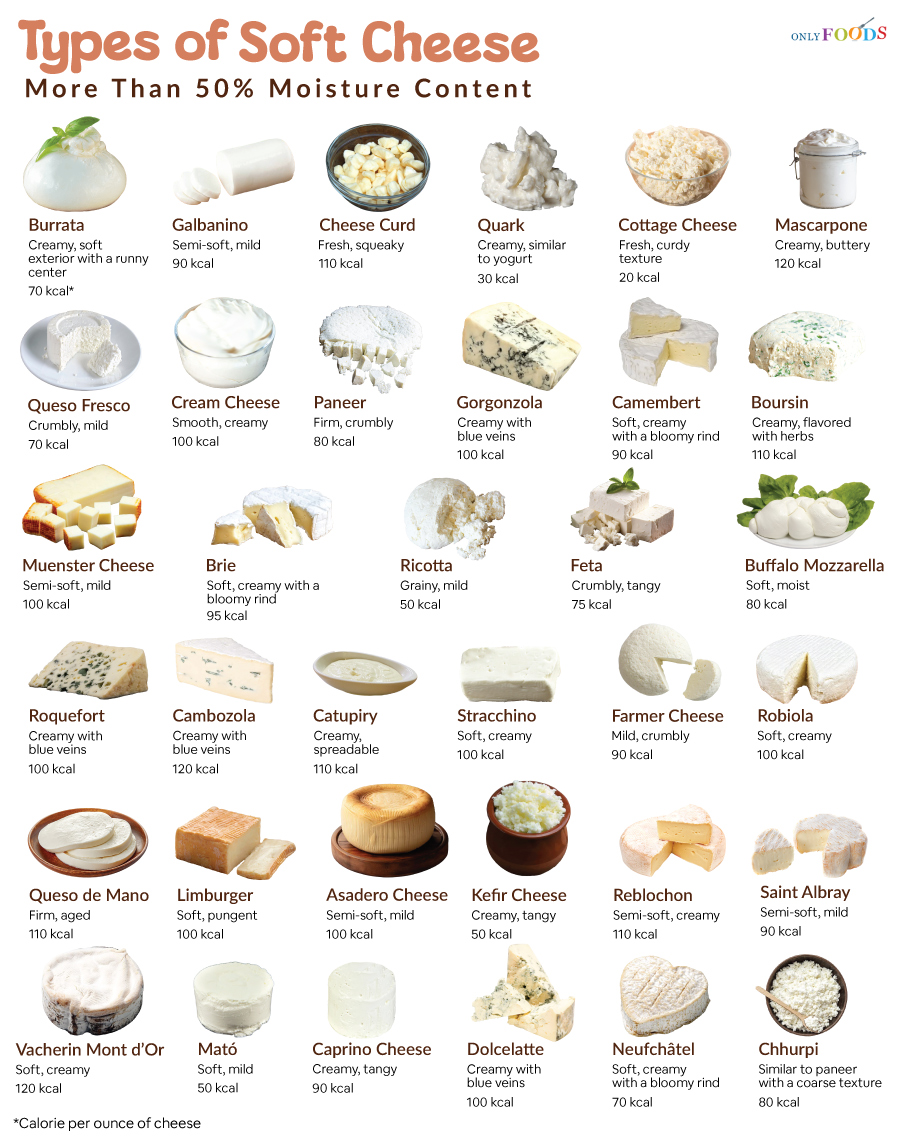
- Fresh Soft Cheeses: These cheeses are consumed soon after production, before any significant aging or rind development takes place. They are characterized by their high moisture content, mild, milky flavor, and often a slightly tangy profile. Examples include cream cheese, ricotta, mascarpone, and cottage cheese. Their texture is typically smooth, spreadable, or in the case of ricotta and cottage cheese, loosely curdled.
- Bloomy Rind Soft Cheeses: These are perhaps the most iconic soft cheeses. They are characterized by a soft, edible white rind that develops from the mold Penicillium camemberti (or Penicillium candidum). This mold is introduced to the surface of the cheese, where it grows, creating the characteristic fuzzy white bloom. During ripening, the mold enzymes break down proteins and fats, transforming the interior of the cheese into a luscious, runny, and often buttery paste. Brie and Camembert are the quintessential examples. The rind plays an active role in the cheese’s maturation, contributing to its complex flavor and aroma.
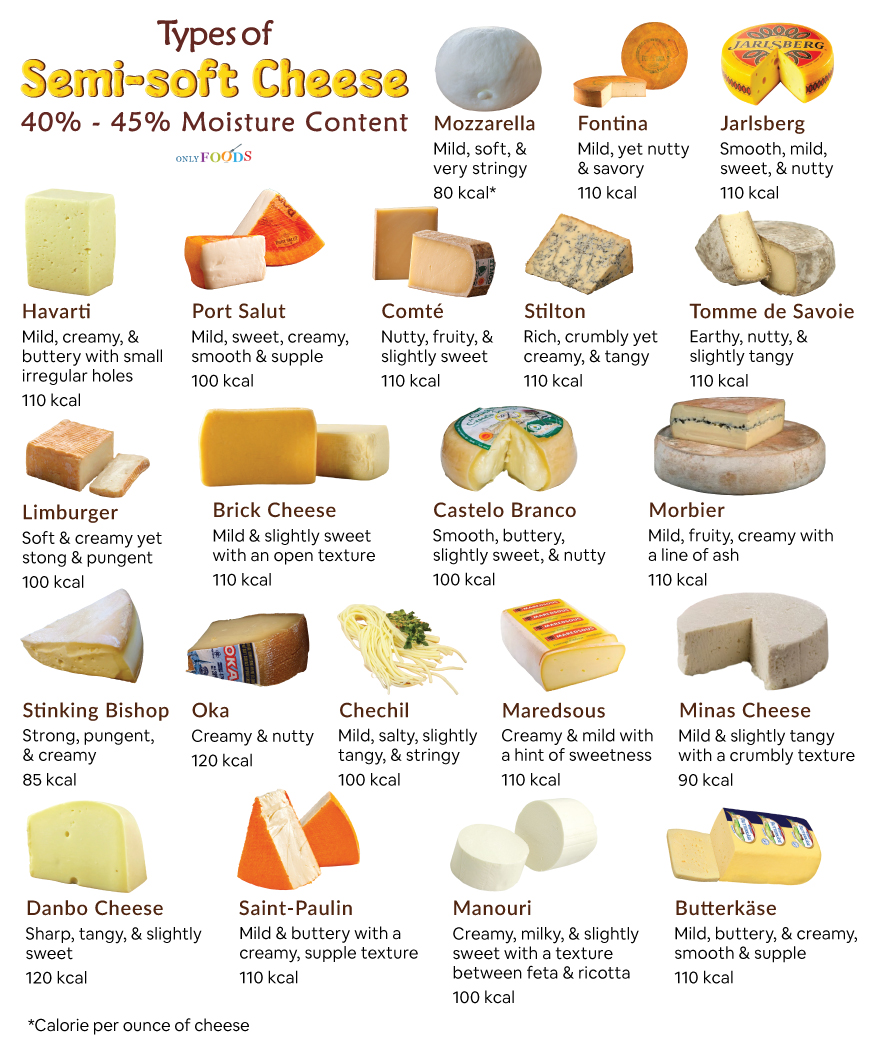
- Washed Rind Soft Cheeses: In this category, the surface of the cheese is regularly washed with brine, beer, wine, or spirits during the aging process. This encourages the growth of specific bacteria (like Brevibacterium linens) that impart a pungent aroma and a distinctive orange or reddish hue to the rind. The interior remains soft and creamy, but the washed rind introduces a bolder, often savory or “funky” flavor profile. Examples include Époisses, Taleggio, and Limburger (though Limburger can also be considered semi-soft). The washing process inhibits the growth of the bloomy rind molds, allowing these specific bacteria to flourish.
The Diverse Landscape of Soft Cheeses: A Global Tour
The world of soft cheese is incredibly rich and varied, with each type offering a unique sensory experience. From the mild creaminess of a fresh cheese to the complex tang of a well-aged bloomy rind, there’s a soft cheese to suit every palate and occasion.
Familiar Favorites: The Hallmarks of Soft Cheese
Several soft cheeses have achieved global recognition due to their deliciousness and versatility. These are often the gateway cheeses for those new to the category.
- Brie: Hailing from France, Brie is a quintessential bloomy rind cheese. It typically has a smooth, buttery interior that becomes increasingly gooey and runny as it ripens. Its flavor is mild, creamy, and often exhibits subtle notes of mushroom and earthiness, especially near the rind. It’s excellent served at room temperature with crackers, fruit, or a drizzle of honey.
- Camembert: Also from France, Camembert is closely related to Brie but is often made in smaller rounds. It tends to have a more robust flavor profile than Brie, with a more pronounced earthy and mushroom-like taste. Its texture is also very creamy and can become quite liquid when ripe.
- Cream Cheese: A staple in kitchens worldwide, cream cheese is a fresh, unripened soft cheese. Made from milk and cream, it has a smooth, spreadable texture and a mild, slightly tangy flavor. It’s a cornerstone of bagels, cheesecakes, dips, and countless baked goods. Its simplicity allows it to be a versatile ingredient in both sweet and savory dishes.
- Chèvre (Goat Cheese): This is a broad term encompassing various fresh and aged soft cheeses made from goat’s milk. Fresh chèvre is often crumbly and tangy, with a distinctly bright, lemony flavor. As it ages, it can become creamier and develop a more complex, earthy profile. It’s fantastic on salads, as a spread on bread, or baked into tarts.
- Ricotta: An Italian whey cheese, ricotta is traditionally made from the whey leftover from the production of other cheeses (like mozzarella or provolone). It has a light, slightly grainy texture and a mild, milky, and subtly sweet flavor. It’s commonly used in lasagnas, cannoli, and other Italian desserts and savory dishes. While often considered fresh, some ricotta can be drained further to create a firmer, semi-soft cheese.
- Mascarpone: Another Italian delight, mascarpone is an extremely rich and creamy soft cheese made from heavy cream that has been acidified and then thickened. It has a very smooth, velvety texture and a sweet, buttery flavor with a hint of tang. It’s the star ingredient in tiramisu and is also used in various desserts and sauces.
Beyond the Classics: Exploring the Wider World of Soft Cheese
The soft cheese universe extends far beyond these well-known examples. Exploring regional specialties and artisanal creations reveals a remarkable diversity of flavors, textures, and appearances.
- Feta: While often categorized as semi-soft, feta, especially when young, can possess a crumbly yet creamy texture and a briny, tangy flavor. Traditionally made from sheep’s milk or a mixture of sheep and goat’s milk, it’s a staple in Mediterranean cuisine, adding a salty punch to salads, pastries, and grilled dishes.
- Mozzarella (Fresh): The soft, delicate fresh mozzarella balls, often packed in brine or whey, are a world away from their low-moisture, shredded counterparts. They have a mild, milky, and slightly elastic texture, perfect for Caprese salads, pizzas, and antipasto platters.
- Paneer: An Indian fresh cheese, paneer is unripened and does not melt when heated, making it unique among soft cheeses. It is made by curdling milk with an acid like lemon juice or vinegar, then pressing the curds. It has a firm yet slightly crumbly texture and a mild, milky flavor, commonly used in curries and grilled dishes.
- Burrata: This exquisite Italian cheese is a variation of fresh mozzarella. It consists of an outer shell of mozzarella filled with a mixture of stracciatella (shredded mozzarella) and cream. When cut open, the luscious, creamy interior spills out, offering an unparalleled richness.
- Taleggio: An Italian washed-rind soft cheese, Taleggio boasts a distinctive pungent aroma and a semi-soft, creamy paste. Its flavor is robust and slightly fruity with a savory tang, making it a popular choice for cheese boards and melting.
- Époisses: From Burgundy, France, Époisses is a famously pungent washed-rind cheese. Its rind is washed with Marc de Bourgogne (a local brandy), contributing to its powerful aroma and complex, savory, and slightly spicy flavor. The interior is unctuous and melt-in-your-mouth.
The Versatility of Soft Cheese: From Appetizers to Desserts
The defining characteristic of soft cheese, beyond its texture, is its incredible adaptability in the culinary world. Its inherent creaminess, spreadability, and diverse flavor profiles allow it to shine in a multitude of dishes, both sweet and savory.
Savory Applications: Elevating Everyday Meals
Soft cheeses are a chef’s and home cook’s best friend when it comes to adding richness, flavor, and moisture to savory dishes.
- Spreads and Dips: The quintessential use for many fresh soft cheeses like cream cheese, chèvre, and ricotta is as spreads for bread, crackers, and bagels, or as the base for dips. Blended with herbs, spices, vegetables, or seafood, they transform into flavorful accompaniments for gatherings.
- Salads: Crumbled feta, dollops of goat cheese, or shavings of a ripe Brie can instantly elevate a simple salad into a gourmet experience. Their creamy texture and distinctive flavors provide a welcome contrast to crisp greens and other salad components.
- Sauces and Fillings: Ricotta and mascarpone are foundational to many Italian pasta dishes, lasagnas, and stuffed shells, providing a creamy, mild base. Cream cheese is often incorporated into savory sauces for chicken, fish, or pasta, lending a luxurious richness. Bloomy rind cheeses like Brie can be melted into sauces, adding depth and a subtle nutty flavor.
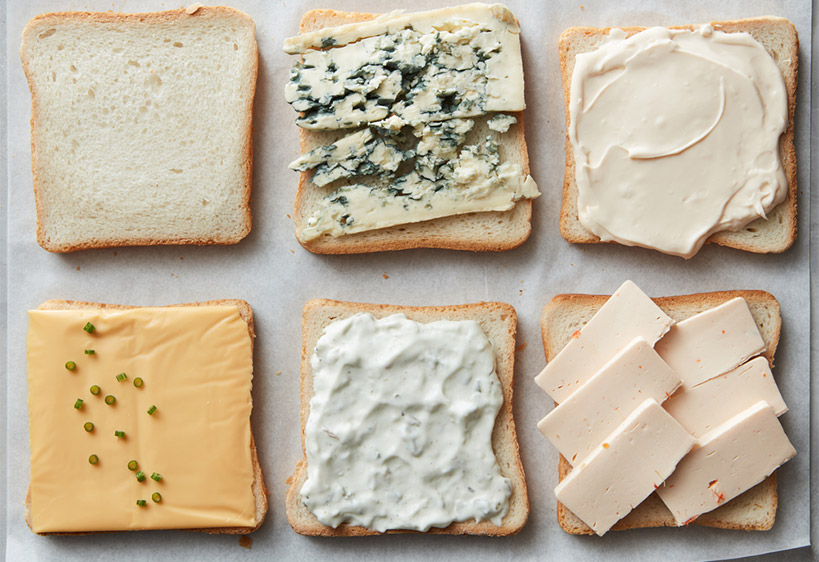
- Toppings and Garnishes: A warm, melted Brie or Camembert served as a baked appetizer is a classic for a reason. Soft cheeses are also excellent as pizza toppings, folded into omelets, or spread on sandwiches and wraps for an extra layer of flavor and creaminess.
- Grilling and Baking: Firm fresh cheeses like paneer can be cubed and grilled or fried, absorbing marinades beautifully. Even milder soft cheeses can be used to create gratins or to top baked dishes, adding a golden, bubbly finish.
Sweet Endings: The Dessert Drawer of Soft Cheese
While often associated with savory applications, soft cheeses also play a starring role in the world of desserts, adding unexpected complexity and luxurious texture.
- Cheesecakes: Cream cheese is the undisputed king of classic American cheesecakes, providing its signature tang and dense, creamy texture. Mascarpone is the essential ingredient in Italian tiramisu, contributing its unparalleled richness and smooth consistency.
- Pastries and Tarts: Ricotta is a traditional filling for Italian cannoli and is also used in tarts and pastries, offering a lighter, less dense alternative to cream cheese. Even mild goat cheeses can be incorporated into sweet tarts, providing a subtle tang that balances sweetness.
- Fruit Pairings: The natural affinity between soft cheeses and fruit is undeniable. The creaminess of Brie or Camembert pairs wonderfully with baked apples or pears. The tang of goat cheese is a perfect counterpoint to berries or figs. Even a simple dollop of ricotta with honey and nuts can be a delightful dessert.
- Ice Cream and Sorbet Bases: Some artisanal ice cream makers are experimenting with using soft cheeses, particularly mascarpone and cream cheese, as bases for their frozen creations, adding a unique richness and subtle tang.
In conclusion, “What is soft cheese?” is a question that opens the door to a vast and delicious world. It’s a category defined by its yielding texture, high moisture content, and remarkable adaptability. From the fresh and mild to the pungent and complex, soft cheeses offer an incredible range of flavors and culinary possibilities, making them an indispensable part of global cuisine. Their journey from milk to table is a testament to both scientific precision and artistic flair, culminating in a product that delights the senses and enhances countless dishes.
aViewFromTheCave is a participant in the Amazon Services LLC Associates Program, an affiliate advertising program designed to provide a means for sites to earn advertising fees by advertising and linking to Amazon.com. Amazon, the Amazon logo, AmazonSupply, and the AmazonSupply logo are trademarks of Amazon.com, Inc. or its affiliates. As an Amazon Associate we earn affiliate commissions from qualifying purchases.