
In an increasingly interconnected world, where digital interactions form the backbone of commerce, communication, and daily life, the assurance of security and trust is paramount. Every click, every data exchange, and every online transaction hinges on the invisible safeguards that protect sensitive information from malicious actors. At the heart of this digital trust ecosystem stands Sectigo, a global leader in web security solutions. Formerly known as Comodo CA, Sectigo has cemented its position as one of the largest and most trusted Certificate Authorities (CAs) in the world. But what exactly is Sectigo, and what critical role does it play in securing our digital lives?
Sectigo is a cybersecurity company that provides a comprehensive suite of digital identity and web security solutions. Its primary offerings revolve around Public Key Infrastructure (PKI), which enables secure communication and data encryption over the internet. From securing websites with SSL/TLS certificates to authenticating software, users, and IoT devices, Sectigo’s technologies are foundational to building and maintaining trust in the digital realm. It’s not just a provider of certificates; it’s an architect of digital trust, offering the tools and infrastructure necessary for businesses and individuals to operate securely online. Understanding Sectigo means understanding a crucial pillar of modern digital security.
The Foundation of Digital Trust: Understanding Sectigo’s Core Mission
Sectigo’s existence is predicated on a fundamental need: to establish and verify digital trust. In an environment where identities can be spoofed, data intercepted, and communications tampered with, a robust mechanism for assurance is indispensable. Sectigo fulfills this role by acting as a trusted third party that issues digital certificates, vouching for the authenticity of websites, software, and devices.
A Legacy of Digital Security
Sectigo’s journey began with its predecessor, Comodo CA, which was established in 1998. Over two decades, the company evolved, adapting to the ever-changing landscape of cyber threats and technological advancements. The rebranding to Sectigo in 2018 marked a strategic shift to emphasize its broader commitment to digital security beyond its traditional role as a Certificate Authority. This transformation reflected an expansion of its product portfolio and a renewed focus on enterprise-grade solutions for identity management and automation. Today, Sectigo boasts an impressive track record, having issued millions of certificates and securing countless websites and applications across the globe. Its legacy is built on a commitment to innovation, reliability, and unparalleled expertise in PKI and encryption technologies.
The Imperative of Online Trust
In the digital age, trust is the ultimate currency. Consumers need to trust that the websites they visit are legitimate and secure. Businesses need to trust that their communications are private and their software is untampered. And developers need to trust that their code will be accepted as authentic. Without this trust, the internet as we know it—a vibrant marketplace of ideas and commerce—would crumble. Sectigo addresses this imperative by providing verifiable digital identities. By issuing certificates that bind an entity’s identity to a cryptographic key pair, Sectigo enables encrypted connections, authenticates identities, and ensures data integrity. This fosters confidence among users, facilitates secure transactions, and underpins the entire fabric of the digital economy.
Sectigo’s Comprehensive Suite of Digital Security Solutions
While widely recognized for its SSL/TLS certificates, Sectigo’s offerings extend far beyond securing web traffic. The company provides a robust portfolio of solutions designed to address various facets of digital security and identity management across diverse platforms and use cases.
SSL/TLS Certificates: The Cornerstone of Secure Web Communication
SSL/TLS (Secure Sockets Layer/Transport Layer Security) certificates are the most visible and widely adopted of Sectigo’s products. These digital certificates are essential for encrypting communication between a user’s browser and a website, preventing eavesdropping and data tampering. When you see “HTTPS” in your browser’s address bar and a padlock icon, it signifies that the website is secured by an SSL/TLS certificate, often issued by a trusted CA like Sectigo.
- Domain Validation (DV) Certificates: These are the most basic and quickest to obtain, requiring only verification of domain ownership. They are suitable for personal websites, blogs, and internal applications where basic encryption is sufficient.
- Organization Validation (OV) Certificates: Requiring a more rigorous validation process that verifies the legitimacy of the organization behind the domain, OV certificates provide a higher level of assurance. They are ideal for business websites, e-commerce sites, and public-facing corporate pages, displaying company information in the certificate details.
- Extended Validation (EV) Certificates: EV certificates offer the highest level of trust and security. They involve a stringent vetting process to confirm the legal, operational, and physical existence of the organization. Historically, these displayed the organization’s name prominently in the browser’s address bar (though this visual cue has evolved in modern browsers, the underlying trust remains). EV certificates are crucial for financial institutions, large enterprises, and e-commerce platforms handling highly sensitive data.
- Wildcard and Multi-Domain Certificates: Sectigo also offers flexible options like Wildcard SSL certificates, which secure a primary domain and all its subdomains with a single certificate, and Multi-Domain (SAN) certificates, which can secure multiple distinct domain names under one certificate. These provide efficiency and cost-effectiveness for organizations managing complex web infrastructures.
Beyond SSL: Expanding the Security Perimeter
Sectigo’s commitment to digital security extends to a variety of other critical areas, safeguarding different digital assets and interactions.
- Code Signing Certificates: These certificates are used by software developers to digitally sign their applications, scripts, and executable files. This signature verifies the authenticity of the software’s publisher and guarantees that the code has not been altered or corrupted since it was signed. This is vital for preventing malware distribution and building trust in software downloads.
- Email Security (S/MIME Certificates): S/MIME (Secure/Multipurpose Internet Mail Extensions) certificates enable secure email communication by providing encryption and digital signatures. They ensure that emails are only readable by the intended recipient (encryption) and verify the sender’s identity, preventing phishing and ensuring message integrity.
- IoT Device Security: With the proliferation of IoT devices, securing these endpoints has become a significant challenge. Sectigo provides specialized PKI solutions for IoT, enabling device authentication, data encryption, and secure updates, which are critical for protecting smart devices from compromise and ensuring the integrity of IoT ecosystems.
- Managed PKI (Public Key Infrastructure): For large enterprises, managing countless digital certificates across various systems can be a complex and resource-intensive task. Sectigo’s Managed PKI solutions offer centralized control and automation for issuing, renewing, and revoking certificates, streamlining certificate lifecycle management and reducing the risk of outages due to expired certificates.
- Website Security Platform: Beyond certificates, Sectigo offers a comprehensive web security platform that includes malware scanning, website firewalls (WAF), content delivery networks (CDN), and vulnerability assessment tools. These services work in concert with SSL/TLS to provide layered protection against a wide range of web-based threats, ensuring website availability and performance while blocking malicious attacks.
Why Sectigo Matters in Today’s Digital Landscape
Sectigo’s contributions are not merely technical; they are foundational to the operational integrity and trustworthiness of the internet itself. In an era rife with cyber threats, data breaches, and identity theft, the services provided by Sectigo are more critical than ever.
Protecting Data Integrity and Confidentiality
At its core, Sectigo’s technologies protect the integrity and confidentiality of data. SSL/TLS encryption ensures that sensitive information—whether credit card numbers, personal data, or confidential business communications—remains private as it travels across networks. Without this encryption, data would be vulnerable to interception by malicious actors, leading to severe financial and reputational damage. By safeguarding data in transit, Sectigo helps organizations meet privacy regulations and maintain customer trust.
Ensuring Authenticity and Non-Repudiation
Sectigo’s certificates also play a crucial role in establishing authenticity. When a website presents an SSL certificate issued by Sectigo, users can be confident that they are interacting with the legitimate entity they intended, rather than a phishing site. Similarly, code signing certificates ensure that software comes from a verified publisher and has not been tampered with. This ability to verify identity and confirm the integrity of digital assets provides non-repudiation—meaning the sender or creator cannot deny the origin or integrity of their digital content.
Building User Confidence and Brand Reputation
In the competitive digital marketplace, user confidence is a significant differentiator. Websites displaying a secure connection (HTTPS) and providing verifiable digital identities through OV or EV certificates signal to users that their security is taken seriously. This translates into higher user engagement, reduced bounce rates, and increased conversion rates, especially for e-commerce and financial services. By partnering with a globally recognized and trusted Certificate Authority like Sectigo, businesses enhance their brand reputation, fostering a sense of reliability and professionalism that is invaluable in attracting and retaining customers.
Compliance and Regulatory Adherence
Many industry standards and governmental regulations mandate specific security measures for handling sensitive data. For example, the Payment Card Industry Data Security Standard (PCI DSS) requires the use of strong cryptography, including SSL/TLS, for payment processing. Similarly, GDPR, HIPAA, and other data protection laws often necessitate encryption and strong authentication to protect personal and health information. Sectigo’s comprehensive suite of products helps organizations meet these stringent compliance requirements, mitigating legal risks and avoiding costly penalties associated with data breaches and non-compliance.
The Technology Behind Sectigo’s Offerings
Sectigo’s capabilities are rooted in advanced cryptographic principles and robust infrastructure, designed for resilience, scalability, and uncompromising security.
Cryptography and Public Key Infrastructure (PKI)
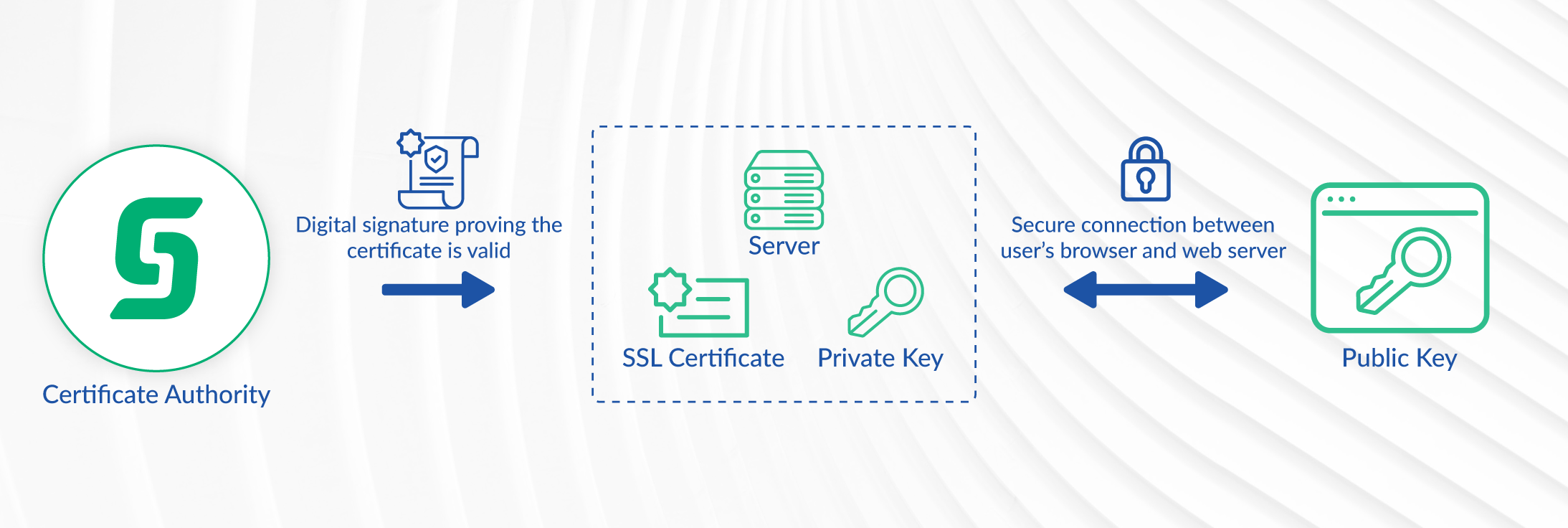
The fundamental technology underpinning Sectigo’s services is Public Key Infrastructure (PKI). PKI is a set of roles, policies, and procedures needed to create, manage, distribute, use, store, and revoke digital certificates and manage public-key encryption. At its core, PKI relies on asymmetric cryptography, using a pair of keys—a public key and a private key. The public key can encrypt data that only the corresponding private key can decrypt, and vice versa. Sectigo acts as a Certificate Authority (CA) within this PKI framework, issuing digital certificates that bind a public key to an identified entity (like a website or organization) and verifying its identity. This system ensures secure and trusted digital communication.
Certificate Authority (CA) Operations
As a Certificate Authority, Sectigo performs several critical functions:
- Identity Verification: Sectigo rigorously verifies the identity of certificate applicants, ranging from automated domain checks for DV certificates to extensive organizational vetting for OV and EV certificates. This process ensures that only legitimate entities receive certificates.
- Certificate Issuance: Once verified, Sectigo generates and digitally signs the certificate using its own private key, making the certificate tamper-proof and verifiable by browsers and applications that trust Sectigo’s root certificates.
- Certificate Revocation: In cases where a certificate’s private key is compromised, or the associated entity is no longer legitimate, Sectigo maintains Certificate Revocation Lists (CRLs) and uses the Online Certificate Status Protocol (OCSP) to inform browsers and applications that a certificate is no longer trustworthy.
- Root and Intermediate Certificates: Sectigo operates a hierarchical PKI, with highly secured root certificates at the top, chained down to intermediate certificates, and finally to the end-entity certificates issued to customers. This structure allows for secure delegation and management while maintaining the trust of the widely distributed root certificates embedded in operating systems and browsers.
Automation and Management Platforms
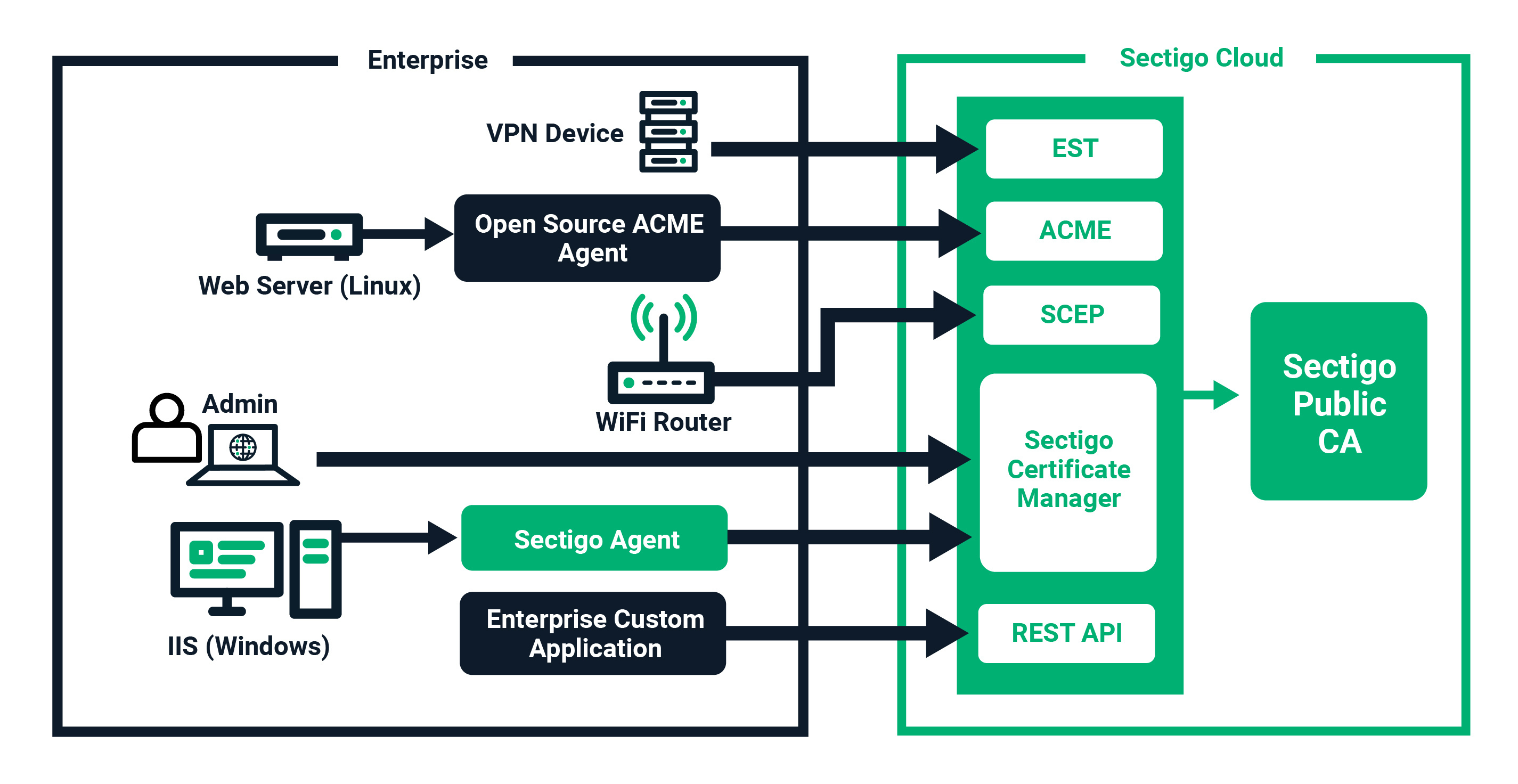
Recognizing the challenges organizations face in managing a large volume of certificates, Sectigo invests heavily in automation and management platforms. Its Certificate Manager, for instance, provides a centralized dashboard for IT and security teams to discover, issue, renew, and revoke certificates across their entire infrastructure. This automation reduces manual errors, prevents certificate expiration outages, and ensures continuous compliance with security policies, thereby enhancing operational efficiency and overall security posture.
Choosing Sectigo: Benefits for Businesses and Developers
For businesses, developers, and IT professionals, partnering with Sectigo offers distinct advantages that go beyond simply acquiring a certificate.
Global Reach and Reliability
Sectigo is a globally recognized and trusted brand in the cybersecurity industry. Its certificates are trusted by virtually all major browsers, operating systems, and applications worldwide, ensuring seamless and secure connections for a global audience. The company’s robust infrastructure and extensive network of partners ensure high availability and reliability for its services.
Scalability and Flexibility
From individual developers needing a single SSL certificate to large enterprises requiring comprehensive PKI management for thousands of devices and applications, Sectigo offers scalable solutions. Its diverse product range and flexible management platforms allow organizations to tailor their security posture to their specific needs and scale as they grow, without compromising on security or efficiency.
Expertise and Support
Sectigo’s team comprises world-class experts in cryptography, PKI, and cybersecurity. This deep technical expertise translates into robust security solutions and responsive customer support. Businesses and developers can rely on Sectigo for guidance, troubleshooting, and strategic advice on their digital security challenges, ensuring they can implement and maintain effective security measures with confidence.
Conclusion: Sectigo’s Enduring Role in a Secure Digital Future
Sectigo is far more than just a provider of SSL certificates; it is a critical enabler of digital trust, playing an indispensable role in securing the internet and the digital interactions that define our modern world. Through its comprehensive suite of digital identity and web security solutions, powered by advanced PKI technology, Sectigo protects data integrity, ensures authenticity, builds user confidence, and facilitates compliance. As cyber threats continue to evolve and the digital landscape grows more complex, Sectigo’s commitment to innovation and its foundational mission of fostering digital trust will remain paramount, safeguarding our journey into an increasingly interconnected future.
aViewFromTheCave is a participant in the Amazon Services LLC Associates Program, an affiliate advertising program designed to provide a means for sites to earn advertising fees by advertising and linking to Amazon.com. Amazon, the Amazon logo, AmazonSupply, and the AmazonSupply logo are trademarks of Amazon.com, Inc. or its affiliates. As an Amazon Associate we earn affiliate commissions from qualifying purchases.