
In the landscape of modern education, the acronyms SAT and ACT have long stood as the gatekeepers to higher education. Traditionally viewed through the lens of pencils, bubble sheets, and high-stakes anxiety, these assessments have undergone a radical transformation. Today, to ask “what is the SAT or ACT” is no longer a question of academic content alone; it is a question about the intersection of psychometrics, adaptive software architecture, and the rapidly evolving EdTech ecosystem. As the College Board and ACT Inc. pivot toward fully digital frameworks, these tests have become some of the most sophisticated pieces of assessment technology in the world.
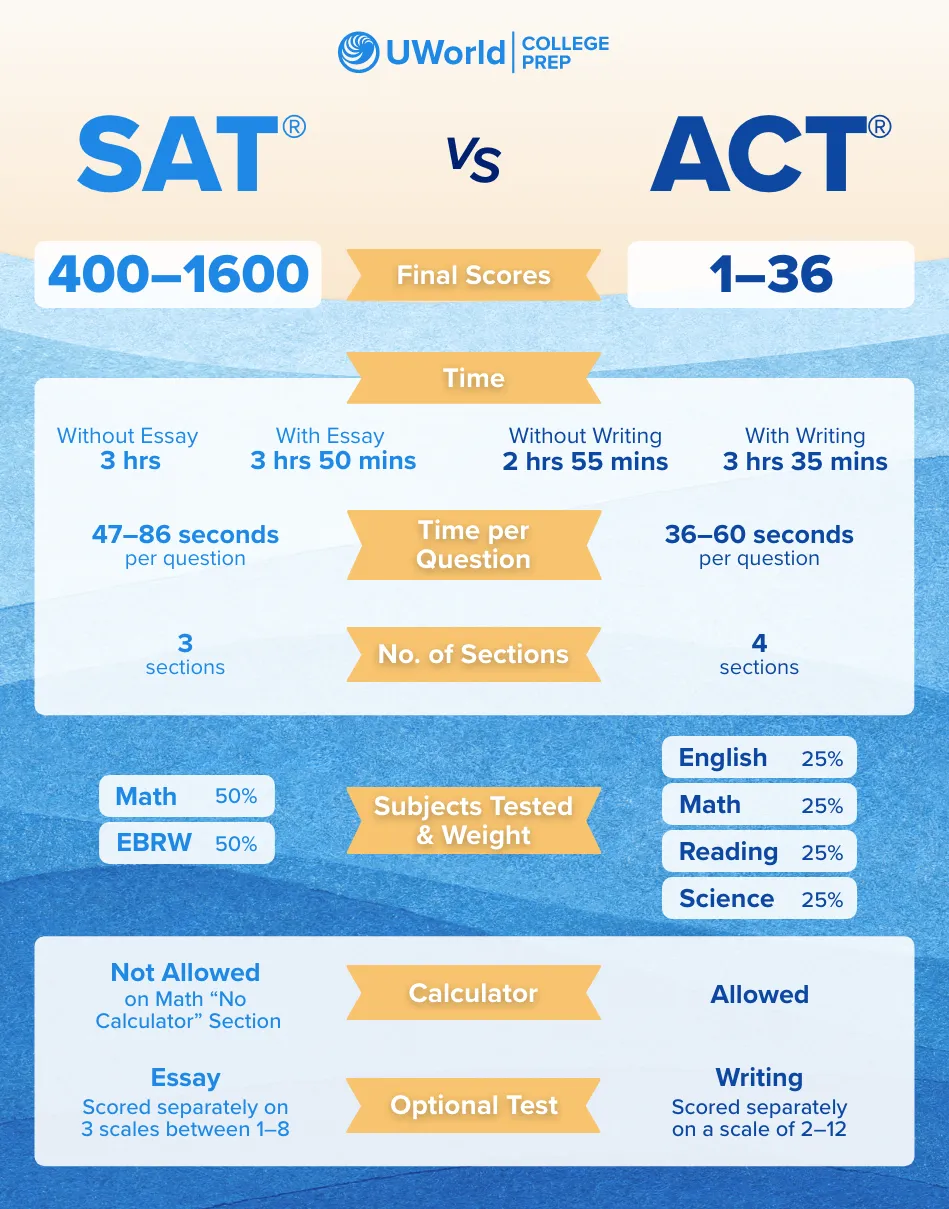
The Evolution of Assessment: From Paper to Adaptive Software
The most significant shift in the history of standardized testing is the transition from static, linear paper exams to dynamic, digital platforms. This shift is not merely a change in medium; it is a fundamental re-engineering of how human intelligence is measured through code.
The Digital SAT (DSAT) and the Bluebook Architecture
In 2024, the SAT completed its transition to a fully digital format. The backbone of this transition is “Bluebook,” a proprietary testing application designed to run on a variety of devices, from managed school laptops to personal iPads. Unlike a simple PDF or an online form, Bluebook is a specialized environment that manages local data encryption, ensures offline resiliency (allowing a student to continue testing even if the Wi-Fi drops), and integrates built-in technological tools like the Desmos graphing calculator. This move represents a shift toward “Assessment as a Service” (AaaS), where the software environment is as critical as the questions themselves.
Multi-Stage Adaptive Testing (MST) Algorithms
The most technologically advanced feature of the new SAT is Multi-Stage Adaptive Testing (MST). In the old paper-and-pencil era, every student received the same set of questions regardless of their ability. The digital SAT utilizes a sophisticated algorithm that adapts the difficulty of the second module based on the student’s performance in the first. If a student performs well in the initial “routing” module, the software serves a more challenging second module. This algorithmic approach allows the test to be shorter—dropping from three hours to roughly two—while maintaining a higher degree of precision in measuring a student’s “theta” (ability level) through Item Response Theory (IRT).
EdTech Integration and the AI-Driven Prep Ecosystem
As the tests have become more digital, the industry surrounding them has transformed into a multi-billion dollar EdTech sector. The “SAT/ACT” is no longer just a Saturday morning event; it is the center of a massive technological web that includes AI tutors, data analytics, and personalized learning paths.
Machine Learning in Score Prediction and Analytics
Modern test preparation has moved beyond the textbook. Platforms like Khan Academy (the official partner of the College Board) use machine learning algorithms to analyze thousands of data points from a student’s practice sessions. These systems identify granular “skill gaps”—not just “Math,” but specifically “linear equation systems in non-standard forms.” By using predictive analytics, these tools can forecast a student’s potential score on the actual SAT or ACT with remarkable accuracy, allowing for a highly optimized, data-driven study schedule that maximizes ROI on time spent.
The Role of Generative AI and LLMs in Tutoring
The rise of Large Language Models (LLMs) has revolutionized how students interact with SAT and ACT content. AI-integrated platforms now provide real-time, conversational feedback. If a student struggles with a complex reading passage on the ACT, an AI tutor can deconstruct the rhetorical structure of the text in real-time, providing personalized explanations that adapt to the student’s reading level. This represents a democratization of high-end tutoring technology, where a software interface provides the nuanced feedback previously only available through expensive private human instruction.

Digital Security, Integrity, and Data Privacy
When an assessment serves as a high-stakes metric for global university admissions, the technology securing that assessment must be enterprise-grade. The transition to digital testing has introduced new challenges in cybersecurity and digital integrity.
Lockdown Browser Technology and Encryption
To prevent cheating in a digital environment, the SAT and ACT utilize advanced “lockdown” technologies. When the testing app is active, it takes control of the device’s operating system, disabling background processes, screenshots, and external communication. Furthermore, the test content itself is never “on” the device in a readable format; it is delivered via encrypted packets that are decrypted only within the secure runtime of the application. This ensures that even if a device is stolen, the “item bank” (the repository of secret test questions) remains secure.
Data Privacy and the Ethics of Student Analytics
The digitalization of the SAT and ACT also means the collection of vast amounts of metadata. This includes “latency data”—the exact amount of time a student spends on a specific question. While this data is invaluable for psychometricians looking to improve test fairness and identify “speededness” issues, it also raises significant questions about data privacy. The technology must balance the need for rigorous psychometric data with the stringent requirements of student privacy laws like COPHY and GDPR. How these organizations store, anonymize, and utilize this “Big Data” is a central theme in the modern conversation about educational technology.
The Future of Testing: Remote Proctoring and Skills-Based Algorithms
As we look toward the next decade, the SAT and ACT are likely to evolve even further away from their 20th-century roots. The trajectory of these platforms points toward a future where “testing” is continuous, remote, and even more deeply integrated with AI.
The Shift Toward Remote and Distributed Testing
While the SAT and ACT currently require students to go to a physical testing center, the technology for secure remote proctoring is maturing. Using AI-driven gaze tracking, biometric authentication, and environmental scanning via webcam, future iterations of these tests could potentially be taken from home. This transition would require a massive infrastructure of cloud-based monitoring tools capable of processing millions of concurrent video feeds to detect “anomalous behavior” using computer vision.
Algorithmic Evaluation of Non-Cognitive Skills
There is an increasing technological push to measure more than just “math and reading.” Future versions of the SAT and ACT platforms may integrate “game-based” assessments or simulations that measure problem-solving speed, resilience, and collaborative logic. These tasks are difficult to grade on paper but are easily captured by sophisticated software that tracks every click, hover, and decision a student makes. In this sense, the SAT/ACT of the future may look less like a test and more like a high-fidelity simulation of academic challenges.

Conclusion
The SAT and ACT are often discussed in the context of admissions policy, but their true identity in the 21st century is that of a massive, global technological deployment. From the multi-stage adaptive algorithms that calculate student ability to the AI-driven ecosystems that support preparation, these tests represent the cutting edge of educational technology. As they continue to evolve, they will not only measure student readiness but also push the boundaries of what is possible in digital security, data analytics, and personalized learning software. Understanding “what is the SAT/ACT” today requires an appreciation for the silicon and code that now define the path to higher education.
aViewFromTheCave is a participant in the Amazon Services LLC Associates Program, an affiliate advertising program designed to provide a means for sites to earn advertising fees by advertising and linking to Amazon.com. Amazon, the Amazon logo, AmazonSupply, and the AmazonSupply logo are trademarks of Amazon.com, Inc. or its affiliates. As an Amazon Associate we earn affiliate commissions from qualifying purchases.