
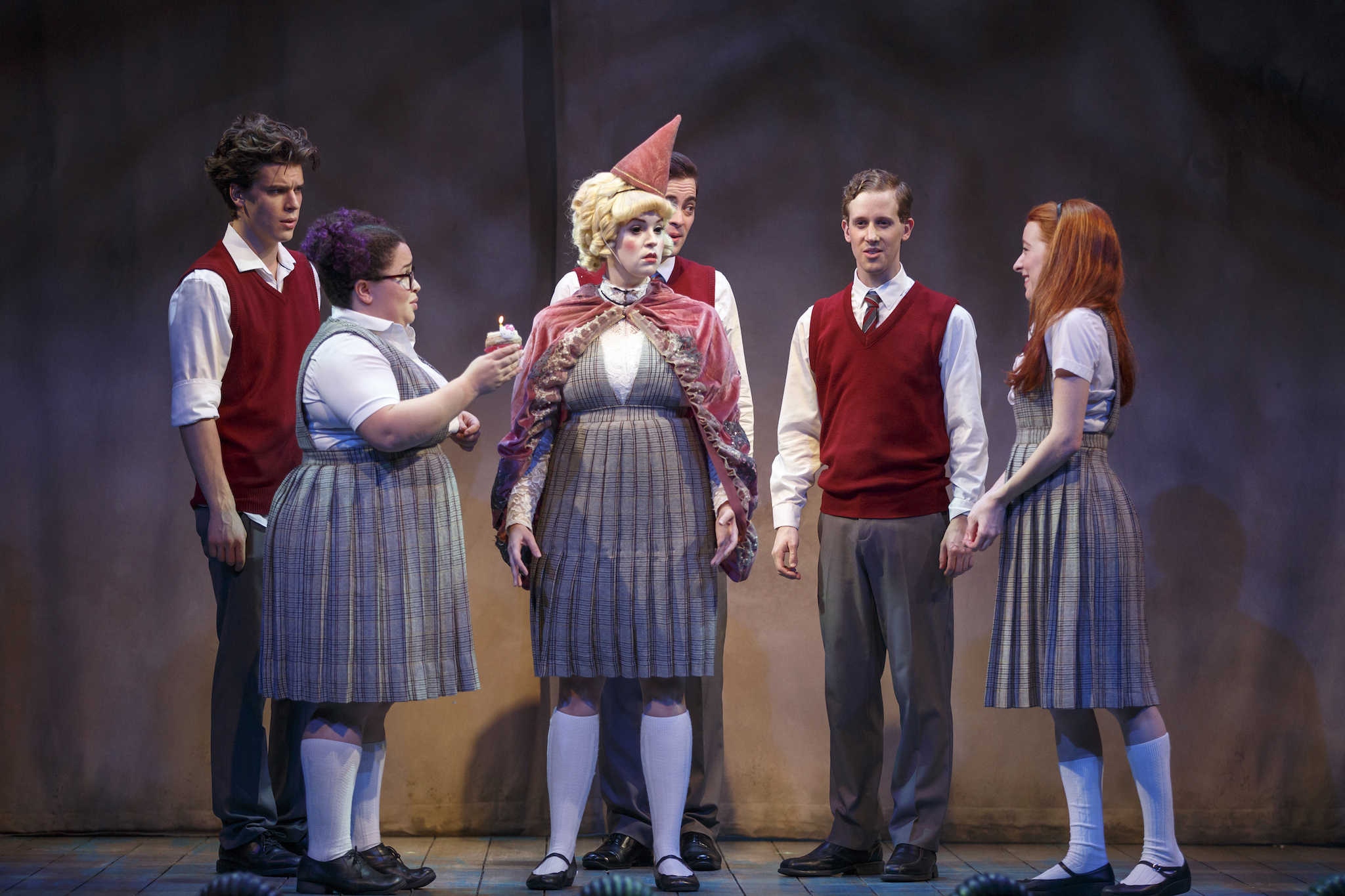
In the world of contemporary theater, few properties have achieved the specialized “cult” status of Ride the Cyclone. To the casual observer, it is a musical about six teenagers who perish in a freak roller coaster accident and must compete in a purgatorial game show for the chance to return to life. However, from a professional branding perspective, Ride the Cyclone is much more than a narrative; it is a masterclass in niche brand positioning, identity construction, and community-driven marketing strategy.
While the play’s plot explores themes of mortality and legacy, its commercial trajectory explores how a brand can transcend its original medium. By analyzing the “What is Ride the Cyclone about?” question through a branding lens, we uncover the strategies that allowed a small Canadian production to evolve into a global intellectual property (IP) with a fiercely loyal following.
Building a Unique Brand Identity in a Crowded Market
The entertainment industry is one of the most saturated markets in the world. For a new theatrical brand to survive, it must possess a Unique Value Proposition (UVP) that distinguishes it from established giants like Disney or Andrew Lloyd Webber. Ride the Cyclone achieved this through a highly specific and meticulously crafted brand identity.
Defining the Aesthetic: Gothic Whimsy meets Existentialism
A brand’s visual and tonal identity is its first point of contact with an audience. Ride the Cyclone occupies a unique “brand space” that can be described as “Gothic Whimsy.” By blending the macabre (death, the mechanical fortune teller Karnak) with the absurd and the comedic, the brand created a visual shorthand that is instantly recognizable. This aesthetic consistency—utilizing steampunk elements, carnival motifs, and a muted, eerie color palette—functions similarly to how a corporate brand uses a specific logo or font. It signals to the consumer exactly what kind of experience they are in for: something dark, intellectual, yet highly entertaining.
The Power of Narrative Positioning
From a branding standpoint, narrative positioning is about how you frame your story to solve a “problem” for the consumer. The problem Ride the Cyclone solved was the lack of sophisticated, edgy content for the “theater kid” demographic that felt both modern and timeless. By positioning itself as an existential cabaret rather than a traditional linear musical, the brand appealed to a more discerning, internet-savvy audience. This positioning allowed the show to move away from the “all-ages” genericism of many Broadway shows, instead leaning into a specific, high-intent niche.
Digital Strategy and the Virality of the “Niche”
One cannot discuss the brand of Ride the Cyclone without acknowledging its explosion on digital platforms. Long after its initial off-Broadway run, the brand saw a massive resurgence, proving that a well-built brand can remain dormant until it finds the right digital catalyst.
Leveraging TikTok and Social Sentiment
The “Brand Awareness” phase for Ride the Cyclone didn’t happen through traditional billboards or television spots. Instead, it occurred through organic user-generated content (UGC). Clips of specific songs, most notably “The Ballad of Jane Doe,” became viral sensations on TikTok and YouTube.
From a marketing strategy perspective, this is a prime example of “modular branding.” The show consists of distinct, character-driven vignettes that are easily “clipped” into short-form video content. Each character represents a different “archetype” or “brand personality”—the overachiever, the rebel, the romantic—making it easy for social media users to identify with and share specific segments. This digital-first visibility turned a niche stage play into a global digital brand.
Cultivating Community through Fan-Led Marketing
Modern brand strategy often emphasizes the shift from “consumers” to “communities.” Ride the Cyclone boasts a community that is actively involved in the brand’s expansion. Through fan art, cover songs, and deep-dive lore videos, the audience has become an extension of the brand’s marketing department. This level of engagement is the ultimate goal for any brand; it creates brand equity that is self-sustaining. The “Ride the Cyclone” brand isn’t just something people watch; it’s something they participate in, ensuring a level of loyalty that traditional advertising cannot buy.

Brand Longevity: From Regional Stage to Global Intellectual Property
What is Ride the Cyclone about in the long term? It is about the transition from a single product (a stage show) to a scalable brand IP. This transition is critical for any creative brand looking to achieve financial and cultural longevity.
The Economics of Licensing and Merchandise
A significant part of the Ride the Cyclone brand strategy involves its licensing model. By making the show available for regional and high school productions, the brand owners have ensured that the IP is constantly being refreshed and introduced to new audiences. Each new production acts as a “brand activation,” localized for a specific community while maintaining the core identity of the original work. Furthermore, the development of merchandise—from cast recordings to apparel—allows fans to physically manifest their brand loyalty, creating additional revenue streams and increasing brand visibility in the real world.
Maintaining Consistency Across Different Productions
The challenge of a licensed brand is maintaining “brand integrity.” Whether Ride the Cyclone is being performed in a professional theater in Chicago or a community center in London, the core brand pillars—the character of Karnak, the “game” structure, and the specific musical styles—must remain consistent. The creators have managed this by providing a “brand bible” in the form of the script and score that dictates the essential elements while allowing for creative interpretation. This balance of consistency and flexibility is what allows a brand to scale globally without losing its soul.
Lessons for Modern Brand Managers
The success of Ride the Cyclone offers several key takeaways for brand managers and marketers across all industries. It proves that being “everything to everyone” is often a recipe for mediocrity, while being “everything to someone” is a recipe for a cult phenomenon.
Embracing the “Odd” to Stand Out
In the world of corporate branding, there is often a fear of being too “weird” or “niche.” However, Ride the Cyclone demonstrates that leaning into your most unique and even polarizing traits can be your greatest competitive advantage. The show’s darker elements and unconventional structure are exactly what made it stand out in a sea of “safe” entertainment. For a brand, authenticity—even if it is strange—builds a much stronger emotional connection with the target audience than polished, corporate neutrality.
Understanding Your Core Demographic
The “Ride the Cyclone” brand understands its “Persona” perfectly. The target audience is typically Gen Z and Millennials who value individuality, dark humor, and high-quality storytelling. By tailoring every aspect of the brand—from the social media tone to the merchandise design—to this specific group, the brand has achieved a high conversion rate of casual listeners into “Superfans.”
Understanding your demographic doesn’t just mean knowing their age and location; it means understanding their values, their humor, and where they spend their time online. Ride the Cyclone met its audience where they lived (TikTok, Tumblr, YouTube) and spoke to them in a language they understood.

Conclusion: The Enduring Legacy of the Cyclone Brand
When we ask, “What is Ride the Cyclone about?” we are asking about a brand that mastered the art of the “Long Tail.” It did not need a massive Broadway budget or a Hollywood film adaptation to become a household name in the theater world. Instead, it relied on a powerful visual identity, a clear narrative position, and a brilliant digital strategy that empowered its community to spread the word.
As an intellectual property, Ride the Cyclone continues to spin, proving that in the digital age, a well-defined brand with a soul will always find its audience. It serves as a reminder to creators and brand strategists alike: focus on your niche, empower your community, and never be afraid to be the most interesting thing in the room. The “ride” may be over for the characters on the screen or stage, but for the brand itself, the journey is only just beginning.
aViewFromTheCave is a participant in the Amazon Services LLC Associates Program, an affiliate advertising program designed to provide a means for sites to earn advertising fees by advertising and linking to Amazon.com. Amazon, the Amazon logo, AmazonSupply, and the AmazonSupply logo are trademarks of Amazon.com, Inc. or its affiliates. As an Amazon Associate we earn affiliate commissions from qualifying purchases.