
The digital wellness landscape has undergone a seismic shift over the last decade, transitioning from static calorie-counting spreadsheets to sophisticated, AI-driven ecosystems. At the center of this evolution is a platform known as Reverse Health. While many perceive it through the lens of a traditional dietary program, a closer examination reveals that Reverse Health is, at its core, a sophisticated piece of health-technology software designed to bridge the gap between complex metabolic science and user-centric digital interfaces.
By leveraging machine learning, personalized algorithms, and a seamless user experience (UX), Reverse Health represents the new frontier of Health-Tech. This article explores the technical architecture of the platform, the role of data-driven personalization, and how the integration of modern software tools is redefining the way we approach physiological longevity.
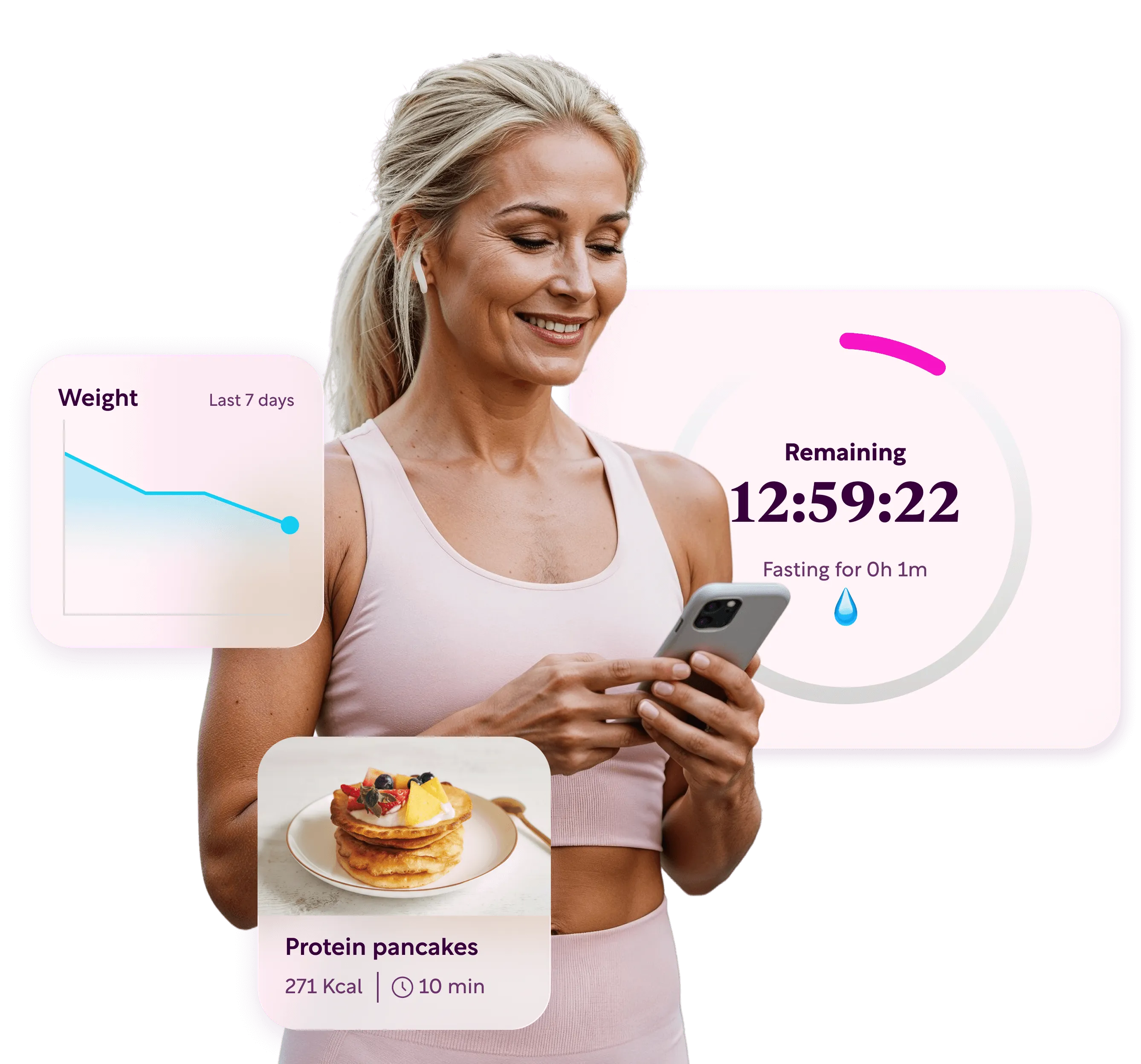
The Architecture of Digital Wellness: How Reverse Health Functions as a Software Ecosystem
Unlike generic health apps that utilize a “one-size-fits-all” database, Reverse Health operates on a logic-based framework tailored specifically to the physiological nuances of its target demographic. The software is built to address the specific hormonal and metabolic shifts that occur during perimenopause and menopause, requiring a much more complex algorithmic backend than standard fitness trackers.
Personalized Algorithms and Dynamic Data Input
The core of the Reverse Health platform is its onboarding engine. Upon registration, the software processes hundreds of data points—ranging from Basal Metabolic Rate (BMR) and activity levels to specific hormonal symptoms and dietary preferences. This isn’t merely a survey; it is a data-collection phase that informs a proprietary algorithm.
This algorithm utilizes predictive modeling to forecast how a user’s metabolism will respond to various macro-nutrient distributions. By processing these inputs, the software generates a dynamic roadmap. Unlike static PDF meal plans of the past, this digital roadmap is reactive. If a user inputs data suggesting a plateau, the software’s internal logic can suggest shifts in caloric density or nutrient timing, mirroring the functions of a digital health coach.
The Role of Machine Learning in Weight Management
Reverse Health utilizes machine learning (ML) to refine its recommendations over time. As more users interact with the app, the software identifies patterns in what works for specific biological profiles. This “crowdsourced intelligence” allows the platform to become more accurate with every update.
For example, if the data indicates that a specific subset of users (e.g., those with a specific activity level and age range) responds better to higher protein ratios for muscle retention, the software automatically prioritizes those recommendations for new users with similar profiles. This iterative improvement is a hallmark of modern software development, where the product evolves based on real-world telemetry rather than just initial programming.
Biometric Data Integration and the IoT Ecosystem
In the modern tech stack, isolation is the enemy of utility. Reverse Health is designed to sit within a broader ecosystem of Internet of Things (IoT) devices. The value of health software is exponentially increased when it can communicate with the hardware we wear on our wrists and the scales we step on in our bathrooms.
Syncing with Wearables and Gadgets
A critical component of the Reverse Health technology is its API (Application Programming Interface) integration capabilities. By syncing with major health hubs like Apple Health, Google Fit, and various wearable manufacturers (such as Oura, Fitbit, or Garmin), the app can pull real-time biometric data.
This integration allows the software to move beyond self-reported data, which is notoriously inaccurate. By analyzing heart rate variability (HRV), sleep cycles, and daily step counts, the Reverse Health backend can adjust its daily recommendations. If the integrated hardware reports a night of poor sleep, the software can theoretically adjust the suggested caloric intake or suggest lower-intensity activities, recognizing the physiological stress the user is under. This level of technical synchronization is what differentiates a “tech-first” health platform from a simple digital book.
Data Privacy and Security Protocols in Health-Tech
With the collection of sensitive biometric and health data comes the massive responsibility of digital security. Reverse Health operates within the strict parameters of data protection regulations such as GDPR and CCPA. From a technical perspective, this involves end-to-end encryption of user data and secure server-side storage.
For a Health-Tech brand, security is a feature, not an afterthought. The architecture must ensure that personal health identifiers (PHI) are anonymized when used for algorithmic training. The platform utilizes secure authentication tokens and encrypted databases to ensure that while the software learns from the user, the user’s identity remains protected. This focus on security is a vital pillar of the trust required for any SaaS (Software as a Service) product in the wellness space.

The User Experience (UX) of Behavioral Modification
Technology is only as effective as its adoption rate. One of the most significant hurdles in the digital health space is user churn. Reverse Health addresses this through a calculated approach to User Experience (UX) and User Interface (UI) design, specifically engineered to trigger behavioral modification through software-led interventions.
Gamification and Retention Strategies
The Reverse Health app utilizes various gamification elements common in high-engagement software. By implementing progress trackers, milestone badges, and streak counters, the platform leverages dopamine feedback loops to keep users engaged.
However, the “tech” here goes deeper than just badges. The UI is designed to reduce “decision fatigue”—a common software-use friction point. By presenting a limited, highly curated set of choices for meals and exercises, the software reduces the cognitive load on the user. This is a deliberate design choice aimed at improving the “stickiness” of the app. In software terms, this is optimized “user flow,” ensuring that the path from opening the app to completing a daily task is as short and intuitive as possible.
Scalability and Cloud Infrastructure
As a global platform, the technical infrastructure of Reverse Health must be capable of scaling to support hundreds of thousands of concurrent users. This requires a robust cloud-based backend, likely utilizing services like AWS (Amazon Web Services) or Google Cloud.
The use of cloud infrastructure allows the platform to deliver high-speed content (such as high-definition exercise videos and recipe databases) to users anywhere in the world with minimal latency. It also allows for “over-the-air” updates, ensuring that every user is always running the most optimized version of the algorithm without needing to manually reinstall the software. This scalability is essential for maintaining a consistent user experience as the brand expands into new markets.
Future Trends: Generative AI and Predictive Analytics in Health Software
As we look toward the future of Reverse Health and the broader Health-Tech category, several emerging technologies are poised to transform the platform even further. The integration of Generative AI and advanced predictive analytics represents the next logical step in the software’s evolution.
Predictive Analytics for Long-term Outcomes
Current iterations of Reverse Health focus on reactive adjustments based on current data. The next phase of development likely involves predictive analytics—using historical data to forecast future health hurdles. By analyzing a user’s current trajectory, the software could predict potential weight-loss plateaus weeks before they happen and proactively adjust the metabolic plan to bypass them.
This type of proactive software logic turns the app from a digital diary into a predictive tool, providing a level of foresight that was previously only available through expensive, one-on-one medical consultations.
The Integration of Generative AI
We are already seeing the impact of Generative AI (like LLMs) in the tech world, and health apps are the next frontier. Imagine a version of Reverse Health where the “Coach” feature is powered by a fine-tuned AI model trained on metabolic science. Instead of choosing from a list of FAQs, a user could have a natural language conversation with the app.
“I’m at a restaurant with these three options on the menu; which one best fits my macro-nutrient goals for today?” An integrated AI could process that request instantly, cross-referencing the user’s daily data and the nutritional profiles of the food items. This move toward “Conversational UI” will likely be the most significant technological upgrade in the coming years, making the interface between human and health-software feel more seamless than ever.

Conclusion: The Digital Transformation of Health
Reverse Health is a prime example of how traditional industries—like weight loss and nutrition—are being completely rebuilt on a foundation of modern technology. It is not merely an app; it is a sophisticated data-processing engine that translates complex biological signals into actionable digital insights.
Through the use of personalized algorithms, IoT integration, and high-level UX design, Reverse Health demonstrates the power of technology to solve chronic human challenges. As machine learning and AI continue to mature, the line between software and biological optimization will continue to blur, positioning platforms like Reverse Health as essential tools in the digital toolkit of the modern, health-conscious individual. In the end, the “Reverse” in the name doesn’t just refer to health markers; it refers to reversing the old, inefficient ways of managing wellness in favor of a data-driven, tech-forward future.
aViewFromTheCave is a participant in the Amazon Services LLC Associates Program, an affiliate advertising program designed to provide a means for sites to earn advertising fees by advertising and linking to Amazon.com. Amazon, the Amazon logo, AmazonSupply, and the AmazonSupply logo are trademarks of Amazon.com, Inc. or its affiliates. As an Amazon Associate we earn affiliate commissions from qualifying purchases.