
In an increasingly competitive landscape, institutions across all sectors strive to carve out a unique identity, communicate their value, and foster deep connections with their stakeholders. The realm of education is no exception, with schools and early learning centers constantly seeking ways to differentiate themselves and articulate their distinct philosophy. Enter the Reggio Emilia approach – often celebrated as a pioneering educational philosophy, it can also be powerfully understood as a comprehensive framework for building a compelling, authentic, and deeply resonant educational brand. Far from being merely a pedagogical methodology, Reggio Emilia offers a strategic blueprint for defining an institution’s core identity, designing its unique experiences, and communicating its inherent value, positioning it as a distinct and desirable choice for families and educators alike.
When an educational institution chooses to embrace the Reggio Emilia philosophy, it’s not simply adopting a curriculum; it’s making a profound statement about its corporate identity and its promise to its community. It signifies a commitment to a specific set of values, a particular approach to learning, and a unique environment, all of which coalesce to form a powerful brand narrative. This article explores how the core tenets of the Reggio Emilia philosophy serve as robust pillars for creating a distinctive and impactful educational brand, focusing on strategy, identity, marketing, and design within the brand niche.
The Core Tenets of the Reggio Emilia Philosophy as Brand Pillars
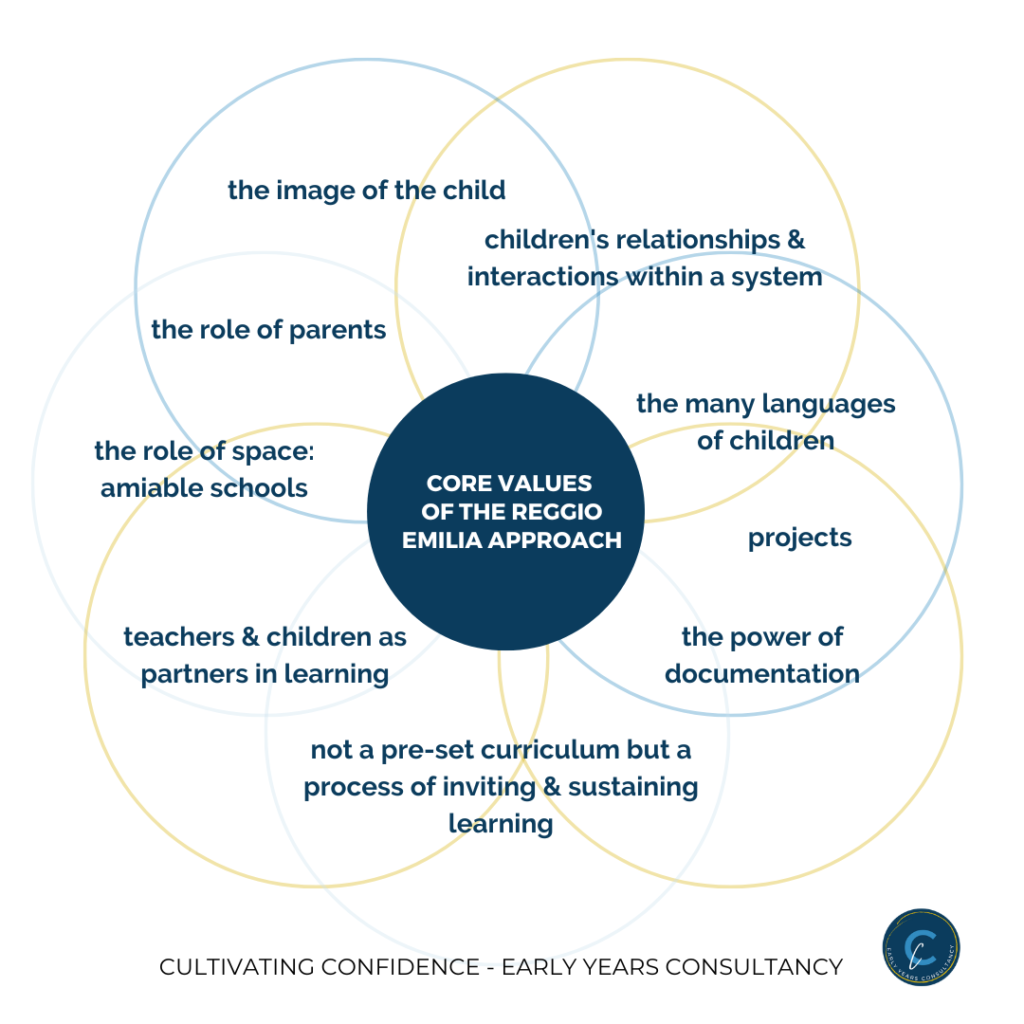
The Reggio Emilia approach, originating in the Italian city of the same name post-World War II, is built upon several foundational principles. When viewed through a branding lens, these principles are not just pedagogical ideals but strategic pillars that define an institution’s character, ethos, and unique selling proposition. They offer a powerful framework for shaping a brand that is both authentic and highly appealing.
The Child as a Protagonist: Centering Your Brand’s Narrative
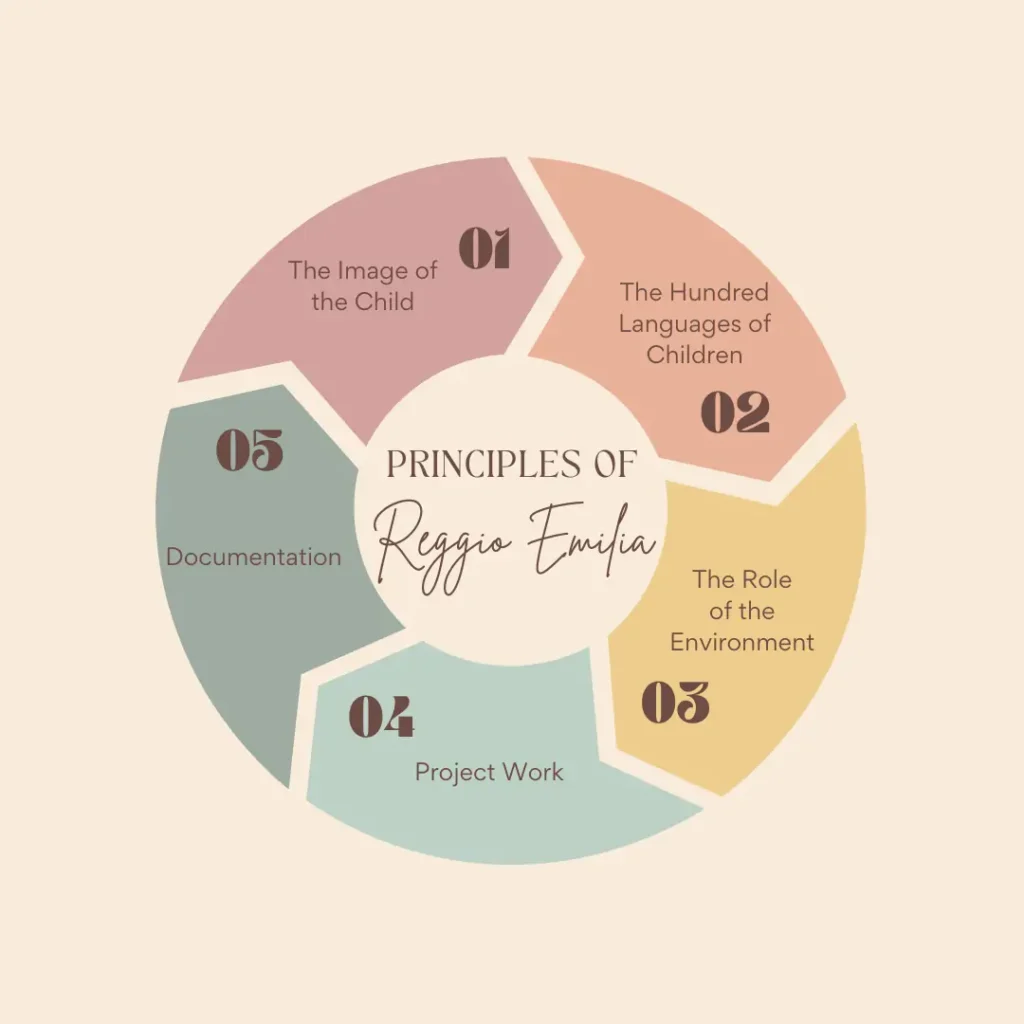
At the heart of the Reggio Emilia philosophy is the image of the child as capable, curious, and a constructor of their own learning. This perspective stands in stark contrast to traditional models that often view children as passive recipients of information. From a branding standpoint, positioning “the child as a protagonist” is about centering your institution’s narrative around empowerment, agency, and individual potential.
This pillar helps to define a distinct brand story. Instead of merely offering “education,” a Reggio-inspired institution promises a journey of discovery, where each child’s voice is valued, and their innate abilities are nurtured. This narrative resonates deeply with modern parents seeking more personalized and empowering educational experiences for their children. It communicates a brand promise that goes beyond academic outcomes, focusing on the holistic development of confident, creative, and engaged learners. The brand message becomes one of respect, individuality, and limitless potential, attracting families who share these core values and are looking for an educational partner that truly sees and celebrates their child.
The Environment as the Third Teacher: Designing a Branded Space
One of the most visually striking and immediately recognizable aspects of the Reggio Emilia approach is the profound emphasis on the physical environment. Referred to as “the third teacher,” the learning space is intentionally designed to be aesthetically pleasing, stimulating, and reflective of the children’s interests and projects. Through a branding lens, this is a masterful exercise in experiential design and physical brand manifestation.
The environment of a Reggio Emilia school isn’t just a backdrop; it’s an active participant in the brand identity. Every element, from the quality of light to the arrangement of materials, the use of natural elements, and the thoughtful display of children’s work (documentation), communicates the institution’s values without words. It’s a tangible expression of the brand’s commitment to beauty, wonder, respect, and inquiry. This deliberate design creates a unique “sense of place” that differentiates the institution. It offers a distinct, immersive experience that leaves a lasting impression on visitors and stakeholders, reinforcing the brand’s promise of a rich, engaging, and respectful learning journey. The environment itself becomes a powerful marketing tool, a living embodiment of the brand’s character and philosophy.
The Hundred Languages: Communicating a Rich and Diverse Brand Identity
Loris Malaguzzi, the founder of the Reggio Emilia approach, famously championed “The Hundred Languages” – the belief that children use many different symbolic languages (drawing, sculpting, dramatic play, music, writing, etc.) to express their understanding and explore the world. Applied to branding, this concept speaks to the richness, diversity, and multi-faceted nature of an institution’s brand identity and its communication strategy.
Embracing “The Hundred Languages” allows a Reggio-inspired brand to communicate its unique offering in myriad ways, showcasing its commitment to holistic development and diverse forms of expression. It moves beyond a purely academic focus, highlighting creativity, critical thinking, problem-solving, and emotional intelligence as integral components of its educational promise. This broadens the brand’s appeal to a wider audience, demonstrating an understanding and valuing of different learning styles and intelligences. Furthermore, it encourages a dynamic and evolving brand identity, as the “languages” of the children and the community continuously enrich and shape the institution’s unique character. This commitment to diverse expression forms the basis of a rich and layered brand narrative, appealing to stakeholders who value comprehensive and individualized development.
Crafting Your Educational Identity: Reggio Emilia as a Brand Strategy
Adopting the Reggio Emilia philosophy is not merely about implementing a set of practices; it’s a strategic decision that fundamentally shapes an institution’s identity, differentiation, and long-term market position. It provides a robust framework for crafting a compelling and authentic educational brand strategy.
Authenticity and Differentiation: Standing Out in the Educational Landscape
In a crowded educational market, authenticity is paramount for brand longevity and resonance. The Reggio Emilia approach, with its deep philosophical roots and unique practices, inherently offers a strong basis for differentiation. Rather than trying to emulate competitors, a Reggio-inspired institution establishes a unique identity born from its core beliefs about children, learning, and community.
This authenticity is a powerful brand asset. It allows schools to articulate a clear, unique selling proposition (USP) that goes beyond superficial features. The brand promises not just an education, but a specific kind of learning journey rooted in respect, inquiry, and collaboration. This distinctiveness makes the institution memorable and appealing to target audiences who are actively seeking alternatives to conventional models. It creates a brand narrative that feels genuine and purpose-driven, fostering trust and loyalty among prospective families and staff. By embracing its Reggio identity fully, an institution distinguishes itself as a leader and innovator, rather than just another option.
Community Engagement and Brand Advocacy: Building a Loyal Following
A cornerstone of the Reggio Emilia philosophy is the concept of collaboration and community participation, often referred to as “the hundred languages of relationships.” Parents, teachers, and the wider community are seen as co-constructors of the educational experience. From a branding perspective, this translates into an incredibly powerful strategy for building brand advocacy and a loyal following.
When stakeholders are actively involved in the educational process – through project work, volunteering, or contributing to documentation – they develop a deep sense of ownership and connection to the institution. This involvement transforms them from mere consumers of a service into passionate brand advocates. Parents become eager to share their positive experiences, becoming informal marketers for the school. The institution fosters a strong sense of belonging and shared purpose, building a resilient community around its brand. This collective engagement contributes significantly to word-of-mouth marketing, which is often the most trusted and effective form of brand promotion. The educators, particularly the “atelierista” (art studio teacher) and “pedagogista” (pedagogical coordinator), act as key brand guardians, ensuring the philosophy is consistently lived and communicated, further solidifying community trust and brand integrity.
Documentation as Brand Storytelling: Showcasing Value and Impact
Documentation is an integral practice in Reggio Emilia schools, involving careful observation, recording, and interpretation of children’s learning processes through photographs, transcripts of conversations, artwork, and written reflections. For an educational brand, documentation is an unparalleled storytelling tool that powerfully showcases value and impact.
Instead of simply stating that children are learning, documentation provides concrete, compelling evidence of the learning journey. It makes the abstract process of inquiry and discovery visible and tangible. From a marketing perspective, this rich content serves as authentic testimonials and case studies, demonstrating the unique pedagogical approach in action. It allows the institution to articulate its brand promise through compelling narratives of children’s projects, problem-solving, and creative expressions. This transparency builds credibility and trust, allowing prospective families to truly understand “what happens here” and the unique benefits of a Reggio-inspired education. Documentation acts as a living portfolio, continually reinforcing the brand’s commitment to meaningful, child-led learning and its distinct approach to fostering intellectual and creative growth.
Implementing Reggio Emilia: Designing a Cohesive Brand Experience
Implementing the Reggio Emilia philosophy requires a holistic approach, where every aspect of the institution’s operation is aligned with its core tenets. This holistic approach is precisely what makes it a powerful framework for designing a cohesive and unforgettable brand experience. From curriculum to communication, every touchpoint reinforces the brand’s promise.
Strategic Curriculum Design: Aligning Pedagogy with Brand Promise
In a Reggio Emilia context, the curriculum is not a static, pre-defined set of lessons but an emergent, project-based journey co-constructed with the children. This strategic approach to curriculum design is fundamental to aligning the institution’s pedagogy with its brand promise. The brand promises an environment that fosters curiosity, critical thinking, and collaboration, and the curriculum is designed to deliver precisely that.
Unlike brands that might offer generic “childcare” or “academic excellence,” a Reggio-inspired institution’s curriculum visibly embodies its unique philosophy. Projects become the tangible expression of the brand’s commitment to deep inquiry and creative exploration. The brand experience is therefore intrinsically linked to the learning experience itself. This alignment ensures that every child’s interaction with the curriculum reinforces the brand’s identity, creating a consistent and authentic experience that differentiates it from more traditional educational offerings. It’s about demonstrating, not just telling, what the brand stands for through the very fabric of learning.
Staff Development as Brand Embodiment: Living the Philosophy
The educators in a Reggio Emilia setting are not merely instructors; they are researchers, collaborators, and facilitators of learning. Their role is central to living and embodying the institution’s brand philosophy. Therefore, strategic staff development becomes a critical component of ensuring brand consistency and excellence.
Investing in continuous professional development, reflective practices, and collaborative planning ensures that every educator understands, embraces, and exemplifies the Reggio Emilia values. They become the primary brand ambassadors, directly influencing the daily experience of children and families. A strong internal culture, where staff are empowered, respected, and continuously learning, directly translates into a positive external brand perception. When educators genuinely embody the philosophy – fostering inquiry, listening to children, and collaborating with families – they reinforce the institution’s brand promise at every interaction, building trust and strengthening the overall brand experience. This internal coherence is vital for authentic brand delivery.
Communicating the Reggio Difference: Marketing Your Unique Identity
Effectively communicating the unique identity of a Reggio Emilia institution is crucial for attracting and engaging stakeholders. This involves a thoughtful marketing strategy that highlights the “Reggio Difference” – moving beyond generic educational buzzwords to articulate the profound benefits of this particular approach.
Marketing materials, website content, open house presentations, and social media narratives should all consistently convey the core tenets of the philosophy. This means showcasing documentation, sharing stories of children’s projects, explaining the role of the environment, and highlighting the collaborative community spirit. The language used should be professional, insightful, and engaging, educating prospective families about why Reggio Emilia is distinct and why it matters for their child’s development. By clearly and compellingly articulating its unique identity, the institution can attract families who are specifically seeking an education that aligns with the Reggio Emilia philosophy, further solidifying its niche and strengthening its brand recognition in the educational marketplace.
The Long-Term Brand Value of the Reggio Emilia Approach
Embracing the Reggio Emilia philosophy is an investment in a durable and meaningful brand. Its comprehensive nature and emphasis on continuous growth contribute significantly to an institution’s long-term brand value, fostering sustainability and enduring relevance.
Building a Legacy: A Sustainable Educational Model
The Reggio Emilia approach, with its deep philosophical underpinnings and commitment to ethical practice, offers a model for building an educational legacy rather than just a temporary trend. Its focus on community, values, and a robust pedagogical framework provides a sustainable foundation for institutional growth and reputation. A brand built on such principles tends to be more resilient, trusted, and respected over time. This foundational strength enables the institution to withstand market fluctuations and fads, securing its place as a leader in innovative education. The legacy becomes synonymous with quality, thoughtful practice, and a profound commitment to children, ensuring the brand’s enduring appeal.
Adaptability and Innovation: A Future-Proof Brand
Paradoxically, while deeply rooted in philosophy, the Reggio Emilia approach inherently promotes adaptability and innovation. Its emphasis on emergent curriculum, continuous research, and reflection ensures that the educational experience remains dynamic and responsive to the evolving needs and interests of children and the wider world. From a brand perspective, this makes a Reggio-inspired institution inherently future-proof. It fosters a brand identity that is not rigid or static but capable of organic growth and evolution, maintaining relevance in an ever-changing educational landscape. This commitment to ongoing inquiry and improvement signals to stakeholders a forward-thinking institution, ensuring its brand remains fresh, vital, and continuously compelling.

Conclusion
The question “What is Reggio Emilia?” yields far more than a simple pedagogical definition; it unveils a profound and sophisticated framework for building an exceptional educational brand. By meticulously shaping its identity around the child as protagonist, designing its unique spaces, and embracing diverse forms of expression, an institution can cultivate a brand that is truly distinctive. The Reggio Emilia approach offers a strategic blueprint for differentiation, community engagement, and authentic storytelling, translating into a powerful brand strategy that fosters loyalty and advocacy. Ultimately, embracing Reggio Emilia is not just about teaching children differently; it’s about establishing an enduring corporate identity, designing a cohesive brand experience, and communicating a compelling promise that resonates deeply with families and positions the institution as a leader in innovative, child-centered education. It is, in essence, the art of branding through pedagogy.
aViewFromTheCave is a participant in the Amazon Services LLC Associates Program, an affiliate advertising program designed to provide a means for sites to earn advertising fees by advertising and linking to Amazon.com. Amazon, the Amazon logo, AmazonSupply, and the AmazonSupply logo are trademarks of Amazon.com, Inc. or its affiliates. As an Amazon Associate we earn affiliate commissions from qualifying purchases.