
In the rapidly evolving landscape of health technology and the “Quantified Self” movement, we are often obsessed with objective metrics. We track heart rate variability (HRV), blood oxygen saturation (SpO2), sleep stages, and VO2 max with pinpoint precision. However, a singular metric has survived the transition from the analog era to the cutting-edge digital frontier: the Rating of Perceived Exertion (RPE).
While it may seem counterintuitive for a tech-driven society to rely on a subjective feeling, RPE has become a cornerstone of sophisticated fitness algorithms, wearable interfaces, and remote coaching platforms. In the tech sector, RPE represents the bridge between biological “hardware” and psychological “software.” It is the qualitative data point that provides context to quantitative biological signals.

The Digital Transformation of the Borg Scale: From Paper to Pixels
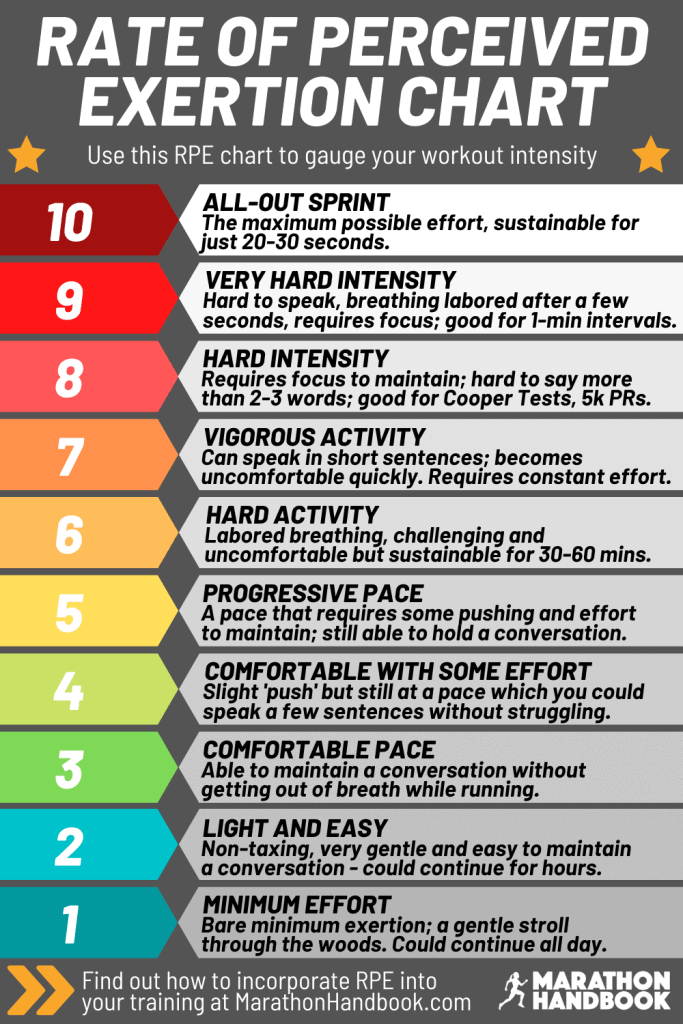
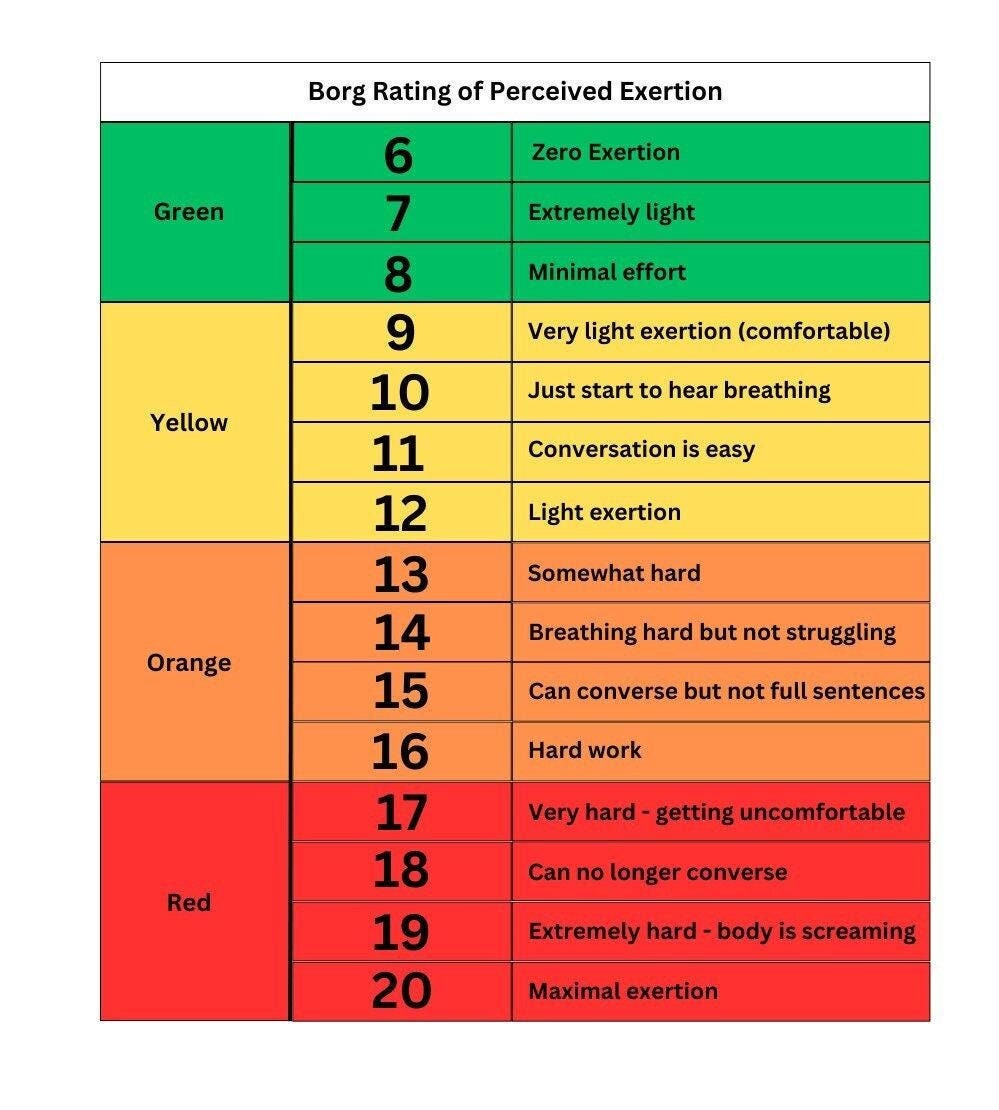
To understand RPE in a modern tech context, one must first understand its origins. Developed by researcher Gunnar Borg in the 1960s, the RPE scale was originally a 6-20 point system designed to correlate with heart rate (e.g., an RPE of 13 roughly corresponds to a heart rate of 130 bpm). As this metric migrated into the digital space, software developers and user experience (UX) designers optimized it for modern consumption, typically favoring a simplified 1-10 scale.
The Integration of RPE in Health-Tech Ecosystems
Today, RPE is no longer just a number shouted to a coach; it is a critical data input field in fitness applications like Strava, TrainingPeaks, and Apple Health. Tech companies utilize RPE to solve a specific problem: the limitation of optical sensors. While a wrist-based heart rate monitor might struggle with lag during high-intensity interval training (HIIT) or fail to account for external stressors like heat and altitude, RPE provides an immediate, high-fidelity report of the user’s internal state.
Normalizing Subjective Data for Machine Learning
The greatest technical challenge with RPE is its subjectivity. One user’s “7” is another’s “9.” Modern health-tech platforms use machine learning algorithms to “normalize” these inputs. By comparing a user’s historical RPE entries against their objective biometric data (like power output in cycling or pace in running), software can build a personalized profile. This allows the tech to identify when a user is “under-reporting” or “over-reaching,” turning a subjective feeling into a calibrated data point used for predictive recovery modeling.
The Intersection of Biometrics and Subjectivity: Why Tech Needs RPE
The current generation of wearables, from the Oura Ring to the Whoop Strap, prides itself on telling the user how they feel before the user even knows it. However, the most sophisticated platforms are moving toward a hybrid model. This is because biometric data alone cannot account for the “psychological cost” of an effort.
Closing the “Data Gap” in Wearable Tech
A runner may perform a 5-mile run at an average heart rate of 150 bpm on two different days. On Tuesday, the effort felt easy (RPE 3). On Friday, following a stressful product launch and poor sleep, the same heart rate felt grueling (RPE 8). Without the RPE input, the fitness app’s “Training Load” algorithm would treat these sessions as identical. By integrating RPE, the software gains a more granular understanding of the user’s “Internal Load” versus “External Load.”
Algorithmic Load Calculations and Recovery Tech
Tech-heavy platforms like Garmin’s “Training Effect” or Strava’s “Relative Effort” use RPE to refine their recovery suggestions. When a user logs a high RPE relative to a low heart rate, the algorithm flags this as a potential sign of overtraining or impending illness. This predictive capability is what separates a simple tracking gadget from a sophisticated health-tech tool. The software treats RPE as a “sanity check” for the hardware’s sensors.
UX/UI Architecture for RPE Collection: Designing for Frictionless Input
In software development, “friction” is the enemy of data collection. If an app makes it difficult to log an RPE score, the user simply won’t do it. This has led to an evolution in how fitness interfaces are designed.
Timing and Haptic Feedback
The most successful health apps utilize “just-in-time” notifications. As soon as a smartwatch detects that a workout has ended via GPS or accelerometer data, it triggers a haptic pulse and a simple slider on the wrist. This minimizes the cognitive load on the user, ensuring that the subjective data is captured while the sensation of the effort is still fresh—a concept known in tech as “real-time telemetry of the human experience.”
Gamification and Visualization of Effort
Developers are increasingly using color-coded visual interfaces to represent RPE. A “10” isn’t just a number; it’s a vibrating, red-pulsing UI element that conveys the intensity of the effort. By gamifying the input process, tech platforms increase user engagement and the consistency of data entry. Over months and years, this consistent input creates a robust dataset that allows for long-term “Stamina Modeling,” helping users predict their performance peaks based on their historical perception of effort.
The Future of RPE: The Role of AI and Computer Vision
Looking forward, the tech industry is exploring ways to automate RPE through Artificial Intelligence (AI) and Computer Vision, potentially removing the need for manual input altogether.
Emotional AI and Biometric Synthesis
We are entering an era of “Affective Computing,” where devices can recognize human emotion and physical strain. Researchers are developing AI models that analyze facial expressions, vocal strain, and even the “micro-jitters” in movement captured by smartphone cameras to estimate RPE. Imagine a Peloton bike that uses its front-facing camera to analyze your facial grimaces and automatically adjusts the resistance or logs an RPE score without you touching a screen.
Predictive Health and the “Digital Twin”
The ultimate goal in health-tech is the creation of a “Digital Twin”—a virtual model of a human being that can simulate responses to various stressors. RPE is a vital component of this. By feeding years of RPE data into a neural network, developers can create a model that predicts how a specific individual will perceive a future workload. For professional athletes and high-stakes corporate environments, this tech could be used to optimize schedules, preventing burnout by predicting when the perceived exertion of a task will exceed the user’s current psychological and physiological bandwidth.
Conclusion: The Human Variable in the Machine
As we push the boundaries of what technology can tell us about our bodies, “What is Rating of Perceived Exertion?” remains a fundamental question with a high-tech answer. RPE is the most sophisticated sensor we have—the human brain—communicating with the digital tools we use to manage our lives.
In the tech sector, we often say that “data is the new oil,” but raw data without context is useless. RPE provides that context. It transforms a list of heart rate numbers into a narrative of human effort, resilience, and fatigue. For the developers, engineers, and users of the next generation of health technology, the integration of RPE isn’t a step backward into subjectivity; it is a leap forward into a more holistic, intelligent, and personalized digital health experience. By valuing how we feel as much as what we measure, tech is finally learning to understand the human at the center of the data.
aViewFromTheCave is a participant in the Amazon Services LLC Associates Program, an affiliate advertising program designed to provide a means for sites to earn advertising fees by advertising and linking to Amazon.com. Amazon, the Amazon logo, AmazonSupply, and the AmazonSupply logo are trademarks of Amazon.com, Inc. or its affiliates. As an Amazon Associate we earn affiliate commissions from qualifying purchases.