
In an era where digital advertising saturated every pixel of our screens, the physical world has reclaimed its status as a premium canvas for brand storytelling. “Postering,” once relegated to the fringes of underground music scenes and local political movements, has evolved into a sophisticated pillar of modern brand strategy. Today, it is known as “wild posting” or street-level marketing, and it represents a deliberate, tactical choice for brands looking to break through the digital noise and establish a tangible presence in the urban environment.
Postering is the practice of placing large-scale printed advertisements in high-traffic urban areas, often in a repetitive, grid-like fashion. While it may seem chaotic to the untrained eye, for a brand strategist, it is a calculated effort to achieve high-frequency impressions and cultural relevance. This article explores the nuances of postering as a branding tool, from its psychological impact to its strategic execution in the 21st century.

1. Defining Postering in the Modern Brand Landscape
To understand postering, one must first view it not as a relic of the past, but as a reaction to the ephemeral nature of the internet. A digital ad can be scrolled past in a millisecond; a physical poster, however, occupies space. It exists in the real world, subject to the same weather and light as the consumer. This creates a sense of “permanence” and “place” that digital media lacks.
From Ancient Proclamations to Urban Aesthetic
The roots of postering trace back to public proclamations in ancient civilizations, but its modern branding identity was forged in the mid-20th century. Originally used by rock bands and social activists to circumvent expensive traditional media, postering carried an inherent “cool” factor. It was the medium of the rebel. Today, luxury brands like Gucci and tech giants like Apple have co-opted this aesthetic. They use postering to borrow the grit and authenticity of the street, positioning their products as part of the cultural fabric of a city rather than just another corporate offering.
The Psychology of Physicality in a Digital World
There is a cognitive difference in how we process physical versus digital media. Physical posters offer a tactile visual experience. When a brand uses a repetitive postering technique—plastering an entire construction hoarding with the same image—it creates a “wallpaper effect.” This repetition bypasses traditional ad-blocking filters in the human brain. The sheer volume signals importance and dominance. If a brand is everywhere you look on your commute, the subconscious mind flags that brand as a significant cultural player.
2. Strategic Implementation: Types of Postering Campaigns
Successful postering is not about haphazardly sticking paper to walls; it is about strategic placement and alignment with the brand’s core identity. Different styles of campaigns serve different objectives, ranging from niche community building to mass-market awareness.
Wild Posting and Guerrilla Marketing
Wild posting is the most common form of postering in brand strategy. It involves the use of multiple posters (often in sets of 4, 8, or 24) displayed together to create a massive visual impact. This is a form of guerrilla marketing that prioritizes “street cred.” By placing ads on construction sites, alleyways, and designated street furniture, brands can reach a younger, trend-conscious demographic that often views traditional billboards as “too corporate.” For a brand, wild posting is a way to say, “We are where the culture is.”
Directional and Event-Based Postering
Postering is also a powerful tool for localized brand activation. Directional postering uses the urban environment to lead consumers to a specific location, such as a pop-up shop or a flagship store opening. By placing posters in a three-block radius of a physical location, a brand creates a “gravity well” of awareness. Similarly, event-based postering uses the urgency of a date to drive action. Because posters have a shelf life—eventually being covered or removed—they naturally convey a sense of “now,” making them ideal for product launches and limited-time offers.
Integrated Campaigns: Bridging Physical and Digital
The most effective modern postering campaigns do not exist in a vacuum; they serve as a bridge to the brand’s digital ecosystem. A poster might feature a striking visual with no text other than a URL or a social media handle. This creates a “curiosity gap.” The passerby, intrigued by the visual, turns to their phone to search for the brand. This transition from a physical impression to a digital engagement is a gold mine for brand strategists, as it allows for the tracking of real-world interactions through digital metrics.
3. Design Principles for High-Impact Visuals
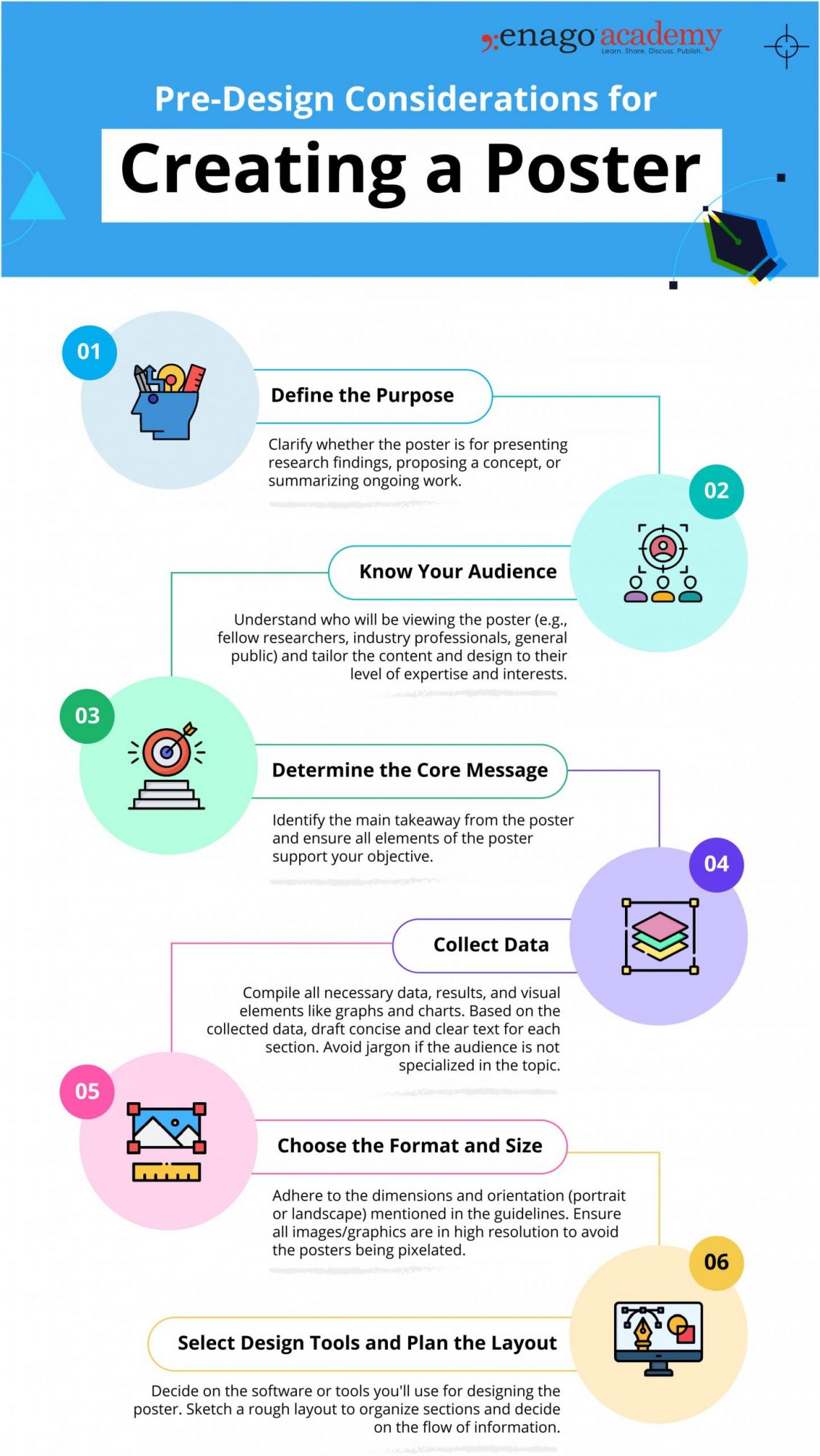
Because a pedestrian or driver may only have seconds to view a poster, the design must be optimized for instant comprehension and emotional resonance. Postering design is a specialized branch of brand identity that prioritizes bold simplicity over detailed information.
The Three-Second Rule: Clarity and Composition
A poster has approximately three seconds to capture a viewer’s attention and communicate a message. This necessitates a “less is more” philosophy. Brand strategists often use a single, high-contrast image and a minimal amount of copy. The hierarchy of information is critical: the most important element (the product or the brand name) must be the most visually dominant. If a poster is too cluttered, it becomes visual noise and is ignored.
Color Theory and Emotional Resonance
In the urban landscape, color is a brand’s most powerful weapon. Postering allows brands to “own” a color in a specific neighborhood. For instance, a tech brand might use a vibrant, neon green to stand out against the grey concrete of a city center. This isn’t just about visibility; it’s about psychology. Brighter colors can evoke energy and innovation, while muted, earthy tones might be used by a sustainable fashion brand to communicate authenticity and calm. The goal is to create an immediate emotional connection before the viewer even reads a single word.
Typography as a Brand Voice
In the absence of audio or video, typography becomes the “voice” of the poster. Bold, sans-serif fonts often communicate strength and modernism, while elegant serifs might suggest luxury and heritage. The scale of the typography in postering is also unique; because posters are often viewed from a distance, the kerning (spacing between letters) and weight must be adjusted to ensure legibility in various lighting conditions and viewing angles.
4. Measuring Success and Legal Considerations
One of the greatest challenges in postering is quantification. Unlike a Facebook ad, you cannot see exactly how many people “clicked” on a poster. However, modern brand strategy has developed sophisticated ways to measure the ROI of street-level campaigns.
Navigating the Legalities of Public Spaces
Postering exists in a complex legal landscape. There is a distinction between “permitted” postering—where a brand pays for space on designated kiosks or construction hoardings—and “flyposting,” which is the unauthorized placement of ads. For a professional brand, unauthorized postering can be a double-edged sword. While it adds an air of underground authenticity, it also carries the risk of fines and damage to the brand’s corporate reputation. Most high-level brand strategies now focus on “permitted wild posting,” which mimics the guerrilla look but stays within legal boundaries to ensure campaign longevity.
Quantifying the Unquantifiable: ROI in Postering
To measure the effectiveness of a postering campaign, brands use several proxy metrics. One common method is the use of vanity URLs or unique QR codes that allow marketers to track exactly how much web traffic originated from a specific street location. Another method is “social listening.” If a postering campaign is visually striking enough, people will take photos of it and share them on Instagram or TikTok. By tracking mentions and hashtags related to the physical ads, brands can measure the “social amplification” of their street-level efforts.
5. The Future of Postering: AR and Interactive Print
As we look toward the future, the boundary between the physical poster and the digital experience is blurring. Postering is becoming an entry point for immersive brand experiences.
QR Codes and Digital Handshakes
The humble QR code has seen a massive resurgence in postering strategy. It acts as a “digital handshake,” allowing a brand to move a consumer from a passive viewing experience to an active one. A poster for a new movie might feature a QR code that immediately plays the trailer on the user’s phone, or a fashion brand might use a code that links directly to a “buy now” page for the outfit featured in the image. This turns every wall in the city into a potential point of sale.
Augmented Reality and Interactive Narratives
The most cutting-edge brands are now experimenting with Augmented Reality (AR) in their postering. By pointing a smartphone camera at a static poster, the image can “come to life”—3D animations can emerge, or the poster can transform into an interactive game. This not only increases the time a consumer spends with the brand but also creates a “wow” factor that is highly shareable.
Sustainability and Eco-Conscious Materials
Finally, the future of postering is inextricably linked to sustainability. As brand values shift toward environmental responsibility, the materials used in postering are changing. Brands are increasingly opting for recycled paper stocks and biodegradable, non-toxic glues (wheatpaste). A brand that claims to be eco-friendly cannot afford the optics of leaving plastic-coated waste in urban environments. Strategic postering now includes a “cleanup” plan or the use of materials that naturally break down, ensuring that the brand’s physical footprint is as responsible as its digital one.
In conclusion, postering is a masterclass in the power of visual branding. It proves that even in a high-tech world, the most effective way to reach a human being is often through a well-designed image placed exactly where they live, work, and play. By combining the grit of the street with the precision of modern data and design, postering remains one of the most potent tools in a brand strategist’s arsenal.
aViewFromTheCave is a participant in the Amazon Services LLC Associates Program, an affiliate advertising program designed to provide a means for sites to earn advertising fees by advertising and linking to Amazon.com. Amazon, the Amazon logo, AmazonSupply, and the AmazonSupply logo are trademarks of Amazon.com, Inc. or its affiliates. As an Amazon Associate we earn affiliate commissions from qualifying purchases.