
In the realm of modern diagnostics, the question “What is poikilocytosis?” has evolved from a purely biological inquiry into a complex technological challenge. Traditionally, poikilocytosis refers to the presence of abnormally shaped red blood cells in the blood, a condition often indicative of underlying health issues such as anemia or liver disease. However, in the 21st century, the definition of poikilocytosis is increasingly defined by the software, hardware, and artificial intelligence tools used to detect it. As we move away from manual labor in clinical laboratories, the intersection of hematology and digital technology is redefining how we understand, identify, and treat cellular variations.

Automated Morphological Analysis: The Tech Behind the Diagnosis
For decades, identifying poikilocytosis required a skilled lab technician to spend hours peering through a microscope, manually counting and categorizing misshapen cells. Today, this process has been revolutionized by high-throughput digital imaging and automated morphological analysis.
From Manual Microscopy to High-Throughput Digital Imaging
The transition from manual eye-balling to Digital Cell Imaging (DCI) represents a massive leap in laboratory technology. Modern analyzers utilize high-resolution cameras and automated stages to capture thousands of individual cell images in seconds. This technology doesn’t just take pictures; it utilizes advanced optics to provide a level of clarity that the human eye cannot consistently achieve over an eight-hour shift. By digitizing the blood smear, technology allows for a permanent record of the poikilocytosis, which can be shared across global networks for secondary consultations—a process known as tele-hematology.
The Role of Flow Cytometry in Identifying Cell Variation
Beyond simple imaging, flow cytometry has become a cornerstone of technological hematology. This tech works by passing cells in a single-stream through a laser beam. The way the light scatters (forward scatter and side scatter) provides data on the cell’s size and internal complexity. In the context of poikilocytosis, software algorithms interpret these light patterns to flag samples that deviate from the standard “biconcave disc” shape. This allows for the rapid screening of thousands of patients, ensuring that only the most complex cases require human intervention.
The AI Revolution in Poikilocytosis Detection
Artificial Intelligence (AI) is the most significant trend currently reshaping the diagnostic landscape. While hardware provides the images, AI provides the “brain” that determines exactly what kind of poikilocytosis is present—be it echinocytes, schistocytes, or target cells.
Machine Learning Algorithms and Pattern Recognition
Machine learning (ML) thrives on data. To teach a computer to identify poikilocytosis, developers feed neural networks millions of images of both healthy and abnormal red blood cells. Through deep learning, the software identifies subtle geometric patterns that characterize specific shapes. For example, the jagged edges of an acanthocyte are vastly different from the fragmented appearance of a schistocyte. Modern AI tools can now categorize these shapes with a degree of precision that rivals, and often exceeds, experienced pathologists.
Reducing Human Error with Neural Networks
The subjectivity of human observation is a well-known hurdle in medicine. Two different technicians might look at the same blood smear and disagree on the severity of the poikilocytosis. Neural networks eliminate this variability. By applying a consistent mathematical framework to every sample, these AI tools provide a standardized “morphology score.” This technological consistency is crucial for longitudinal studies, where a patient’s progress must be tracked over months or years without the “noise” of different human observers.
Precision Medicine and Software-Driven Hematology
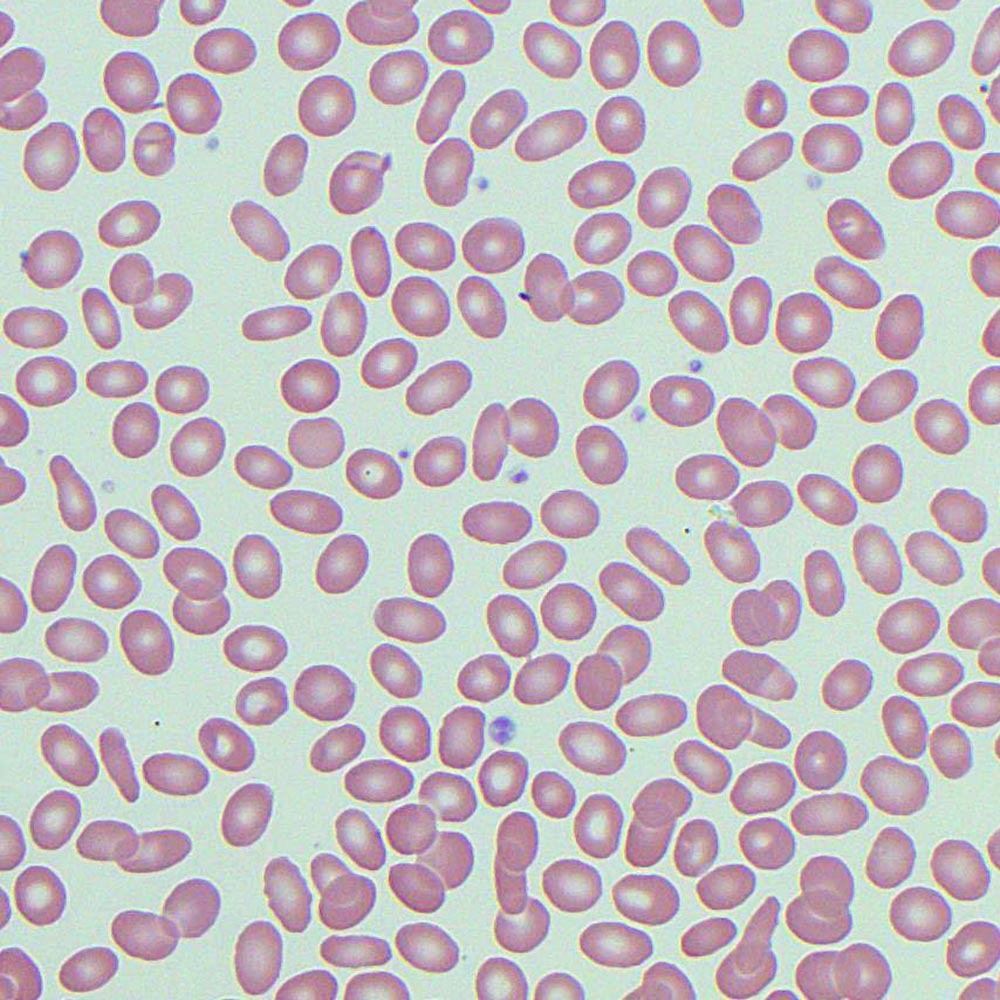
The identification of poikilocytosis is rarely an end in itself; it is a data point in a larger diagnostic ecosystem. The integration of hematology software with broader digital health platforms is a hallmark of the current tech trend in precision medicine.
Integration with Electronic Health Records (EHR)
In a modern tech-enabled clinic, the data from a hematology analyzer doesn’t live in a vacuum. It is automatically synced with the patient’s Electronic Health Record (EHR). Sophisticated middleware software interprets the degree of poikilocytosis alongside other metrics—like hemoglobin levels and iron studies—to provide a comprehensive diagnostic picture. This integration allows for “reflex testing,” where the software automatically orders secondary tests based on the initial detection of abnormal cell shapes, significantly speeding up the time-to-diagnosis.
Predictive Analytics for Chronic Disease Management
Technology is shifting from reactive to proactive. By utilizing predictive analytics, software can analyze trends in a patient’s cellular morphology over time. If the degree of poikilocytosis is increasing, even if it remains within “normal” limits, the algorithm can flag this trend for a physician. This is particularly useful in managing chronic conditions like sickle cell disease or myelodysplastic syndromes, where tech-driven insights can predict a crisis before the patient experiences physical symptoms.
Digital Security and Data Integrity in Lab Tech
As hematology becomes more digitized, the focus on digital security and data integrity has intensified. When we ask “What is poikilocytosis?” in a tech context, we must also ask how that diagnostic data is protected as it moves through the cloud.
Cybersecurity for Laboratory Information Management Systems (LIMS)
Laboratory Information Management Systems (LIMS) are the backbone of modern diagnostic facilities. These platforms manage everything from sample tracking to result reporting. Because poikilocytosis data is highly sensitive, LIMS developers are implementing robust cybersecurity measures, including end-to-end encryption and multi-factor authentication. As healthcare becomes a primary target for ransomware, the technology used to detect blood disorders must be as secure as it is accurate.
Blockchain and Immutable Medical Records
One of the emerging tech trends in medical data is the use of blockchain to ensure the integrity of laboratory results. By creating an immutable ledger of a patient’s cell morphology history, blockchain technology prevents the tampering or accidental loss of data. This ensures that when a specialist reviews a history of poikilocytosis, they are looking at a verified, untampered record of the patient’s biological state, fostering trust in the digital diagnostic process.
Future Trends in Digital Hematology Tools
The future of poikilocytosis detection lies in miniaturization and democratization. The technology that once required a room-sized machine is now being condensed into portable, accessible tools.
Point-of-Care Testing (POCT) and Mobile Integration
We are entering an era of Point-of-Care Testing (POCT), where poikilocytosis can be detected at the patient’s bedside or in remote clinics. New “lab-on-a-chip” technologies use microfluidics to analyze blood samples using devices no larger than a smartphone. Some startups are even developing smartphone attachments that use the phone’s camera and an AI app to perform basic morphological screens. This tech trend is vital for providing high-quality diagnostics in underserved regions where traditional laboratory infrastructure is unavailable.

Cloud-Based Collaborative Diagnostics
The final frontier of hematology tech is the “Global Lab.” Cloud-based platforms now allow for the real-time sharing of complex poikilocytosis cases with experts around the world. A technician in a rural clinic can upload a digital slide to the cloud, where an AI initially screens it, followed by a review from a specialist in a different country. This collaborative environment, powered by high-speed 5G networks and cloud computing, ensures that the question “What is poikilocytosis?” can be answered with expert precision, regardless of the patient’s physical location.
In conclusion, poikilocytosis is no longer just a medical term; it is a focal point for technological innovation. From AI-driven pattern recognition to secure, cloud-based diagnostic networks, the tools we use to identify abnormal cell shapes are becoming more intelligent, more integrated, and more accessible. As technology continues to advance, our ability to decode the secrets hidden within the shape of a red blood cell will only become more refined, leading to faster diagnoses and better patient outcomes.
aViewFromTheCave is a participant in the Amazon Services LLC Associates Program, an affiliate advertising program designed to provide a means for sites to earn advertising fees by advertising and linking to Amazon.com. Amazon, the Amazon logo, AmazonSupply, and the AmazonSupply logo are trademarks of Amazon.com, Inc. or its affiliates. As an Amazon Associate we earn affiliate commissions from qualifying purchases.