
In the contemporary marketplace, a brand is no longer defined solely by the products it sells or the services it provides. Instead, a brand is a living entity, an accumulation of values, ethics, and social stances that resonate with a discerning global audience. As consumers increasingly prioritize “conscious capitalism,” corporations have pivoted toward Cause-Related Marketing (CRM) to build emotional equity. However, this shift has birthed a controversial phenomenon known as “pinkwashing.”
In the context of brand strategy and corporate identity, pinkwashing represents a significant ethical and operational risk. It occurs when a company promotes itself as a supporter of a social cause—most notably breast cancer awareness or LGBTQ+ rights—while its internal practices, product ingredients, or long-term investments run contrary to that very cause. To maintain a resilient brand, leaders must understand the nuances of pinkwashing, the mechanics of performative marketing, and the path toward radical authenticity.
Understanding Pinkwashing in the Modern Brand Landscape
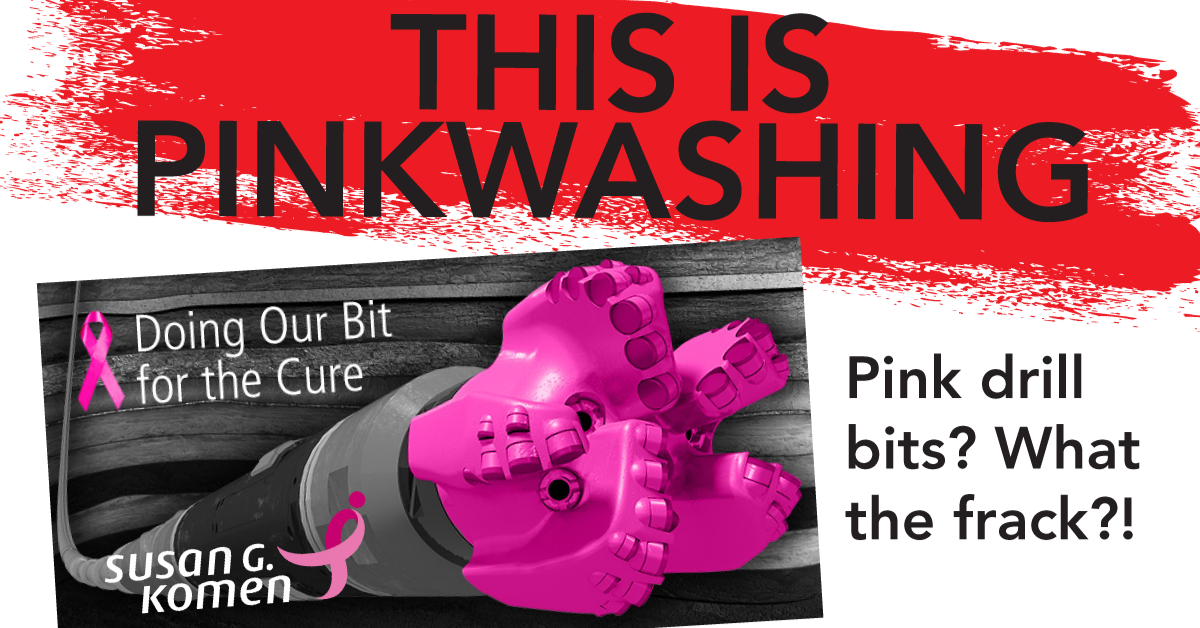
Pinkwashing is a term that first emerged in the early 2000s, coined by the Breast Cancer Action (BC Action) organization. It was designed to describe companies that claimed to support breast cancer awareness while simultaneously selling products containing chemicals linked to the disease. Over time, the definition has expanded within the marketing world to encompass any brand behavior that leverages a social struggle for profit without contributing meaningful value to the solution.
The Origins of the Term and Its Evolution
The concept began as a critique of the “pink ribbon” culture. Brands across the globe began adorning their packaging with pink ribbons every October, yet many offered no transparency regarding how much money actually reached researchers or patients. In the brand strategy realm, this became a cautionary tale of “commodity activism.” Today, the term also frequently applies to “Pride-washing,” where companies adopt rainbow logos during June while donating to political figures who oppose LGBTQ+ rights. For a brand, this misalignment is not just a PR hurdle; it is a fundamental breach of the “brand promise.”
From Sincerity to Superficiality
In the early days of CSR (Corporate Social Responsibility), a simple donation was enough to satisfy consumer expectations. However, as digital literacy and corporate transparency have increased, the “marketing halo” has dimmed. Consumers now distinguish between integrated branding—where the cause is woven into the company’s DNA—and superficial branding, where the cause is used as a seasonal costume. Pinkwashing represents the latter, utilizing the emotional weight of a health crisis or social movement to drive short-term sales spikes while neglecting the long-term impact on brand reputation.
The Mechanics of Pinkwashing: Strategy vs. Exploitation
From a strategic perspective, pinkwashing is often the result of a “marketing-first” approach that lacks cross-departmental alignment. When the marketing department launches a campaign without consulting the supply chain, R&D, or legal teams, the resulting brand dissonance can be catastrophic.
Identifying Discrepancies in Brand Identity
The primary indicator of pinkwashing is the “Value Gap”—the distance between what a brand says and what it does. For example, a skincare brand may launch a “Pink Ribbon” campaign while using parabens or phthalates that are classified as endocrine disruptors. In terms of brand identity, this creates a “hypocrisy trap.” When consumers identify this gap, the brand’s perceived integrity collapses. Brand equity, which takes years to build, can be eroded in a single viral social media thread that exposes these contradictions.
The Dangers of “Profit Over Purpose”
While the goal of any business is profitability, pinkwashing turns “purpose” into a commodity. When a company produces a “pink” version of a product and charges a “pink tax” (a higher price for goods marketed to women) under the guise of charity, it risks being labeled as predatory. Strategically, this is a short-sighted move. It prioritizes the Q4 bottom line over the lifetime value (LTV) of the customer. Modern brand strategy must account for the “skepticism-default” of the current consumer, who is trained to look for the fine print on every “charitable” transaction.
Case Studies: When Marketing Misalignment Damages Corporate Identity
To understand the impact of pinkwashing on brand health, one must look at instances where the disconnect between the message and the mission became public. These case studies serve as a blueprint for what to avoid in high-stakes brand management.
The Cosmetic and Food Industry Paradox
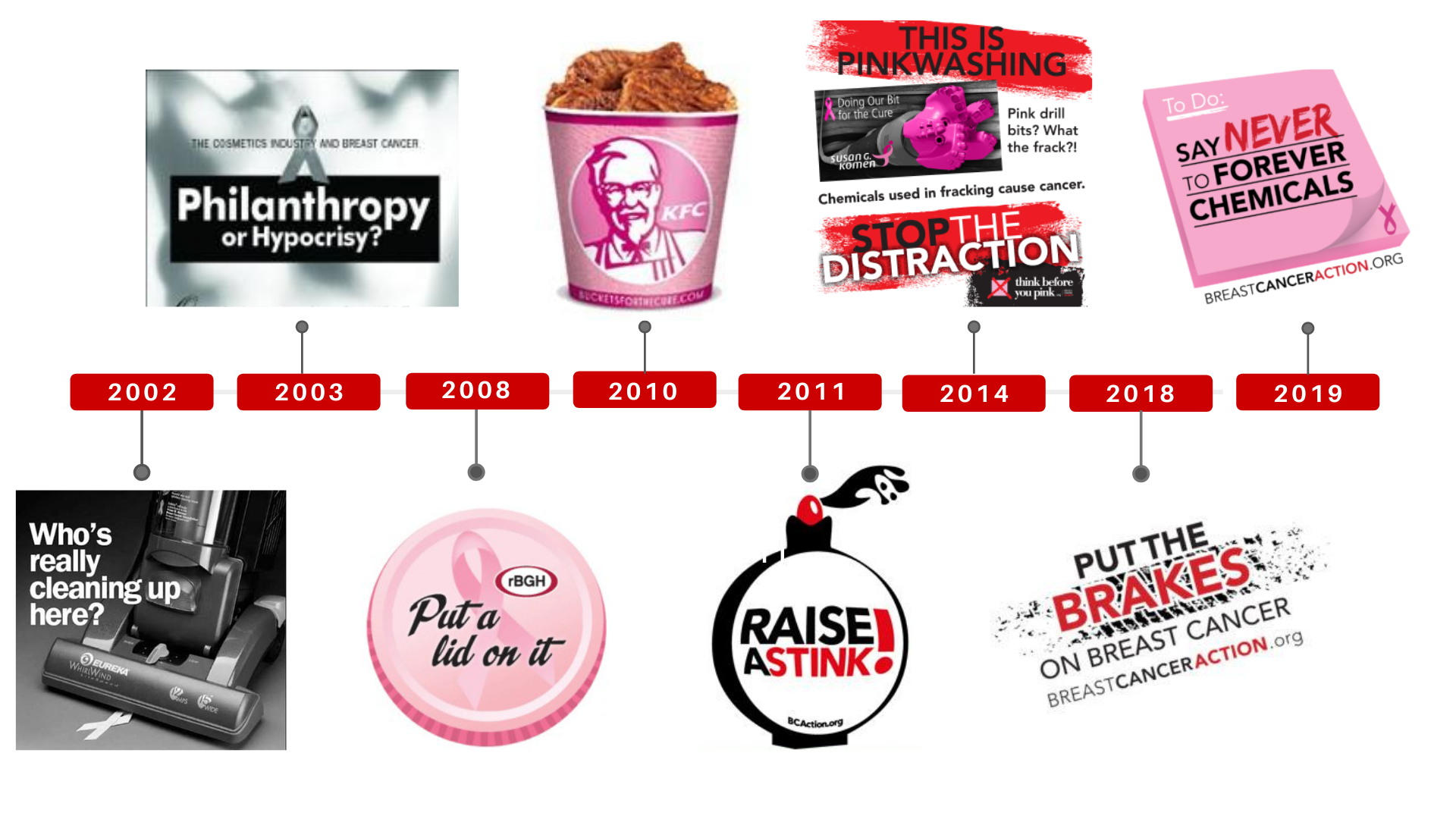
Historically, the cosmetic industry has been the most frequent offender. Brands have launched elaborate campaigns for “Cancer Awareness” while resisting regulations that would ban suspected carcinogens from their formulas. This creates a brand identity that is fundamentally fractured. Similarly, the fast-food industry has faced scrutiny for “Buckets for the Cure” campaigns, where fried food—linked to obesity and increased cancer risk—was sold in pink packaging. The brand message (we care about your health) was in direct opposition to the product’s utility (a high-calorie, processed meal). This misalignment leads to “Brand Cynicism,” where consumers view all future CSR efforts through a lens of distrust.
Lessons from High-Profile Campaigns
A major lesson for brand strategists is the importance of “attribution transparency.” In several notable cases, large corporations launched “pink” products but capped their donations at a very low amount (e.g., $50,000) despite making millions in incremental revenue from the campaign. When the cap was discovered, the brands were accused of profiteering. The lesson here is that in brand design and marketing communication, the “How” and “How Much” are just as important as the “Why.” Transparency is the only antidote to the accusation of pinkwashing.
Building Authentic Brands: Moving Beyond Performative Marketing
For a brand to avoid the pitfalls of pinkwashing, it must shift from performative marketing to “Authentic Advocacy.” This requires a top-down commitment to brand integrity that transcends the marketing calendar.
Radical Transparency and CSR
Authentic branding requires a “glass box” approach. If a company wants to support breast cancer awareness, it must first audit its own house. This includes ensuring safe labor practices, removing harmful chemicals from products, and providing comprehensive healthcare for its own employees. From a marketing standpoint, radical transparency means being vocal about what you haven’t achieved yet. A brand that says, “We are donating 10% of profits, but we are still working on removing harmful dyes from our packaging,” earns more trust than one that hides its flaws behind a pink logo.
Measuring Real Impact Over Promotional Reach
In traditional marketing, success is measured by impressions and reach. In ethical brand strategy, success should be measured by impact. Brands should move away from “awareness” (which is often a vague metric used to justify pinkwashing) and toward “action.” This might involve funding specific clinical trials, supporting grassroots legislation, or providing direct aid to marginalized communities. By focusing on tangible outcomes, a brand moves from being a “storyteller” to a “changemaker,” which is the pinnacle of modern brand positioning.
The Future of Ethical Branding in a Vigilant Consumer Market
The era of “passive consumption” is over. We are entering an era of “vigilant consumption,” where tools like social media and AI-driven transparency apps allow consumers to vet a brand’s history in seconds. For brand strategists, this means that pinkwashing is no longer just an ethical lapse—it is a business liability.
As Gen Z and Alpha become the dominant economic forces, their demand for “Brand Soul” will only increase. These cohorts are adept at spotting inauthenticity. They do not want brands that simply “care”; they want brands that “act.” The future of branding lies in consistency. If a brand identifies as an ally in October or June, it must remain an ally in December and January.
The strategy for the next decade is clear: Brand identity must be built on a foundation of truth. Companies must ensure that their social contributions are not just a line item in the marketing budget, but a core component of the business model. Pinkwashing may offer a temporary boost in visibility, but only authentic, cause-aligned branding can secure a permanent place in the hearts and minds of the modern consumer. By rejecting the superficial allure of the pink ribbon and embracing the hard work of genuine corporate responsibility, brands can build a legacy that survives the scrutiny of the digital age.