
The word “peroxidase” might sound like something confined to a high-tech laboratory or a complex scientific journal, but this fascinating enzyme plays a surprisingly vital role in countless biological processes, from the food we eat to the way our bodies defend themselves. Understanding what peroxidase is, how it functions, and its diverse applications can illuminate a fundamental aspect of biochemistry that impacts our daily lives in ways we might not even realize.
Unpacking the Basics: What Exactly is Peroxidase?
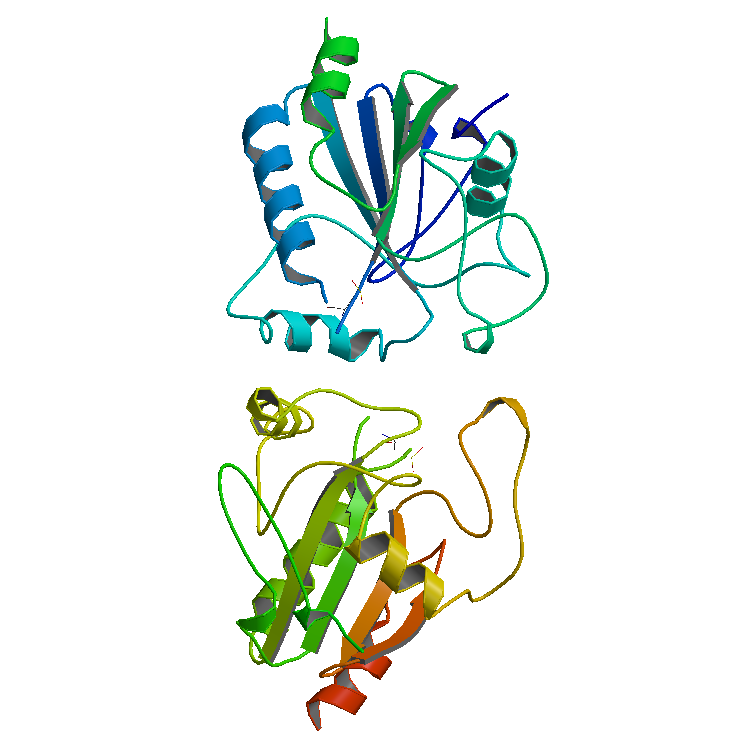
At its core, peroxidase is a catalytic enzyme. This means it significantly speeds up specific chemical reactions without being consumed in the process. Its primary function revolves around the decomposition of hydrogen peroxide (H₂O₂), a reactive oxygen species (ROS) that can be harmful to cells if allowed to accumulate. However, peroxidases don’t just break down hydrogen peroxide; they use it as an oxidizing agent to facilitate other chemical transformations.
The Chemical Machinery: How Peroxidases Work
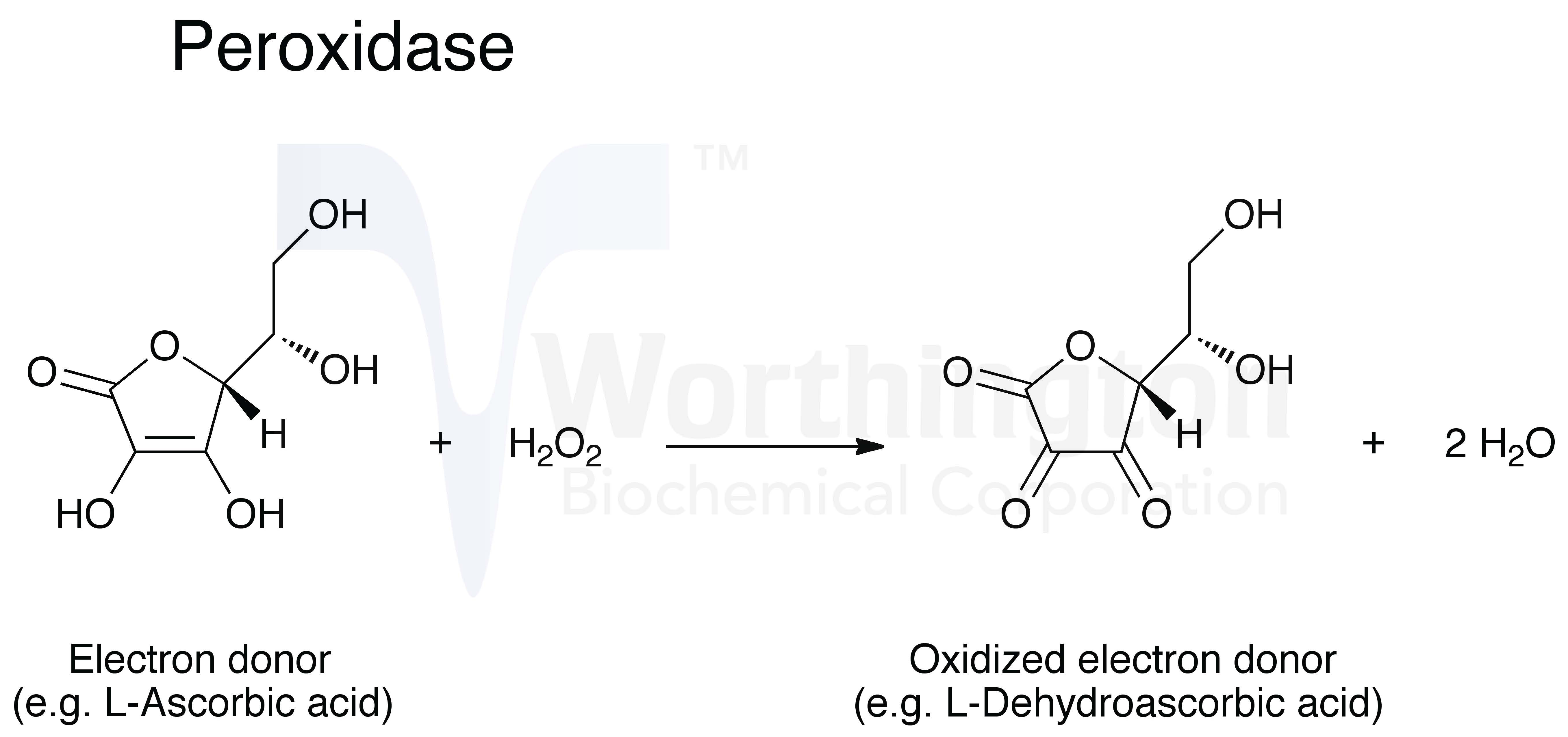
The general reaction catalyzed by peroxidases can be simplified as follows:
ROOH + electron donor → ROH + oxidized electron donor
Here, ROOH represents an organic hydroperoxide or hydrogen peroxide itself. The enzyme facilitates the transfer of an electron from a donor molecule to the peroxide, effectively reducing the peroxide and oxidizing the donor. This seemingly simple reaction is the cornerstone of many crucial biological functions.
Key characteristics of peroxidases include:
- Heme Group: Many peroxidases contain a heme prosthetic group. This is an iron-containing porphyrin ring, similar to the one found in hemoglobin, which is essential for binding and activating the peroxide substrate. The iron atom within the heme is central to the enzyme’s catalytic activity.
- Catalytic Cycle: Peroxidases operate through a complex catalytic cycle involving several intermediate oxidation states of the enzyme’s heme iron. This cycle allows them to efficiently transfer electrons and activate peroxide.
- Substrate Specificity: While their primary role involves peroxides, different peroxidases can exhibit varying degrees of specificity for their electron donors. This specificity allows for precise control over biological reactions.
- Ubiquity: Peroxidases are found in a vast array of organisms, from bacteria and plants to animals and humans. Their widespread presence underscores their fundamental importance in life.
Types of Peroxidases: A Diverse Family
The term “peroxidase” is a broad category encompassing several distinct enzymes. While they share the common goal of metabolizing peroxides, their specific structures, substrates, and locations can differ. Some of the most prominent types include:
Glutathione Peroxidase (GPx)
One of the most important and well-studied peroxidases in mammalian systems is glutathione peroxidase (GPx). This enzyme plays a critical role in cellular defense against oxidative stress.
- Mechanism: GPx catalyzes the reduction of hydrogen peroxide and organic hydroperoxides to water and alcohols, respectively, using glutathione (GSH) as a reducing agent.
- Significance: Oxidative stress, caused by an imbalance between ROS production and the body’s ability to neutralize them, is implicated in aging, inflammation, and numerous diseases, including cancer, cardiovascular disease, and neurodegenerative disorders. GPx is a vital component of the antioxidant defense system, protecting cells and tissues from damage.
- Selenium Dependence: A crucial aspect of GPx is its dependence on selenium. Selenium is incorporated into the active site of many GPx isoforms, forming a selenocysteine residue, which is essential for its catalytic activity. This highlights the importance of dietary selenium for proper enzyme function and antioxidant protection.
Catalase
While often discussed alongside peroxidases due to its role in peroxide metabolism, catalase is technically a distinct enzyme, although it shares some similarities.
- Function: Catalase is exceptionally efficient at breaking down hydrogen peroxide into water and oxygen:
2 H₂O₂ → 2 H₂O + O₂ - Location: It is primarily found in peroxisomes, specialized organelles within cells.
- Distinction: Unlike peroxidases, which use hydrogen peroxide to oxidize other substrates, catalase’s sole function is the rapid decomposition of H₂O₂. It acts as a primary defense against high concentrations of hydrogen peroxide that might overwhelm other antioxidant systems.
Lactoperoxidase (LPO)
Lactoperoxidase is a notable example of a peroxidase found in exocrine secretions.
- Presence: It is found in milk, saliva, tears, and nasal secretions in mammals.
- Antimicrobial Action: LPO is a key component of the lactoperoxidase system (LPS), which confers antimicrobial properties to these bodily fluids. In the presence of hydrogen peroxide and thiocyanate ions, LPO generates hypothiocyanous acid (HOSCN), a potent oxidizing agent that can kill bacteria, viruses, and fungi.
- Applications: This antimicrobial activity makes LPS valuable in various applications, including preserving raw milk, in oral hygiene products, and in wound care.
Horseradish Peroxidase (HRP)
Perhaps one of the most widely recognized and utilized peroxidases in research and diagnostics is horseradish peroxidase (HRP), isolated from the common horseradish plant.
- Enzyme Class: HRP belongs to the superfamily of plant peroxidases.
- Versatility: Its stability, cost-effectiveness, and ability to be easily conjugated (attached) to other molecules, such as antibodies, have made it an indispensable tool in various laboratory techniques.
- Applications: HRP is extensively used in:
- Enzyme-Linked Immunosorbent Assay (ELISA): For detecting and quantifying antigens or antibodies.
- Western Blotting: For detecting specific proteins.
- Immunohistochemistry: For visualizing specific molecules in tissue samples.
- Chromogenic Substrates: HRP, when coupled with specific substrates, produces a visible color change, allowing for easy detection of the presence of the enzyme and, by extension, the molecule it’s attached to.
The Broad Spectrum of Peroxidase Applications
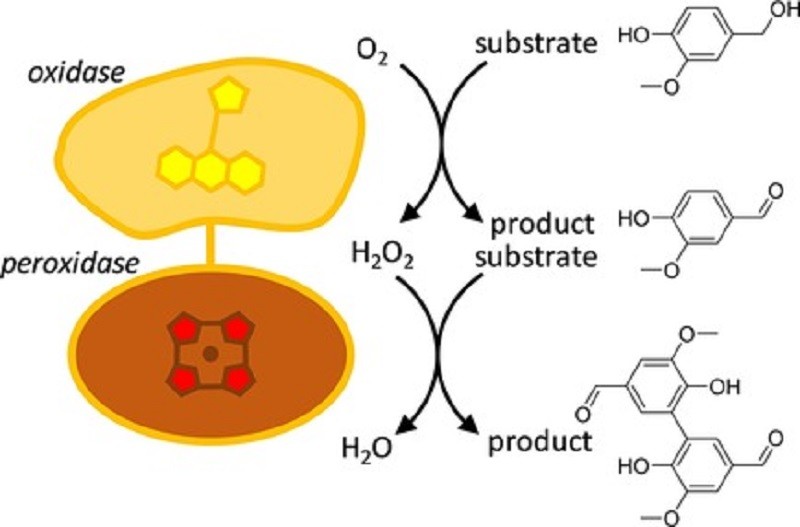
The catalytic prowess and diverse types of peroxidases translate into a wide range of applications across various industries and scientific disciplines. Their ability to facilitate oxidation reactions under mild conditions makes them attractive alternatives to harsher chemical oxidants.
Peroxidases in Biotechnology and Diagnostics
The use of peroxidases in biotechnology and diagnostic assays is perhaps their most visible and impactful application. As mentioned with HRP, their ability to be coupled with detection systems provides sensitive and specific means of identifying biological molecules.
- Immunoassays: ELISAs and Western blots rely heavily on enzyme-linked antibodies, where peroxidases are frequently employed as the reporter enzyme. The enzymatic reaction generates a signal that is proportional to the amount of target molecule present.
- Point-of-Care Diagnostics: Peroxidase-based tests are also used in rapid diagnostic kits for medical conditions, such as detecting glucose levels in blood (though glucose oxidase is more commonly used here, it often works in conjunction with a peroxidase system for signal amplification) or identifying the presence of certain pathogens.
- Genetic Analysis: In some molecular biology techniques, peroxidases can be used to detect specific DNA or RNA sequences.
Peroxidases in Food Science and Safety
The food industry leverages peroxidases for both processing and quality control.
- Enzymatic Browning: In fruits and vegetables, peroxidases are involved in enzymatic browning, a process that can affect appearance and shelf life. Understanding and controlling these peroxidase activities is crucial for preserving the aesthetic appeal of fresh produce.
- Sterilization and Preservation: The antimicrobial properties of the lactoperoxidase system (LPS) are utilized to improve the microbiological safety and shelf life of raw milk and other dairy products. By generating reactive oxygen species, LPS can inhibit the growth of spoilage microorganisms without the need for heat treatment, thus preserving nutritional and sensory qualities.
- Detection of Spoilage: The presence and activity of certain peroxidases can also be indicators of food spoilage or microbial contamination.
Peroxidases in Environmental Applications
The oxidizing power of peroxidases makes them valuable tools for environmental remediation.
- Wastewater Treatment: Peroxidases can be employed to degrade recalcitrant organic pollutants in industrial wastewater. They can break down a variety of toxic compounds, including phenols, pesticides, and dyes, into less harmful substances.
- Bioremediation: In situ bioremediation strategies can utilize peroxidases to detoxify contaminated soil and groundwater.
- Biosensors: Peroxidase-based biosensors are being developed for detecting pollutants in water and air, offering rapid and sensitive monitoring capabilities.
Peroxidases in Industrial Processes
Beyond food and environmental applications, peroxidases find niches in various industrial processes.
- Textile Industry: Peroxidases can be used in the bleaching of textiles, offering a more environmentally friendly alternative to traditional chemical bleaching agents.
- Pulp and Paper Industry: Similar to textiles, peroxidases can be utilized for bleaching wood pulp.
- Chemical Synthesis: In certain chemical manufacturing processes, peroxidases can act as biocatalysts for specific oxidation reactions, offering selectivity and efficiency.
The Future of Peroxidase Research and Application
As our understanding of biochemistry and enzyme engineering advances, the potential applications of peroxidases continue to expand. Research is actively exploring new avenues for harnessing the power of these remarkable enzymes.
Enhancing Enzyme Stability and Activity
One area of focus is improving the stability and catalytic activity of peroxidases. Through protein engineering and directed evolution techniques, scientists aim to create peroxidases that can function optimally under a wider range of conditions, such as extreme temperatures, pH levels, or in the presence of inhibitory substances. This would unlock their potential for more demanding industrial and environmental applications.
Developing Novel Biosensors
The development of highly sensitive and specific peroxidase-based biosensors remains a significant area of research. Future biosensors could offer real-time monitoring for a multitude of analytes, ranging from disease biomarkers in clinical settings to environmental toxins and agricultural contaminants. Miniaturization and integration into portable devices will further enhance their utility.
Expanding Biocatalytic Roles
The exploration of novel biocatalytic roles for peroxidases is ongoing. Researchers are investigating their potential in the synthesis of new pharmaceuticals, fine chemicals, and biofuels. Their ability to perform selective oxidations under mild conditions offers a green chemistry approach to complex chemical transformations.
Understanding Health and Disease
Further research into the role of endogenous peroxidases in human health and disease is crucial. Understanding how variations in peroxidase activity contribute to or protect against conditions like cancer, cardiovascular disease, and neurodegenerative disorders could lead to new therapeutic strategies. This includes exploring the development of peroxidase mimetics or activators as potential drug candidates.
In conclusion, peroxidases are far more than just biochemical curiosities. They are indispensable enzymes that perform critical functions in living organisms and have found widespread application in diverse fields. From defending our cells against oxidative damage to revolutionizing diagnostic tools and offering sustainable solutions for environmental challenges, peroxidases continue to be a testament to the elegant and powerful chemistry of life. As research progresses, we can anticipate even more innovative and impactful uses for this remarkable family of enzymes.
aViewFromTheCave is a participant in the Amazon Services LLC Associates Program, an affiliate advertising program designed to provide a means for sites to earn advertising fees by advertising and linking to Amazon.com. Amazon, the Amazon logo, AmazonSupply, and the AmazonSupply logo are trademarks of Amazon.com, Inc. or its affiliates. As an Amazon Associate we earn affiliate commissions from qualifying purchases.