
In the world of commercial aesthetics, few products or services have undergone a transformation as radical as the perm. To the uninitiated, a perm (short for “permanent wave”) is a chemical process used to alter the hair’s natural texture, creating curls or waves that last for several months. However, from the perspective of brand strategy and corporate identity, the perm represents much more than a cosmetic procedure; it is a masterclass in product lifecycle management, rebranding, and market adaptation.
For decades, the perm was shackled to the visual identity of the 1980s—a period characterized by high-volume, often aggressive aesthetics that eventually fell out of favor. Yet, in the modern era, the perm has been successfully repositioned as a premium, sophisticated service. This article explores the “what” of the perm hairstyle through the lens of brand strategy, examining how a legacy service can be revitalized for a new generation of consumers.
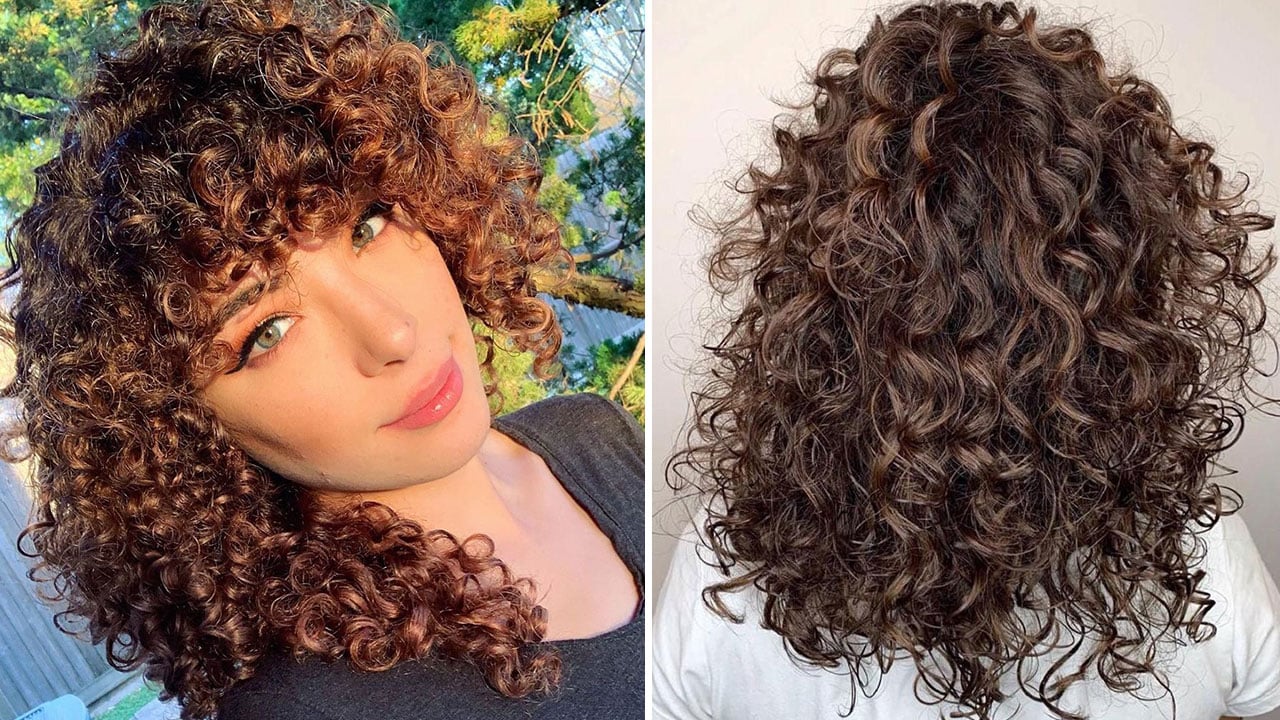
The Evolution of Perception: From Legacy Stigma to Modern Luxury
The first step in understanding the modern perm is recognizing the “brand baggage” it carried for nearly thirty years. In the late 20th century, the perm was a mass-market commodity. It was accessible, ubiquitous, and eventually, overexposed. This led to a decline in brand equity, as the “perm” became synonymous with outdated styles and chemical damage.
Overcoming Negative Brand Equity
In brand strategy, negative equity occurs when the associations consumers have with a name are detrimental to its current market goals. To combat this, the hair industry did not simply improve the chemical formulas; they engaged in a multi-decade rebranding effort. By distancing the service from the “big hair” of the past and aligning it with modern “effortless” beauty trends, the industry shifted the perm from a “correctional” tool to an “aspirational” one. This shift demonstrates how businesses can pivot their core offerings by changing the narrative surrounding the product’s utility.
The Power of Terminological Rebranding
One of the most effective strategies used to revitalize the perm was the introduction of new nomenclature. Instead of marketing a “perm,” salons began offering “beach waves,” “digital perms,” “texture services,” and “permanent blowouts.” In branding, the name of a service dictates its perceived value. By utilizing terms that evoke specific, desirable outcomes rather than the chemical process itself, brands were able to shed the stigma of the “perm” while selling the exact same fundamental technology. This is a vital lesson for any brand: sometimes the product is perfect, but the name is obsolete.
Leveraging Niche Marketing: The Rise of the Digital Perm and Global Influence
The resurgence of the perm cannot be discussed without acknowledging the influence of regional brand identities, specifically from East Asia. The “Digital Perm,” a technique involving temperature-controlled heating rods monitored by a computer, revolutionized the category’s brand identity.
Regional Influence on Global Brand Identity
South Korea and Japan successfully rebranded the perm as a high-tech, luxury experience. This “K-Beauty” influence acted as a powerful endorsement, providing the perm with a new, prestigious origin story. In global branding, leveraging the reputation of a specific region—like Swiss watches or Italian leather—can provide an instant lift to a product’s perceived quality. The “Korean Perm” became a brand in its own right, characterized by soft, natural-looking waves that contrasted sharply with the frizzy perms of the West’s past.
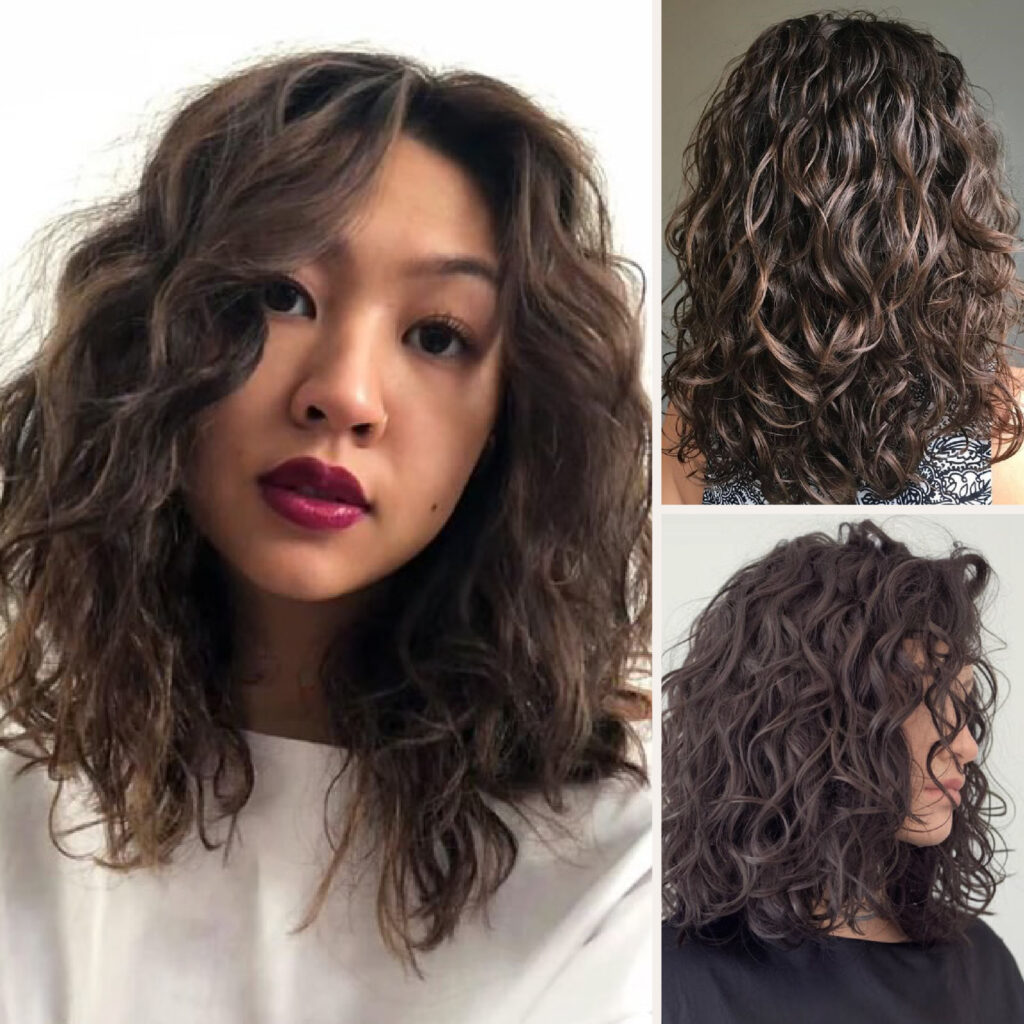
Influencer Marketing and the Viral Visual
The modern perm’s success is also a result of strategic visual branding on platforms like Instagram and TikTok. Before-and-after transformations serve as powerful “case studies” for the service. When a brand can show a tangible, aesthetic ROI (Return on Investment) through a 15-second video, the barrier to purchase drops significantly. The “perm” transitioned from a risky chemical gamble to a curated “look” backed by social proof. For brands, this highlights the importance of visual storytelling in the digital age—customers no longer buy a service; they buy the photographed result.
Building a Corporate Identity Around Specialized Expertise
For a salon or a beauty brand, the perm is a “high-stakes” service. It requires specialized training, expensive equipment, and significant time. From a brand strategy standpoint, this makes the perm a “moat”—a service that differentiates a business from competitors who only offer low-skill, high-volume commodities.
Service Specialization as a Competitive Moat
In a crowded marketplace, a brand must stand for something specific. Salons that identify as “Perm Specialists” are utilizing a niche branding strategy to command higher prices. By focusing on a difficult-to-master service, these businesses move away from being generalists. This specialization builds a corporate identity centered on authority and trust. When a customer seeks a perm, they are looking for an expert, not a generalist, and they are willing to pay a premium for that perceived reduction in risk.
Experience Design: The Salon as a Brand Touchpoint
The process of getting a perm—which can take three to five hours—is a significant brand touchpoint. Modern salons have capitalized on this by designing the “experience” around the service. High-end seating, artisanal coffee, and a “tech-forward” atmosphere transform a long waiting period into a luxury retreat. This is a crucial aspect of brand strategy: the product is the curl, but the brand is the feeling the customer has while waiting for that curl to set. Businesses that master “experience design” turn a logistical hurdle (long service time) into a brand-strengthening opportunity.
Strategy and Longevity: Sustainability in Service Branding
The final pillar of the perm’s rebranding success is its alignment with the “low-maintenance” lifestyle brand. In an era where “time is the new currency,” the perm is marketed as a time-saving investment.
The Psychology of Style as Personal Branding
For the consumer, a perm is an extension of their personal brand. In professional circles, personal branding often involves maintaining a consistent, polished appearance with minimal daily effort. The modern perm caters to this by promising “woke-up-like-this” hair. By positioning the perm as a productivity tool—reducing the 30 minutes spent on styling each morning—brands have successfully appealed to the high-achieving, busy professional demographic. This alignment with the consumer’s lifestyle goals is the pinnacle of effective brand positioning.

Maintaining Brand Consistency Across High-Turnover Industries
One of the greatest challenges in the beauty industry is maintaining a consistent brand identity when the service is delivered by individual contractors or stylists. Top-tier salon brands solve this by creating “Standard Operating Procedures” (SOPs) for their perms. This ensures that whether a customer gets a perm in New York or London, the brand’s signature “look” and “feel” remain identical. This level of institutionalized quality control is what separates a local business from a global brand.
In conclusion, the “perm hairstyle” is a fascinating example of how a product can be destroyed by its own success, languish in the “uncool” valley for decades, and then be meticulously reconstructed as a high-tech, luxury necessity. For brand strategists, the lesson is clear: no product is truly “dead” if its core utility remains. Through clever renaming, niche targeting, and a focus on experience design, even the most dated concept can be rebranded into a modern market leader. The perm is no longer just a hairstyle; it is a testament to the power of strategic brand evolution.
aViewFromTheCave is a participant in the Amazon Services LLC Associates Program, an affiliate advertising program designed to provide a means for sites to earn advertising fees by advertising and linking to Amazon.com. Amazon, the Amazon logo, AmazonSupply, and the AmazonSupply logo are trademarks of Amazon.com, Inc. or its affiliates. As an Amazon Associate we earn affiliate commissions from qualifying purchases.