
The culinary world is a vibrant tapestry of ingredients, each with its own story, origin, and unique characteristics. Among these, couscous holds a special place, particularly its charming, bead-like cousin: pearl couscous. Often mistaken for a tiny pasta or a peculiar grain, pearl couscous, also known as Israeli couscous or ptitim, is a staple in many cuisines, celebrated for its delightful texture and versatility. But what exactly is this curious ingredient made of? At its heart, pearl couscous is far simpler than its gourmet reputation might suggest, rooted in the fundamental elements of baking and culinary tradition.
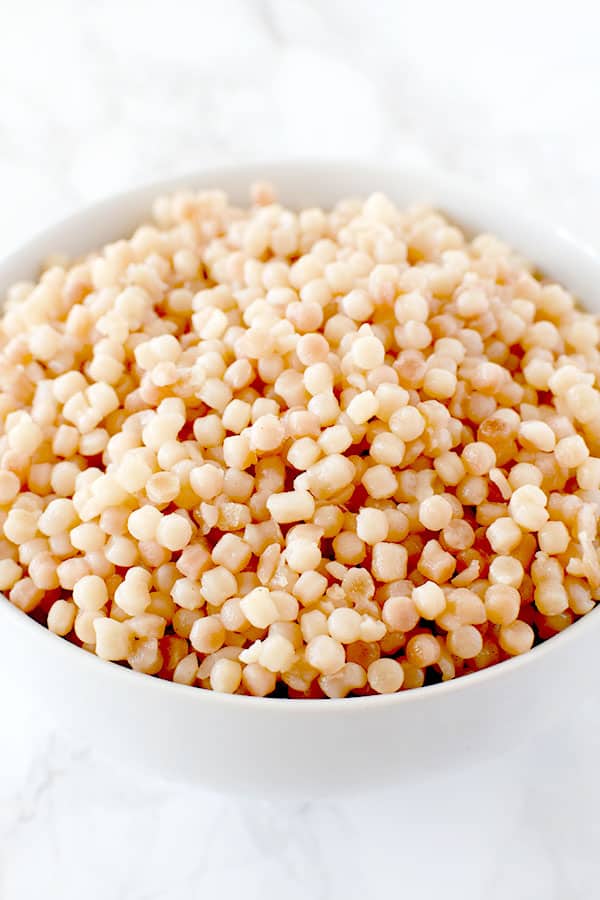
While the question “what is pearl couscous made of” seems straightforward, understanding its composition and production can unlock a deeper appreciation for its place on our plates. This exploration will delve into its core ingredients, the fascinating process of its creation, and how its unique form influences its culinary applications.
The Fundamental Foundation: Semolina’s Sweet Secret
At the very core of pearl couscous lies semolina. This is the primary ingredient, the building block from which these tiny spheres are formed. But what is semolina?
Semolina: A Durum Wheat Derivative
Semolina is a coarse flour made from durum wheat, a hard variety of wheat renowned for its high protein content and its ability to hold its shape when cooked. Durum wheat is distinct from the softer wheats commonly used for all-purpose flour. Its exceptional hardness means it requires specialized milling processes.
When durum wheat is ground, it yields three main types of flour: farina (finest), semolina (coarser), and durum flour (intermediate). For couscous, and specifically pearl couscous, it’s the semolina that’s the star. This coarse, granular flour is golden yellow in color, a visual cue to its high beta-carotene content, which also contributes to its appealing hue.
The key characteristic of semolina that makes it ideal for couscous is its gluten strength. Gluten is a protein complex that gives dough its elasticity and structure. Durum wheat’s high gluten content ensures that the small granules of semolina can be shaped and then withstand the cooking process without disintegrating. This is crucial for the distinct, chewy texture that defines pearl couscous.
The Simple Addition: Water
Beyond semolina, the only other essential ingredient in traditional pearl couscous is water. The water is used to bind the semolina together, forming a dough. This dough is then processed into the characteristic small spheres.
It’s this simplicity that makes pearl couscous such a fascinating food item. Unlike many modern processed foods, its creation relies on very basic culinary principles: mixing a grain product with water to create a cohesive mass. The magic happens in the subsequent steps.
The Art of Transformation: From Semolina to Spheres
The process of transforming semolina and water into pearl couscous is where the culinary craft truly shines. It’s a method that has been refined over centuries, resulting in the uniform, appealing shape we recognize today.
The Traditional Method: Hand-Rolling and Steaming (and its Modern Equivalents)
Historically, couscous (and by extension, its larger-grained cousin) was made by hand. Semolina would be moistened with water and then rolled between the hands, often with a light dusting of semolina flour to prevent sticking, until small granules formed. These granules were then steamed, often multiple times, to cook them through and achieve their characteristic texture.
While the traditional hand-rolling method still exists and is cherished for its artisanal quality, modern production of pearl couscous has become far more mechanized. Industrial processes utilize specialized machinery that replicates and optimizes this rolling and steaming technique.
The key stages involve:
- Dough Formation: Semolina is mixed with water to create a stiff dough.
- Granulation: This dough is then fed through machines that essentially “roll” or “cut” it into tiny, spherical shapes. This can involve extruding the dough and then breaking it into small pieces, or using specialized rollers. The exact mechanism varies between manufacturers, but the goal is always to create uniform, bead-like granules.
- Drying/Toasting: After forming, the granules are dried. In some modern preparations, especially for pre-cooked or quick-cooking varieties, this drying process might involve toasting. Toasting adds a deeper, nuttier flavor and a slightly firmer texture to the couscous, making it more robust and less likely to become mushy when cooked. This toasting step is a significant contributor to the distinctive taste profile of pearl couscous compared to finer, steamed couscous.
- Steaming/Cooking: The granules are then typically steamed to fully cook them. For many commercially available pearl couscous products, this steaming is done during the manufacturing process, resulting in “pre-cooked” or “instant” couscous that only requires rehydration with hot water.
The result of this meticulous process is a product that looks almost like tiny beads of pasta, but its origin story is firmly rooted in grain.
The “Ptitim” Innovation: A Post-War Reinvention
The story of pearl couscous is also intertwined with a fascinating piece of culinary history. The development of ptitim, a type of pearl couscous that gained widespread popularity in Israel, is a testament to innovation born out of necessity.
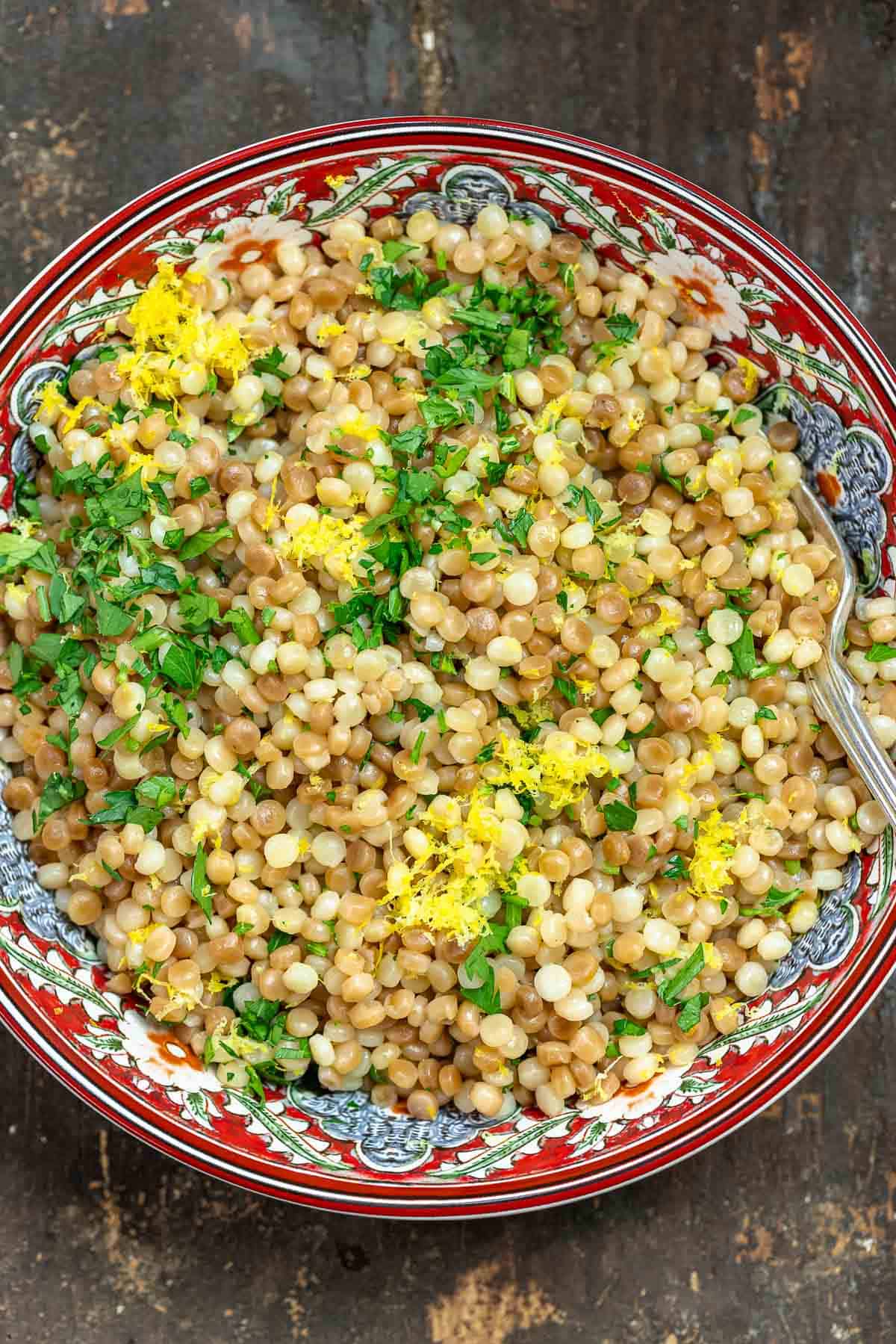
During the austerity period in Israel in the 1950s, staple foods were rationed. Osem, an Israeli food company, sought to create a more substantial and versatile alternative to rice, which was scarce. They experimented with semolina, initially producing a small, pellet-shaped pasta. This innovation proved incredibly successful, and the product, known as “ptitim,” quickly became a beloved staple.
Ptitim is essentially a toasted, pearl-shaped pasta made from durum wheat semolina. Its creation was a direct response to wartime shortages, demonstrating how culinary ingenuity can emerge from challenging circumstances. The success of ptitim likely influenced the global perception and availability of pearl couscous, solidifying its place as a distinct category of couscous. While not all pearl couscous is ptitim, the underlying principles of its creation – using semolina and forming it into small, toasted spheres – are shared.
Beyond the Basics: What Else Might Be in Your Pearl Couscous?
While the core ingredients of pearl couscous are semolina and water, and the production process focuses on forming and cooking these components, commercially produced versions can sometimes include minor additions to enhance flavor, shelf life, or cooking convenience.
Flavor Enhancers and Preservatives
- Salt: A small amount of salt is often added during the dough-making process or to the final product to enhance flavor.
- Oils: In some instances, a very small amount of vegetable oil might be used during the manufacturing process to aid in the rolling or toasting of the granules, preventing them from sticking to machinery.
- Fortification: Like many grain products, pearl couscous can be fortified with vitamins and minerals, such as iron and B vitamins, to boost its nutritional profile, especially in regions where these micronutrients are commonly deficient.
These additions are typically minimal and are clearly indicated on the product packaging according to food labeling regulations. The fundamental nature of pearl couscous, however, remains its semolina base.
The “Pasta” Misconception: A Matter of Definition
It’s common for people to ask if pearl couscous is a type of pasta. Given its appearance and the fact that it’s made from semolina, which is also a primary ingredient in many Italian pastas, the confusion is understandable.
However, the distinction lies primarily in the culinary tradition and preparation method. While both utilize semolina and water, traditional couscous is a steamed product, a staple of North African cuisine. Pasta, on the other hand, is typically boiled in water and is central to Italian cuisine.
Pearl couscous, particularly ptitim, straddles this line. Its visual resemblance to tiny pasta shapes and its toasting process can lead it to be categorized with pasta. However, its origin and the broader definition of couscous (which involves steaming rather than boiling for traditional varieties) place it firmly within the couscous family. The key is that both are derived from the same fundamental ingredient: durum wheat semolina.
The Culinary Canvas: How its Composition Dictates its Use
The composition of pearl couscous – its granular form, the robustness of semolina, and its toasting – directly influences its culinary applications.
Texture and Mouthfeel: A Satisfying Bite
The small, spherical shape of pearl couscous creates a delightful chewy texture with a satisfying bite. Unlike the softer, fluffier texture of traditional Moroccan or Tunisian couscous, pearl couscous holds its shape well, offering a more substantial mouthfeel. This makes it an excellent base for dishes where you want distinct grains rather than a fluffy mound.
The toasting process further contributes to this texture, adding a subtle firmness that prevents the granules from becoming clumpy or mushy, even when cooked in sauces or broths.
Absorbency and Flavor Pairing
Pearl couscous is a fantastic flavor absorber. Its porous surface readily soaks up the liquids it’s cooked in, whether it’s water, broth, or sauce. This makes it an ideal vehicle for carrying the flavors of herbs, spices, and other ingredients in a dish.
The slightly nutty undertones imparted by the toasting process also allow it to pair beautifully with a wide range of flavors, from savory Mediterranean herbs and roasted vegetables to zesty lemon and fresh parsley.

Versatility in Application
Because of its texture and flavor-absorbing qualities, pearl couscous is incredibly versatile:
- Salads: It’s a popular base for cold salads, providing a hearty and visually appealing element. Think of Mediterranean chickpea salads or Middle Eastern-inspired grain bowls.
- Side Dishes: It can be prepared simply with broth and herbs as a stand-alone side dish, offering a lighter alternative to rice or pasta.
- Soups and Stews: Its ability to absorb flavors makes it a wonderful addition to soups and stews, adding body and substance.
- Main Courses: It can be incorporated into vegetarian dishes, served as a bed for grilled meats or fish, or even used in creative ways in pilafs.
The question of “what is pearl couscous made of” leads us to a simple yet profound understanding of its identity: it’s a testament to the transformative power of a humble grain, semolina, shaped and cooked with care to become a culinary star in its own right. Its resilience, texture, and ability to carry flavor make it a beloved ingredient across diverse cuisines, proving that sometimes, the simplest ingredients yield the most delightful results.
aViewFromTheCave is a participant in the Amazon Services LLC Associates Program, an affiliate advertising program designed to provide a means for sites to earn advertising fees by advertising and linking to Amazon.com. Amazon, the Amazon logo, AmazonSupply, and the AmazonSupply logo are trademarks of Amazon.com, Inc. or its affiliates. As an Amazon Associate we earn affiliate commissions from qualifying purchases.