
In the landscape of software development, the C programming language remains a cornerstone of modern computing. From operating system kernels to embedded systems and high-performance applications, C’s efficiency is unmatched. At the heart of this efficiency lies the concept of functions, and by extension, the mechanism of passing data into these functions: parameters. Understanding parameters in C is not merely a syntax requirement; it is a fundamental skill that dictates how memory is managed, how data flows through a program, and how modular, reusable code is constructed.
The Core Concepts of Function Parameters
To master C, one must first distinguish between the abstract structure of a function and the live data it processes. Functions are designed to perform specific tasks, but to be truly useful, they often require input data to operate on. This is where parameters come into play.

Defining Parameters vs. Arguments
In technical discussions, the terms “parameter” and “argument” are frequently used interchangeably, yet they represent two distinct stages of a function’s lifecycle.
A parameter (often called a formal parameter) is a variable defined in the function declaration or definition. It acts as a placeholder, signaling to the compiler that the function expects a value of a specific type. For example, in the definition void calculateArea(int length, int width), length and width are parameters. They have no value until the function is actually executed.
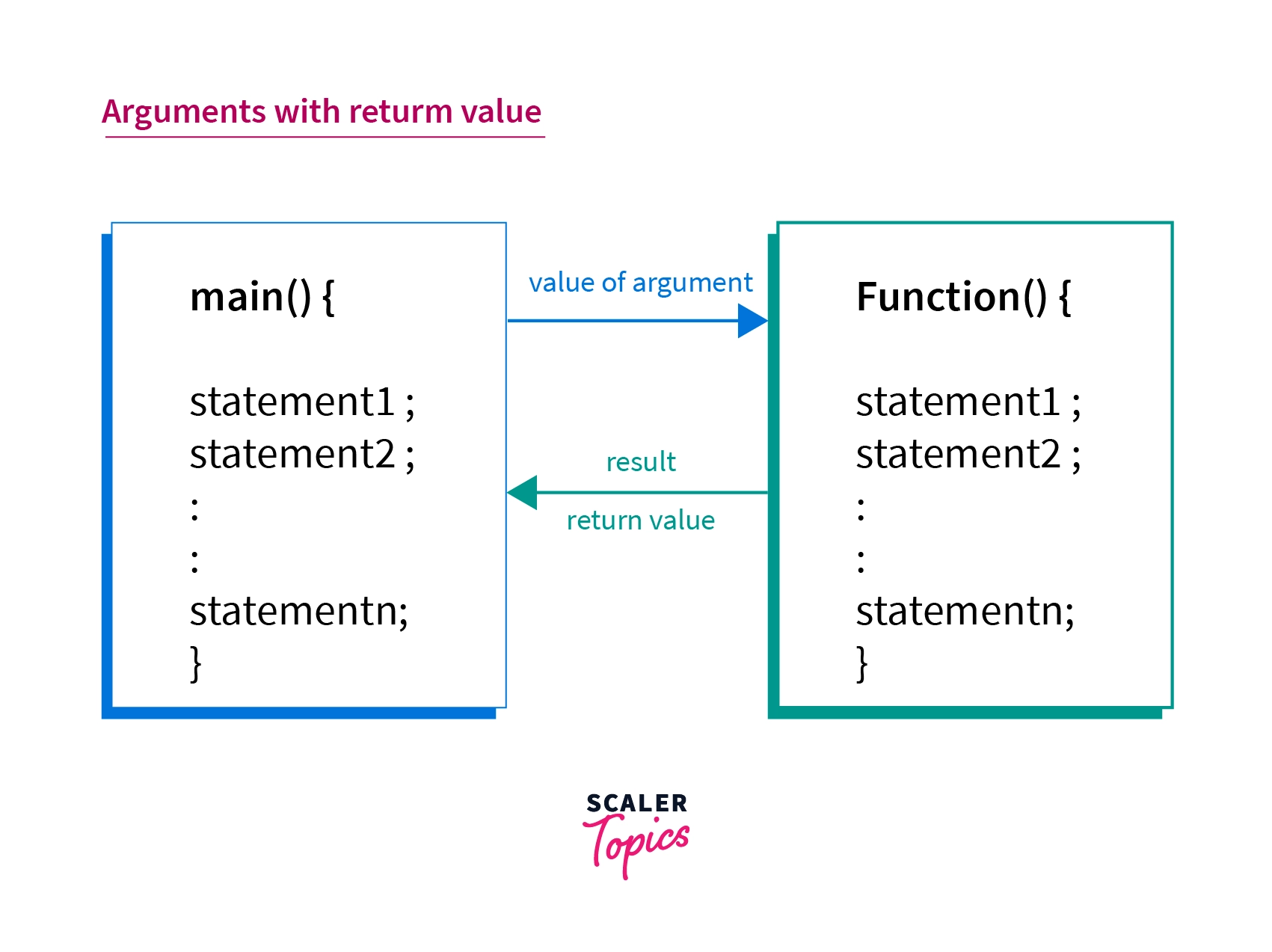
An argument (or actual parameter), on the other hand, is the actual value or variable passed to the function when it is called. If you write calculateArea(10, 5);, the numbers 10 and 5 are the arguments. During execution, the value of the argument is mapped to the corresponding parameter, allowing the function to perform its logic using real-world data.
The Role of the Function Prototype
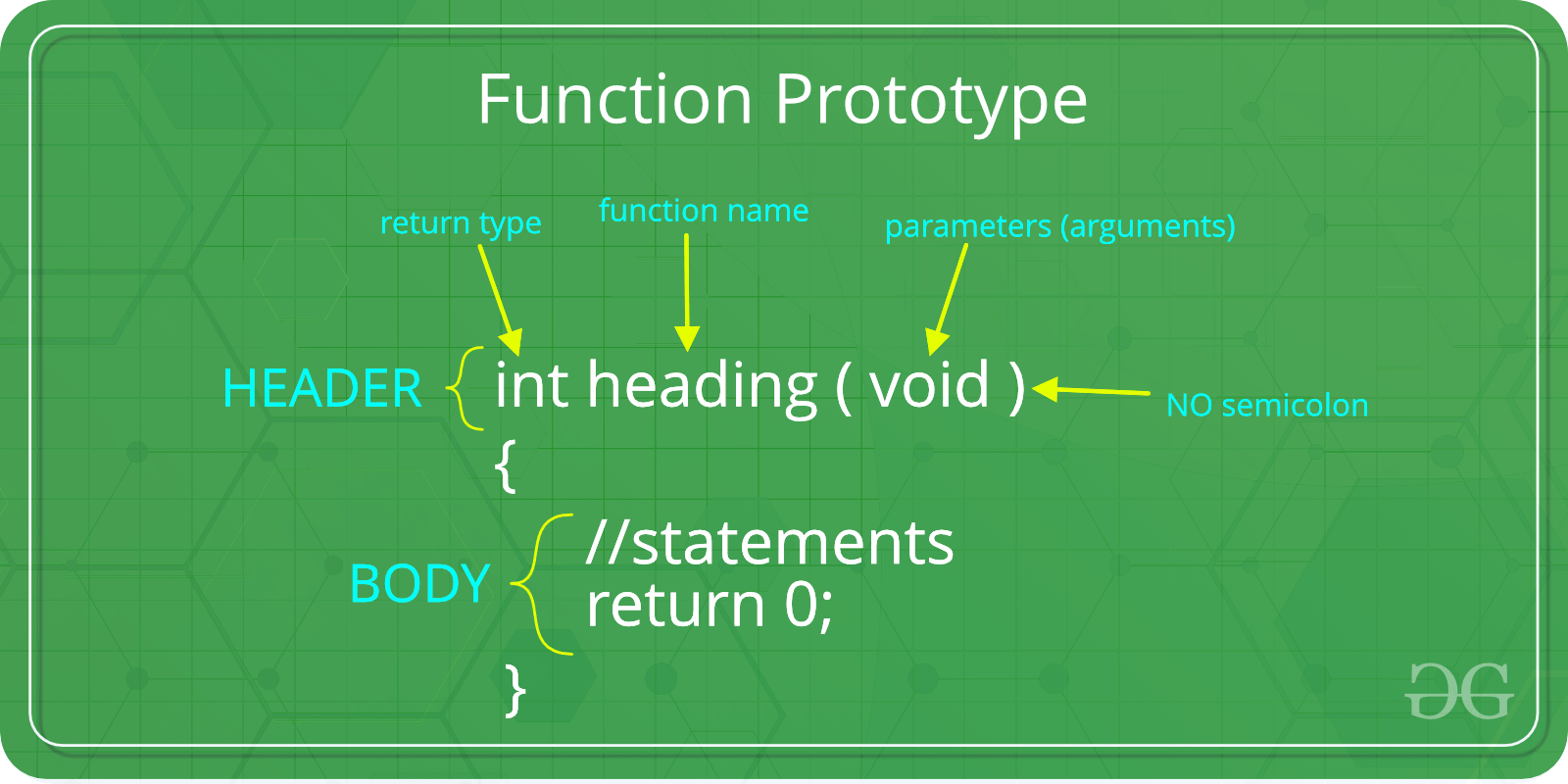
In C, the compiler needs to know about a function’s signature before it is used. This is achieved through a function prototype. The prototype specifies the return type, the function name, and the types of its parameters.
Including parameter types in the prototype is crucial for type checking. If a function is defined to take an int but the programmer mistakenly passes a char* (a string), the compiler will flag this error, preventing potential runtime crashes or undefined behavior. This structured approach to parameters ensures that data integrity is maintained throughout the software’s execution.
Mechanics of Data Transfer: Pass-by-Value and Pass-by-Reference
One of the most critical distinctions in C programming—and one that often trips up beginners—is the method by which parameters are passed. Unlike some high-level languages that handle memory management automatically, C gives the developer direct control over how data is copied or accessed.
How Pass-by-Value Works in C
By default, C utilizes a mechanism known as pass-by-value. When an argument is passed to a function, the system creates a copy of that data and stores it in a new memory location assigned to the function’s parameter.
The primary implication of pass-by-value is isolation. Because the function is working with a copy, any modifications made to the parameter inside the function do not affect the original variable in the calling code. This is excellent for security and preventing side effects. For instance, if you pass a variable x to a function that increments it, the x in your main() function remains unchanged. However, this method can be inefficient when dealing with large datasets, such as massive structures, because copying large amounts of data consumes time and stack memory.
Simulating Pass-by-Reference with Pointers
C does not have a native “pass-by-reference” syntax like C++ or Java. Instead, it simulates this behavior using pointers. By passing the memory address of a variable (a pointer) as an argument, you allow the function to access and modify the original data directly.
In this scenario, the parameter is a pointer. Inside the function, you “dereference” the pointer to reach the actual value. This is the standard way to return multiple values from a function or to modify an existing variable. It is also the most efficient way to handle large data structures, as only the address (usually 4 or 8 bytes) is copied, regardless of how large the underlying data is. Understanding this distinction is vital for optimizing performance in resource-constrained environments like IoT devices or system drivers.
Diversifying Data Input: Arrays, Structs, and Variadic Functions
As applications grow in complexity, the data being passed to functions moves beyond simple integers and characters. C provides specific rules for handling complex data types as parameters.
Handling Arrays as Parameters
A common point of confusion is how arrays interact with function parameters. In C, you cannot truly pass an entire array by value. When you pass an array to a function, it “decays” into a pointer to its first element.
Therefore, a function signature like void processData(int arr[]) is technically equivalent to void processData(int *arr). Because the function only receives a pointer, it has no inherent knowledge of the array’s size. This is why professional C code almost always includes a second parameter to specify the array’s length: void processData(int *arr, size_t size). Failing to track the size via parameters is a leading cause of buffer overflows, a major security vulnerability in the tech industry.
Passing Structures to Functions
Structures (structs) allow developers to group related data. Unlike arrays, structs can be passed by value. If you pass a struct to a function, the entire block of memory is copied. While this is straightforward, it is often discouraged for large structs due to performance overhead.
The industry standard is to pass a pointer to the struct (void updateProfile(User *u)). This allows the function to use the “arrow operator” (->) to access members efficiently. This approach combines the organizational benefits of structs with the performance benefits of pointer-based parameter passing.
Introduction to Variadic Parameters
Sometimes, a developer doesn’t know how many arguments will be passed to a function. The most famous example of this is printf(), which can take one, two, or twenty arguments. This is handled through variadic parameters, denoted by the ellipsis (...) in the function signature. Using the stdarg.h library, a function can iterate through an unknown number of arguments. While powerful, variadic functions should be used sparingly as they bypass some of the compiler’s type-checking protections.
Optimization and Best Practices: Writing Clean and Efficient Code
Writing code that works is the first step; writing code that is professional, secure, and maintainable requires a deeper focus on how parameters are utilized.
Const-Correctness and Security
In modern software engineering, security is paramount. When passing pointers to functions, there is a risk that the function might accidentally modify data it should only be reading. To prevent this, C uses the const keyword.
By defining a parameter as void displayData(const char *message), the developer tells the compiler—and other team members—that the function will not change the data being pointed to. If the function tries to modify message, the compiler will throw an error. This practice, known as “const-correctness,” is a hallmark of high-quality C programming. It serves as a form of self-documentation and a robust defense against bugs.
Memory Management and Scope Considerations
Every time a function is called, its parameters are pushed onto the “stack,” a region of memory dedicated to temporary data. When the function returns, this memory is reclaimed.
Professional developers must be mindful of the “scope” of their parameters. A common mistake is returning a pointer to a local parameter or a local variable. Since that memory is cleared once the function finishes, the pointer becomes “dangling,” leading to unpredictable crashes.
Furthermore, when dealing with a high number of parameters—often called “Long Parameter List” in refactoring circles—it is best to group related parameters into a single struct. This makes the function call cleaner and the code easier to read. For example, instead of a function with six parameters for coordinates and colors, passing a single RenderConfig struct is much more efficient and maintainable.
Conclusion
Parameters are the conduits of logic in C programming. They define how a program communicates with its various parts and how it manages the hardware’s resources. From the basic distinction between pass-by-value and pointers to the nuances of const qualifiers and variadic functions, mastering parameters is essential for any developer looking to excel in systems programming or software engineering. By adhering to best practices and understanding the underlying memory mechanics, programmers can write C code that is not only functional but also fast, secure, and elegant.