
In the rapidly evolving landscape of global information technology, few names carry as much weight or historical significance as Oracle. For decades, Oracle has been synonymous with the “database,” but today, it represents a sprawling ecosystem of cloud infrastructure, enterprise software, and hardware solutions. From the financial records of the world’s largest banks to the logistics of global supply chains, Oracle’s technology serves as the invisible engine powering the modern economy.
To understand what Oracle is, one must look beyond its status as a Fortune 100 giant and examine its role as a pioneer in data management. At its core, Oracle is a technology provider that specializes in helping organizations capture, manage, and analyze vast amounts of information to drive decision-making and operational efficiency.
The Foundation: Understanding the Oracle Database
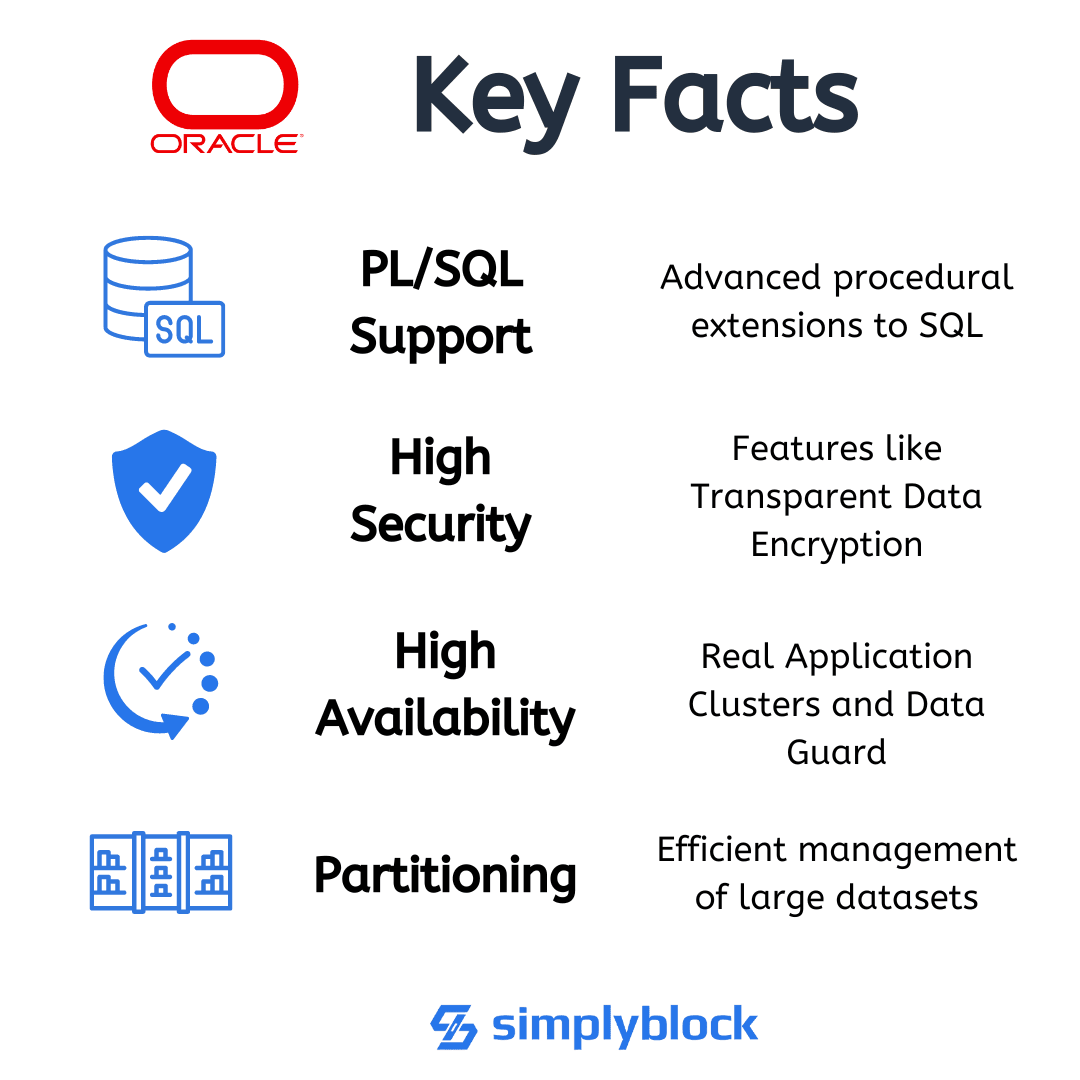
The story of Oracle begins with its flagship product: the Oracle Database. Introduced in the late 1970s as the first commercially available relational database management system (RDBMS) to use Structured Query Language (SQL), it revolutionized how businesses stored data. Before Oracle, data was often stored in rigid, hierarchical structures that were difficult to navigate and even harder to scale.
Relational Database Management Systems (RDBMS)
At the heart of Oracle’s technology is the relational model. This approach organizes data into tables consisting of rows and columns, allowing users to relate information across different tables through common keys. For a tech-driven enterprise, this means high levels of data integrity and the ability to perform complex queries across disparate data sets. Whether a company is tracking customer purchases or monitoring real-time inventory, the RDBMS ensures that the data is consistent and easily accessible.
Key Features: Scalability, Security, and Multitenancy
What sets the Oracle Database apart from its competitors is its legendary robustness. It is designed for high-performance environments where downtime is not an option. Key features include:
- Scalability: Oracle can handle massive workloads, scaling from a single server to large clusters of servers that act as a single unit (Real Application Clusters).
- Security: With advanced encryption, data masking, and sophisticated auditing, Oracle is often the first choice for industries with strict regulatory requirements, such as healthcare and defense.
- Multitenancy: Modern versions of the Oracle Database allow multiple “pluggable” databases to exist within a single container. This optimizes resource usage and simplifies management for IT departments.
Oracle Cloud Infrastructure (OCI) and the Shift to IaaS
In the last decade, the technology world shifted from on-premise servers to the cloud. Oracle responded by developing Oracle Cloud Infrastructure (OCI), its “Generation 2” cloud platform. Unlike early cloud providers that built their systems on top of legacy architectures, OCI was designed from the ground up to support the most demanding enterprise workloads.
Autonomous Database: AI-Driven Management
One of the most significant technological breakthroughs in the OCI ecosystem is the Oracle Autonomous Database. By leveraging machine learning and artificial intelligence, the database can automate routine tasks that previously required human intervention. It self-patches, self-tunes, and self-repairs. This reduces the risk of human error—the leading cause of data breaches—and allows IT professionals to focus on high-value strategic tasks rather than mundane maintenance.
Generation 2 Cloud Architecture
Oracle’s “Gen 2” Cloud differentiates itself through its “off-box virtualization” and high-speed networking. By moving the virtualization layer away from the main CPU, OCI minimizes “noisy neighbor” interference and provides consistent performance. This architecture is particularly beneficial for high-performance computing (HPC) tasks, big data analytics, and the deployment of complex AI models, making Oracle a formidable competitor to AWS, Microsoft Azure, and Google Cloud.
Enterprise Software Solutions: ERP, CRM, and Beyond
Beyond the database and infrastructure layers, Oracle is a leader in Software-as-a-Service (SaaS). These applications are designed to manage every aspect of a modern business, from its money to its people.
Oracle NetSuite and Fusion Applications
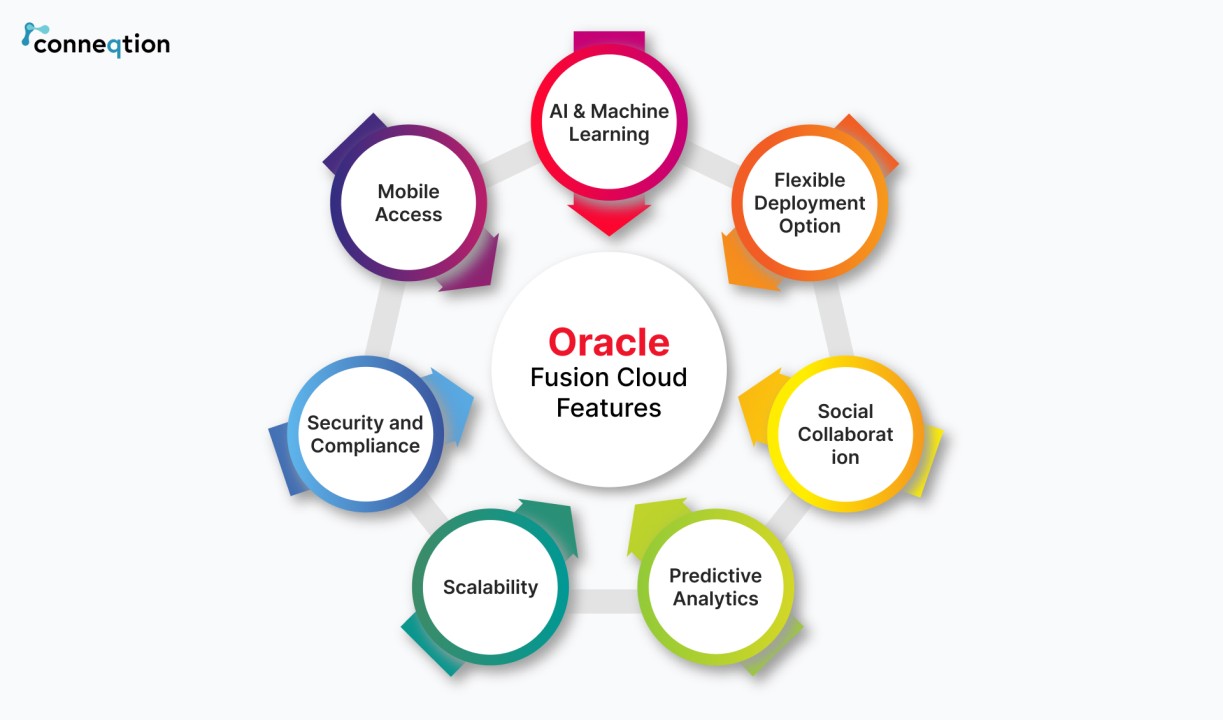
In 2016, Oracle acquired NetSuite, a pioneer in cloud-based business management software. Today, NetSuite serves small to mid-sized businesses with a comprehensive suite of tools for accounting, inventory, and e-commerce. For larger enterprises, Oracle offers “Fusion Applications,” which are built on a modular architecture. This allows companies to integrate their Financials (ERP), Human Capital Management (HCM), and Supply Chain Management (SCM) into a single, unified data model.
Industry-Specific Solutions
Oracle does not believe in a “one-size-fits-all” approach. They have developed specialized software verticalized for specific industries. For example:
- Oracle Cerner: Following its massive acquisition of Cerner, Oracle is now a dominant force in health information technology, focusing on electronic health records (EHR).
- Retail and Hospitality: Oracle provides Point-of-Sale (POS) systems and management software for thousands of hotels and retail outlets worldwide.
- Utilities and Communications: Specialized billing and network management tools help utility companies and telcos manage millions of end-users.
Oracle’s Role in Modern Development: Java and Open Source
A significant part of Oracle’s influence in the tech world comes from its stewardship of the tools developers use every day. When Oracle acquired Sun Microsystems in 2010, it inherited some of the most critical technologies in the software development lifecycle.
The Stewardship of Java
Java is one of the world’s most popular programming languages, running on billions of devices, from Android smartphones to enterprise servers. Oracle manages the development of the Java platform, ensuring it remains secure, performant, and relevant in the age of cloud computing. By maintaining the OpenJDK and providing commercial support through the Oracle JDK, the company ensures that the backbone of much of the world’s software remains stable.
MySQL and the Open Source Ecosystem
Oracle also owns MySQL, the world’s most popular open-source relational database. While the Oracle Database targets high-end enterprise needs, MySQL is the favorite for web-based applications and startups. Oracle has significantly invested in MySQL, introducing features like the “HeatWave” query accelerator, which allows users to perform high-speed analytics directly within the MySQL database without moving data to a separate warehouse. This integration of open-source flexibility with enterprise-grade power is a hallmark of Oracle’s modern tech strategy.
The Future of Oracle: AI Integration and Data Sovereignty
As we look toward the future of technology, Oracle is positioning itself at the intersection of Artificial Intelligence and data privacy. The company is no longer just a “data store”; it is becoming a “data intelligence” provider.
Generative AI in Business Processes
Oracle is aggressively integrating Generative AI across its entire stack. In OCI, developers can access high-performance GPUs (via a deep partnership with NVIDIA) to train massive language models. In its SaaS applications, Oracle is embedding AI “assistants” that can draft job descriptions for HR managers, summarize financial reports for CFOs, or suggest marketing copy for sales teams. The goal is to make AI a seamless part of the enterprise workflow rather than a standalone experiment.
Security and Compliance in a Digital-First World
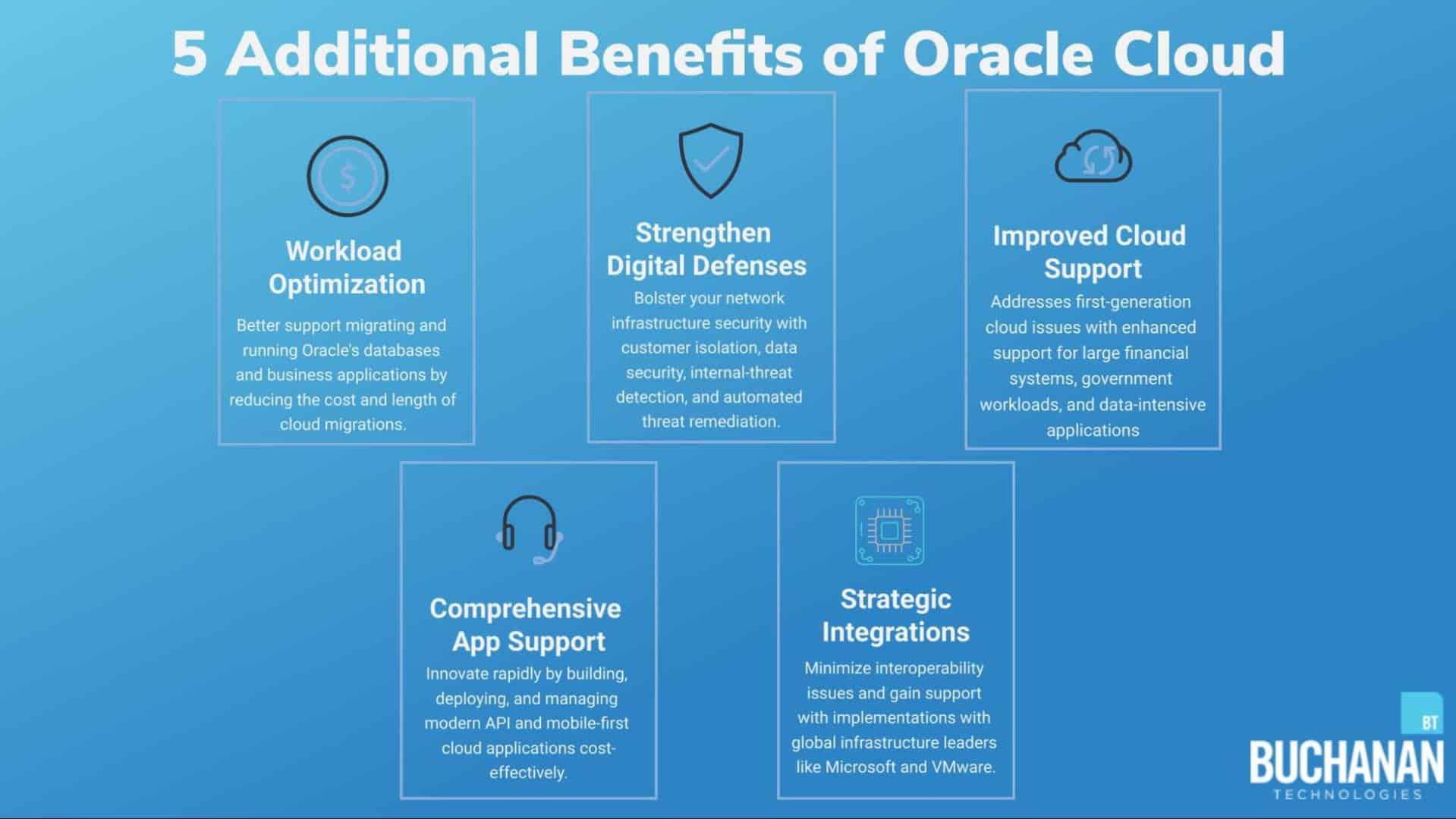
In an era of increasing cyber threats and strict data sovereignty laws (like GDPR), Oracle’s focus on “Distributed Cloud” is a critical differentiator. Oracle offers “Alloy,” a platform that allows partners (such as national governments or large service providers) to become cloud providers themselves using Oracle’s technology. This allows data to stay within specific geographic borders, meeting the legal and security requirements of sovereign nations while still benefiting from the latest cloud innovations.
Conclusion
So, what is Oracle? It is far more than a software company. It is a comprehensive technological framework that supports the digital infrastructure of the modern world. Through its pioneering database technology, its innovative cloud architecture, its vast suite of enterprise applications, and its stewardship of essential languages like Java, Oracle provides the tools necessary for the global economy to function.
For IT professionals and business leaders, Oracle represents a commitment to reliability and a forward-looking approach to data. Whether it is through the automation of the cloud or the integration of cutting-edge AI, Oracle continues to define what it means to manage information in the 21st century. As the world becomes increasingly data-driven, the technology built by Oracle will undoubtedly remain at the center of the conversation, driving the next generation of digital transformation.
aViewFromTheCave is a participant in the Amazon Services LLC Associates Program, an affiliate advertising program designed to provide a means for sites to earn advertising fees by advertising and linking to Amazon.com. Amazon, the Amazon logo, AmazonSupply, and the AmazonSupply logo are trademarks of Amazon.com, Inc. or its affiliates. As an Amazon Associate we earn affiliate commissions from qualifying purchases.