
In the rapidly evolving landscape of modern retail, the transition from a linear “take-make-waste” model to a circular economy is no longer a peripheral trend—it is a strategic necessity. At the forefront of this transformation is Nuuly, a clothing rental and resale platform launched by URBN (the parent company of Urban Outfitters, Anthropologie, and Free People). While most consumers view Nuuly as a convenient subscription service, from a brand strategy perspective, it represents a masterclass in corporate evolution, audience retention, and market positioning.
To understand what Nuuly is, one must look beyond the logistics of shipping garments and examine how it serves as a sophisticated brand extension that solves the modern “identity crisis” of the retail industry. This article explores Nuuly through the lens of brand strategy, analyzing how it leverages the URBN ecosystem to redefine the relationship between consumer and corporation.

The Strategic Architecture of the URBN Ecosystem
Nuuly was not born in a vacuum; it was a calculated response to shifting consumer behaviors among Gen Z and Millennial demographics. These cohorts increasingly value variety, sustainability, and “the experience” over permanent ownership. For URBN, Nuuly serves as a bridge, connecting its established retail brands to a new way of consuming fashion.
Leveraging Multi-Brand Synergy
The brilliance of Nuuly’s brand strategy lies in its use of existing brand equity. URBN owns some of the most recognizable names in lifestyle retail: Anthropologie (the bohemian-chic professional), Free People (the ethereal wanderer), and Urban Outfitters (the edgy, trend-focused youth). By curating a rental inventory that heavily features these in-house labels alongside hundreds of third-party brands, Nuuly creates a feedback loop.
When a customer rents an Anthropologie dress through Nuuly, they are engaging with the Anthropologie brand without the high barrier to entry of a $200 purchase. This increases “brand touches” and keeps the consumer within the URBN ecosystem. If they love the item, they can buy it at a discount, or they might eventually visit an Anthropologie store to buy a similar piece. Nuuly isn’t competing with URBN’s retail stores; it is acting as a high-engagement marketing channel for them.
Defining the Sub-Brand Identity
While Nuuly benefits from its parent company, its brand identity is distinct. It is positioned as the “cool, younger sister” of the traditional rental market. Unlike Rent the Runway, which built its brand on formal wear and high-end luxury for the corporate elite, Nuuly’s brand strategy focuses on “everyday fashion.” Its visual language is vibrant, inclusive, and community-driven. The name “Nuuly” itself suggests a fresh start—a “newly” curated wardrobe every month—which aligns perfectly with the psychological desire for novelty that drives the fashion industry.
Reimagining the Customer Journey: From Ownership to Access
One of the most significant shifts in brand strategy over the last decade has been the move from transactional relationships to subscription-based loyalty. Nuuly is the centerpiece of URBN’s strategy to increase Customer Lifetime Value (CLV).
The Subscription Model as a Loyalty Engine
Traditional retail is fickle. A customer might buy a coat once every two years, leaving long gaps in brand engagement. Nuuly’s subscription model changes the cadence of the brand relationship from occasional to monthly. By charging a flat fee for six items, Nuuly ensures that the brand is a constant presence in the consumer’s life.
This model creates a “sticky” brand experience. Every month, the user must log in, browse the “New Arrivals,” and interact with the digital platform. This constant interaction allows Nuuly to gather unprecedented amounts of data on style preferences, sizing, and seasonal shifts, which in turn informs the brand strategy of the retail divisions. It is a symbiotic relationship where the brand provides access, and the consumer provides data and loyalty.
Visual Identity and Digital Brand Experience
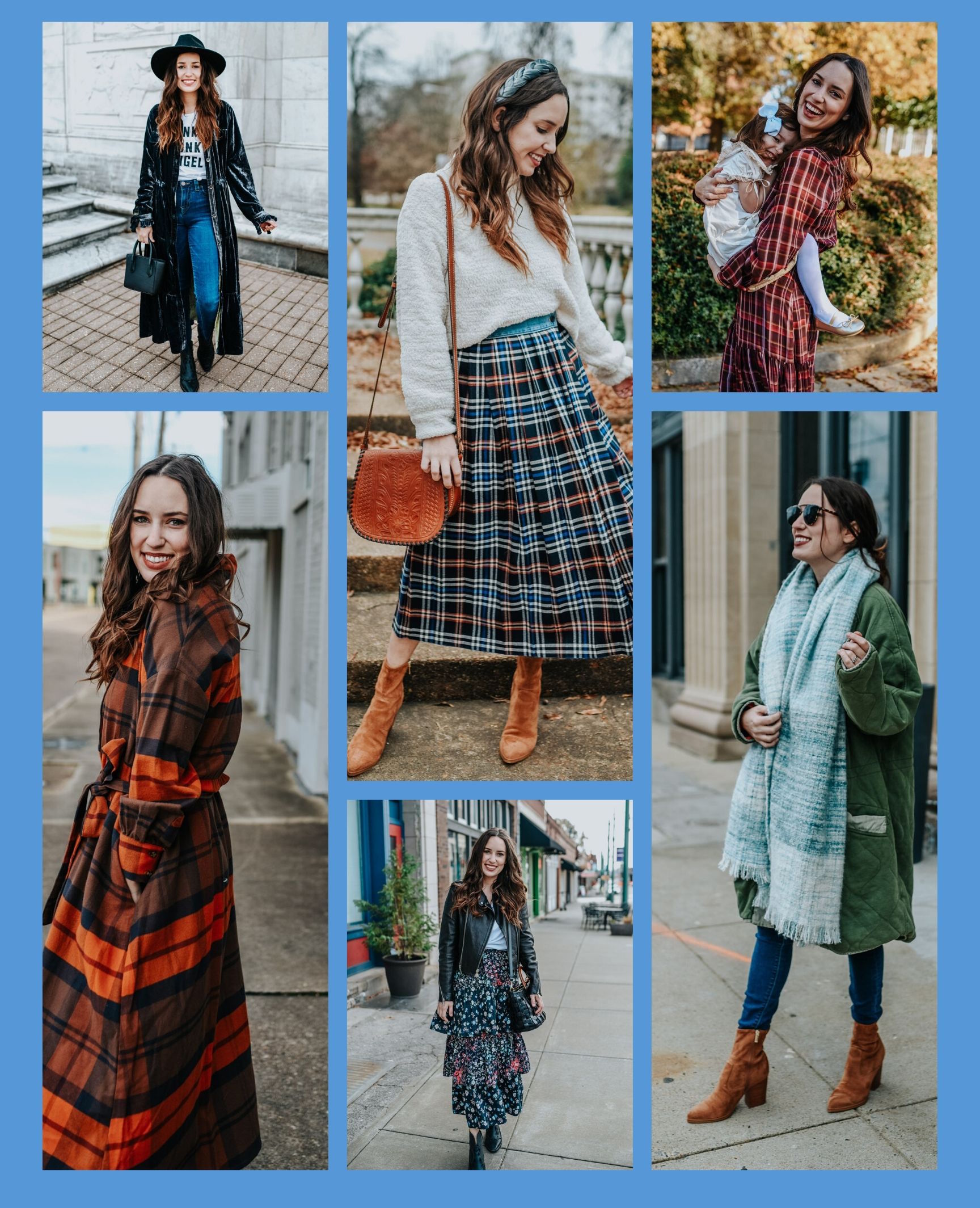
In the digital age, a brand is only as strong as its user interface (UI) and user experience (UX). Nuuly’s digital strategy focuses on discovery and inspiration. The platform uses high-quality, editorial-style photography that feels more like a fashion magazine than a catalog.
Furthermore, Nuuly leverages user-generated content (UGC) as a core part of its brand voice. By encouraging “Nuulies” to post photos of their rentals, the brand creates a sense of community and authenticity. Prospective customers aren’t just looking at professional models; they are seeing how the clothes look on real people in real-world settings. This transparency builds brand trust, a currency that is vital for any service-based business model.

Sustainability as the Ultimate Brand Differentiator
As the fashion industry faces mounting pressure regarding its environmental impact, “sustainability” has moved from a marketing buzzword to a core pillar of brand identity. Nuuly is URBN’s most visible commitment to a more sustainable future, and this positioning is a critical part of its market appeal.
Responding to the Ethical Consumer
Modern consumers are increasingly skeptical of “greenwashing.” Nuuly’s brand strategy avoids this by rooting its sustainability claims in the “Circular Economy.” By extending the life of a garment through multiple users, Nuuly inherently reduces the waste associated with fast fashion.
The brand communicates this value proposition through its “Nuuly Thrift” extension—a resale marketplace. By allowing customers to buy and sell used clothes from any brand, not just URBN labels, Nuuly has positioned itself as a holistic platform for conscious consumption. This broadens the brand’s reach and reinforces its image as a leader in the resale movement. Nuuly isn’t just a rental service; it is a platform for the “re-commerce” revolution.
The Operational Brand Promise
A brand’s reputation is often made or broken by its operations. For Nuuly, the “Brand Promise” includes a commitment to professional cleaning and garment care, which are essential for a rental service. By investing in state-of-the-art, eco-friendly laundry facilities, Nuuly ensures that its commitment to sustainability is backed by tangible action. This operational excellence becomes part of the brand story—reassuring the customer that “rented” does not mean “worn out,” but rather “expertly maintained.”
Competitive Positioning: Nuuly vs. The Rental Landscape
To understand Nuuly’s brand strategy, one must compare it to its primary competitors. The rental market is a crowded space, featuring veterans like Rent the Runway and newcomers like Fashionpass. Nuuly has carved out a unique niche by focusing on a specific lifestyle segment.
The “Everyday” Brand Strategy
While other platforms focus on the “Cinderella Moment” (weddings, galas, and black-tie events), Nuuly focuses on the “Monday-to-Friday Moment.” Its inventory is heavy on denim, knitwear, and versatile dresses—items that people actually wear in their daily lives.
This positioning is a strategic masterstroke because it increases the frequency of use. You might need a ballgown once a year, but you need a stylish sweater every week in October. By branding itself as an extension of the everyday wardrobe, Nuuly makes itself indispensable. This “lifestyle integration” is a much more robust brand strategy than being a “special occasion” destination.
Price Leadership and Value Perception
Nuuly’s pricing strategy is also a key component of its brand identity. By offering a flat rate for any six items—regardless of their retail price—Nuuly simplifies the value proposition. This transparency eliminates the “price anxiety” often associated with high-end rentals. The brand projects an image of fairness and accessibility, which resonates deeply with its target demographic. It positions the brand as a “style partner” rather than a luxury gatekeeper.
Conclusion: The Future of the Nuuly Brand
Nuuly is far more than a clothing rental service; it is a strategic evolution of the URBN corporate identity. It represents a shift from selling products to providing solutions—solving the problems of closet clutter, the high cost of trends, and the environmental impact of fashion.
By leveraging the power of its sister brands, embracing a circular business model, and focusing on a community-driven digital experience, Nuuly has established itself as a forward-thinking leader in the retail space. Its success proves that in the modern era, the strongest brands are those that can adapt to changing consumer values without losing their core identity.
As Nuuly continues to expand through Nuuly Thrift and potential international markets, its brand strategy will likely remain focused on three pillars: access, community, and sustainability. For the retail industry, Nuuly is a case study in how to future-proof a brand by leaning into the circular economy and putting the customer’s changing lifestyle at the heart of the business strategy. In the world of Nuuly, the future of fashion isn’t about what you own—it’s about how you live and the stories you tell through what you wear.
aViewFromTheCave is a participant in the Amazon Services LLC Associates Program, an affiliate advertising program designed to provide a means for sites to earn advertising fees by advertising and linking to Amazon.com. Amazon, the Amazon logo, AmazonSupply, and the AmazonSupply logo are trademarks of Amazon.com, Inc. or its affiliates. As an Amazon Associate we earn affiliate commissions from qualifying purchases.