
Nuclear energy, a potent force harnessed from the heart of atoms, stands as a cornerstone of global energy discussions. It’s a technology that promises immense power generation with a relatively small environmental footprint, yet it also carries inherent risks and complexities that demand careful consideration. In a world grappling with the dual challenges of meeting ever-growing energy demands and combating climate change, understanding nuclear energy – its advantages and disadvantages – is more crucial than ever. This article delves into the multifaceted world of nuclear power, examining its technological underpinnings, its economic implications, and the critical questions surrounding its sustainability and safety.
The Core Technology: Understanding Nuclear Fission
At its heart, nuclear energy is derived from a process called nuclear fission. This is a scientific marvel that involves splitting the nucleus of an atom, typically uranium, into two smaller nuclei. This splitting releases a tremendous amount of energy in the form of heat and radiation. In nuclear power plants, this heat is meticulously controlled and then used to convert water into steam. This high-pressure steam then drives turbines, which in turn power generators to produce electricity.
How Fission Works and the Chain Reaction
The magic of fission lies in its potential for a self-sustaining chain reaction. When a uranium atom splits, it releases not only energy but also neutrons. These neutrons can then go on to strike other uranium atoms, causing them to split as well, releasing more energy and more neutrons. This creates a continuous cycle, or chain reaction, that can be harnessed for power.
To control this powerful reaction, nuclear reactors employ several key components:
- Fuel: Typically, enriched uranium is used as fuel. This enrichment process increases the concentration of the fissile isotope uranium-235.
- Moderator: Materials like water or graphite are used to slow down the fast-moving neutrons released during fission. Slow neutrons are more effective at causing further fission.
- Control Rods: Made of neutron-absorbing materials like cadmium or boron, control rods are inserted into the reactor core to absorb excess neutrons and regulate the rate of fission, preventing the reaction from becoming uncontrollable.
- Coolant: A substance like water, gas, or liquid metal circulates through the reactor core to absorb the heat generated by fission and transfer it to produce steam.
- Containment Building: A robust, multi-layered structure designed to prevent the release of radioactive materials in the event of an accident.
The Fuel Cycle: From Mine to Waste
The journey of nuclear fuel is a complex one, often referred to as the nuclear fuel cycle. It begins with the mining of uranium ore, which is then processed and enriched. The enriched uranium is formed into fuel rods, which are then loaded into the reactor. After several years of use, the fuel rods become spent and are removed from the reactor. These spent fuel rods are highly radioactive and require careful handling and storage.
The management of this spent nuclear fuel is a significant challenge, leading to discussions about long-term storage solutions and the potential for reprocessing to extract usable isotopes and reduce the volume of waste.
The Bright Side: Advantages of Nuclear Energy
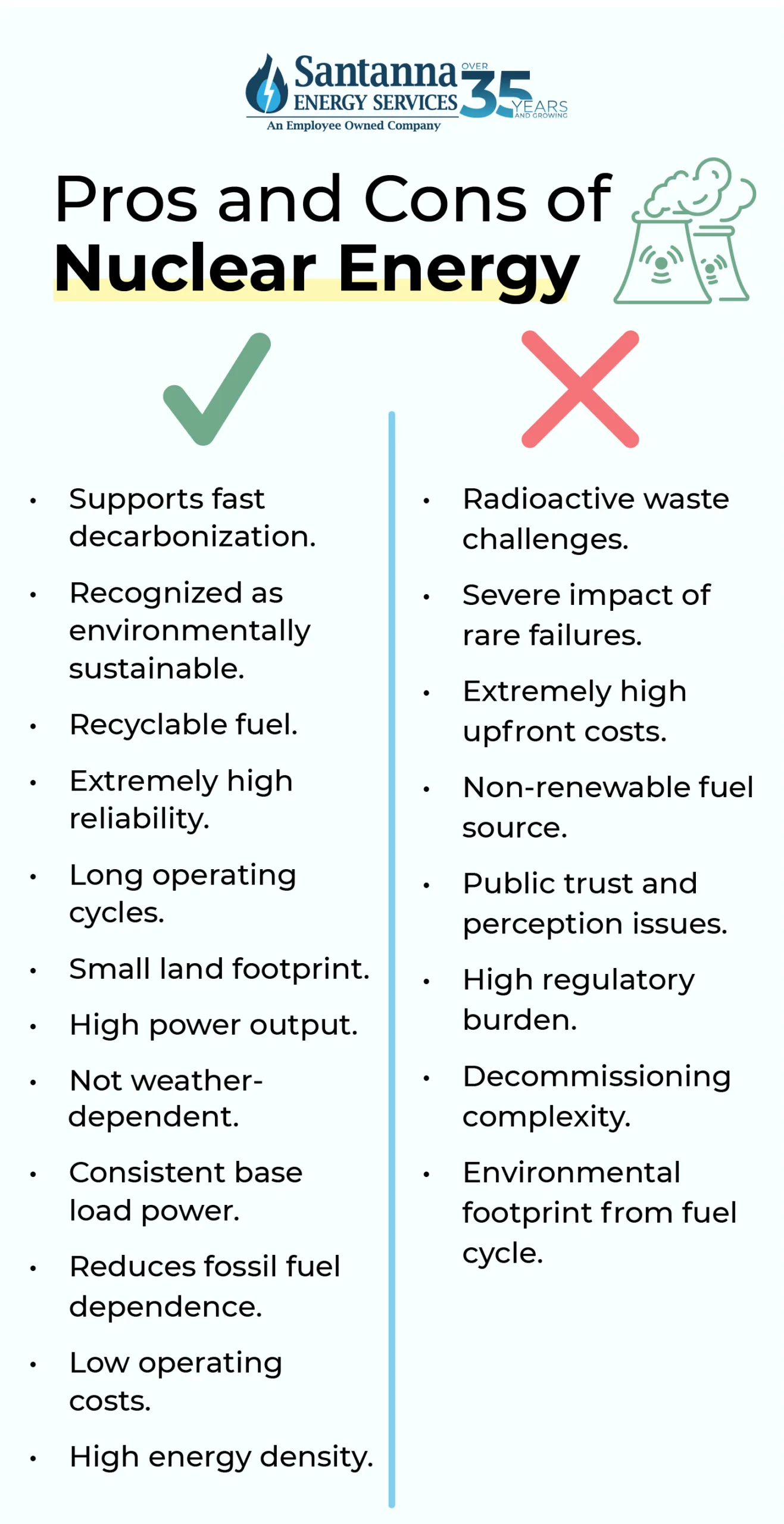
Nuclear energy offers a compelling set of benefits that position it as an attractive option in the global energy landscape. These advantages often revolve around its environmental impact, its reliability, and its energy density.
Low Carbon Emissions and Climate Change Mitigation
One of the most significant advantages of nuclear energy is its incredibly low carbon footprint during operation. Unlike fossil fuels, which release vast amounts of greenhouse gases like carbon dioxide into the atmosphere when burned, nuclear power plants produce electricity without direct carbon emissions. This makes nuclear energy a powerful tool in the fight against climate change, offering a way to generate substantial amounts of electricity while significantly reducing air pollution.
This characteristic is particularly vital in a world striving to meet ambitious climate targets and transition away from carbon-intensive energy sources. Nuclear power can provide a consistent and substantial source of low-carbon electricity, complementing renewable energy sources like solar and wind, which can be intermittent.
High Energy Density and Reliability
Nuclear fuel is incredibly energy-dense. A small amount of uranium can produce a vast amount of energy, far exceeding what can be generated from fossil fuels. This means that nuclear power plants require less fuel and less land area compared to some other forms of energy generation, especially when considering the equivalent energy output.
Furthermore, nuclear power plants are known for their high capacity factors, meaning they can operate at or near their maximum power output for extended periods. Unlike solar and wind power, which are dependent on weather conditions, nuclear power plants can provide a stable and consistent supply of electricity 24/7. This reliability is crucial for maintaining grid stability and ensuring a steady flow of power to homes and industries.
Energy Independence and Security
For many nations, nuclear energy offers a pathway to greater energy independence. By developing domestic nuclear power capabilities, countries can reduce their reliance on imported fossil fuels, which can be subject to volatile global markets and geopolitical instability. This enhances national energy security and economic resilience.
The Shadow Side: Disadvantages and Concerns
Despite its advantages, nuclear energy is not without its drawbacks and legitimate concerns. These challenges often stem from the inherent risks associated with radioactive materials and the long-term implications of nuclear waste.

The Specter of Nuclear Accidents
The most prominent concern surrounding nuclear energy is the potential for accidents. While rare, accidents at nuclear power plants, such as Chernobyl and Fukushima, have had devastating consequences, releasing large amounts of radiation into the environment and posing long-term health risks to affected populations. These events, though infrequent, underscore the critical importance of stringent safety protocols, robust engineering, and vigilant oversight in the design, operation, and maintenance of nuclear facilities.
The perception of risk, amplified by these historical events, can be a significant barrier to public acceptance of nuclear energy. Continuous innovation in reactor design, focusing on passive safety features that rely on natural forces like gravity and convection rather than active human intervention, aims to mitigate these risks.
Nuclear Waste Management: A Lingering Problem
The disposal of radioactive waste is perhaps the most significant and enduring challenge associated with nuclear energy. Spent nuclear fuel remains highly radioactive for thousands of years, posing a long-term environmental and health hazard.
Currently, most spent fuel is stored on-site at nuclear power plants in specialized pools or dry casks. However, the search for permanent, secure, and long-term geological disposal solutions continues globally. This is a complex scientific, political, and ethical undertaking, requiring careful consideration of geological stability, containment, and safeguarding against potential contamination. The sheer longevity of radioactive waste necessitates a level of foresight and responsibility that extends far beyond current generations.
Proliferation Risks and Security Concerns
The materials used in nuclear reactors, particularly enriched uranium and plutonium, can also be used to develop nuclear weapons. This raises concerns about nuclear proliferation, the risk that these materials could fall into the wrong hands, or that countries might use their civilian nuclear programs as a cover for developing weapons.
International treaties and robust monitoring by organizations like the International Atomic Energy Agency (IAEA) are in place to prevent proliferation. However, the security of nuclear materials and facilities remains a constant concern, requiring vigilant security measures to prevent theft or sabotage.
High Initial Costs and Long Construction Times
Building a nuclear power plant is an enormously expensive undertaking, with high upfront capital costs for construction and extensive regulatory approvals. The construction process is also notoriously lengthy, often taking a decade or more from planning to operation. This can make nuclear energy projects financially risky and less attractive to investors compared to other energy sources with quicker deployment times.
These financial hurdles, coupled with the long lead times, can impact the speed at which nuclear power can contribute to meeting immediate energy demands or climate goals.
The Future of Nuclear Energy: Innovation and Alternatives
The debate surrounding nuclear energy is ongoing, with proponents and opponents presenting strong arguments. However, the landscape of nuclear energy is not static. Significant research and development are underway to address its challenges and enhance its potential.
Advanced Reactor Designs and Small Modular Reactors (SMRs)
A new generation of advanced reactor designs is being developed, incorporating enhanced safety features, improved efficiency, and the potential to generate less waste or even consume existing waste. Small Modular Reactors (SMRs) are particularly noteworthy. These are smaller, factory-built reactors that can be deployed more quickly and at a lower upfront cost than traditional large-scale plants. SMRs also offer greater flexibility in terms of location and power output.
These innovations hold the promise of making nuclear energy more accessible, affordable, and inherently safer, potentially revitalizing its role in a diversified energy portfolio.
Nuclear Fusion: The Holy Grail?
Beyond fission, nuclear fusion – the process that powers the sun – represents a potential future energy source that could offer virtually limitless clean energy with even fewer waste and proliferation concerns. Fusion involves combining light atomic nuclei to form heavier ones, releasing immense energy. While still in the research and development phase, significant progress is being made, and fusion could one day revolutionize energy production.
Conclusion: A Balanced Perspective
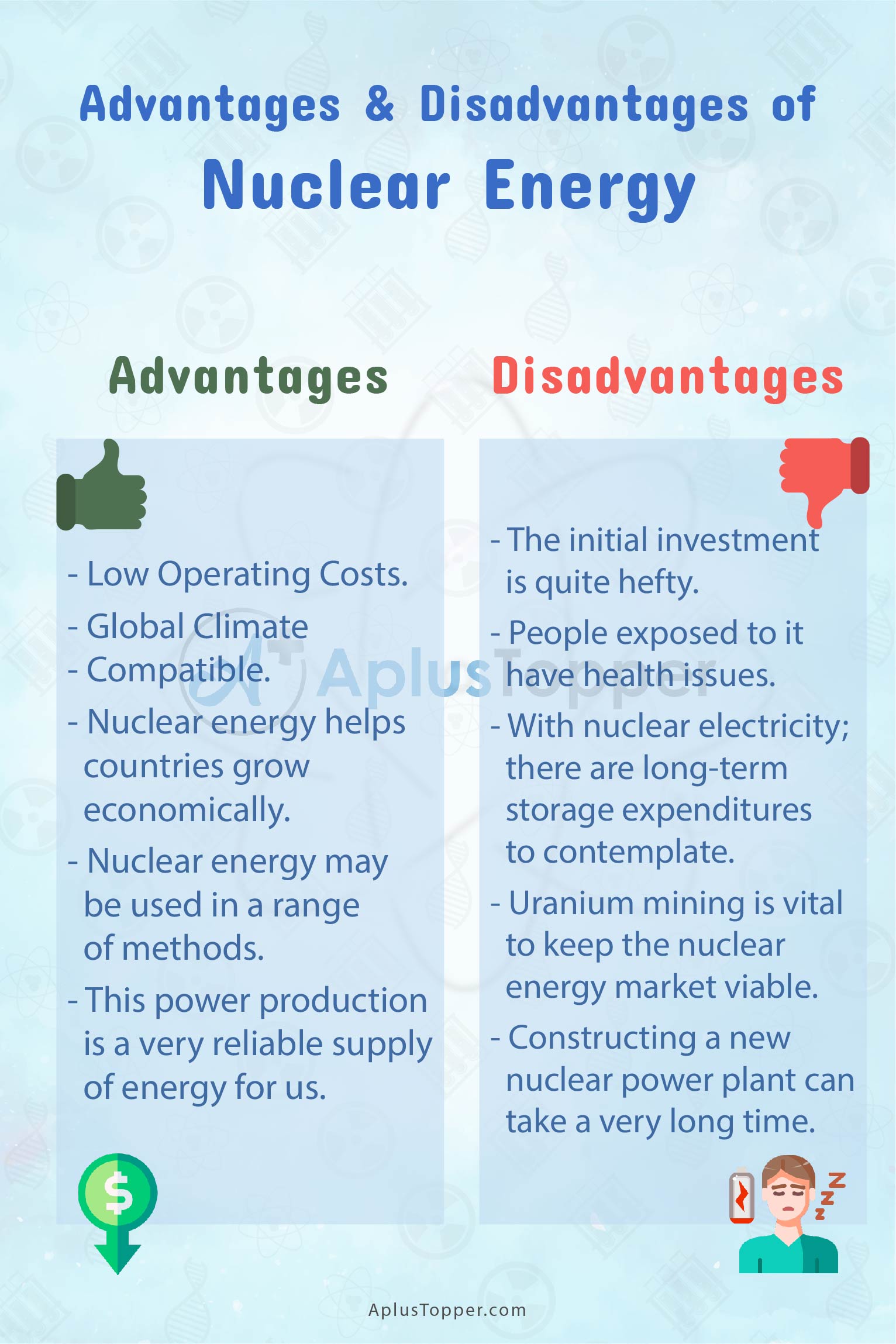
Nuclear energy is a powerful, complex, and controversial technology. Its ability to generate vast amounts of low-carbon electricity without direct greenhouse gas emissions makes it a valuable tool in addressing climate change and meeting growing global energy demands. Its reliability and energy density are significant advantages.
However, the inherent risks of accidents, the persistent challenge of nuclear waste disposal, and concerns about proliferation demand careful and continuous attention. The economic realities of high upfront costs and long construction times also present significant hurdles.
Ultimately, the role of nuclear energy in the future will likely depend on technological advancements that mitigate its risks, the development of viable long-term waste solutions, and ongoing public discourse that balances its potential benefits against its inherent challenges. A balanced perspective, informed by scientific understanding and a commitment to safety and sustainability, is crucial as we navigate the complex energy choices of the 21st century.