
In the competitive landscape of global tourism and municipal development, few cities possess a brand identity as potent, recognizable, and resilient as New Orleans. While many metropolitan areas struggle to define their unique value proposition, New Orleans—often referred to as “The Big Easy”—stands as a masterclass in organic brand strategy and cultural equity. When we ask “what is New Orleans known for” through the lens of brand management, we are not merely discussing a list of tourist attractions; we are analyzing the strategic alignment of heritage, sensory marketing, and a narrative of resilience that has built one of the most sustainable city brands in the world.
The Power of a Multisensory Brand Identity
A successful brand is more than a logo or a slogan; it is a collection of perceptions and experiences. New Orleans has mastered the art of multisensory branding, ensuring that its identity is felt, heard, tasted, and seen. This cohesion creates a high level of brand recall that most corporate entities would envy.
The Auditory Brand: Jazz as a Global Signature
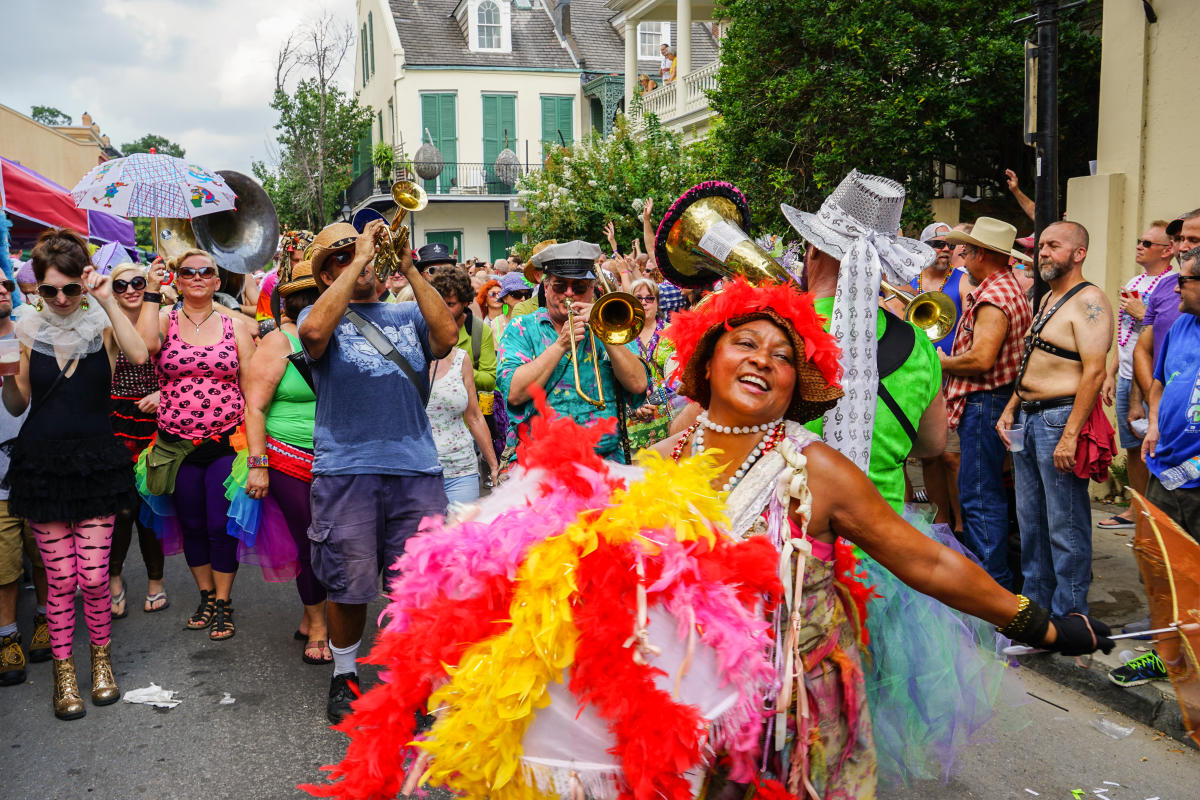
New Orleans is fundamentally known for being the birthplace of Jazz, but from a brand strategy perspective, Jazz is more than a genre—it is the city’s sonic logo. By consistently positioning itself as the epicenter of musical improvisation and history, the city has secured a “first-mover advantage” in the cultural sector. This auditory branding extends from the street performers on Royal Street to the prestigious stages of the Jazz & Heritage Festival. For the brand, this signifies authenticity and “soul,” attributes that are increasingly valuable in a digitized, sterile global market.
Gastronomy as a Value Proposition
If music is the sound of the New Orleans brand, Creole and Cajun cuisine is its most tangible product. The city’s reputation for gastronomy—built on staples like gumbo, jambalaya, and beignets—serves as a primary driver for “culinary tourism.” In marketing terms, the city has successfully leveraged its French, Spanish, and African heritage to create a unique “fusion” product that cannot be replicated elsewhere. This “geographic exclusivity” is a cornerstone of its brand strength; you can find New Orleans-style food elsewhere, but the brand promise dictates that the authentic experience only exists within the city limits.
Visual Identity and Architectural Heritage
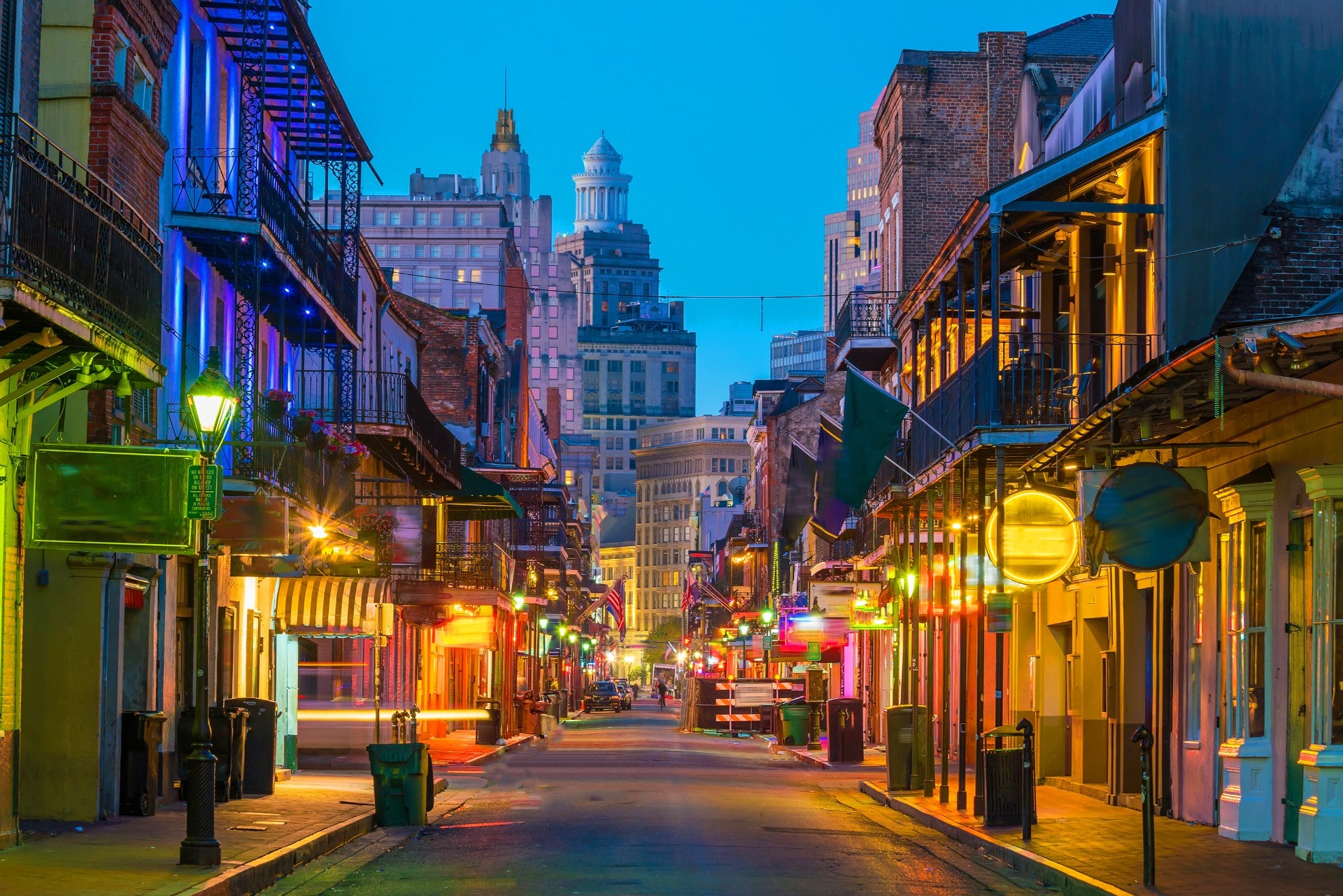
The visual brand of New Orleans is anchored by the French Quarter’s wrought-iron balconies and the colorful, historic “shotgun” houses of the Marigny. Unlike many American cities that opted for modernization and glass skyscrapers during the mid-20th century, New Orleans leaned into its architectural preservation. This decision preserved its “visual assets,” creating a recognizable backdrop that has become a staple in film, television, and photography, providing the city with billions of dollars in earned media over the decades.
Strategic Resilience: The “Phoenix” Narrative
One of the most critical aspects of brand strategy is how an entity handles a crisis. The narrative of New Orleans is inextricably linked to its recovery following Hurricane Katrina in 2005. The way the city rebranded itself in the aftermath offers profound lessons in corporate identity and crisis management.
Turning Vulnerability into Authenticity
Following 2005, the New Orleans brand faced an existential threat. However, instead of trying to mask the tragedy, the city’s marketing stakeholders—including the New Orleans Tourism Marketing Corporation—integrated the concept of “resilience” into the brand’s DNA. The brand shifted from being purely about “carefree celebration” to being about “unbreakable spirit.” This added a layer of emotional depth and authenticity, fostering a deeper connection with “brand advocates” (visitors and residents) who felt a sense of purpose in supporting the city’s revival.
The Intersection of Heritage and Innovation
The post-Katrina era also saw the city intentionally diversifying its brand to attract a younger, more entrepreneurial demographic. By positioning itself as a hub for “Silicon Bayou,” New Orleans attempted to bridge the gap between its historical identity and a forward-looking “Tech-friendly” brand. This strategic pivot was designed to attract human capital and investment, proving that a brand known for history can still be a player in the modern innovation economy without losing its core identity.
The “Big Easy” Value Proposition: Lifestyle as a Product
In the world of branding, “lifestyle brands” are those that sell an experience or a philosophy rather than a specific utility. New Orleans is perhaps the ultimate lifestyle brand among American cities, anchored by the moniker “The Big Easy.”
Differentiation Through “Laissez-faire” Philosophy
In a global economy defined by burnout and high-stress productivity, the New Orleans brand offers a powerful counter-narrative: the “Laissez-faire” or “let the good times roll” (Laissez les bons temps rouler) philosophy. This is the city’s core value proposition. While New York is the brand of “ambition” and Las Vegas is the brand of “excess,” New Orleans is the brand of “soulful relaxation.” This differentiation is crucial for its competitive positioning in the domestic tourism market.
Mardi Gras: The Annual Brand Activation
Every brand needs a flagship event—a “product launch” or “keynote” that captures global attention. Mardi Gras serves as the annual brand activation for New Orleans. It is a period where the city’s brand values—creativity, community, and celebration—are put on a global stage. The strategic value of Mardi Gras is its ability to generate massive organic reach; images of parades and costumes serve as free advertisements that reinforce the city’s status as a world-class destination for cultural immersion.
Community-Driven Marketing and Localism
A brand is only as strong as its internal stakeholders. In New Orleans, the residents are the primary brand ambassadors. The city’s brand strategy relies heavily on “localism.” Visitors do not just want to see the sights; they want to “live like a local.” By empowering local artisans, musicians, and chefs, the city ensures that its brand remains “bottom-up” rather than “top-down.” This grassroots authenticity is what prevents the brand from feeling like a “tourist trap” and maintains its prestige among sophisticated travelers.
Leveraging the “Film New Orleans” Brand for Global Exposure
Modern brand strategy often involves “product placement,” and New Orleans has effectively used the film and television industry to manage its global image. By offering strategic tax incentives and maintaining a unique aesthetic, the city has become a preferred “character” in Hollywood productions.
The City as a Cinematic Character
When a city is featured prominently in films like The Curious Case of Benjamin Button or series like Treme, it is participating in a high-level co-branding exercise. These appearances reinforce the city’s mysterious, romantic, and historic brand attributes to a global audience who may never have visited. This “passive marketing” is invaluable for maintaining international brand awareness.
Brand Extension Through Digital Media
In recent years, the New Orleans brand has extended into the digital space through savvy social media management and content creation. By focusing on “Instagrammable” moments—from the powdered sugar of Cafe Du Monde to the neon lights of Bourbon Street—the city has successfully transitioned its analog charm into a digital-first world. This ensures the brand remains relevant to Millennial and Gen Z consumers who prioritize “experience-based” branding and visual storytelling.
Lessons in Brand Longevity: Maintaining Relevance
What New Orleans is known for today is the result of centuries of cultural compounding. However, maintaining such a potent brand requires constant vigilance to ensure it does not become a caricature of itself.
Managing Brand Over-Saturation
A significant challenge for any iconic brand is “over-exposure” or “brand dilution.” For New Orleans, this manifests in the commercialization of Bourbon Street. To counter this, the city’s strategic marketing has shifted focus toward “off-the-beaten-path” experiences in neighborhoods like the Garden District, Bywater, and Tremé. This “sub-branding” strategy allows the city to appeal to different market segments—from the budget-conscious party-goer to the luxury heritage traveler—without compromising the core brand.

Sustainable Brand Equity
Ultimately, the New Orleans brand is built on a foundation of “uniqueness.” In a world where many cities are beginning to look and feel the same due to commercial globalization, New Orleans’ insistence on its own weirdness, its own pace, and its own flavors is its greatest strategic asset. It serves as a reminder to brand managers everywhere that authenticity is not just a buzzword; it is a sustainable competitive advantage.
In conclusion, New Orleans is known for being a master of “Place Branding.” By weaving together its history, its challenges, and its vibrant culture, it has created a corporate identity that is both emotionally resonant and economically powerful. It remains a premier example of how a location can leverage its “cultural capital” to build a global brand that stands the test of time, disaster, and changing consumer tastes. Whether through the wail of a trumpet or the scent of a crawfish boil, the New Orleans brand is an indelible mark on the global map.
aViewFromTheCave is a participant in the Amazon Services LLC Associates Program, an affiliate advertising program designed to provide a means for sites to earn advertising fees by advertising and linking to Amazon.com. Amazon, the Amazon logo, AmazonSupply, and the AmazonSupply logo are trademarks of Amazon.com, Inc. or its affiliates. As an Amazon Associate we earn affiliate commissions from qualifying purchases.