
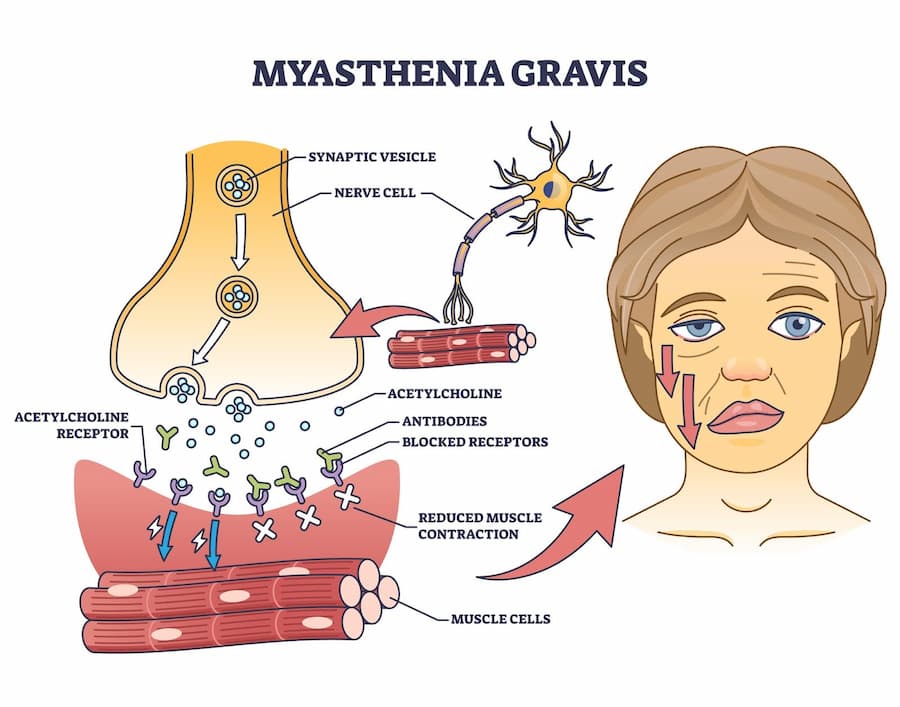
Myasthenia Gravis (MG) is a formidable opponent, a chronic autoimmune neuromuscular disease that wages a relentless battle against the body’s communication pathways between nerves and muscles. For individuals diagnosed with MG, the daily experience is often characterized by fluctuating muscle weakness, affecting voluntary muscles responsible for movement, speech, swallowing, and even breathing. Understanding “what is Myasthenia Gravis” is crucial, not just from a medical standpoint, but profoundly from a financial perspective. Beyond the medical terminology and physiological impact, MG presents a complex web of financial challenges that can significantly alter a person’s economic stability, long-term planning, and overall quality of life. In the realm of personal finance and financial well-being, MG is far more than a health condition; it is a major financial event, demanding careful strategy, proactive planning, and a deep understanding of its economic footprint.

Understanding Myasthenia Gravis: A Costly Chronic Condition
Myasthenia Gravis is not merely an inconvenience; it’s a lifelong condition that necessitates continuous medical management, leading to persistent and often escalating costs. From the moment of initial symptom onset through diagnosis, treatment, and ongoing care, the financial implications are pervasive. The variability in its presentation and severity means that no two patients experience the same financial journey, yet all face a significant burden. Recognizing this underlying complexity is the first step in devising robust financial strategies.
The Medical Landscape and Diagnostic Journey
The journey to an MG diagnosis can itself be financially taxing. Initial symptoms are often subtle and mimic other conditions, leading to multiple specialist visits, a battery of diagnostic tests, and sometimes years of uncertainty. These tests can include neurological examinations, blood tests for specific antibodies (like acetylcholine receptor antibodies), electrophysiological studies (e.g., electromyography – EMG), and imaging scans. Each consultation, test, and specialist referral carries a co-pay, deductible contribution, or out-of-pocket expense, accumulating rapidly even before a definitive diagnosis is reached. For those without comprehensive insurance, or those with high-deductible plans, this diagnostic phase alone can deplete savings and create immediate financial strain. The stress of this diagnostic odyssey is compounded by the financial anxieties of unknowns and mounting bills, setting a precedent for the ongoing economic challenges of living with a chronic illness.
A Lifelong Battle: Chronic Nature and Progressive Costs
Once diagnosed, Myasthenia Gravis is typically a lifelong condition, demanding ongoing treatment and management. While symptoms can be managed, there is currently no cure, meaning financial outflows for healthcare will continue indefinitely. The chronic nature of MG translates into progressive costs over a patient’s lifetime. These aren’t just costs associated with medication; they encompass regular specialist appointments (neurologists, pulmonologists, ophthalmologists), physical and occupational therapy, dietary consultations, and potentially complex procedures or hospitalizations during exacerbations. As the disease progresses or fluctuates, the intensity and type of treatment may change, often leading to shifts in medication regimens or the introduction of new therapies, each with its own price tag. Understanding this long-term financial commitment is paramount for individuals and families attempting to forecast future expenses and maintain financial stability.
The Direct Financial Burden: Healthcare Costs and Treatment Expenses
The most immediate and obvious financial impact of Myasthenia Gravis stems directly from its medical management. These direct costs encompass everything from prescriptions to surgical interventions, forming the largest segment of the financial burden for most patients. Navigating this landscape requires careful attention to insurance coverage, understanding of healthcare systems, and a readiness to manage substantial out-of-pocket expenses.
Diagnostic Procedures and Initial Care Costs
As previously noted, the path to diagnosis is paved with expenses. A single EMG can cost hundreds to thousands of dollars, depending on location and facility. Blood tests, often repeated, add up. Initial consultations with neurologists and other specialists command significant fees. Once diagnosed, the initial stabilization phase may involve high-dose corticosteroids, immunosuppressants, or even plasma exchange (PLEX) or intravenous immunoglobulin (IVIg) therapies. PLEX and IVIg are highly effective but extraordinarily expensive treatments, often requiring multiple sessions. Even with insurance, patient responsibility for these procedures can be thousands of dollars, quickly exhausting annual out-of-pocket maximums and leaving families scrambling for funds.
Medications, Therapies, and Ongoing Management
The cornerstone of MG management often involves a cocktail of medications. Pyridostigmine (Mestinon) is a common symptomatic treatment, but many patients require immunosuppressants like prednisone, azathioprine, mycophenolate mofetil, or cyclosporine. Newer biologic treatments, such as eculizumab or ravulizumab, while life-changing for some, carry astronomical price tags, often exceeding six-figure costs annually. Even generic versions of some of these drugs can still be expensive over time, especially if multiple medications are prescribed. Beyond pharmacology, physical therapy, occupational therapy, and speech therapy are often vital for maintaining strength, mobility, and communication skills. These recurring therapy sessions, though essential, add significantly to monthly healthcare expenditures, requiring consistent co-pays or deductibles.
Hospitalizations and Emergency Interventions
One of the most frightening and financially devastating aspects of Myasthenia Gravis is the potential for myasthenic crisis – a severe worsening of muscle weakness that can affect breathing and swallowing, necessitating emergency medical intervention and intensive care unit (ICU) admission. A single hospitalization for a myasthenic crisis can quickly accumulate bills ranging from tens of thousands to hundreds of thousands of dollars. The costs associated with ventilators, round-the-clock nursing care, and specialized medical procedures during such crises can be overwhelming, often forcing families into medical debt even with good insurance. Beyond crises, routine hospitalizations for treatment adjustments or management of complications (e.g., infections due to immunosuppression) also contribute to the cumulative financial burden.
The Indirect Financial Impact: Income, Employment, and Quality of Life
Beyond the direct medical costs, Myasthenia Gravis casts a long shadow over an individual’s financial health through its indirect impacts on earning potential, employment, and the hidden costs of managing daily life with a chronic illness. These effects can be subtle but erode financial stability over time, making long-term financial planning critical.
Impact on Earning Potential and Employment Stability
The fluctuating and unpredictable nature of MG symptoms can severely impact an individual’s ability to maintain consistent employment. Weakness can make physically demanding jobs impossible, but even office jobs can be challenging due to fatigue, difficulty typing, or vision issues. Many individuals with MG find it necessary to reduce their working hours, take frequent sick leave, or even leave the workforce entirely. This reduction or loss of income directly affects household budgets, savings rates, and the ability to meet everyday expenses, let alone medical bills. The spouse or partner of an individual with MG may also need to reduce their work hours or leave employment to provide care, creating a double blow to family income. The inability to work full-time or to advance in a career due to health limitations represents a significant, long-term opportunity cost.
Hidden Costs: Caregiving, Home Modifications, and Travel
Living with Myasthenia Gravis often entails a host of “hidden” financial costs that aren’t immediately apparent. For instance, severe weakness might necessitate home modifications, such as ramps, grab bars, or specialized equipment to maintain independence, all of which come with a price tag. Travel expenses to and from specialist appointments, which can be frequent and far-flung, add up over time, including gas, parking, tolls, or public transportation fares. For those with significant weakness, professional in-home care or assistance with daily tasks may become necessary, introducing substantial hourly or weekly costs. The emotional and physical toll on caregivers can also translate into lost work hours or additional expenses for their own well-being, further draining family resources.
Navigating Insurance and Disability Benefits
Understanding and effectively navigating health insurance is paramount for MG patients. Choosing the right plan, understanding deductibles, co-pays, out-of-pocket maximums, and prescription formularies can mean the difference between financial solvency and crippling debt. Furthermore, many individuals with MG may eventually need to apply for disability benefits, such as Social Security Disability Insurance (SSDI) or Supplemental Security Income (SSI). The application process for these benefits is often complex, lengthy, and frequently requires legal assistance, which incurs further upfront costs. Even upon approval, disability benefits may provide only a fraction of previous income, necessitating careful budgeting and a re-evaluation of financial goals.
Financial Planning Strategies for Living with Myasthenia Gravis
Given the substantial and pervasive financial challenges posed by Myasthenia Gravis, proactive and strategic financial planning is not just advisable, but essential. A well-thought-out financial plan can provide a buffer against unexpected costs, secure long-term stability, and alleviate some of the immense stress associated with managing a chronic illness.
Building an Emergency Fund and Long-Term Savings
One of the most critical financial safeguards for anyone, especially those with a chronic condition like MG, is a robust emergency fund. Ideally, this fund should cover 6–12 months of living expenses, separate from retirement or investment accounts. This cushion is vital for covering unexpected medical bills, periods of reduced income due to illness, or other emergencies. Beyond immediate liquidity, building long-term savings and investments becomes even more important. Given the potential for reduced earning capacity and increased healthcare expenses in retirement, maximizing contributions to tax-advantaged retirement accounts (401k, IRA, HSA) is crucial. A Health Savings Account (HSA), if eligible, is particularly powerful due to its triple tax advantage (tax-deductible contributions, tax-free growth, tax-free withdrawals for qualified medical expenses) and ability to roll over funds year to year.
Exploring Financial Assistance Programs and Advocacy
Numerous programs and resources exist to help individuals manage the costs associated with chronic illnesses. Pharmaceutical companies often have patient assistance programs (PAPs) that can help cover the cost of expensive medications. Non-profit organizations dedicated to Myasthenia Gravis, such as the Myasthenia Gravis Foundation of America (MGFA), often provide information on financial aid, grants, and support services. State and federal programs, like Medicaid or specific disease-based assistance, may also be available depending on income and eligibility. Actively seeking out and applying for these programs can significantly reduce the financial burden. Advocacy groups can also assist with navigating insurance denials, understanding benefits, and connecting patients with relevant support.

Proactive Financial Management and Professional Guidance
Effective financial management for MG patients involves more than just budgeting; it requires a proactive and ongoing approach. Regularly reviewing insurance coverage, understanding Explanation of Benefits (EOBs), and disputing incorrect charges are crucial. Keeping meticulous records of all medical expenses, appointments, and insurance communications can save significant headaches and money in the long run. Perhaps most importantly, seeking guidance from a financial planner specializing in chronic illness or disability can be invaluable. These professionals can help create comprehensive financial plans, navigate complex insurance and benefit landscapes, advise on asset protection, and ensure long-term financial security. Their expertise can provide peace of mind and strategic direction in what is often a chaotic and emotionally charged financial environment.
In conclusion, “what is Myasthenia Gravis” is a question that extends far beyond a medical definition. It’s an inquiry into a condition that demands a holistic understanding of its profound financial implications. From diagnostic costs and ongoing treatment expenses to the indirect tolls on income and quality of life, MG presents an intricate financial challenge. However, with informed planning, diligent management, and the judicious use of available resources, individuals living with Myasthenia Gravis can strive to mitigate these financial burdens, ensuring that their financial well-being remains as robust as possible in the face of a chronic illness.
aViewFromTheCave is a participant in the Amazon Services LLC Associates Program, an affiliate advertising program designed to provide a means for sites to earn advertising fees by advertising and linking to Amazon.com. Amazon, the Amazon logo, AmazonSupply, and the AmazonSupply logo are trademarks of Amazon.com, Inc. or its affiliates. As an Amazon Associate we earn affiliate commissions from qualifying purchases.