
In the modern professional landscape, the question “What is my fashion style?” has evolved far beyond the boundaries of seasonal trends or personal preference. It has become a fundamental question of brand strategy. Whether you are an executive, an entrepreneur, or a creative professional, your visual presentation serves as the “packaging” for your personal brand. It is the first piece of marketing collateral that anyone encounters before you ever speak a word or present a slide deck.
In the context of brand identity, fashion is a non-verbal communication tool. It signals your values, your industry positioning, and your level of attention to detail. This article explores how to define and refine your “fashion style” through the lens of professional branding, ensuring that your external image aligns perfectly with your internal brand mission.
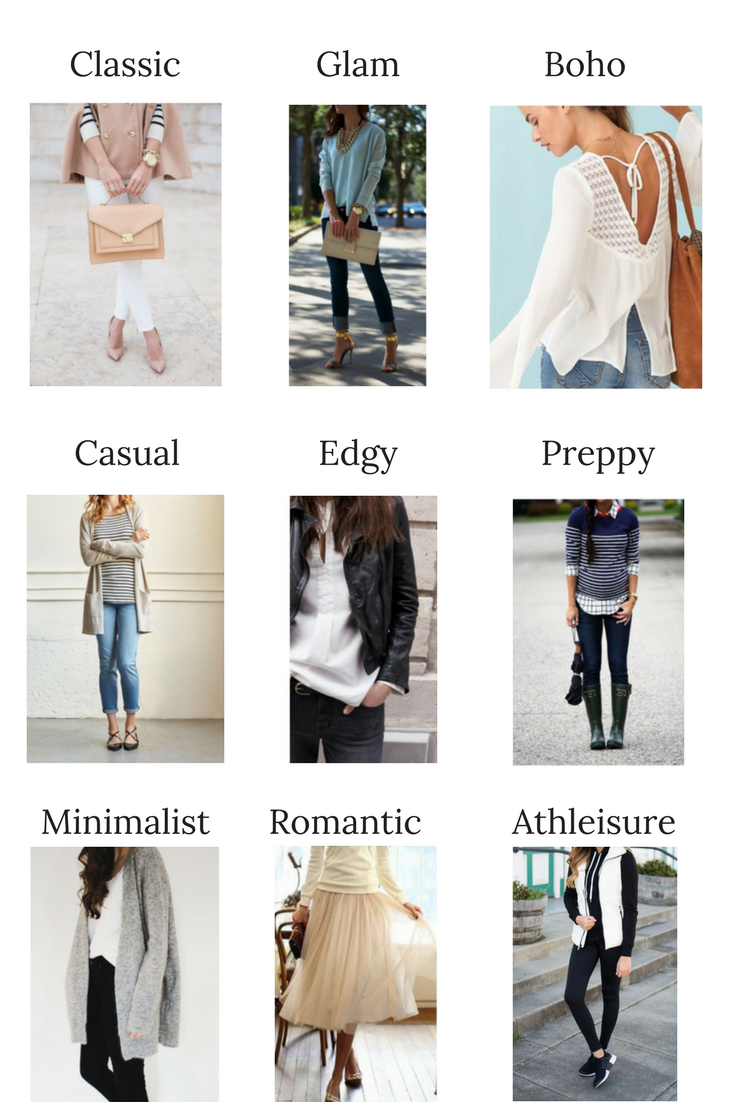
The Psychology of Visual Identity: Why Style Is a Brand Asset
To understand your fashion style, you must first recognize it as a strategic asset. In branding, consistency is the hallmark of trust. When your visual identity matches your professional output, you create a cohesive narrative that the market can easily digest.
The Halo Effect and First Impressions
Cognitive psychology introduces us to the “Halo Effect,” a bias where our overall impression of a person influences how we feel and think about their character. In a branding context, if your “fashion style” conveys competence, modernism, and organization, observers are statistically more likely to assume your work possesses those same qualities. Defining your style is not about vanity; it is about reducing friction in your professional relationships by presenting a clear, recognizable brand persona.
Aligning Personal Values with Aesthetic Choices
Every brand has a set of core values. If your personal brand is built on “Sustainability” and “Ethical Leadership,” a fashion style that leans toward fast-fashion trends will create a “brand mismatch.” Conversely, if your brand is “Disruptive” and “Avant-Garde,” a traditional corporate suit might dilute your message. Your fashion style should be a physical manifestation of your brand’s mission statement.
Identifying Your Brand Archetype: Choosing Your Strategic Style
In brand strategy, we often use archetypes to give a company a “human” personality. You can apply this same logic to determine your fashion style. Instead of looking at what is on the runway, look at what personality your brand needs to project to succeed in your specific market.
The Innovator: Minimalist and Cutting-Edge
The “Innovator” archetype often adopts a minimalist fashion style. This is the “Steve Jobs” or “Jony Ive” approach—characterized by a “uniform” of high-quality, monochromatic, and structurally interesting pieces. This style communicates that you are focused on the future and that your mind is too occupied with high-level problem-solving to be distracted by frivolous trends. It suggests efficiency, clarity of thought, and a modern edge.
The Sage: Classic, Authoritative, and Timeless
If your brand is built on expertise, wisdom, and long-term trust—common in law, high-level finance, or traditional consulting—your fashion style should lean toward the “Sage.” This involves timeless silhouettes, structured tailoring, and premium fabrics like wool, silk, and leather. This aesthetic communicates stability. It tells your clients that you are not a “flash in the pan” but a reliable institution.
The Creative: Bold, Eclectic, and Disruptive
For those in marketing, design, or the arts, the “Creative” style allows for more experimentation. This style uses color, pattern, and unique accessories to signal “outside-the-box” thinking. However, from a brand perspective, this must still be intentional. An eclectic style should not look accidental; it should look curated. This signals to your audience that you have a unique vision and the courage to execute it.
Building a Cohesive Visual Language

Once you have identified your archetype, the next step in brand design is creating a visual language. This involves more than just picking out clothes; it involves selecting the colors, textures, and “brand marks” that will define your public-facing persona.
Color Theory in Professional Branding
In corporate identity, colors carry specific psychological weights. Blue conveys trust and calm; black conveys power and sophistication; green suggests growth and sustainability. When defining your fashion style, choose a primary palette that reflects your brand’s emotional tone. A personal brand focused on high-energy sales might incorporate “power reds,” while a brand focused on wellness might stick to earth tones. By consistently wearing these colors, you create a visual “shorthand” for your brand.
Consistency Across Digital and Physical Platforms
A common mistake in personal branding is a “brand fracture”—where your LinkedIn headshot shows you in a formal suit, but you show up to keynote speeches in streetwear. To have a powerful fashion style, there must be a bridge between your digital presence and your physical reality. Your “style” should be recognizable across your website, your social media, and your in-person meetings. This repetition builds brand equity.
Implementing Your Style Strategy: The Personal Brand Audit
Defining your style is a strategic project that requires an audit of your current assets and a plan for future acquisitions. Just as a company rebrands when its mission shifts, you must be willing to evolve your fashion style to match your career trajectory.
Auditing Your Current Professional Wardrobe
Begin by laying out your most-worn professional outfits. Do they tell the story you want to tell? Ask yourself: “If this outfit were a logo, what kind of company would it represent?” If the answer is “a disorganized startup” but you are aiming for “C-suite executive,” there is a strategic gap. Discard items that do not fit your chosen archetype and identify the “hero pieces” that reinforce your brand.
The “Signature Look” as a Business Tool
Many of the world’s most successful brands have a signature element—the Tiffany Blue box, the Nike Swoosh, the Apple logo. You can apply this to your fashion style by adopting a signature element. This could be a specific type of eyewear, a penchant for structured blazers, or a consistent use of a specific accessory. This “brand mark” makes you memorable in a crowded marketplace. It ensures that when people think of your expertise, they have a clear, distinct visual image of you.
The ROI of a Defined Fashion Style
In the world of business finance and marketing, we talk about Return on Investment (ROI). Investing in a defined fashion style offers a significant “Personal Brand ROI.” It increases your confidence, which improves your performance in high-stakes negotiations. It increases your “Perceived Value,” allowing you to command higher fees or faster promotions because you look like the expert you claim to be.
Furthermore, a well-defined style saves time—the most precious resource for any professional. When you have a “style system” based on your brand identity, you no longer suffer from decision fatigue in the morning. You know what fits, you know what matches your brand, and you can focus your mental energy on your core business objectives.

Conclusion: Style as a Strategic Choice
“What is my fashion style?” is not a question about clothing; it is a question about identity and market positioning. By moving away from the “consumer” mindset of fashion and toward a “brand strategist” mindset, you can transform your appearance into a powerful tool for professional success.
Your style is the visual manifestation of your brand’s promise. Whether you choose the sleek minimalism of the Innovator, the sturdy reliability of the Sage, or the vibrant energy of the Creative, ensure that your choice is intentional, consistent, and aligned with your long-term goals. In the competitive world of global business, your fashion style is your most visible competitive advantage. Wear it with purpose.
aViewFromTheCave is a participant in the Amazon Services LLC Associates Program, an affiliate advertising program designed to provide a means for sites to earn advertising fees by advertising and linking to Amazon.com. Amazon, the Amazon logo, AmazonSupply, and the AmazonSupply logo are trademarks of Amazon.com, Inc. or its affiliates. As an Amazon Associate we earn affiliate commissions from qualifying purchases.