
In the modern digital landscape, the real estate industry is often perceived through the lens of glossy photos and “For Sale” signs. However, beneath the surface of every property search engine and mobile app lies a sophisticated, high-speed technological infrastructure known as the Multiple Listing Service (MLS). Far from being just a simple list of homes, the MLS is a complex ecosystem of databases, proprietary software, and data-sharing protocols that facilitate billions of dollars in annual transactions. To understand the MLS is to understand the digital engine that drives the global property market.
The Evolution of Real Estate Data Systems: From Books to Bits
The concept of a shared database began long before the advent of the internet. In the late 19th century, real estate brokers gathered at local associations to exchange information about the properties they were trying to sell. This manual exchange was the precursor to the digital MLS. However, the true transformation occurred when the industry embraced information technology.
The Origin of Cooperative Databases
Originally, the MLS functioned as a series of physical ledgers or weekly printed books. Tech-wise, this was a highly inefficient “distributed” system with massive latency. Brokers had to wait for physical updates to know if a price had dropped or a property had been sold. The primary technological hurdle was synchronization; the industry needed a way to ensure that all participants were looking at the same data at the same time.
Digitization and the Cloud Shift
The 1990s and early 2000s marked the transition from physical records to centralized digital databases. This era saw the birth of the modern MLS platform, moving from local server-based software to the cloud. Today, the MLS is a Software-as-a-Service (SaaS) model. Instead of local installations, agents access real-time data via web browsers and mobile applications. This shift to the cloud has allowed for massive scalability, enabling thousands of concurrent users to query millions of data points without significant downtime.
How the MLS Works: Architecture and Connectivity
At its core, an MLS is a relational database designed for high availability and data integrity. Unlike public-facing portals, which often prioritize user experience over data precision, the MLS backend is built for professional-grade accuracy and compliance.
Database Management and Data Integrity
The architecture of an MLS involves strict “business rules” or logic layers. When an agent enters a new listing, the system validates the data against specific parameters (e.g., zip code verification, tax record cross-referencing, and mandatory field completion). This ensures that the data being fed into the system is “clean.” In tech terms, this is a rigorous ETL (Extract, Transform, Load) process that maintains the gold standard of real estate information. Without this technological gatekeeping, the real estate market would suffer from catastrophic data fragmentation.
IDX and API Integration: Connecting the Ecosystem
One of the most critical tech components of the MLS is the Internet Data Exchange (IDX). IDX is a set of rules and software integrations that allow MLS participants to display a subset of the database on their own websites.
Furthermore, the industry is moving toward Web APIs (Application Programming Interfaces). Historically, data was shared via RETS (Real Estate Transaction Standard), a somewhat clunky and aging protocol. The modern standard, spearheaded by the Real Estate Standards Organization (RESO), utilizes Web APIs based on OData (Open Data Protocol). This allows third-party developers to build apps and tools that “talk” to the MLS in real-time, facilitating a seamless flow of information from the listing agent’s keyboard to the consumer’s smartphone.
The Tech Stack of a Multiple Listing Service
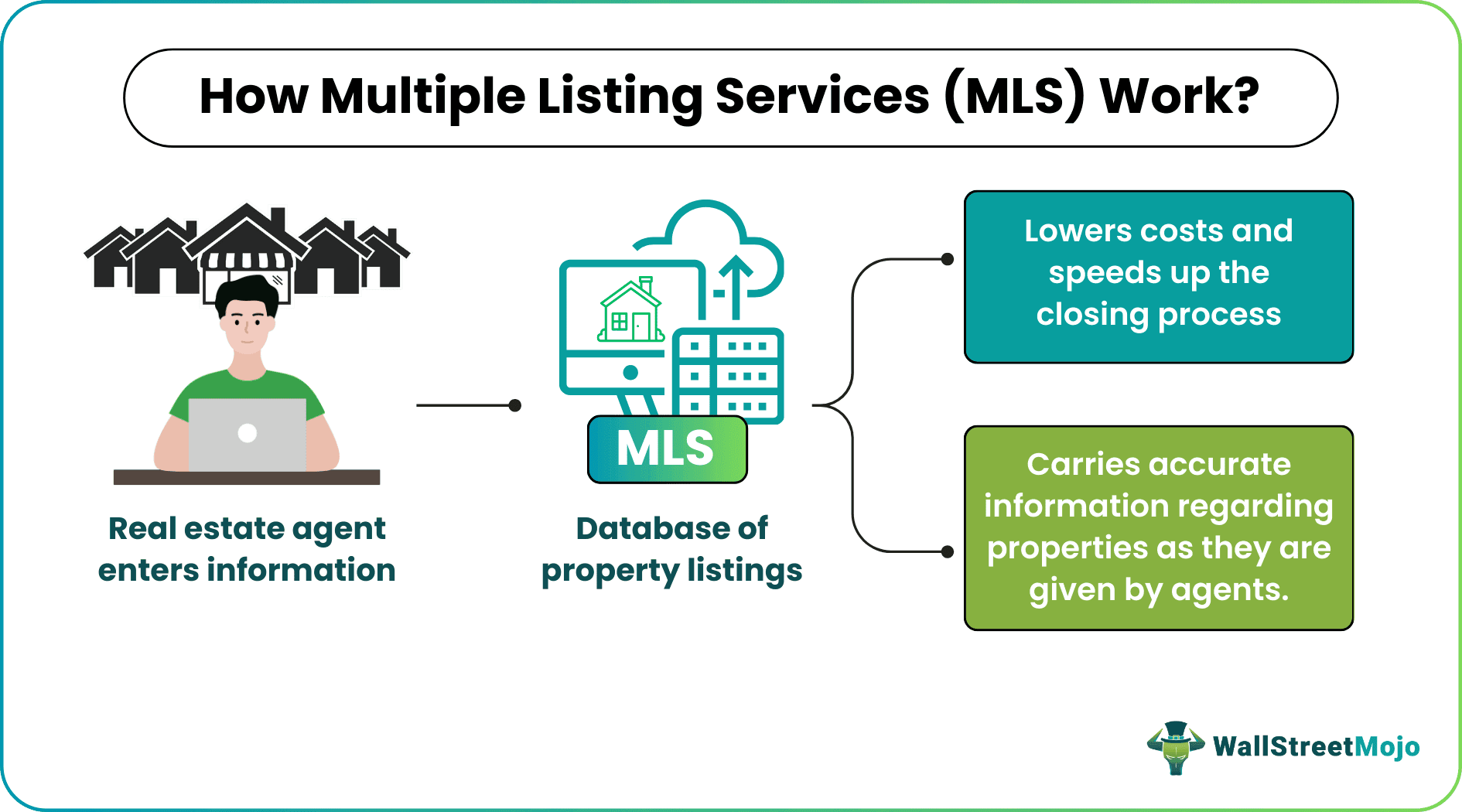
To provide a seamless experience, MLS providers utilize a robust tech stack that balances heavy database lifting with intuitive user interfaces. There are several major software providers in this space, such as CoreLogic (Matrix), Black Knight (Paragon), and FBS (Flexmls), each offering distinct technological advantages.
Proprietary Platforms vs. Open Standards
While many MLSs run on proprietary platforms, there is a growing movement toward “headless” MLS systems. In a headless architecture, the database (the back end) is decoupled from the user interface (the front end). This allows an MLS organization to keep its core data secure and standardized while allowing agents to use various “front-end” apps to interact with that data. This modularity is a hallmark of modern software engineering, promoting innovation by allowing niche developers to build specialized tools for specific tasks, like comparative market analysis (CMA) or automated showing schedules.
Mobile Optimization and Real-Time Synchronization
In the current “mobile-first” era, the MLS tech stack has had to evolve rapidly. Modern systems utilize WebSocket protocols or push notification frameworks to ensure that “Just Listed” alerts reach users within milliseconds of a database update. This requires sophisticated load balancing and edge computing to ensure that users across different geographic regions experience the same low-latency performance. Whether an agent is in a high-rise office or a rural property, the mobile MLS app must sync bi-directionally, ensuring that any changes made on a mobile device are instantly reflected in the centralized database.
AI and the Future of MLS Technology
The next frontier for the MLS is the integration of Artificial Intelligence (AI) and Machine Learning (ML). These technologies are transforming the MLS from a passive database into a proactive intelligence tool.
Predictive Analytics and Valuation Models
By applying machine learning algorithms to decades of historical MLS data, these systems can now provide predictive analytics. Tech-forward MLS platforms can predict when a property is likely to sell, what the optimal listing price should be based on micro-market trends, and even which homeowners in a specific area are most likely to list their homes in the next six months. These Automated Valuation Models (AVMs) are becoming increasingly sophisticated, moving beyond simple averages to account for complex variables like neighborhood sentiment and hyper-local economic shifts.
Automated Image Tagging and Virtual Tours
Computer vision, a subset of AI, is now being integrated directly into the MLS upload process. When an agent uploads photos, the AI can automatically tag features—identifying stainless steel appliances, hardwood floors, or granite countertops. This improves searchability without requiring manual data entry. Additionally, the integration of 3D spatial data and “digital twins” (via tools like Matterport) is becoming a standard feature of the MLS tech stack, allowing the database to store and serve complex 3D environments rather than just flat 2D images.
Cybersecurity and Data Privacy in Real Estate Tech
Because the MLS contains sensitive information—including seller contact details, alarm codes, and historical pricing data—cybersecurity is a paramount concern. The technology governing the MLS must be as secure as a banking platform.
Protecting Sensitive Transactional Data
Modern MLS systems employ advanced encryption both “at rest” and “in transit.” Multi-Factor Authentication (MFA) has become a standard requirement for access, preventing unauthorized users from gaining entry to the backend. From a tech standpoint, MLS providers also have to defend against “data scraping”—automated bots that attempt to steal the proprietary database to resell the leads. This involves sophisticated firewall configurations and behavior-based bot detection.
Compliance and Access Control
The MLS operates on a “permissioned” blockchain-like logic (though rarely on an actual blockchain yet). Access is strictly tiered. A broker has different permissions than an agent, and an appraiser has different permissions than a photographer. Managing these Identity and Access Management (IAM) protocols is a significant technological undertaking. As privacy laws like GDPR and CCPA become more prevalent, MLS software must also incorporate “Right to be Forgotten” protocols and strict data residency rules to ensure that personal information is handled legally and ethically.
Conclusion
The Multiple Listing Service is far more than a directory of homes; it is a marvel of modern information technology. By evolving from physical books to sophisticated, AI-driven cloud platforms, the MLS has standardized the way real estate data is captured, shared, and protected. For the tech-savvy professional, the MLS represents the ultimate example of how a centralized data standard can empower a decentralized industry, ensuring that the wheels of commerce continue to turn with precision, speed, and security. As we look toward the future, the continued integration of APIs, machine learning, and advanced cybersecurity will only further solidify the MLS as the indispensable technological heart of real estate.
aViewFromTheCave is a participant in the Amazon Services LLC Associates Program, an affiliate advertising program designed to provide a means for sites to earn advertising fees by advertising and linking to Amazon.com. Amazon, the Amazon logo, AmazonSupply, and the AmazonSupply logo are trademarks of Amazon.com, Inc. or its affiliates. As an Amazon Associate we earn affiliate commissions from qualifying purchases.