
In an era defined by rapid technological advancement, evolving brand landscapes, and the constant pursuit of financial security, it might seem unusual to delve into the world of a seemingly old-fashioned commodity like coal. However, the title “What is Met Coal?” hints at a topic that, while perhaps not as flashy as AI tools or as immediate as a stock market fluctuation, plays an undeniably significant role in shaping the very infrastructure that enables these modern marvels. Metallurgy coal, often shortened to “met coal,” is a vital ingredient in an industrial process that underpins much of our global economy, from the production of steel for towering skyscrapers to the manufacturing of the components within our most advanced gadgets.
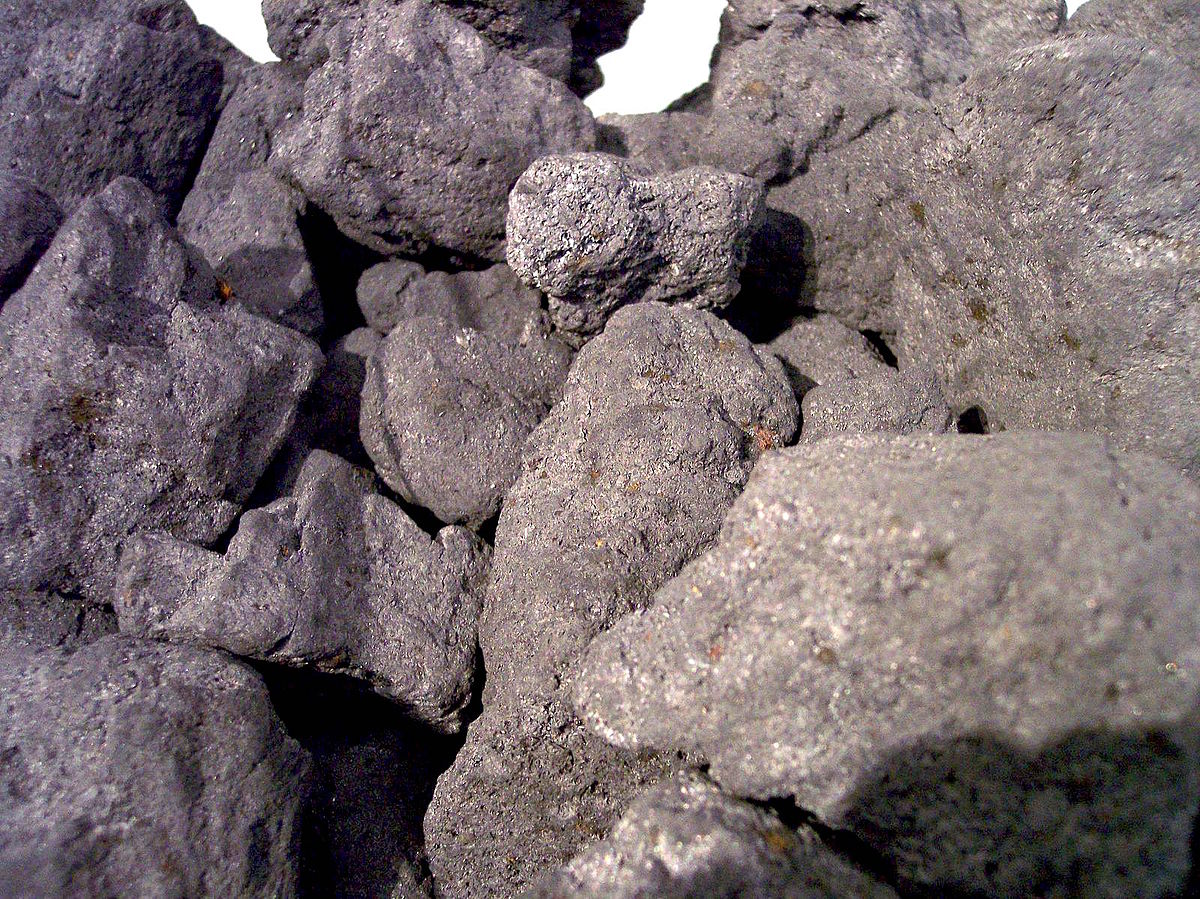
This article will explore the nature of met coal, its unique properties, and its critical applications. We will also touch upon its economic significance, the challenges and opportunities surrounding its production and use, and how its story intersects with the broader themes of technology, brand, and money that define our contemporary world.
The Genesis of Met Coal: From Earth to Essential Ingredient
To understand “what is met coal,” we must first acknowledge its origin. Met coal is not just any type of coal. It’s a specific grade of coal with particular chemical and physical characteristics that make it indispensable for one primary purpose: producing steel. Unlike thermal coal, which is primarily burned for its energy content to generate electricity, met coal undergoes a transformation process that yields its value.
From Seams to Coke: The Transformation Process
The journey of met coal begins deep within the earth. Mined from specific geological formations, it is then subjected to a process called coking. This involves heating the coal in an oxygen-free environment to extremely high temperatures, typically between 900 and 1100 degrees Celsius. This process drives off volatile matter, such as water, sulfur, and ash, leaving behind a carbon-rich substance known as coke.
Coke is the star of the show in steelmaking. Its unique properties make it an ideal fuel and reducing agent in blast furnaces. When iron ore is heated with coke in a blast furnace, the coke serves two crucial functions:
- Fuel: It provides the intense heat necessary to melt the iron ore.
- Reducing Agent: The carbon within the coke reacts with the iron oxides in the ore, stripping away the oxygen and leaving behind molten iron.
The quality of the met coal directly impacts the quality of the coke, and consequently, the quality of the steel produced. This is why specific types of coal, with particular levels of carbon, volatile matter, ash, and sulfur, are sought after for their metallurgical properties.
The Essential Properties of Met Coal
Not all coal is created equal when it comes to steelmaking. Met coal possesses a unique combination of characteristics that distinguish it from other types of coal:
- Low Volatile Matter: This is crucial for efficient coking. High volatile matter can lead to excessive gas production during the coking process, making it harder to achieve the desired coke structure and purity.
- High Carbon Content: A high carbon content is essential for the coke to act as an effective fuel and reducing agent.
- Plasticity and Swelling Properties: During the heating process, met coal undergoes a plastic stage where it becomes soft and can swell. This plasticity is vital for forming a coherent and strong coke structure. The degree of swelling also needs to be controlled, as excessive swelling can damage coke ovens.
- Low Ash and Sulfur Content: Ash, the inorganic residue left after burning, can dilute the carbon content and introduce impurities into the steel. High sulfur content can also negatively impact the properties of the steel, making it brittle. Therefore, met coal with low ash and sulfur levels is highly desirable.
These specific attributes dictate why certain coal seams are classified as metallurgical coal and are prized by the steel industry. The careful extraction, processing, and transportation of this specialized resource are critical to global manufacturing.
The Unseen Pillars: Met Coal’s Role in Technology and Infrastructure
While we often focus on the silicon chips and advanced software that drive our digital world, the very foundations of these technologies are built with materials derived from processes that rely heavily on met coal. The connection might seem indirect, but it’s fundamental.
Steel: The Backbone of Modern Technology and Infrastructure
Steel is arguably the most important structural material ever developed by humanity. Its strength, durability, and versatility make it indispensable across a vast spectrum of industries.
- Infrastructure: From the bridges that connect our cities and the skyscrapers that define our skylines to the rails that transport goods and people, steel is the ubiquitous building block of modern infrastructure. Without ample and high-quality steel, our transportation networks, urban landscapes, and even essential utilities would be impossible to construct and maintain.
- Manufacturing and Machinery: The machinery that powers factories, the vehicles that move us, and the intricate components of almost every manufactured product are made from steel. This includes the highly specialized equipment used in the semiconductor industry, the very heart of our digital age.
- Energy Sector: The infrastructure for energy production and distribution, including power plants, oil and gas pipelines, and wind turbine towers, relies heavily on steel. The efficient extraction of resources, whether it’s thermal coal or rare earth minerals for batteries, often involves steel-fabricated equipment.
- Consumer Goods and Gadgets: Even the devices we hold in our hands, from smartphones to laptops, contain steel components. While often small, these parts are crucial for the structural integrity and functionality of our electronic devices. The manufacturing processes for these gadgets also heavily utilize steel tooling and machinery.
The Interdependence of Industries
The relationship between met coal and the technology sector is a clear example of industrial interdependence. The demand for met coal is intrinsically linked to the demand for steel, which in turn is driven by the needs of infrastructure development, manufacturing, and technological advancement. Conversely, innovations in the technology sector, such as AI-powered mining equipment or advanced material science in steel production, can influence the efficiency and sustainability of met coal extraction and utilization.
The Economic Landscape of Met Coal: A Global Commodity
Met coal is a significant global commodity, its price and availability influencing economies on a large scale. Understanding its economic impact requires looking at production, trade, and the factors that shape its market value.
Supply, Demand, and Price Fluctuations
Like any commodity, the price of met coal is dictated by the interplay of supply and demand. Several factors can influence these dynamics:
- Geopolitical Events: Disruptions in major coal-producing or steel-consuming regions due to political instability, trade disputes, or natural disasters can significantly impact supply chains and prices.
- Economic Growth: Periods of robust global economic growth generally lead to increased demand for steel, and consequently, for met coal. Conversely, economic downturns can depress demand.
- Technological Advancements in Steelmaking: While met coal is crucial now, research into alternative steelmaking processes that reduce or eliminate the need for coke is ongoing. Advances in these areas could alter long-term demand.
- Environmental Regulations and Policies: Growing global focus on climate change and sustainability is leading to stricter regulations on coal mining and carbon emissions. This can affect production costs, availability, and the overall market sentiment towards met coal.
The Role of Brand and Reputation in the Market
While the core product of met coal is a raw material, the companies involved in its extraction, processing, and distribution are increasingly mindful of their “brand.” In an industry facing scrutiny over its environmental impact, a company’s reputation can be a significant differentiator.
- Corporate Social Responsibility (CSR): Leading mining companies are investing in and communicating their CSR initiatives. This includes efforts in environmental stewardship, community engagement, and worker safety. A strong CSR record can attract investors, secure social license to operate, and build trust with stakeholders.
- Transparency and Traceability: As consumers and investors become more aware of supply chain ethics, the ability to demonstrate transparency and traceability in the origin and production of met coal can become a competitive advantage. This ties into building a brand that consumers can trust.
- Innovation and Sustainability: Companies that are perceived as innovative, not only in their operational efficiency but also in their efforts to reduce their environmental footprint, can cultivate a more positive brand image. This might include investments in cleaner mining technologies or exploring pathways towards carbon capture.
Financial Considerations and Investment
The met coal market represents a significant area for investment and financial planning.
- Commodity Trading: Met coal is traded on global markets, and sophisticated investors and trading houses monitor its price movements to profit from price fluctuations. Understanding the supply and demand drivers, as well as geopolitical and environmental factors, is crucial for successful trading.
- Mining Company Investments: Investing in companies that are major producers of met coal can be part of a diversified investment portfolio. However, this sector is subject to cyclicality and regulatory risks, requiring careful due diligence.
- Financial Tools and Analysis: Financial professionals utilize a range of tools and analytical techniques to assess the financial health of met coal producers, forecast market trends, and manage investment risks. This includes fundamental analysis of company reports, technical analysis of price charts, and macro-economic forecasting.
Challenges and the Future of Met Coal
The future of met coal is not without its challenges, primarily driven by the global imperative to address climate change. However, its indispensable role in steel production, a material crucial for many “green” technologies, presents a complex dichotomy.
Environmental Concerns and the Path Forward
The extraction and combustion of coal have significant environmental consequences, including greenhouse gas emissions and potential for land and water contamination. The steel industry, a major consumer of met coal, is one of the largest industrial emitters of CO2 globally.
- Decarbonization Efforts: The steel industry is actively exploring ways to decarbonize its operations. This includes research into hydrogen-based direct reduction of iron ore, which could significantly reduce reliance on coke. However, these technologies are still in development and face significant economic and logistical hurdles.
- Carbon Capture, Utilization, and Storage (CCUS): CCUS technologies aim to capture CO2 emissions from industrial processes and either store them underground or utilize them in other applications. This could offer a pathway to reduce the carbon footprint of steel production that still relies on coal.
- Improved Mining and Processing: Companies are investing in more efficient and environmentally responsible mining practices. This includes minimizing land disturbance, managing water resources effectively, and reducing energy consumption in processing.

The Enduring Demand for Steel and Met Coal
Despite the environmental pressures, the demand for steel is projected to remain strong, particularly in developing economies and for the expansion of renewable energy infrastructure (e.g., wind turbines, solar panel frames). This suggests that met coal, while facing increasing scrutiny, will likely remain a critical commodity for the foreseeable future.
The narrative of met coal is, therefore, one of transition. It is a story of a vital industrial material that has powered global development for centuries, now navigating a future where sustainability and technological innovation are paramount. Understanding “what is met coal” is not just about understanding a commodity; it’s about understanding a fundamental element in the intricate web of our modern economy, a web that connects raw materials to the cutting edge of technology, the strategic decisions of brands, and the financial decisions that shape our world.
aViewFromTheCave is a participant in the Amazon Services LLC Associates Program, an affiliate advertising program designed to provide a means for sites to earn advertising fees by advertising and linking to Amazon.com. Amazon, the Amazon logo, AmazonSupply, and the AmazonSupply logo are trademarks of Amazon.com, Inc. or its affiliates. As an Amazon Associate we earn affiliate commissions from qualifying purchases.