
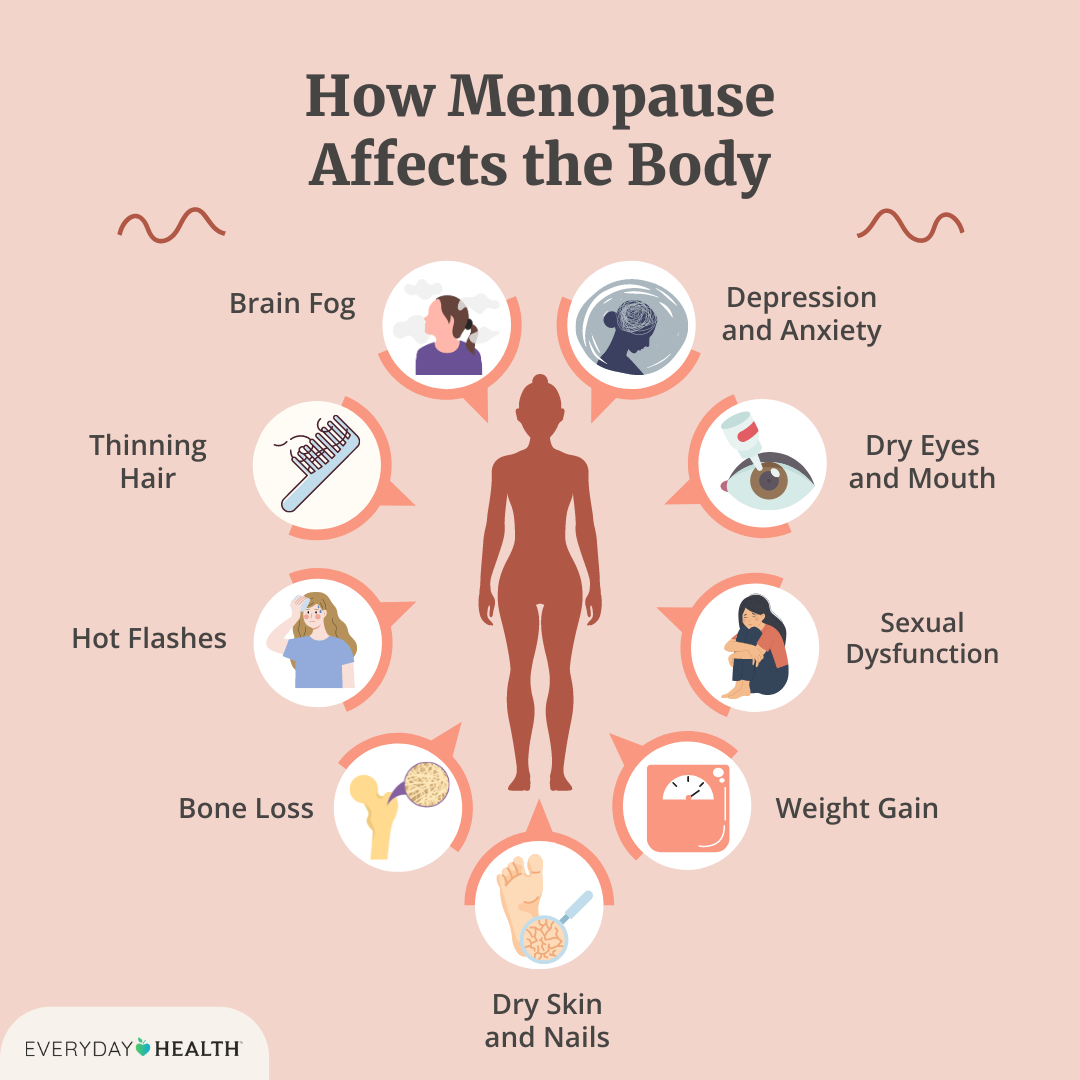
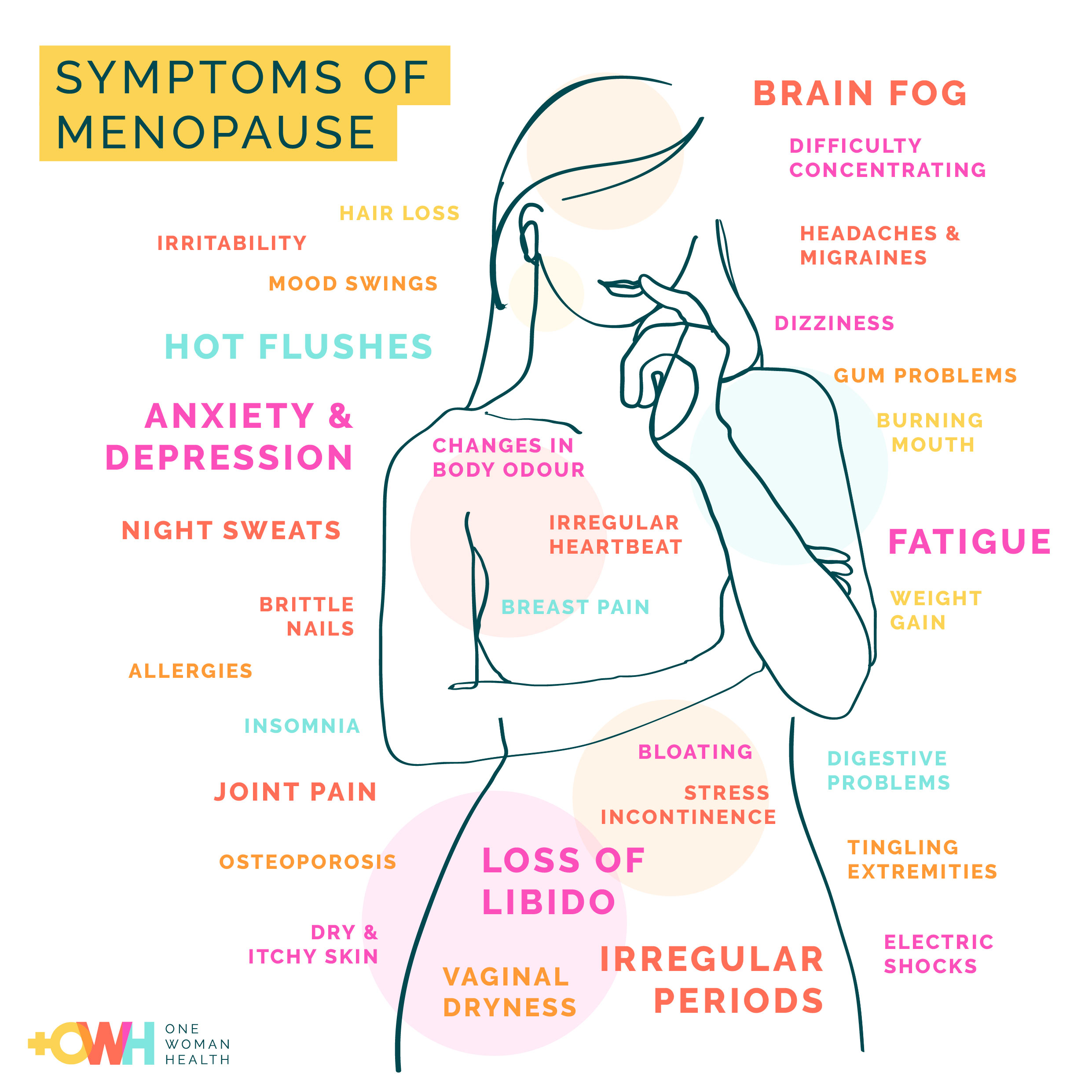
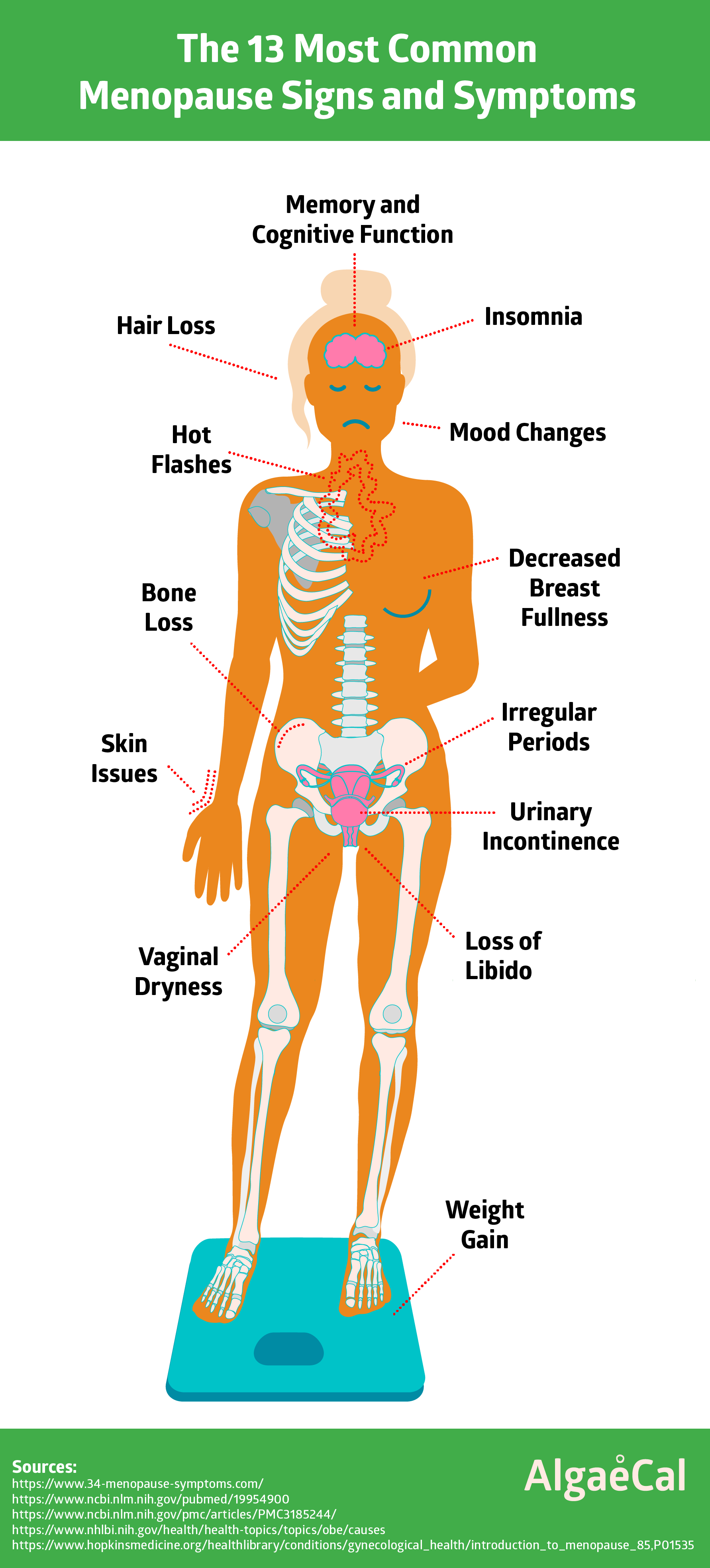
Menopause, a natural biological process marking the end of a woman’s reproductive years, is often accompanied by a range of symptoms that can significantly impact quality of life. From hot flashes and night sweats to mood swings, sleep disturbances, and cognitive changes, the individual experience of menopause is highly diverse and often challenging. Historically, understanding and managing these symptoms relied heavily on individual medical consultations and anecdotal evidence. However, in the 21st century, technology is revolutionizing how we approach this significant life stage, offering unprecedented tools for tracking, analysis, support, and personalized care. This article explores how digital innovations are transforming our understanding and management of menopause symptoms, moving beyond traditional approaches to empower women with knowledge and control.
Digital Tracking and Symptom Logging Applications
One of the most immediate and accessible ways technology assists in understanding menopause symptoms is through dedicated mobile applications for tracking and logging. These apps provide a digital diary for users to record the onset, duration, and severity of various symptoms, along with potential triggers and relief strategies. This systematic data collection empowers individuals to identify patterns and correlations that might otherwise go unnoticed, offering valuable insights into their unique menopausal journey.
Personalized Insights Through Data Analytics
Beyond simple logging, many advanced menopause apps leverage data analytics to provide personalized insights. By analyzing an individual’s logged data over time, these platforms can generate reports highlighting trends in symptom frequency, intensity, and their relationship to lifestyle factors like diet, exercise, and sleep. For instance, an app might identify that hot flashes are more prevalent on days with high caffeine intake or that sleep disturbances worsen during particular phases of the menopausal transition. These data-driven insights are invaluable for both individuals seeking self-management strategies and healthcare providers looking for a comprehensive overview of their patients’ experiences. The ability to visualize personal health data can transform an often nebulous and frustrating experience into one that is quantifiable and, therefore, more manageable.
Community Support and Peer-to-Peer Platforms
Many digital menopause platforms extend beyond individual tracking to incorporate robust community features. These integrated forums and social networks allow users to connect with others experiencing similar symptoms, share advice, and offer mutual support. This peer-to-peer interaction is crucial, as menopause can often feel isolating. Technology facilitates the creation of a supportive digital ecosystem where women can find solidarity, learn from shared experiences, and feel less alone in their journey. From discussing the efficacy of different remedies to simply venting frustrations, these online communities provide a vital emotional and informational outlet, enhancing the overall well-being of users.
Wearable Technology for Proactive Health Monitoring
The proliferation of wearable technology has opened new avenues for understanding menopause symptoms, moving beyond self-reported data to continuous, objective physiological monitoring. Devices such as smartwatches, fitness trackers, and specialized health sensors can collect a wealth of biometric data that is highly relevant to the menopausal experience.
Beyond Step Counts: Monitoring Vitals and Sleep Patterns
Modern wearables do far more than just count steps. They can continuously monitor heart rate, skin temperature, sleep cycles, and even stress levels through heart rate variability. For women navigating menopause, this data can be incredibly revealing. For example, a sudden spike in skin temperature detected by a wearable could correlate directly with a hot flash, providing objective data on its frequency and intensity. Similarly, detailed sleep tracking can pinpoint disturbances, identify patterns of insomnia, or reveal the impact of night sweats on sleep quality. This objective data complements self-reported symptoms, offering a more complete picture of physiological changes.
Early Detection and Trend Identification
The continuous nature of wearable monitoring allows for the early detection of subtle changes and the identification of long-term trends. By providing a baseline of an individual’s health metrics, wearables can flag deviations that might indicate the onset of new symptoms or the exacerbation of existing ones. For instance, consistent increases in resting heart rate or persistent disruptions in REM sleep could prompt further investigation. This proactive approach empowers individuals to address potential issues sooner, consult with healthcare professionals with more objective data, and potentially mitigate the impact of certain symptoms before they become severe. The integration of this data with tracking apps can create a powerful feedback loop for personalized health management.
AI and Machine Learning in Menopause Care
The future of understanding and managing menopause symptoms is increasingly intertwined with artificial intelligence (AI) and machine learning (ML). These advanced technologies have the potential to process vast amounts of data—from individual tracking apps and wearables to broader medical research—to offer unparalleled insights and personalized recommendations.
Predictive Analytics for Symptom Flares
AI algorithms can analyze a user’s historical symptom data, biometric readings from wearables, and even environmental factors (like weather or pollen counts, if integrated) to develop predictive models for symptom flares. Imagine an AI notifying a user that based on their sleep patterns and recent activity, they are likely to experience a hot flash within the next few hours, suggesting proactive cooling techniques. This predictive capability moves beyond reactive management, enabling individuals to prepare for and potentially mitigate symptoms before they fully manifest, thereby reducing their disruptive impact on daily life.
Personalized Treatment Recommendations and Lifestyle Adjustments
Machine learning models can go a step further by offering highly personalized recommendations for symptom management. By analyzing an individual’s specific symptom profile, lifestyle, existing health conditions, and even genetic predispositions (if that data is provided), AI can suggest tailored dietary adjustments, exercise routines, stress reduction techniques, or even recommend specific over-the-counter remedies or supplements that have shown efficacy for similar profiles. This moves away from a one-size-fits-all approach to a truly bespoke care plan, maximizing the potential for effective symptom relief and overall well-being. AI can also help in navigating the vast amount of information available online, filtering it to present only the most relevant and evidence-based options for a specific user.
Telehealth and Digital Consultations
The rise of telehealth platforms has significantly improved access to specialized care, which is particularly beneficial for women experiencing menopause symptoms, especially those in remote areas or with mobility challenges.
Access to Specialists and Remote Care
Telehealth platforms connect individuals directly with doctors, gynecologists, endocrinologists, and other specialists who have expertise in menopausal health, all from the comfort and privacy of their homes. This ease of access can reduce the barriers associated with scheduling in-person appointments, travel, and wait times. Through secure video consultations, patients can discuss their symptoms, share data from their tracking apps and wearables, and receive professional medical advice, diagnoses, and prescriptions. This is invaluable for women seeking professional guidance on hormone therapy, non-hormonal treatments, or lifestyle interventions tailored to their specific needs.
Bridging Information Gaps
Beyond direct consultations, telehealth platforms often serve as comprehensive digital hubs providing educational resources, articles, and FAQs about menopause. This helps bridge existing information gaps, empowering women with accurate, up-to-date knowledge about their bodies and the changes they are undergoing. The ability to learn about symptom etiologies, treatment options, and self-care strategies from reputable sources directly within the platform enhances health literacy and promotes informed decision-making. These platforms can also facilitate follow-up care, allowing for ongoing monitoring and adjustments to treatment plans without the need for repeated in-person visits.
The Future of Tech-Enabled Menopause Management
The trajectory of technology in menopause care points towards increasingly integrated, predictive, and personalized solutions. The goal is to create a seamless ecosystem where all health data converges to provide a holistic view of an individual’s health during this transitional phase.
Integrating Data for Holistic Wellness
The next generation of menopause tech will likely see deeper integration between various devices and platforms. Imagine a scenario where data from your smart ring about sleep quality automatically updates your menopause tracking app, which then uses AI to cross-reference with your dietary intake logged in another app, identifying patterns that inform personalized wellness recommendations delivered through a virtual health coach. This holistic data integration promises a more complete understanding of how various aspects of lifestyle and physiology interact to influence menopausal symptoms, enabling truly comprehensive and proactive management strategies.
Addressing Digital Divide and Data Security Concerns
As technology becomes more central to menopause management, it’s crucial to address challenges such as the digital divide and data security. Ensuring equitable access to these tools across all demographics, regardless of socioeconomic status or geographical location, is paramount. Furthermore, the sensitive nature of personal health data necessitates robust cybersecurity measures and transparent privacy policies. Users must be confident that their health information is protected and used ethically. Future developments will need to prioritize user empowerment, accessibility, and the highest standards of data integrity and privacy to truly unlock the full potential of tech-enabled menopause care.
In conclusion, “what are menopause symptoms” is a question that technology is helping us answer with unprecedented clarity and depth. From empowering self-tracking and fostering community support to leveraging objective data from wearables and harnessing the predictive power of AI, digital innovations are transforming the menopausal experience. By providing tools for greater understanding, personalized management, and improved access to care, technology is enabling women to navigate this significant life stage with more confidence, control, and an enhanced quality of life. The future promises even more sophisticated and integrated solutions, making menopause a journey that is increasingly understood, supported, and ultimately, empowered by innovation.
aViewFromTheCave is a participant in the Amazon Services LLC Associates Program, an affiliate advertising program designed to provide a means for sites to earn advertising fees by advertising and linking to Amazon.com. Amazon, the Amazon logo, AmazonSupply, and the AmazonSupply logo are trademarks of Amazon.com, Inc. or its affiliates. As an Amazon Associate we earn affiliate commissions from qualifying purchases.