
The term “meniscus” often conjures images of scientific laboratories, precise measurements, and the subtle curve of liquids in a container. In its most literal scientific sense, a meniscus refers to the curved upper surface of a liquid column, particularly as it adheres to the walls of a narrow tube or container. This phenomenon is a direct result of the interplay between adhesive forces (attraction between liquid molecules and the container’s surface) and cohesive forces (attraction between liquid molecules themselves). However, the concept of a meniscus extends far beyond the beakers and test tubes of chemistry and physics. It represents a fundamental principle of interaction, boundary formation, and nuanced behavior that can be observed and applied across various domains, including technology, branding, and even finance.
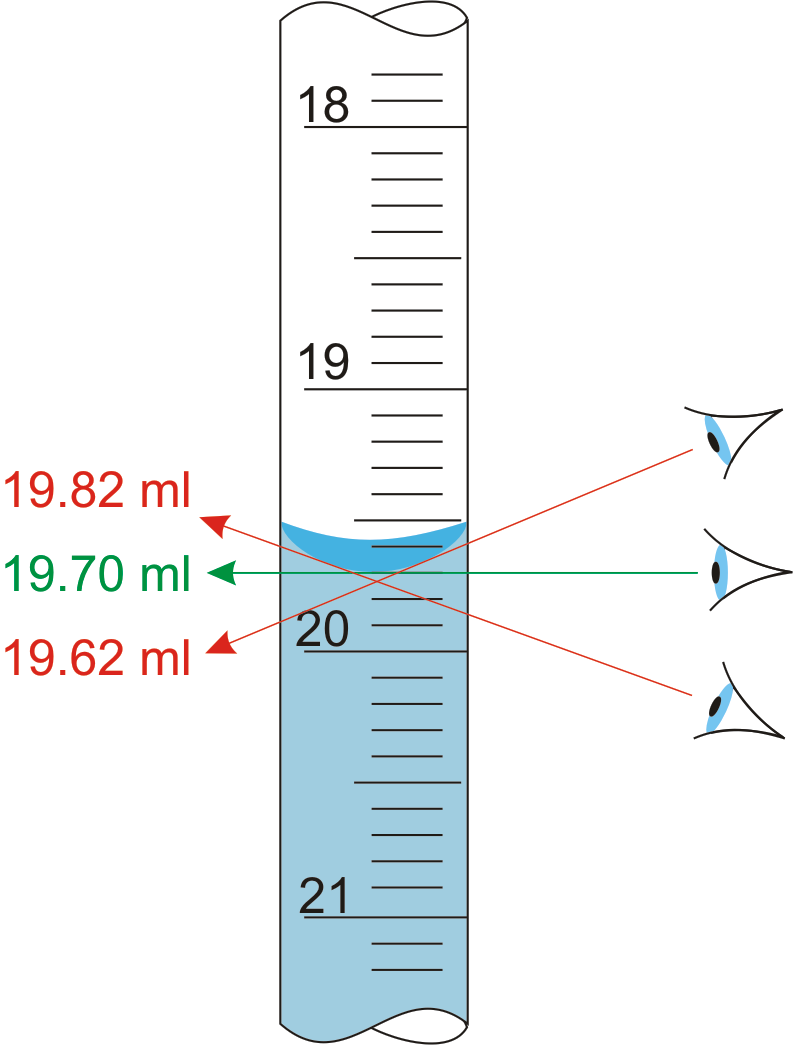
The Science of Surface Tension and Adhesion: The Core of the Meniscus
At its heart, understanding the meniscus requires delving into the fundamental forces that govern the behavior of liquids.
Cohesion and Adhesion: The Dance of Molecules
Cohesion is the force of attraction between molecules of the same substance. For water, these are hydrogen bonds that hold water molecules together, giving water its relatively high surface tension. Adhesion, on the other hand, is the force of attraction between molecules of different substances. In the context of a meniscus, adhesion occurs between the liquid (e.g., water) and the material of the container (e.g., glass).
The nature of these forces determines the shape of the meniscus:
- Concave Meniscus: This is the most common type observed, particularly with water in glass. Here, the adhesive forces between water and glass are stronger than the cohesive forces within the water. This causes the water to “climb” the sides of the glass, forming a dip in the center. The water molecules are more attracted to the glass than to each other.
- Convex Meniscus: This occurs when the cohesive forces within the liquid are stronger than the adhesive forces between the liquid and the container. A classic example is mercury in a glass tube. Mercury molecules are more attracted to each other than to the glass, causing the liquid to pull away from the sides and form a bulge upwards in the center.
- Flat Meniscus: In some rare cases, where cohesive and adhesive forces are roughly equal, or with specific liquids and surfaces, the meniscus can appear relatively flat.
Surface Tension: The Skin of the Liquid
Surface tension is a direct consequence of cohesion. The molecules at the surface of a liquid are pulled inwards and sideways by neighboring molecules, but not outwards. This creates an inward force that causes the surface to behave like a stretched elastic membrane, resisting external forces and minimizing its surface area. A meniscus is a visible manifestation of how surface tension interacts with the boundaries of its container.
Practical Applications in Science and Measurement
The formation of a meniscus is not just a theoretical concept; it has crucial practical implications in scientific measurement:
- Accurate Volume Readings: For precise volume measurements using graduated cylinders, pipettes, or burettes, it’s essential to read the volume at the bottom of the concave meniscus (for most liquids) or the top of the convex meniscus (for mercury). Failure to do so introduces significant measurement errors.
- Capillary Action: The meniscus is intimately linked to capillary action, the phenomenon where liquids rise or fall in narrow tubes. This is driven by the combination of adhesion, cohesion, and surface tension. Capillary action is vital in biological systems (e.g., water transport in plants, blood in capillaries) and technological applications (e.g., wick systems in lighters, ink pens).
- Understanding Fluid Dynamics: The behavior of liquids at interfaces, as demonstrated by the meniscus, is a foundational element in fluid dynamics, influencing phenomena from wave formation to droplet behavior.
The Meniscus as a Metaphor: Beyond the Laboratory Bench
While the scientific definition of a meniscus is rooted in physics and chemistry, the underlying principles of interaction, boundaries, and subtle shifts can be powerfully applied as metaphors across various disciplines.
Meniscus in Tech: Navigating the Interface and User Experience
In the realm of technology, the “meniscus” concept can be understood as the delicate balance and interaction between users, interfaces, and underlying systems.
The User Interface as a Meniscus

The user interface (UI) of any software, app, or gadget is essentially a point of interaction, a boundary where human intention meets digital execution. A well-designed UI mirrors a favorable meniscus – smooth, intuitive, and facilitating a natural flow of information and action.
- Adhesion to User Needs: A successful UI “adheres” to the needs and expectations of its users. This means anticipating user behavior, minimizing friction, and making complex functionalities accessible. When a UI “grips” the user’s attention and makes them feel understood, it’s akin to strong adhesion.
- Cohesion of Features: The various features and functionalities within a piece of software or an app should exhibit “cohesion.” They should work together seamlessly, creating a unified and logical experience. A lack of cohesion leads to a disjointed and frustrating user experience, where elements feel disconnected.
- The “Climb” of Onboarding: The process of onboarding new users can be viewed as navigating a concave meniscus. The initial experience should be one that gently “pulls” the user upwards into understanding and utilizing the technology. If the onboarding is too steep or challenging (a “convex” experience), users may disengage.
- “Digital Security as the Container Wall”: The underlying digital security protocols act as the container wall for user data and system integrity. A robust security system, like a well-treated glass surface, creates a reliable boundary that prevents unwanted “spillage” or leakage of sensitive information. Vulnerabilities can be seen as imperfections in this wall, allowing for undesirable interactions.
- Productivity Tools and Seamless Flow: Productivity apps aim to create a frictionless workflow. When a tool effectively integrates with other applications and streamlines tasks, it exhibits a smooth, almost invisible meniscus, allowing users to move effortlessly through their work. The “liquid” here is the user’s focus and productivity.
AI Tools and Algorithmic Interfaces
AI tools, in particular, are creating new forms of “menisci.” The way we interact with AI, whether through natural language prompts or sophisticated interfaces, is a constant negotiation between human input and algorithmic output. The “clarity” of the AI’s response and the “ease” with which we can guide its learning process define the quality of this digital meniscus.
Meniscus in Brand: Crafting Identity and Connection
In the world of branding, the “meniscus” represents the nuanced, often subtle, interplay between a brand and its audience, and the forces that shape perception and loyalty.
Brand Identity as the Liquid Surface
A brand’s identity is not a rigid structure but a dynamic entity, much like the surface of a liquid.
- Adhesion to Target Audience: A strong brand builds “adhesion” with its target audience by resonating with their values, aspirations, and needs. This connection is fostered through effective marketing, authentic messaging, and consistent experiences. When a brand successfully “sticks” in the minds and hearts of consumers, it has achieved strong adhesion.
- Cohesion within Brand Messaging: The various touchpoints of a brand – its advertising, customer service, product design, and social media presence – must exhibit “cohesion.” All elements should work together harmoniously to reinforce the brand’s core message and personality. A disconnect between these elements creates a fragmented brand experience, like a broken meniscus.
- Corporate Identity and Reputation: A company’s corporate identity is the foundational structure, but its reputation is the dynamic surface that interacts with the public. A positive reputation is like a well-formed, stable meniscus, attracting and retaining customers. Negative events can disrupt this delicate surface, causing the brand to “spill” into unfavorable territory.
- Marketing and Design as Shaping Forces: Marketing campaigns and design elements are the forces that shape the brand’s meniscus. Strategic design can create an appealing and inviting surface, while well-executed marketing can draw consumers in, much like adhesive forces. Conversely, poor design or misleading marketing can create a repelling effect.
- Case Studies as Demonstrating Adhesion: Successful case studies highlight how a brand has effectively “adhered” to its customers’ problems, offering solutions that create lasting value. This demonstrates the brand’s ability to form strong connections.
Personal Branding: Cultivating Your Unique Meniscus
For individuals, personal branding involves consciously shaping how they are perceived. This requires understanding the forces that influence that perception and cultivating a unique “meniscus” of their professional and personal attributes. This involves clear articulation of values (cohesion), building strong connections with networks (adhesion), and consistently presenting an authentic image.
Meniscus in Money: Navigating Financial Landscapes
The financial world, with its constant flux and intricate systems, can also be understood through the lens of the meniscus.
Financial Instruments as Interacting Surfaces
Financial markets, investments, and personal finance decisions involve a delicate balance of forces and interactions.
- Investing and Risk: The Adhesive/Cohesive Balance: Investing often involves balancing the desire for growth (cohesion within an investment) with the need for security and diversification (adhesion across different asset classes). A portfolio that is too concentrated might be like a liquid with strong internal cohesion but poor adhesion to broader market trends, making it susceptible to shocks. Diversification aims to create a balanced “meniscus” that adheres to various market conditions.
- Personal Finance and Budgeting: Personal finance is about managing the “flow” of money. A well-managed budget creates a stable “meniscus” for your finances, where income adheres predictably to expenses. Poor financial management can lead to a “spilling” of funds, where money flows uncontrollably and unpredictably.
- Online Income and Side Hustles: The rise of online income streams and side hustles represents new “surfaces” for wealth creation. Successfully navigating these requires understanding the unique “adhesion” points – what skills or services are in demand – and maintaining the “cohesion” of effort and consistency to generate sustainable income.
- Financial Tools and Interfaces: Financial tools, from budgeting apps to investment platforms, are the “containers” that help manage our money. The effectiveness of these tools depends on their ability to create a clear and intuitive interface, a digital meniscus that allows for easy tracking, analysis, and decision-making. Poorly designed financial tools can make it difficult to “read” your financial situation accurately.
- Business Finance: Cash Flow as the Liquid: For businesses, cash flow is the lifeblood – the “liquid” that must move smoothly. Maintaining a healthy cash flow involves understanding the “adhesion” of revenue streams to expenses and ensuring the “cohesion” of operational costs. Disruptions to this flow can quickly lead to financial instability, a breakdown of the financial meniscus.

Conclusion: The Pervasive Influence of the Meniscus
From the microscopic interactions of molecules to the complex dynamics of technology, brands, and finance, the concept of the meniscus serves as a powerful reminder of the interconnectedness and subtle forces at play. It highlights that even the most abstract scientific phenomena have tangible parallels in our everyday lives and professional endeavors. By recognizing these parallels, we can gain a deeper understanding of how things work, how to optimize interactions, and how to navigate the ever-evolving landscapes that shape our world. The meniscus, in essence, is a universal principle of interface, boundary, and nuanced behavior, a concept that, once understood scientifically, unlocks a richer perspective on countless other domains.
aViewFromTheCave is a participant in the Amazon Services LLC Associates Program, an affiliate advertising program designed to provide a means for sites to earn advertising fees by advertising and linking to Amazon.com. Amazon, the Amazon logo, AmazonSupply, and the AmazonSupply logo are trademarks of Amazon.com, Inc. or its affiliates. As an Amazon Associate we earn affiliate commissions from qualifying purchases.