
The human mind is a complex landscape, capable of incredible feats of creativity, productivity, and emotional depth. However, for some, this landscape can become an unpredictable terrain, marked by periods of intense elation and overwhelming energy. This is the realm of mania, a crucial component of what is clinically understood as bipolar disorder. While the term “mania” itself might evoke images of frenzied activity, understanding its true nature, its impact on an individual’s life, and how modern tools and strategies can offer support is paramount.
In a world increasingly driven by technology, where productivity is lauded and innovation is key, the lines between peak performance and the symptoms of mania can sometimes blur. This article aims to demystify mania disorder, exploring its characteristics, the challenges it presents, and crucially, how the domains of technology, branding, and finance – core to the themes of this platform – can intersect with and potentially aid in managing this condition.

Understanding the Core of Mania: Beyond Fleeting Euphoria
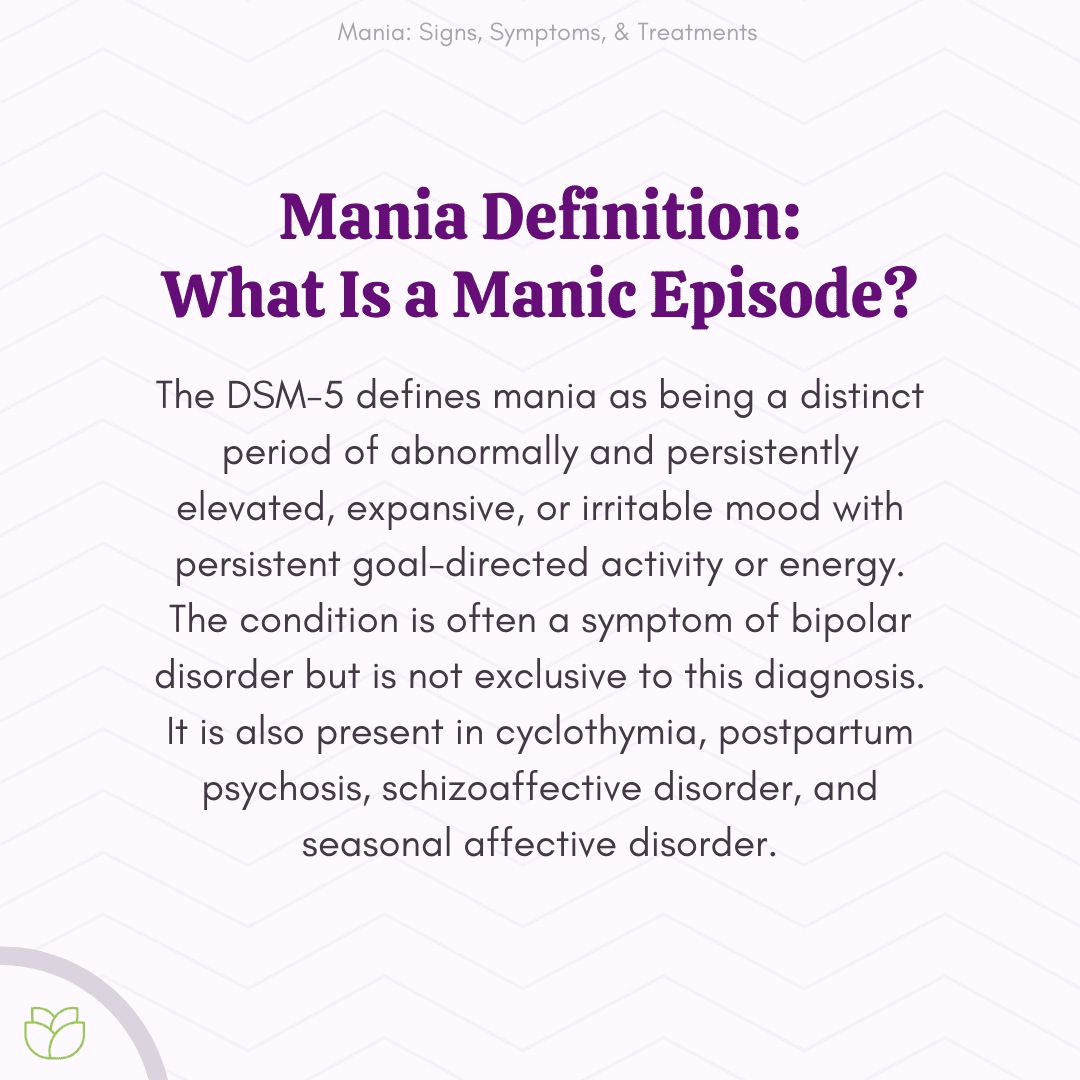
Mania, at its heart, is not simply a good mood or a burst of creative energy. It is a distinct state characterized by a significant and sustained elevation in mood, energy, and activity levels. This elevation is often so pronounced that it interferes with an individual’s ability to function in their daily life. While often associated with bipolar disorder (specifically Bipolar I), manic episodes can also occur in other psychiatric conditions.
The Hallmarks of a Manic Episode: A Spectrum of Symptoms
A manic episode is defined by a cluster of symptoms that manifest over a period of at least one week (though sometimes shorter if hospitalization is required). These symptoms can vary in intensity and presentation, but common indicators include:
- Elevated or Irritable Mood: This is the cornerstone of mania. Individuals may feel euphoric, unusually cheerful, or intensely irritable and agitated. This mood is often described as being “on top of the world” or, conversely, extremely short-tempered and prone to outbursts.
- Increased Activity and Energy: A boundless supply of energy is typical. People in a manic state may engage in activities that are uncharacteristic of them, often with relentless drive and a decreased need for sleep. This can range from ambitious projects to reckless pursuits.
- Decreased Need for Sleep: A hallmark symptom is the feeling of not needing to sleep, or needing significantly less sleep than usual, without experiencing fatigue. This lack of sleep can further exacerbate other manic symptoms.
- Racing Thoughts and Flight of Ideas: The mind can feel like it’s operating at hyper-speed. Thoughts may come in rapid succession, making it difficult to concentrate or follow a single train of thought. This can manifest as rapid speech, jumping from one topic to another in conversation.
- Grandiosity and Inflated Self-Esteem: Individuals may develop an exaggerated sense of their own importance, abilities, or knowledge. They might believe they have special powers or are destined for greatness.
- Distractibility: The increased energy and racing thoughts can make it incredibly difficult to focus on tasks or conversations. Even minor external stimuli can divert attention.
- Increased Goal-Directed Activity: There’s a surge in purposeful activity, often across multiple areas of life. This can be anything from embarking on elaborate business ventures to engaging in excessive social planning or artistic endeavors.
- Excessive Involvement in Pleasurable Activities with High Potential for Painful Consequences: This is a critical indicator. Individuals may engage in impulsive behaviors such as extravagant spending, reckless sexual encounters, impulsive business investments, or substance abuse, often with severe negative repercussions.
It’s important to note that while euphoria is often depicted, irritability can be an equally prominent, and sometimes more dangerous, feature of mania. This heightened emotional state can lead to conflict and strained relationships.
Differentiating Mania from Hypomania
A crucial distinction within the spectrum of mood disorders is between mania and hypomania. Hypomania shares many similarities with mania but is less severe.
Hypomania: A Less Intense, Yet Still Significant, Shift
Hypomania involves a distinct period of abnormally and persistently elevated, expansive, or irritable mood and abnormally and persistently increased activity or energy, lasting at least four consecutive days. While noticeable to others and representing a change from typical behavior, hypomanic episodes do not cause significant impairment in social or occupational functioning, nor do they necessitate hospitalization. Psychotic features are absent in hypomania.
The key differences lie in the severity and impact:
- Duration: Hypomania requires at least four days, while mania requires at least one week (or less if hospitalization is needed).
- Severity of Symptoms: Hypomanic symptoms are less intense than manic symptoms.
- Functional Impairment: Hypomania does not cause marked impairment in functioning, whereas mania does.
- Hospitalization: Hypomania does not require hospitalization, while mania often does.
- Psychotic Features: Psychotic features (delusions or hallucinations) are absent in hypomania but can occur in mania.
Understanding this distinction is vital for accurate diagnosis and effective treatment, particularly as hypomania can be a precursor or a component of Bipolar II disorder, where depressive episodes are also present.
The Impact of Mania: Navigating the Repercussions
The experience of mania is not isolated to the individual; it ripples outwards, affecting their relationships, professional life, and financial stability. The heightened energy and impulsivity can lead to a series of challenging consequences that require careful management.
Professional and Personal Ramifications: A Double-Edged Sword
The increased energy and drive associated with mania can, in some instances, lead to periods of remarkable productivity and creativity. Entrepreneurs might launch groundbreaking businesses, artists might produce prolific bodies of work, and individuals may experience periods of intense focus on their careers. However, this is often a fleeting and unsustainable high.
The impulsivity inherent in mania frequently leads to decisions that are detrimental in the long run.
- Career Disruptions: Reckless business ventures, inappropriate workplace behavior due to irritability or grandiosity, or an inability to maintain focus can lead to job loss or damaged professional reputations.
- Relationship Strain: The mood swings, irritability, grandiosity, and impulsive behaviors can strain relationships with family, friends, and partners. Partners may feel overwhelmed, confused, or hurt by the erratic behavior.
- Financial Ruin: The tendency towards extravagant spending, impulsive investments, or engaging in high-risk financial activities without proper consideration can lead to significant debt and financial instability. This is a particularly devastating consequence of manic episodes.
- Legal Troubles: Impulsive or reckless behavior, sometimes fueled by poor judgment, can unfortunately lead to legal entanglements.
The Cycle of Mania and Depression: The Bipolar Spectrum
Mania rarely occurs in isolation. It is most commonly seen as a feature of bipolar disorder, a condition characterized by extreme shifts in mood, energy, and activity levels. These shifts alternate between manic or hypomanic episodes and depressive episodes.
Understanding the Depressive Counterpart: The Plunge into Despair
While the highs of mania can be tumultuous, the lows of depression can be equally, if not more, debilitating. Depressive episodes in bipolar disorder are characterized by:
- Persistent Sadness or Hopelessness: A profound sense of emptiness and despair.
- Loss of Interest or Pleasure: Anhedonia, where previously enjoyed activities no longer bring joy.
- Fatigue and Lack of Energy: Overwhelming tiredness and difficulty initiating any activity.
- Changes in Sleep Patterns: Insomnia or hypersomnia (sleeping too much).
- Appetite and Weight Changes: Significant changes in eating habits leading to weight loss or gain.
- Feelings of Worthlessness or Guilt: Self-criticism and a distorted view of oneself.
- Difficulty Concentrating and Making Decisions: Cognitive impairment leading to indecisiveness.
- Suicidal Thoughts or Behavior: In severe cases, the despair can lead to thoughts of death or self-harm.

The stark contrast between the boundless energy of mania and the profound lethargy of depression creates a deeply challenging experience for individuals with bipolar disorder. The period following a manic episode can be particularly difficult, as the individual grapples with the consequences of their actions while experiencing a depressive crash.
Leveraging Technology, Branding, and Finance for Management and Well-being
While mania disorder presents significant challenges, the very domains that define modern life – technology, branding, and finance – can, paradoxically, offer valuable tools and strategies for management, recovery, and enhanced well-being.
The Technological Toolkit: From Tracking to Support Networks
Technology, often seen as a driving force behind modern productivity, can be repurposed and harnessed to aid in the management of mania and bipolar disorder.
Digital Tools for Mood Tracking and Pattern Recognition:
The cornerstone of managing bipolar disorder is understanding the individual’s unique mood patterns. Digital tools have revolutionized this process:
- Mood Tracking Apps: Numerous applications allow users to log their mood, sleep patterns, energy levels, medication adherence, and other relevant factors on a daily basis. These apps often use visual charts and graphs, making it easier to identify trends and potential triggers for manic or depressive episodes. Examples include Daylio, eMoods, and Psymplicity.
- Wearable Technology: Smartwatches and fitness trackers can passively collect data on sleep duration and quality, heart rate, and activity levels. When correlated with manually logged mood data, this objective information can provide a more comprehensive picture of an individual’s state.
- Digital Journals and Note-Taking Apps: For individuals who prefer a more free-form approach, digital journaling apps (like Evernote or OneNote) can serve as a space to record thoughts, feelings, and observations, which can later be reviewed for patterns.
AI-Powered Insights and Personalized Support:
Artificial intelligence (AI) is beginning to play a more significant role in mental health.
- Predictive Analytics: AI algorithms can analyze large datasets of mood, sleep, and activity data to identify subtle patterns that might predict an impending mood episode, allowing for earlier intervention.
- Chatbots and Virtual Assistants: While not a replacement for professional therapy, AI-powered chatbots can offer immediate support, provide psychoeducation about bipolar disorder, and guide users through coping strategies during moments of distress or elevated energy.
- Personalized Content Delivery: AI can tailor educational resources and therapeutic exercises to an individual’s specific needs and current state, making interventions more effective.
Digital Security and Data Privacy: A Crucial Consideration
As individuals entrust sensitive personal health data to digital platforms, digital security and data privacy become paramount. Users must be discerning about the apps and services they use, ensuring they have robust privacy policies and employ secure data storage practices. Understanding the platform’s approach to data sharing is crucial to maintaining trust and protecting personal information.
The Power of Personal Branding and Self-Advocacy: Reclaiming Narrative
While the term “branding” often conjures corporate logos and marketing campaigns, the principles of personal branding can be incredibly empowering for individuals navigating mental health challenges. This involves understanding oneself, articulating one’s needs, and presenting oneself authentically and with resilience.
Building a Personal Brand of Resilience and Self-Awareness:
- Authentic Self-Presentation: For individuals with bipolar disorder, personal branding is not about creating a facade, but about developing an authentic narrative that acknowledges their experiences. This can involve learning to communicate their condition and needs to trusted individuals in a way that fosters understanding and support.
- Skill Development and Focus: When in a stable or hypomanic phase, individuals can leverage this energy to develop valuable skills, build their professional portfolio, and enhance their personal brand through achievements. The key is to channel this energy constructively.
- Advocacy and Storytelling: Sharing one’s experiences (when and if comfortable) can be a powerful act of self-advocacy and can help destigmatize mental illness. Personal branding principles can guide how one shares their story in a way that is empowering and informative, rather than solely focused on the struggle. This can involve sharing insights gained from managing their condition.
Managing Online Reputation and Digital Footprint:
The impulsive actions that can accompany mania can have a lasting impact on one’s online reputation.
- Mindful Digital Engagement: During periods of high energy or impulsivity, it’s crucial to exercise caution with social media posts, online comments, and professional networking activities. Pausing before posting can prevent regrettable digital footprints.
- Digital Detox and Boundaries: Establishing healthy boundaries around technology use, especially during challenging mood states, can be essential. This might involve taking breaks from social media or limiting online interactions.
- Curating Professional Presence: Utilizing platforms like LinkedIn to showcase skills and achievements during stable periods can help build a strong and positive professional online presence that can withstand any temporary disruptions.
Financial Literacy and Strategic Planning: Safeguarding Economic Well-being
The financial consequences of manic episodes can be severe, making financial literacy and strategic planning an indispensable part of managing mania disorder.
Proactive Financial Management Strategies:
- Budgeting and Financial Tracking: Implementing strict budgeting and using financial tracking apps (like Mint, Personal Capital, or YNAB) can provide a clear overview of income and expenses, helping to prevent impulsive overspending.
- Automated Savings and Bill Payments: Setting up automatic transfers to savings accounts and automating bill payments can create a safety net and prevent missed payments that can negatively impact credit scores.
- Setting Spending Limits and Barriers: For individuals prone to impulsive spending, setting daily or weekly spending limits on debit cards or credit cards, or even entrusting financial management to a trusted individual, can be crucial.
Strategic Investing and Long-Term Financial Goals:
The impulsive nature of mania can lead to high-risk, speculative investments that often result in significant losses.
- Diversified Investment Strategies: Focusing on long-term, diversified investment portfolios rather than chasing quick gains is essential. This aligns with principles of sound financial planning and reduces vulnerability to impulsive investment decisions.
- Seeking Professional Financial Advice: Consulting with a qualified financial advisor can provide objective guidance and help individuals create a sound investment strategy that aligns with their long-term goals, especially during periods of stability.
- Emergency Funds and Financial Safety Nets: Building a robust emergency fund can provide a buffer against unexpected expenses or periods of unemployment that can sometimes follow a manic episode.
By integrating these principles from technology, branding, and finance, individuals can move beyond simply reacting to the challenges of mania disorder and instead proactively build a life characterized by greater stability, resilience, and well-being. This approach empowers individuals to harness their strengths, mitigate their vulnerabilities, and navigate the complexities of their mental health journey with greater confidence and control.
aViewFromTheCave is a participant in the Amazon Services LLC Associates Program, an affiliate advertising program designed to provide a means for sites to earn advertising fees by advertising and linking to Amazon.com. Amazon, the Amazon logo, AmazonSupply, and the AmazonSupply logo are trademarks of Amazon.com, Inc. or its affiliates. As an Amazon Associate we earn affiliate commissions from qualifying purchases.