
For decades, the question “What is Mac Sauce made of?” has transcended the confines of the kitchen to become a cornerstone of global marketing lore. While the average consumer might be looking for a recipe involving mayonnaise, sweet relish, and yellow mustard, brand strategists see something far more complex. To a marketing professional, Mac Sauce isn’t just a condiment; it is a masterclass in brand identity, proprietary value, and the psychological power of the “secret ingredient.”
The mystery surrounding the Big Mac’s signature topping represents one of the most successful examples of sensory branding in history. By analyzing what Mac Sauce is truly “made of” from a brand perspective, we can uncover the strategic layers that have allowed McDonald’s to maintain a dominant corporate identity for over half a century.

The Alchemy of Brand Recognition and Sensory Identity
In the world of branding, consistency is the ultimate currency. When consumers ask what Mac Sauce is made of, they are often chasing a specific sensory memory. This is not accidental; it is the result of a rigorous brand strategy designed to create an unbreakable link between a flavor profile and a corporate logo.
The Power of Sensory Branding
Sensory branding aims to create an emotional connection by appealing to the senses. For McDonald’s, the “Special Sauce” serves as a unique gustatory trademark. Unlike a burger patty or a slice of cheese—which are commodities that can be found anywhere—the sauce is a proprietary asset. By ensuring that the sauce tastes identical in Tokyo, London, and New York, the brand reinforces a sense of reliability and global belonging. It is a “liquid logo” that consumers can taste.
The Psychology of the “Secret”
From a brand strategy standpoint, “secrecy” is a powerful marketing tool. By labeling the ingredient list as a secret for decades, McDonald’s leveraged the psychological principle of curiosity. This created a vacuum that consumers filled with myths and legends, effectively crowdsourcing the brand’s mystique. When a brand holds a secret, it implies that the product contains a value that cannot be replicated by competitors. This perceived exclusivity is what separates a “Big Mac” from a mere “double cheeseburger.”
Strategic Positioning: The “Special Sauce” as a Market Differentiator
In a saturated fast-food market, differentiation is the difference between growth and obsolescence. The “Mac Sauce” represents a pivot from selling food as a utility to selling an experience as a brand.
Creating Irrational Consumer Loyalty
Why do customers specifically crave a Big Mac instead of a generic burger? The answer lies in the sauce’s role as a “moat.” In business terms, an economic moat is a structural barrier that protects a company from competitors. The unique profile of Mac Sauce creates a specific craving that can only be satisfied at a McDonald’s location. This turns a casual diner into a loyalist, as the brand becomes the sole provider of a specific chemical and emotional satisfaction.
Scarcity and the “Limited Time Offering” Strategy
In recent years, McDonald’s has evolved its brand strategy by occasionally selling Mac Sauce in dip cups or bottles. This move is a sophisticated play on scarcity. By moving the sauce from a standard topping to a standalone product, the brand elevates its status. It transitions from a functional component of a sandwich to a “hero product.” This strategy allows the brand to re-engage with its audience, generating social media buzz and reinforcing the idea that the sauce is a valuable commodity in its own right.
Transparency vs. Mystery: The Evolution of Corporate Identity
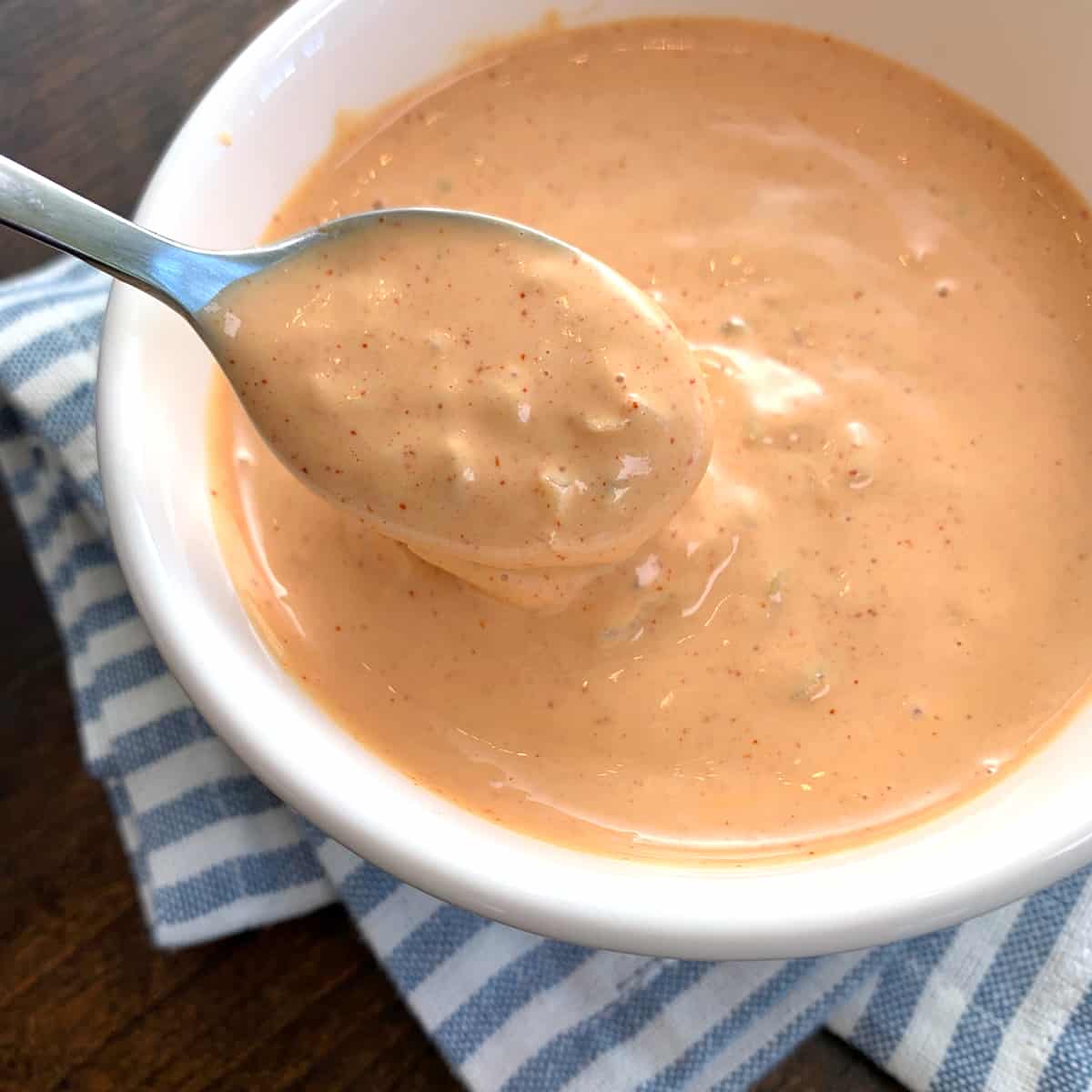
The modern consumer demands transparency, a trend that forced a shift in how McDonald’s addressed the question of what their sauce is made of. This shift provides a fascinating case study in brand adaptation.
The 2012 Reveal: A Masterstroke in Brand Authenticity
In 2012, Dan Coudreaut, then the Executive Chef at McDonald’s, released a video showing the world exactly how to make a version of the Big Mac sauce at home. At the time, critics wondered if this would “break the spell.” On the contrary, it was a brilliant branding move. By being transparent, McDonald’s humanized its corporate identity. It signaled to the public that the brand had nothing to hide, effectively pivoting from “corporate enigma” to “trusted kitchen partner.”
Building Trust through Ingredient Honesty
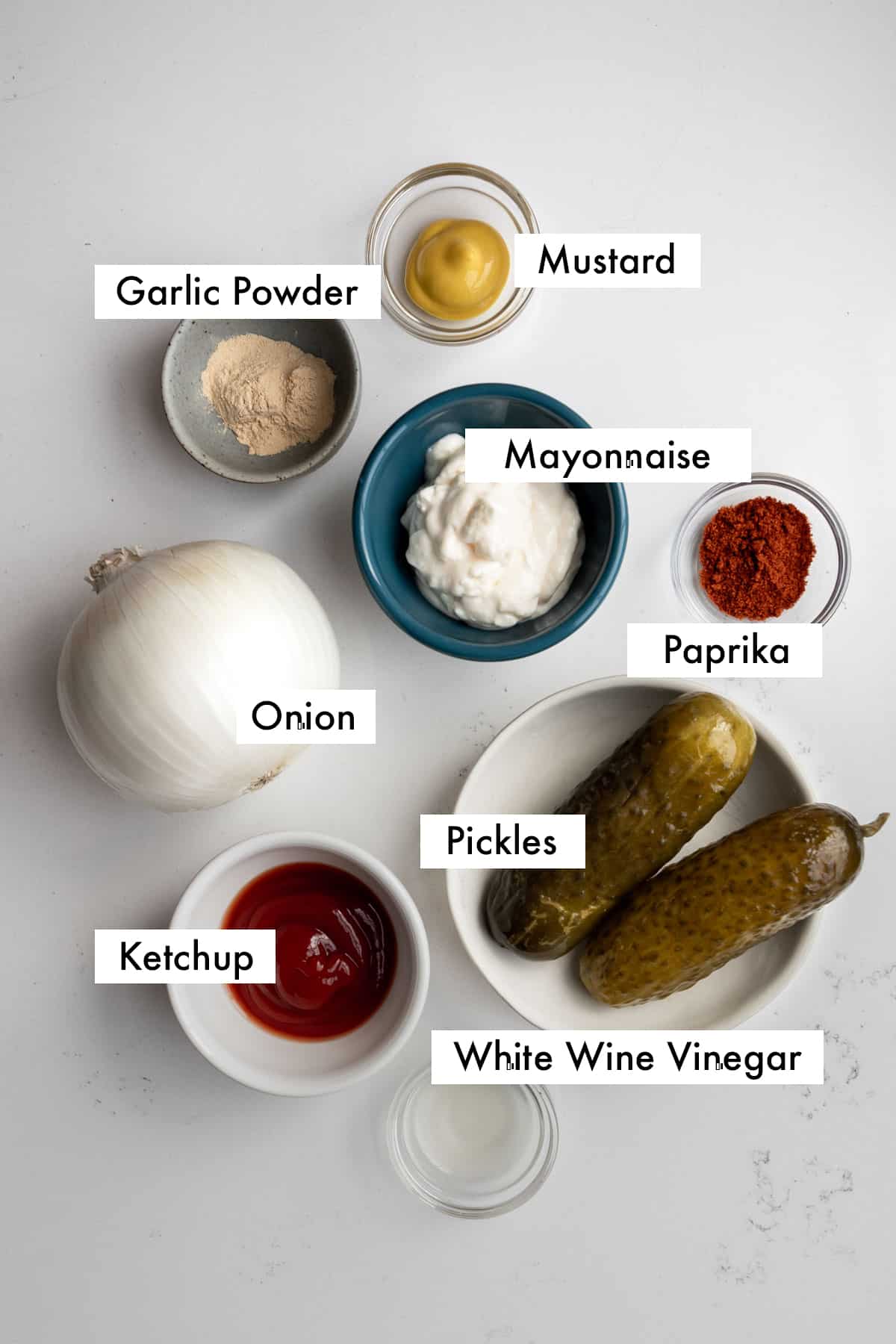
The “What is Mac Sauce made of?” campaign became a vehicle for a broader corporate narrative regarding food quality. By discussing the soybean oil, vinegar, and egg yolks, McDonald’s aligned itself with the “clean label” movement without losing the “special” aura of the product. This balance of transparency and tradition is a key lesson for any legacy brand attempting to remain relevant in a health-conscious, digitally savvy market.
Intellectual Property and Brand Equity
Beyond the marketing fluff, the “formula” of Mac Sauce is a core financial asset. Its value is protected not just by non-disclosure agreements, but by the sheer scale of the brand’s supply chain.
Protecting the Formula as a Trade Secret
Unlike a patent, which requires the public disclosure of a recipe and eventually expires, a trade secret can last forever. The “sauce” is a form of intellectual property that provides a perpetual competitive advantage. This is similar to the Coca-Cola formula; the brand is built on the idea that even if you know the ingredients, you cannot replicate the process or the scale. This inimitability is what builds long-term brand equity.
Brand Consistency Across Global Markets
Managing a brand at the scale of McDonald’s requires immense operational discipline. The “ingredients” of Mac Sauce must be sourced globally while maintaining a pinpoint-accurate flavor profile. This operational excellence is part of the brand’s identity. When a consumer asks what the sauce is made of, the subtext is often: “How can this always taste the same?” The brand’s answer is a sophisticated supply chain that ensures global consistency, which is the bedrock of consumer trust.
Lessons for Modern Brand Builders: Crafting Your Own “Special Sauce”
The story of Mac Sauce offers several actionable insights for entrepreneurs and brand strategists looking to build a lasting corporate identity.
Humanizing the Corporate Giant
One of the most effective ways McDonald’s has used Mac Sauce is to connect with pop culture. From the 1974 jingle (“Two all-beef patties, special sauce…”) to modern-day streetwear collaborations, the sauce has been used to keep the brand “cool.” For a brand to survive, it must be more than a provider of goods; it must be a cultural participant. Using a single, iconic element of your product to spearhead cultural conversations is a highly effective way to stay top-of-mind.
Scaling the “Secret”
The final lesson in the brand strategy of Mac Sauce is the importance of a “signature.” Every brand needs one thing that it does better than anyone else—something that becomes synonymous with the brand name. Whether it is Apple’s minimalist design language or the specific “click” of a Zippo lighter, these sensory cues are the “ingredients” of a successful brand.
In conclusion, when we deconstruct what Mac Sauce is made of, we find much more than sugar, spice, and emulsifiers. We find a carefully curated blend of psychological triggers, strategic transparency, and intellectual property management. It is a testament to the fact that in the world of branding, it isn’t just about what you sell, but the story you tell about the ingredients that go into it. The “Special Sauce” is, ultimately, the liquid manifestation of the McDonald’s brand promise: consistency, nostalgia, and a little bit of mystery.