
The intersection of health and technology has moved far beyond simple step counting. We are currently witnessing a revolution in “biohacking” gadgets—devices designed to provide real-time biological data that was once only available in high-end sports science laboratories. At the forefront of this movement is Lumen, the world’s first handheld device to measure metabolism. While often associated with the phrase “Lumen weight loss,” the device is, at its core, a sophisticated piece of respiratory exchange technology paired with an AI-driven data platform.
Understanding Lumen requires looking past the scale and into the world of metabolic flexibility, sensor accuracy, and algorithmic nutrition. This article explores the technology behind the device, how it digitizes human metabolism, and why it represents a significant shift in the consumer tech landscape.
The Science of Metabolic Tracking: Moving Beyond the Calorie Counter
For decades, the standard technology for weight loss was the digital scale and the calorie-tracking app. However, these tools are inherently “lagging indicators”—they tell you what happened in the past, not what is happening in your cells right now. Lumen changes this dynamic by utilizing the science of the Respiratory Exchange Ratio (RER).
The Respiratory Exchange Ratio (RER) and Your Breath
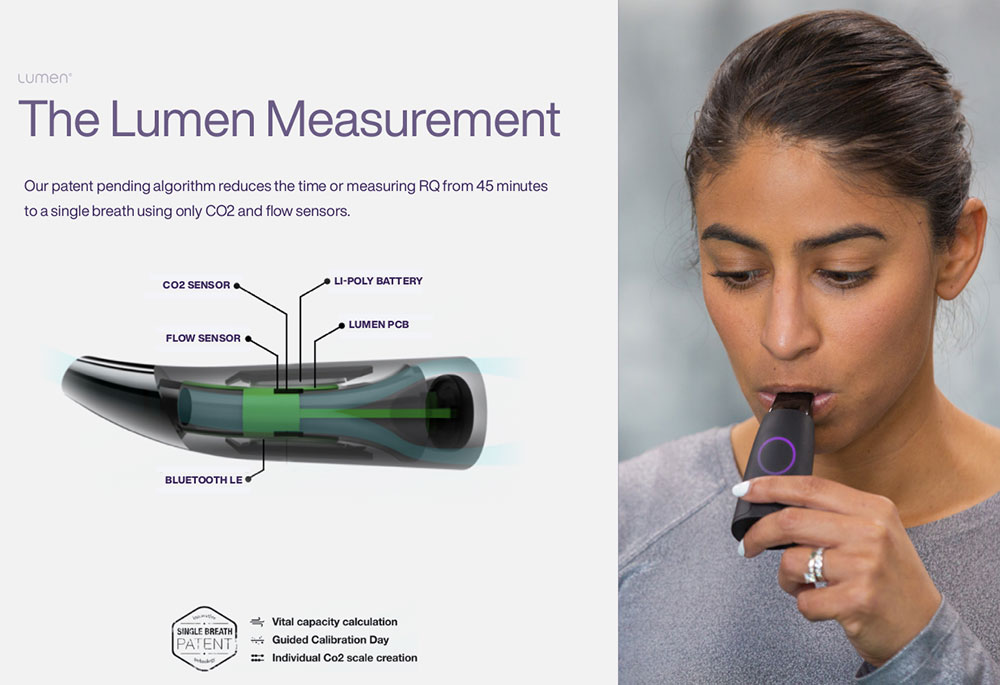
The core technological feat of Lumen is its ability to measure the concentration of Carbon Dioxide (CO2) in a single breath. In clinical settings, the RER is determined by measuring the ratio between the volume of CO2 produced and the volume of Oxygen (O2) consumed. This ratio tells researchers whether a body is burning fats, carbohydrates, or a mixture of both for fuel.
Traditionally, this required a “metabolic cart”—a bulky, expensive machine found in hospitals or elite performance centers. Lumen’s engineering team managed to miniaturize this process. By using a highly sensitive CO2 sensor and flow meter, the device determines the CO2 concentration in your exhaled breath under a specific breathing protocol. This digital signal is then processed to give the user a “Lumen Level” from 1 to 5, where 1 represents pure fat burning and 5 represents pure carb burning.
From Lab Equipment to Handheld Convenience
The transition from a room-sized metabolic cart to a pocket-sized gadget is a triumph of hardware engineering. To achieve this, the device incorporates a pressure sensor to ensure the user is inhaling and exhaling at the correct volume and speed. If the breath isn’t “technically” perfect, the onboard software rejects the reading. This level of quality control in consumer hardware ensures that the data being fed into the weight loss algorithm is accurate, preventing the “garbage in, garbage out” problem common in cheaper fitness trackers.
The Hardware and Software Synergy: Inside the Lumen Ecosystem
Lumen is not just a sensor; it is a sophisticated IoT (Internet of Things) ecosystem. The hardware collects the raw biological data, but the software—the mobile application and its cloud-based processing—turns that data into actionable insights for weight loss and metabolic health.
Inside the Device: Sensors and Signal Processing
The device utilizes Non-Dispersive Infrared (NDIR) sensor technology. This is a common method for gas sensing, but Lumen’s application is uniquely tuned to the human breath. The device must account for humidity, temperature, and pressure—variables that can easily skew CO2 readings.
When a user blows into the device, the internal processor samples the breath at high frequencies. This raw data is then transmitted via Bluetooth to the smartphone. This is where the heavy lifting happens. The app doesn’t just display a number; it interprets the signal based on the user’s historical data, their recent activity, and their physiological profile.
The App Experience: AI-Driven Nutritional Coaching
The true power of the Lumen tech stack lies in its ability to provide a “daily metabolic budget.” Most weight loss apps provide a static calorie goal based on height and weight. Lumen’s AI, however, adjusts the user’s macronutrient recommendations every single morning based on that morning’s breathalyzer result.
If the device detects that you didn’t switch to fat-burning mode overnight (a sign of metabolic inflexibility), the AI will adjust your “carb budget” for the day to be lower, forcing the body to tap into fat stores. Conversely, if you are in deep fat-burn but have an intense workout scheduled, the AI recognizes this and provides a “carb boost” to fuel the performance. This real-time feedback loop is a masterclass in personalized software engineering.

How Lumen Uses Big Data to Optimize Fat Loss
Weight loss is essentially a data problem. By collecting millions of data points from users worldwide, Lumen is building one of the largest databases of metabolic health in existence. This allows their algorithms to move from being reactive to being predictive.
Personalizing the “Metabolic Flex”
Metabolic flexibility is the body’s ability to switch efficiently between using fats and carbohydrates as fuel. Technology is the only way to measure this accurately outside of a lab. Lumen tracks how quickly a user returns to a fat-burning state after a high-carb meal or a period of fasting.
Over time, the machine learning models within the app identify patterns. It learns how your specific body responds to a pizza vs. a salad. For weight loss, this is revolutionary because it moves away from the “one size fits all” diet. The software provides a “Flex Score,” a proprietary metric that quantifies metabolic health improvements over weeks and months, giving users a gamified, data-driven target.
Predictive Analytics and Circadian Rhythms
The Lumen platform integrates with other health tech ecosystems like Apple Health, Google Fit, and Garmin. By pulling in sleep data and heart rate variability (HRV), Lumen’s algorithms can predict how your metabolism will behave.
For example, if your Apple Watch reports a poor night’s sleep, Lumen’s AI understands that your insulin sensitivity might be lower that day. When you take your morning breath measurement, the app combines the CO2 data with the sleep data to offer a highly nuanced nutrition plan. This integration of multiple data streams represents the future of the “Quantified Self.”
The Role of AI in Sustainable Behavioral Change
Technology’s biggest challenge in the weight loss sector is not just providing data, but changing human behavior. Lumen uses several “Tech-Psych” strategies to ensure users stay engaged and achieve their goals.
Real-Time Feedback Loops
One of the most powerful aspects of any tech tool is the “feedback loop.” In traditional dieting, you might wait a week to see if the scale moves. With Lumen, the feedback is instant. If you engage in a 30-minute walk, you can blow into the device and see your “Lumen Level” drop from a 4 to a 2. This immediate visual representation of fat burning acts as a powerful psychological reinforcer. The tech makes the invisible process of metabolism visible, which is a key driver in habit formation.
Gamification of Health Metrics
The Lumen app is designed with UX (User Experience) principles that mirror gaming apps. Achieving a “fat burn” streak or improving your “Metabolic Flex Score” provides hits of dopamine that keep users returning to the device. By turning weight loss into a series of data-driven levels and scores, the technology lowers the cognitive load of dieting. Users stop worrying about “losing weight” and start focusing on “optimizing their numbers.”
The Future of Wearable and Portable Bio-Tech
The success of Lumen signals a broader trend in the tech industry: the move toward non-invasive, continuous biological monitoring. We are moving toward a world where we no longer guess what is happening inside our bodies.
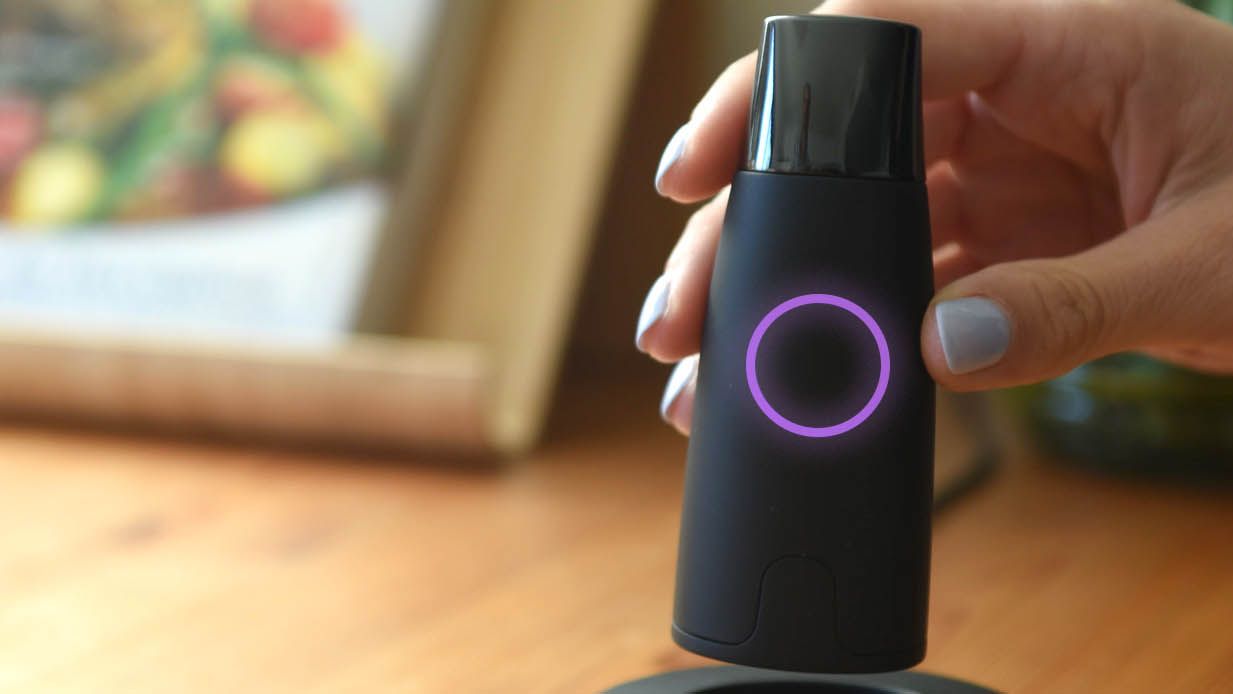
Lumen is currently a handheld device that requires a conscious “breath” session. However, the roadmap for this type of technology points toward even more seamless integration. As sensor technology continues to shrink and become more energy-efficient, we may eventually see metabolic tracking integrated into wearable masks or even ambient sensors.
For now, Lumen stands as a prime example of how hardware, AI, and big data can be synthesized to solve a human problem as complex as weight loss. It represents a shift from “tracking” to “hacking,” where the user is empowered with the same data as a professional athlete. As the technology evolves, the focus will likely shift from pure weight loss to long-term longevity and metabolic disease prevention, solidifying the role of handheld metabolic tech in the modern digital health suite.
By treating the human body as a biological machine that produces data, Lumen has turned the “weight loss” journey into a technical optimization problem—one that can be measured, analyzed, and solved through the power of personal tech.
aViewFromTheCave is a participant in the Amazon Services LLC Associates Program, an affiliate advertising program designed to provide a means for sites to earn advertising fees by advertising and linking to Amazon.com. Amazon, the Amazon logo, AmazonSupply, and the AmazonSupply logo are trademarks of Amazon.com, Inc. or its affiliates. As an Amazon Associate we earn affiliate commissions from qualifying purchases.