
In the landscape of modern retail, few companies have managed to transcend the status of a mere “clothing manufacturer” to become a cultural phenomenon. When asking “What is Lululemon?”, the answer is not simply “a yoga pant company.” Instead, Lululemon Athletica Inc. represents one of the most sophisticated examples of brand strategy, community-led marketing, and lifestyle positioning in the 21st century.
Since its inception in 1998 in Vancouver, Canada, Lululemon has redefined the “athleisure” category—a term that didn’t exist before the brand proved that technical athletic wear could be worn as a fashion statement. This article explores Lululemon through the lens of brand strategy, dissecting how it built a multi-billion dollar empire by selling an identity rather than just apparel.
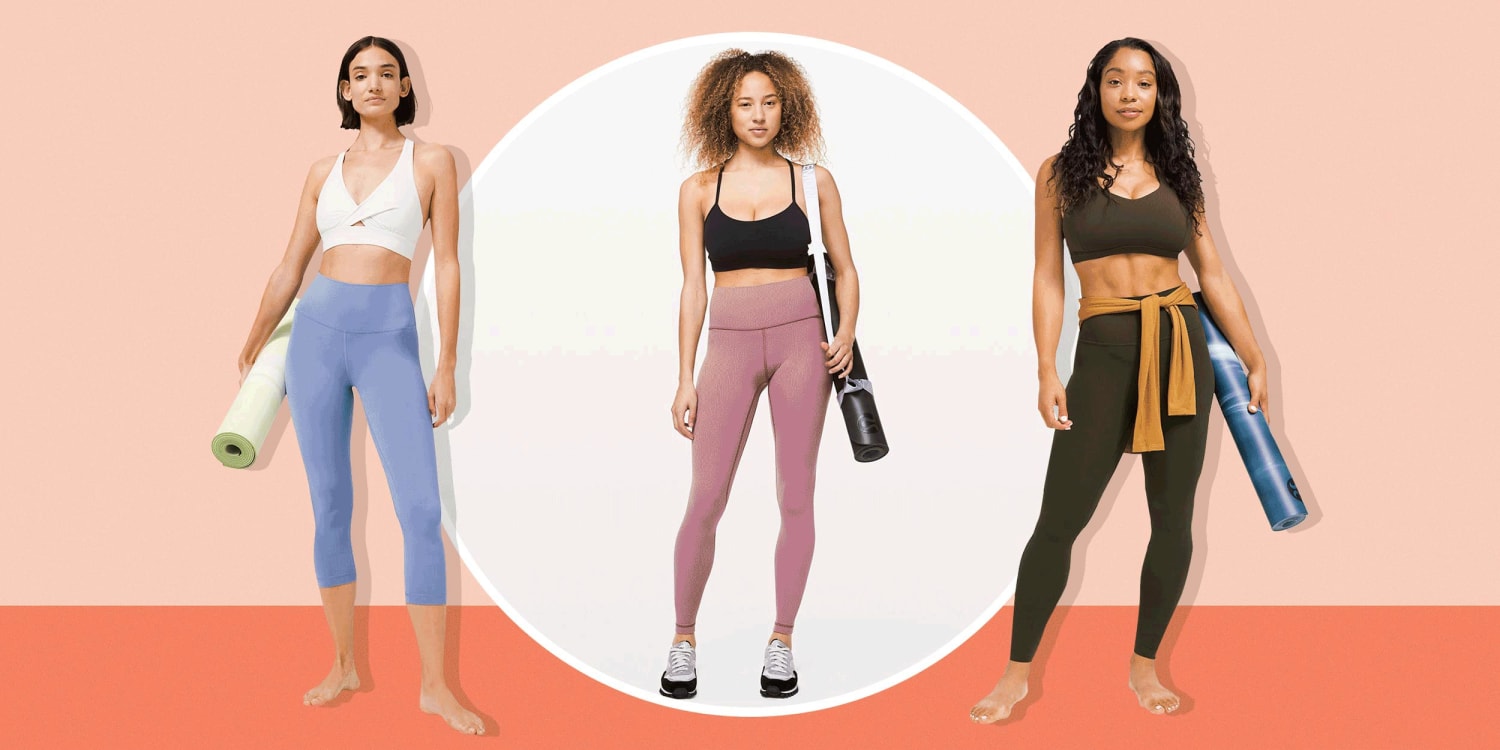
The Foundation of a Cult Brand: Identity and Community
At its core, Lululemon’s success is rooted in its ability to foster a sense of belonging. Unlike traditional sportswear giants like Nike or Adidas, which traditionally focused on professional athletic performance and celebrity endorsements, Lululemon built its brand from the ground up through grassroots community engagement.
Defining the “Super Girl” Persona
One of the most critical elements of Lululemon’s early brand strategy was its hyper-specific target audience. Founder Chip Wilson famously identified his muse as “Ocean,” a 32-year-old professional woman who was successful, health-conscious, and traveled frequently. By designing for this specific “Super Girl” persona, Lululemon created a niche brand that felt exclusive and aspirational.
This strategy of “niche-ing down” allowed the brand to command a premium price point. Customers weren’t just buying leggings; they were buying into a vision of a successful, balanced, and active lifestyle. This psychological connection established a level of brand loyalty that traditional marketing campaigns rarely achieve.
The Local Ambassador Program
Lululemon pioneered the concept of “influencer marketing” long before social media became the primary vehicle for brand growth. Their strategy centered on the “Ambassador Program.” Instead of hiring world-famous athletes, the brand partnered with local yoga instructors, fitness trainers, and community leaders.
These ambassadors were given free gear and a platform in exchange for building a community around the store. This created a powerful word-of-mouth engine. When a trusted local instructor wears Lululemon, it acts as a high-intent endorsement to a captive audience of fitness enthusiasts. This decentralized marketing model ensured that Lululemon felt like a local community hub rather than a faceless corporate entity.
Design Philosophy as Brand Equity
A brand is only as strong as the product that bears its name. Lululemon’s brand identity is intrinsically linked to its “Science of Feel” design philosophy. The brand positioned itself at the intersection of fashion and function, ensuring that its aesthetic was recognizable even without a visible logo.
Innovation in Technical Apparel
Lululemon’s brand equity is built on proprietary fabric technologies. Names like Luon, Nulu, and Everlux are not just trademarks; they are part of the brand’s vocabulary. By branding their fabrics, Lululemon created a perception of technological superiority.
The strategy was to solve specific “pain points” for their target demographic—such as sheerness, pilling, or sweat-wicking—and then wrap those solutions in high-end branding. This focus on the “feel” of the garment allowed the brand to transition from the yoga studio to the office and the grocery store, effectively creating the athleisure category.
Visual Identity and Retail Experience
The Lululemon logo—a stylized “A” that represents the brand’s original name “Athletically Hip”—has become a badge of status. The brand’s visual identity is minimalist, clean, and premium.
This identity extends into the physical retail space. Lululemon stores are designed to be more than transactional environments; they are “experiential centers.” Many locations offer yoga classes, community boards, and professional tailoring. This retail strategy reinforces the brand promise: that Lululemon is a partner in the customer’s wellness journey, not just a vendor of clothes.

Strategic Marketing and the “Sweatlife” Ecosystem
Lululemon does not sell products; it sells a philosophy. This is best encapsulated in their “Sweatlife” campaign, which serves as the umbrella for their marketing efforts. The brand strategy here is to integrate the product into every facet of the consumer’s life.
Content Strategy and Emotional Connectivity
Lululemon’s marketing is characterized by its focus on emotional benefits rather than product features. Their social media channels, website, and physical “manifestos” (often printed on their iconic reusable bags) focus on themes of mindfulness, goal setting, and personal growth.
By aligning the brand with self-actualization, Lululemon moves beyond the commodity of clothing. They use content to educate their audience on how to live a better life, which creates a deep emotional bond. This strategy makes the brand “sticky”—once a customer adopts the Lululemon lifestyle, they are less likely to switch to a competitor based on price alone.
Transitioning from Product to Lifestyle
In recent years, the brand has expanded its ecosystem to include digital fitness and mental health. While the acquisition of the fitness technology company Mirror was a move toward tech, the strategy behind it was pure brand extension.
Lululemon recognizes that to maintain its market lead, it must own the “entirety” of the fitness experience. By providing the platform where people work out, the clothes they wear while doing it, and the community they discuss it with, Lululemon creates a closed-loop ecosystem. This “lifestyle” approach ensures that the brand remains relevant regardless of changing fashion trends.
Corporate Evolution and Future Scaling
For a brand to survive decades, it must evolve without losing its core identity. Lululemon’s current brand strategy involves expanding its “Super Girl” roots to include a much broader demographic while maintaining its premium positioning.
Brand Diversification: Men’s and Footwear
One of the most impressive feats in Lululemon’s brand history is its successful expansion into the men’s market. Traditionally viewed as a female-centric brand, Lululemon used its reputation for quality and “feel” to appeal to men who valued comfort and performance.
By applying the same design principles to men’s “Office Travel Commute” (OTC) lines, the brand successfully repositioned itself as a gender-neutral powerhouse in the lifestyle space. Similarly, their entry into the footwear market was branded as a “woman-first” design approach, further reinforcing their commitment to their core audience while opening new revenue streams.
Maintaining Premium Positioning in a Saturated Market
As the athleisure market becomes increasingly crowded with competitors like Alo Yoga, Vuori, and Nike’s yoga lines, Lululemon’s strategy has shifted toward scarcity and exclusivity. They rarely offer traditional sales, opting instead for a “Made Too Much” section that maintains the integrity of their full-price products.
Lululemon also invests heavily in its “Global Guest” experience, ensuring that customer service and the “unboxing” experience match the high price tag. By focusing on the total brand experience rather than competing on price, Lululemon has managed to maintain its margins and its status as the “Gold Standard” of the industry.
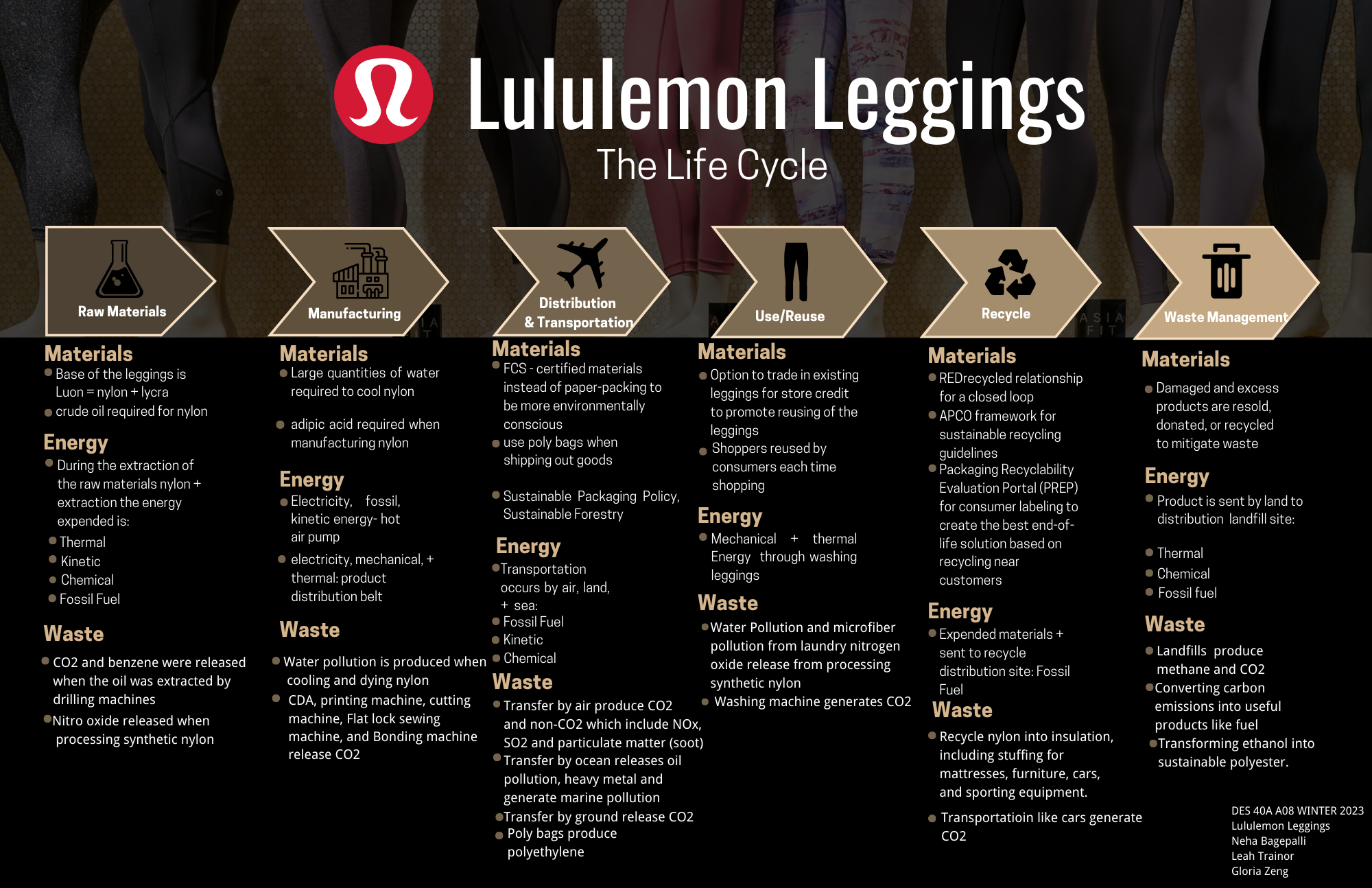
Conclusion: The Lululemon Blueprint
What is Lululemon? It is a masterclass in modern brand strategy. It is a company that understood early on that in a world of infinite choices, consumers don’t buy what you do; they buy why you do it.
Through a combination of hyper-targeted audience identification, community-led growth, technical product innovation, and a relentless focus on a holistic lifestyle, Lululemon has built a brand that is both a status symbol and a community. Its success serves as a blueprint for any brand looking to move beyond a product-first mentality and into a values-driven, lifestyle-oriented future. As it continues to expand into new categories and territories, the core of its brand remains the same: an unwavering commitment to the “Sweatlife” and the community that lives it.
aViewFromTheCave is a participant in the Amazon Services LLC Associates Program, an affiliate advertising program designed to provide a means for sites to earn advertising fees by advertising and linking to Amazon.com. Amazon, the Amazon logo, AmazonSupply, and the AmazonSupply logo are trademarks of Amazon.com, Inc. or its affiliates. As an Amazon Associate we earn affiliate commissions from qualifying purchases.