
In today’s interconnected digital landscape, the way our personal information is collected, processed, and stored has become a paramount concern. As technology advances at an unprecedented pace, so too do the risks associated with data privacy. This has led to a global wave of data protection legislation, and one of the most significant is the Lei Geral de Proteção de Dados (LGPD), Brazil’s General Data Protection Law. While its name might sound geographically specific, the LGPD’s implications ripple far beyond Brazil’s borders, impacting technology companies, brands, and even your personal finances.
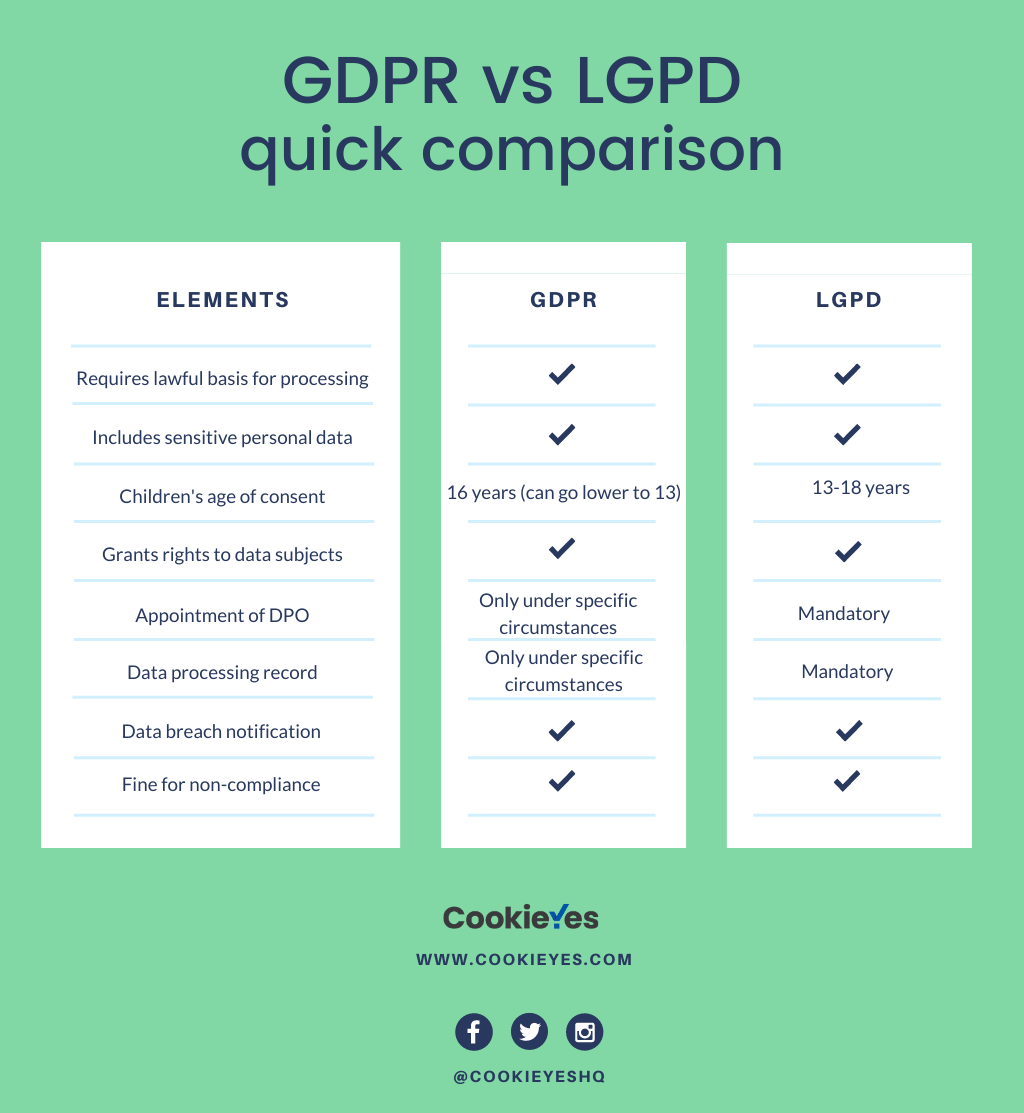
This article will delve into the intricacies of the LGPD, exploring its core principles, its impact on the technology sector, how it shapes brand strategies, and the financial ramifications for individuals and businesses alike. Whether you’re a tech enthusiast, a business owner, or simply an individual concerned about your digital footprint, understanding the LGPD is crucial in navigating the modern data-driven world.
Understanding the Pillars of LGPD: What You Need to Know
At its heart, the LGPD is designed to safeguard the fundamental rights of individuals concerning their personal data. It grants data subjects a greater degree of control over how their information is used, ensuring transparency and accountability from those who process it. Let’s break down the key components:
The Core Principles of Data Protection
The LGPD is built upon a foundation of several fundamental principles that guide how personal data should be handled. These principles are not merely abstract ideals; they form the legal bedrock for compliance and ethical data practices.
- Purpose Limitation: Data can only be collected for specified, explicit, and legitimate purposes, and it cannot be further processed in a manner incompatible with those purposes. This means organizations must be clear about why they need your data and stick to those reasons.
- Adequacy and Necessity: Data collected must be adequate, relevant, and limited to what is necessary in relation to the purposes for which it is processed. Over-collecting data or gathering information that isn’t essential for the stated purpose is prohibited.
- Transparency: Individuals must be provided with clear, accurate, and easily accessible information about the processing of their data. This includes who is collecting the data, why, how it will be used, and with whom it might be shared.
- Free Access: Data subjects have the right to consult their data and verify its accuracy. They should be able to easily access the information that organizations hold about them.
- Data Quality: Data must be accurate, clear, and up-to-date, allowing for the fulfillment of its purpose. Organizations have a responsibility to ensure the data they hold is correct.
- Prohibition of Indiscrimination: Data cannot be processed for discriminatory purposes, whether direct or indirect. This principle aims to prevent the misuse of data that could lead to unfair treatment or bias.
- Security and Prevention: Measures must be adopted to protect personal data from unauthorized access, accidental loss, destruction, or damage. This emphasizes the importance of robust cybersecurity practices.
- Accountability and Responsibility: Data controllers (those who decide on the purposes and means of processing) and data processors (those who process data on behalf of the controller) must demonstrate that they are implementing measures that comply with the LGPD. This shifts the burden of proof to organizations to show their compliance.
Your Rights as a Data Subject Under LGPD
The LGPD empowers individuals with a comprehensive set of rights designed to give them more control over their personal data. Understanding these rights is the first step in exercising them and ensuring your privacy is respected.
- Confirmation of Existence of Processing and Access: You have the right to know if your personal data is being processed and to access it.
- Correction of Incomplete, Inaccurate, or Outdated Data: If your personal data is incorrect, you can request its correction.
- Anonymization, Blocking, or Deletion of Unnecessary, Excessive, or Non-Compliant Data: You can ask for data that is not needed, is being processed in violation of the law, or is excessive to be anonymized, blocked, or deleted.
- Portability of Data to Another Service or Product Provider: You can request your data be transferred to another entity, subject to regulatory oversight and commercial secrets.
- Deletion of Processed Data with Consent: You can request the deletion of data that was processed based on your consent, except in specific circumstances outlined by law.
- Information About Public and Private Entities with Whom Data Has Been Shared: You have the right to know which public and private entities your data has been shared with.
- Information About the Possibility of Not Providing Consent and the Consequences of Refusal: Organizations must inform you about the implications of not consenting to data processing.
- Revocation of Consent: You can withdraw your consent for data processing at any time.
LGPD’s Impact on the Tech Industry: Innovation Meets Responsibility
The technology sector, by its very nature, is a data-intensive industry. From AI tools and apps to cloud services and online platforms, the LGPD presents both challenges and opportunities for tech companies.
Navigating the Data Landscape: Compliance for Software and AI
The proliferation of AI tools, from generative text models to predictive analytics, has intensified concerns about data privacy. The LGPD mandates that any processing of personal data within these AI systems must adhere to its principles. This means:
- Ethical AI Development: Developers must build AI systems with privacy by design and by default. This involves minimizing data collection, anonymizing data where possible, and ensuring that AI algorithms are not biased and do not lead to discriminatory outcomes.
- Transparency in AI Decisions: When AI is used to make decisions that affect individuals, the LGPD requires transparency about how those decisions are made. This can be challenging for complex “black box” AI models, necessitating a focus on explainable AI (XAI).
- Consent Management for Data-Driven Apps: Apps that collect user data for personalization, advertising, or other features must obtain explicit and informed consent. This requires clear and user-friendly consent mechanisms within the application interface.
- Data Security for SaaS and Cloud Providers: Software-as-a-Service (SaaS) providers and cloud infrastructure companies are entrusted with vast amounts of sensitive personal data. They must implement robust security measures to protect this data from breaches, in line with LGPD’s security and prevention principles. This often involves data encryption, access controls, and regular security audits.
Digital Security and Productivity in the LGPD Era
The LGPD reinforces the importance of digital security, not just as a technical requirement but as a fundamental aspect of respecting individual privacy.
- Enhanced Cybersecurity Measures: Companies are now legally obligated to implement strong cybersecurity protocols to prevent data breaches. This includes investing in advanced threat detection, intrusion prevention systems, and employee training on data security best practices.
- Data Minimization for Productivity Tools: Productivity apps and services often collect user data to enhance functionality. The LGPD encourages data minimization, pushing developers to collect only the data necessary for the tool to operate effectively, thereby improving both privacy and efficiency.
- Secure Data Handling in Digital Workflows: For businesses that rely on digital workflows and collaboration tools, understanding how these platforms handle personal data is critical. Ensuring that these tools are LGPD-compliant is essential for maintaining a secure and lawful operational environment.

Brand Reputation and Strategy in a Privacy-Conscious World
In an era where data breaches can severely damage a brand’s reputation and erode customer trust, the LGPD compels businesses to integrate privacy considerations into their core brand strategy and marketing efforts.
Rebuilding Trust: Transparency and Personal Branding
The LGPD’s emphasis on transparency and individual rights fundamentally alters how brands interact with their customers’ data.
- Privacy as a Differentiator: Brands that proactively embrace data privacy and demonstrate a commitment to protecting customer information can use this as a significant competitive advantage. This can be communicated through transparent privacy policies and clear data usage practices.
- Ethical Marketing and Data Usage: Marketing strategies that rely on extensive data profiling and aggressive targeting may need to be re-evaluated. Brands must ensure their marketing activities are consensual and do not exploit personal information. This includes obtaining consent for email marketing and personalized advertising.
- Personal Branding and Data Control: For individuals building their personal brand, understanding how their own data is being used by platforms and services they utilize is important. This awareness can inform their online presence and their choice of platforms.
- Corporate Identity and Data Stewardship: A company’s corporate identity should now encompass a strong element of data stewardship. Demonstrating responsible data handling practices can build a positive and trustworthy corporate image.
Case Studies in LGPD Compliance and Brand Impact
Examining real-world scenarios highlights the tangible effects of LGPD compliance on brands.
- Proactive Compliance as a Marketing Tool: Companies that invest in comprehensive LGPD compliance frameworks can use this as a positive marketing message, assuring customers that their data is handled with the utmost care.
- The Cost of Non-Compliance: Conversely, businesses that fail to comply face significant financial penalties and reputational damage. Numerous case studies globally demonstrate how data breaches and privacy violations can lead to public outcry, boycotts, and a substantial loss of customer loyalty.
- Designing for Privacy: Brands are increasingly adopting “privacy by design” principles in their product development and service offerings. This means that privacy considerations are baked into the initial stages of design, rather than being an afterthought. This proactive approach not only ensures legal compliance but also builds customer confidence.
Financial Implications of LGPD: Protecting Your Wallet and Business Bottom Line
The LGPD has direct financial implications for both individuals and businesses, impacting personal finance, investment strategies, and overall business finance.
Personal Finance and Your Digital Footprint
While the LGPD is primarily about data protection, its principles indirectly affect personal finance and how you manage your digital assets.
- Awareness of Data Monetization: Understanding that your personal data can be a valuable commodity makes you more aware of how companies profit from it. This awareness can lead to more informed decisions about which services you use and what information you share.
- Protection Against Identity Theft and Fraud: Robust data protection laws like LGPD contribute to a safer digital environment, reducing the risk of identity theft and financial fraud. This offers a level of financial security by minimizing potential unauthorized access to your financial information.
- Potential for Financial Compensation: In cases of severe data breaches or violations of privacy rights, individuals may be entitled to compensation for damages incurred, as stipulated by the LGPD.
Business Finance and the Cost of Data Governance
For businesses, LGPD compliance is not just a legal obligation; it’s a significant financial undertaking that requires strategic investment.
- Investing in Data Governance and Compliance: Businesses must allocate resources to implement comprehensive data governance frameworks, train employees, and invest in technologies that ensure LGPD compliance. This includes legal counsel, data privacy officers, and specialized software.
- Financial Penalties for Non-Compliance: The LGPD imposes hefty fines for violations, which can amount to up to 2% of a company’s revenue in Brazil, capped at R$ 50 million per infraction. This financial risk underscores the importance of robust compliance efforts.
- Impact on Online Income and Side Hustles: Individuals engaged in online income-generating activities or side hustles that involve collecting customer data must also adhere to LGPD principles. Failure to do so can lead to legal repercussions and damage to their reputation, impacting their income stream.
- Financial Tools and Data Privacy: When choosing financial tools or apps, consider their data privacy policies. Ensure that these tools are designed with strong security measures and comply with data protection regulations to safeguard your financial information.

Conclusion: Embracing a Privacy-First Future
The LGPD represents a significant step forward in protecting individuals’ data privacy rights in Brazil and serves as a model for evolving data protection landscapes globally. For the tech industry, it necessitates a shift towards responsible innovation, emphasizing privacy by design and ethical AI development. Brands must re-evaluate their marketing strategies and build trust through transparency and robust data stewardship. And for individuals, understanding their rights empowers them to take control of their digital footprint and protect their financial well-being.
As we continue to navigate the increasingly complex digital world, embracing a privacy-first mindset is no longer optional; it’s a fundamental necessity. The LGPD is a powerful reminder that in the realm of data, responsibility, transparency, and respect for individual rights are paramount. By understanding and adhering to these principles, we can foster a more secure, trustworthy, and equitable digital future for everyone.
aViewFromTheCave is a participant in the Amazon Services LLC Associates Program, an affiliate advertising program designed to provide a means for sites to earn advertising fees by advertising and linking to Amazon.com. Amazon, the Amazon logo, AmazonSupply, and the AmazonSupply logo are trademarks of Amazon.com, Inc. or its affiliates. As an Amazon Associate we earn affiliate commissions from qualifying purchases.