
In the evolving landscape of digital commerce and personal finance, payment solutions have diversified far beyond traditional credit cards and debit transactions. Among the most prominent innovators in this space is Klarna, a Swedish fintech company that has become synonymous with the “Buy Now, Pay Later” (BNPL) model. When we ask “what is Klarna Pay,” we are delving into a multifaceted financial service designed to offer consumers greater flexibility in how they manage their purchases, while simultaneously providing merchants with powerful tools to enhance sales and customer satisfaction.
At its core, Klarna Pay offers a suite of payment options that allow shoppers to defer or split payments for their online and in-store purchases. This model sits at the intersection of consumer convenience and sophisticated financial engineering, presenting both opportunities for responsible money management and potential pitfalls related to debt accumulation. Understanding Klarna Pay requires a deep dive into its mechanics, its impact on individual financial health, and its strategic role within the broader economy. This article will explore Klarna from a strictly financial perspective, dissecting its offerings, analyzing its influence on personal and business finance, and discussing its place in the modern financial ecosystem.

Understanding Klarna’s Core Financial Offerings
Klarna distinguishes itself by providing various payment options that cater to different consumer needs and purchase values. These offerings fundamentally alter the immediate financial burden of a purchase, allowing consumers to acquire goods and services without upfront payment in full, or by spreading the cost over time. Each option comes with its own financial implications, requiring careful consideration from the user.
“Pay in 4” – The Installment Model
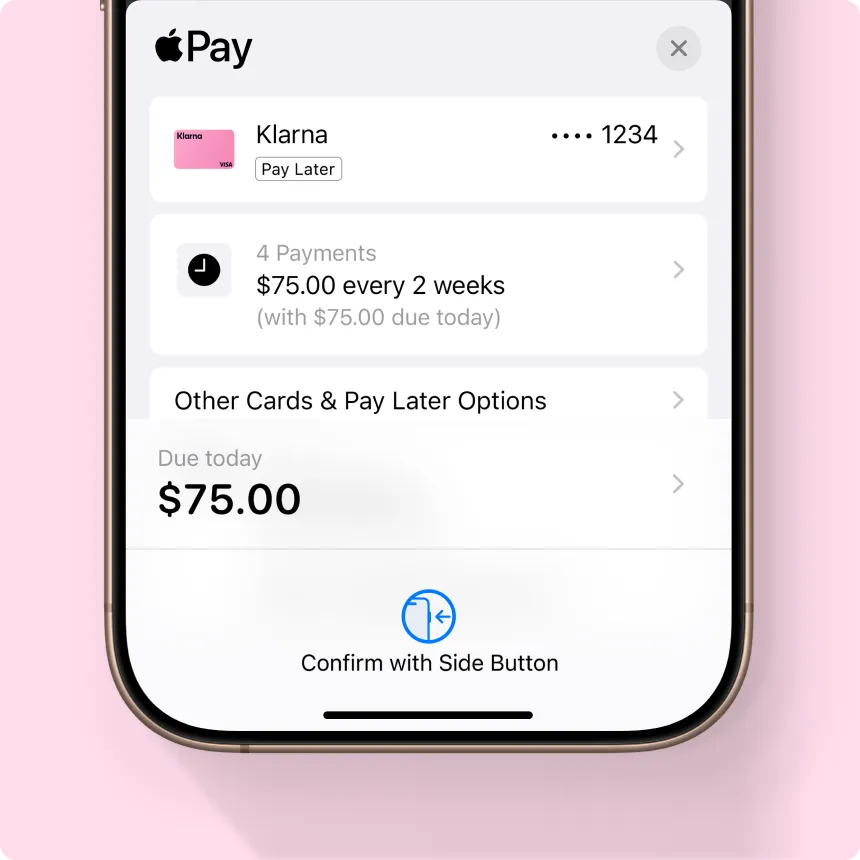
The “Pay in 4” option is perhaps Klarna’s most widely recognized service. It allows consumers to split the cost of a purchase into four equal, interest-free installments, typically paid every two weeks over a six-week period. The first payment is usually due at the time of purchase.
For consumers, “Pay in 4” acts as a short-term, interest-free loan. It provides an immediate benefit by easing cash flow, enabling individuals to make purchases they might otherwise delay or forgo due to a lack of immediate funds. This can be particularly useful for managing larger, unexpected expenses or for aligning payments with bi-weekly paychecks, effectively helping with short-term budgeting. By offering an alternative to credit cards for spreading costs, it allows users to avoid potential high interest rates, provided payments are made on time. However, the ease of access can also encourage overspending, leading to multiple concurrent payment plans across various purchases, which can quickly become difficult to manage if not tracked diligently. Late fees can also apply if payments are missed, diminishing the “interest-free” benefit.
“Pay in 30” – Deferred Payment
The “Pay in 30” option grants consumers 30 days from the date of purchase to pay the full amount without any interest or fees, provided the payment is made within the specified timeframe. This option is often available for smaller to medium-sized purchases.
Financially, “Pay in 30” offers a unique advantage for immediate gratification combined with a grace period for payment. It’s particularly appealing for “try before you buy” scenarios, where a consumer might want to receive an item, inspect it, or even try it on before committing financially. This significantly reduces buyer’s remorse and simplifies returns, as the consumer hasn’t yet fully paid for the item. From a cash flow perspective, it offers a short-term liquidity boost, allowing individuals to defer a payment until their next paycheck. The primary financial risk lies in forgetting to make the payment by the due date, which can result in late fees and potentially negative marks on a credit history, depending on Klarna’s reporting practices.
“Financing” – Longer-Term Loans
Beyond the short-term, interest-free options, Klarna also offers longer-term financing solutions, particularly for higher-value purchases. These “financing” plans typically involve repayment periods ranging from 6 to 36 months and often come with interest rates (APR), similar to traditional personal loans or credit cards. Eligibility for these plans usually involves a credit check.
This offering positions Klarna as an alternative to traditional installment loans or revolving credit for larger expenses like furniture, electronics, or home appliances. For consumers, it provides a structured way to finance significant purchases, often with predictable monthly payments. The financial implications are much closer to conventional lending; interest accrues over time, and the total cost of the item will be higher than its sticker price. It’s crucial for consumers to understand the APR, the total cost of the loan, and the impact of these longer-term commitments on their overall debt burden and credit utilization. While it offers an accessible financing avenue, the risks of interest accumulation and prolonged debt are significant, demanding careful budgeting and a clear repayment strategy.
The Impact of Klarna on Personal Finance
Klarna’s rise reflects a broader shift in consumer preferences for flexible payment methods, but its integration into daily spending habits carries significant implications for personal financial management. Understanding these impacts is crucial for using such tools responsibly.
Budgeting and Cash Flow Management
For many consumers, Klarna serves as a valuable tool for budgeting and managing cash flow. By breaking down larger purchases into smaller, manageable installments or deferring payment, individuals can align their spending with their income cycles. This can prevent the need to deplete savings for an immediate expense or to rely on high-interest credit cards for short-term liquidity. For instance, a “Pay in 4” plan might allow someone to purchase a necessary item and pay for it using funds from their next two paychecks without incurring interest. This can foster a sense of control over immediate expenditures, making higher-value items more accessible without disrupting one’s monthly budget.
However, this flexibility comes with a caveat: the potential for illusionary affluence. The ease of deferring payments can mask the true cumulative cost of multiple purchases made through Klarna or other BNPL services. Without stringent budgeting and tracking, consumers might find themselves juggling several installment plans simultaneously, leading to a complex web of obligations that can become overwhelming and unsustainable, ultimately hindering effective financial planning.
Credit Health and Debt Accumulation
The relationship between Klarna Pay and credit health is nuanced. For its “Pay in 4” and “Pay in 30” options, Klarna often performs a “soft” credit check that doesn’t impact a user’s credit score. However, for its longer-term “Financing” options, a “hard” credit inquiry is typically made, which can temporarily lower a credit score. Moreover, Klarna may report payment activity to credit bureaus. Consistent, on-time payments can positively contribute to a user’s credit history, demonstrating responsible financial behavior. Conversely, missed payments, defaults, or collections can significantly damage a credit score, making it harder to secure future loans, mortgages, or even rental agreements.
A primary concern regarding BNPL services like Klarna is the potential for rapid debt accumulation. The convenience of splitting payments across multiple vendors can lead consumers to take on more debt than they can comfortably manage. Unlike traditional credit cards which have a single, consolidating statement, BNPL transactions are often scattered across various apps and retailers, making it challenging for users to get a holistic view of their total outstanding BNPL obligations. This fragmented debt can quickly spiral, leading to late fees, financial stress, and a detrimental impact on overall financial well-being.
Comparison with Traditional Financial Tools
Klarna Pay presents a distinct alternative to traditional financial instruments like credit cards and layaway. Compared to credit cards, Klarna’s short-term “Pay in 4” and “Pay in 30” options are often interest-free, a significant advantage over credit cards, which can carry high Annual Percentage Rates (APRs) if balances aren’t paid in full each month. Credit cards, however, often offer rewards programs, fraud protection, and a consolidated billing statement that BNPL services typically lack. For larger purchases, Klarna’s “Financing” option mirrors traditional installment loans but may offer different terms or accessibility, particularly for those with less established credit histories.
The layaway model, once popular, involved consumers paying for an item in installments and receiving it only after full payment. Klarna, and BNPL in general, revolutionize this by allowing immediate possession of the goods. This instant gratification is a powerful draw, but it also removes the financial discipline inherent in layaway, where the consumer is forced to save before receiving the item. Klarna represents a modern evolution, offering the flexibility of staggered payments with the immediate satisfaction of possession, but shifting the financial risk and responsibility to the consumer to pay post-purchase.
Klarna’s Role in Business Finance and E-commerce
Beyond its utility for consumers, Klarna plays a crucial, strategic role for businesses, particularly within the e-commerce sector. By integrating Klarna’s payment solutions, merchants can significantly influence their sales performance, customer acquisition, and overall financial health.
Boosting Sales and Conversion Rates
For businesses, offering Klarna Pay options is a potent strategy to boost sales and improve conversion rates. The ability for customers to defer or split payments removes a significant financial barrier to purchase. Many shoppers abandon their carts at checkout due to sticker shock or insufficient funds. Klarna mitigates this by making items appear more affordable upfront, turning potential “no’s” into “yes’s.” This flexibility can increase the average order value (AOV) as customers feel more comfortable adding more items to their cart when the immediate payment burden is reduced.
Moreover, Klarna helps businesses attract a broader customer base, particularly younger demographics who may prefer alternative payment methods to traditional credit cards or those who are more budget-conscious. The psychological effect of seeing a larger price broken down into smaller, manageable chunks is powerful, leading to higher conversion rates and increased overall revenue for merchants.
Merchant Costs and Benefits
While Klarna offers compelling benefits for sales, merchants also incur costs. Klarna charges businesses a fee for each transaction processed through its platform, typically a percentage of the sale amount plus a fixed fee. These fees can be higher than those associated with traditional credit card processing. However, businesses often view these costs as an investment, offset by the significant increase in sales volume and average order value that Klarna facilitates.
A key financial benefit for merchants is that Klarna assumes the credit risk from the consumer. Once a customer’s payment plan is approved by Klarna, the merchant receives the full payment for the goods (minus Klarna’s fees) upfront, often within a few business days. This guarantees the merchant payment regardless of whether the consumer ultimately defaults on their payments to Klarna. This transfer of risk is invaluable, protecting businesses from potential losses due to non-payment and improving their cash flow predictability. Additionally, Klarna often handles customer service for payment-related inquiries, reducing administrative burden for the merchant.
Financial Risk Management for Businesses
Integrating Klarna’s BNPL service is a strategic decision for businesses seeking to optimize their financial risk management. In a traditional e-commerce setting, merchants face the risk of fraud, chargebacks, and customer non-payment. By partnering with Klarna, businesses effectively outsource a significant portion of this financial risk. Klarna employs sophisticated algorithms and credit assessment tools to evaluate consumer eligibility, thereby vetting the financial reliability of the transaction before the merchant ships the product.
This partnership allows businesses to focus on their core operations – product development, marketing, and logistics – without the added complexity and capital risk of managing consumer credit. The guaranteed payout from Klarna means that merchants can better forecast their revenues and manage their inventory, as they don’t have to account for potential bad debts from individual customers. For many businesses, particularly small and medium-sized enterprises (SMEs), this risk transference is a compelling reason to adopt Klarna, enabling them to expand their market reach and grow their revenue more securely.
Navigating the Financial Landscape with Klarna
As Klarna continues to integrate into the daily financial lives of millions, understanding how to use it responsibly and recognizing the broader context of its financial impact is paramount. Both consumers and regulators are increasingly scrutinizing BNPL services to ensure fair and transparent financial practices.
Responsible Usage and Best Practices
For consumers, the key to benefiting from Klarna without falling into debt lies in responsible usage. This begins with understanding the terms and conditions of each payment option, including payment schedules, potential late fees, and interest rates for financing plans. It’s crucial to use Klarna for planned purchases within one’s budget, rather than as a means for impulse buying or to live beyond one’s means. Setting reminders for payments, monitoring all active Klarna plans, and avoiding the accumulation of multiple concurrent BNPL debts across various services are essential best practices. Consumers should treat Klarna payments with the same discipline as any other financial obligation, prioritizing them to avoid fees and negative impacts on credit. Regular review of bank statements and Klarna app activity can help maintain a clear picture of outstanding obligations.
Regulatory Scrutiny and Consumer Protection
The rapid growth of the BNPL sector, including Klarna, has attracted the attention of financial regulators worldwide. Concerns have been raised regarding consumer protection, particularly around issues like the potential for excessive debt, transparency of fees, impact on credit scores, and the ease with which multiple loans can be acquired. Regulators are exploring how to classify BNPL services, whether as traditional credit or a new category, to ensure appropriate oversight. The goal is to strike a balance between fostering innovation in financial technology and safeguarding consumers from predatory practices or unforeseen financial hardship. This evolving regulatory landscape means that the terms and conditions for services like Klarna may change over time, requiring users to stay informed.

Future of “Pay Later” in the Financial Ecosystem
Klarna and the BNPL model represent a significant shift in consumer payment preferences and a growing segment of the financial ecosystem. The trend towards greater payment flexibility, instant gratification, and tailored financial tools is likely to continue. We can expect to see further integration of “pay later” options into digital wallets, banking apps, and even directly at point-of-sale systems, blurring the lines between traditional banking, credit, and consumer finance. The ongoing competition in this space will likely drive further innovation, potentially leading to more personalized repayment schedules, enhanced financial literacy tools within the apps, and deeper integration with budgeting software. However, the long-term sustainability and ethical implementation of these services will depend heavily on responsible consumer behavior, robust merchant practices, and effective regulatory frameworks that prioritize financial health and transparency.
In conclusion, Klarna Pay is more than just a payment option; it’s a powerful financial tool that profoundly impacts personal and business finance. When utilized wisely, it can offer consumers unprecedented flexibility and aid businesses in achieving significant growth. Yet, like any financial instrument, its benefits are maximized and its risks mitigated only through informed choices, diligent management, and an understanding of its broader implications within the financial world.
aViewFromTheCave is a participant in the Amazon Services LLC Associates Program, an affiliate advertising program designed to provide a means for sites to earn advertising fees by advertising and linking to Amazon.com. Amazon, the Amazon logo, AmazonSupply, and the AmazonSupply logo are trademarks of Amazon.com, Inc. or its affiliates. As an Amazon Associate we earn affiliate commissions from qualifying purchases.