
While the term “Jake braking” might not be as commonplace as “engine braking” or “compression release braking,” it refers to a specific type of engine braking system that has been a vital component in heavy-duty vehicles for decades. Understanding Jake braking is crucial for anyone involved in the operation, maintenance, or even the broader technological evolution of commercial transportation. This article delves into the intricacies of Jake braking, exploring its fundamental principles, its technological underpinnings, its impact on vehicle safety and efficiency, and its place within the ever-evolving landscape of automotive technology.
The Core Mechanism: Harnessing Engine Power for Deceleration
Jake braking, officially known as the Caterpillar compression release engine brake (though commonly referred to by the brand name “Jake Brake”), is a system designed to utilize the engine’s own power to slow down a vehicle. Unlike traditional friction brakes which generate heat through the rubbing of brake pads against rotors, Jake braking is an “engine brake,” meaning it operates using the internal combustion engine itself. This distinction is fundamental to its operational advantage and its place within vehicle technology.

How Compression Release Works
At its heart, the Jake braking system leverages the energy stored within the combustion cycle of a diesel engine. In a standard compression stroke, a diesel engine compresses the air within its cylinders, building pressure and heat in preparation for fuel injection and ignition. During the power stroke, this compressed, heated air-fuel mixture ignites, pushing the piston down and generating the force that propels the vehicle forward.
Jake braking intervenes in this process. When activated, the Jake brake system modifies the engine’s valve timing. Specifically, it causes the exhaust valve to open prematurely, just as the piston reaches the top of its compression stroke. Instead of retaining the built-up pressure and energy, the engine effectively “dumps” this compressed air out through the exhaust system. This act of releasing the compressed air requires the engine to do work, and in doing so, it creates a significant retarding force that opposes the vehicle’s forward motion.
Imagine a spring being compressed. If you suddenly release it, it expands and stores energy. In Jake braking, the engine compresses the air (like compressing the spring), but instead of allowing the full expansion for power, it releases the compressed air. This release expends energy that would otherwise contribute to forward momentum, effectively acting as a brake. The repetitive opening and closing of the exhaust valves at the end of the compression stroke create a series of “pushes” against the engine’s crankshaft in the opposite direction of normal rotation, slowing the vehicle.
The Role of the Exhaust Valve
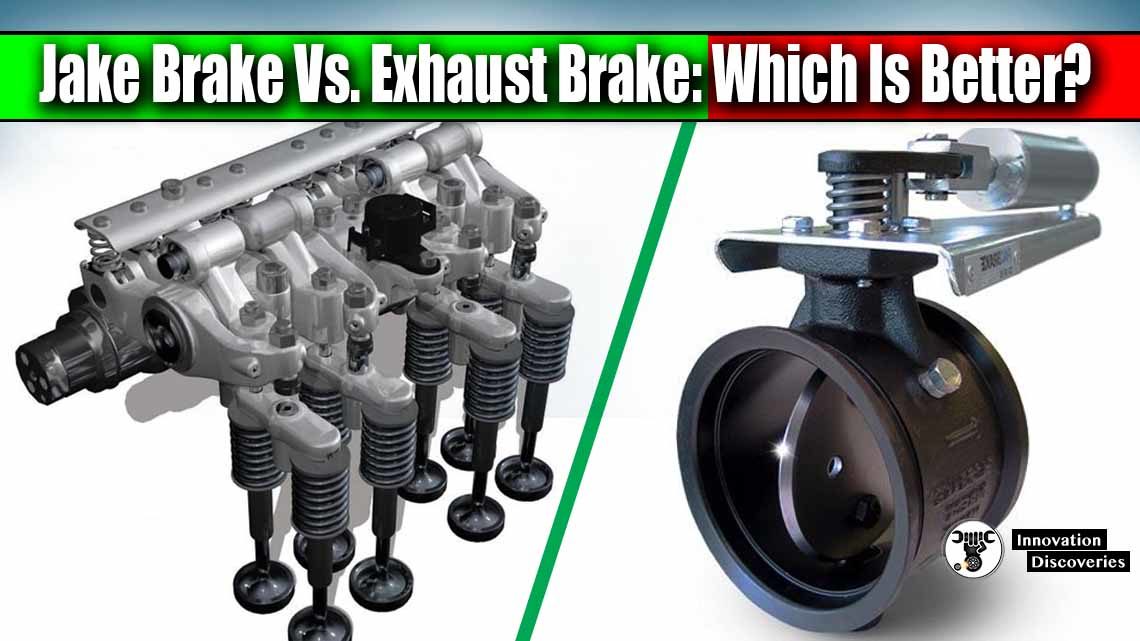
The precise control of the exhaust valve is paramount to the functioning of a Jake brake. This is achieved through a sophisticated hydraulic system integrated with the engine’s valvetrain. Solenoids, controlled by the vehicle’s electronics, activate hydraulic accumulators. These accumulators then exert precise pressure on the rocker arms, which in turn manipulate the opening and closing of the exhaust valves at the opportune moments during the compression stroke. This intricate dance of hydraulics and valve timing is what makes the Jake brake so effective.
Technological Evolution and Implementation
The development and integration of Jake braking represent a significant advancement in heavy-duty vehicle technology. From its origins to its modern, electronically controlled iterations, the system has continuously evolved to enhance performance, driver control, and vehicle integration.
Early Designs and Mechanical Control
The earliest forms of engine braking, including early versions of compression release brakes, relied on more mechanical means of actuating the exhaust valves. These systems were often less precise and offered fewer levels of control. Drivers would typically have a manual switch or lever to engage the engine brake, with limited options for adjusting its intensity. The mechanical linkages could be susceptible to wear and tear, requiring more frequent maintenance.
The Advent of Electronic Control and Integration
The true leap in Jake braking technology came with the advent of electronic control units (ECUs) and advanced sensor technology. Modern Jake braking systems are highly sophisticated and integrated with the vehicle’s overall powertrain management.
- ECU Integration: The vehicle’s ECU plays a central role in controlling the Jake brake. It receives input from various sensors, including vehicle speed, throttle position, and gear selection. Based on this data, the ECU determines when and how intensely the Jake brake should be activated.
- Variable Retardation: Modern Jake brakes offer multiple levels of retardation, allowing drivers to select the appropriate braking force for different driving conditions. This is typically achieved by controlling the number of cylinders that are engaged in the Jake braking process or by modulating the hydraulic pressure applied to the exhaust valves. For example, a driver might select a lower setting for gentle downhill coasting and a higher setting for more aggressive deceleration.
- Automatic Engagement: In many modern trucks, the Jake brake can be programmed to engage automatically under certain conditions. For instance, it might activate when the driver lifts their foot off the accelerator pedal or when the cruise control system disengages. This automation enhances safety and driver convenience, ensuring consistent braking force when needed.
- Integration with Other Systems: Jake braking systems are increasingly integrated with other vehicle systems, such as anti-lock braking systems (ABS) and electronic stability control (ESC). This integration allows for a more cohesive and intelligent approach to vehicle braking and control, especially in challenging situations.
The “Jake Brake” Sound: A Hallmarked Acoustic Signature
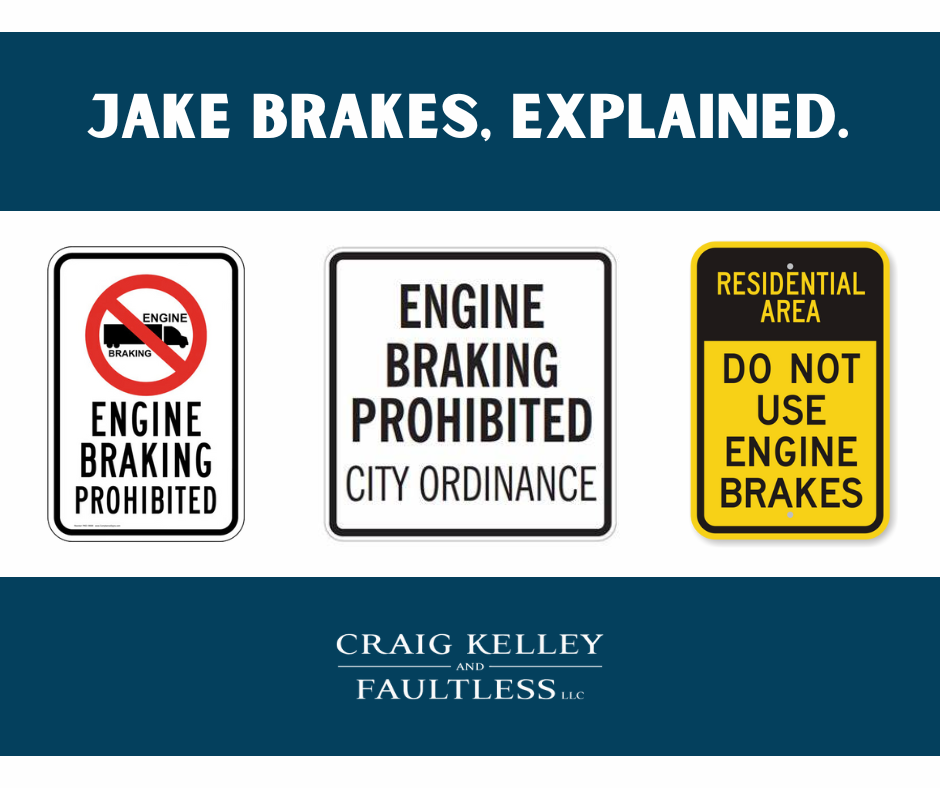
One of the most recognizable aspects of Jake braking is its distinctive sound. When activated, the rapid release of compressed air from the engine exhaust produces a loud, sharp, and often startling series of percussive noises. This “Jake brake sound” has become so iconic that the brand name “Jake Brake” is often used generically to refer to any compression release engine brake, regardless of the manufacturer. While the sound is a byproduct of the technology, it has also led to noise regulations in some urban areas, prompting manufacturers to develop quieter versions of the system or implement strategies to mitigate the noise.
Benefits and Applications in Vehicle Technology
The widespread adoption of Jake braking in heavy-duty vehicles is a testament to its significant advantages in terms of safety, operational efficiency, and component longevity.
Enhanced Safety and Vehicle Control
The primary benefit of Jake braking is its ability to provide substantial braking force without relying solely on the friction brakes. This is particularly crucial in situations involving long downhill grades, where continuous application of friction brakes can lead to overheating, brake fade (a dangerous loss of braking effectiveness), and potential brake failure.
- Preventing Brake Fade: By offloading a significant portion of the braking duty to the engine, Jake braking dramatically reduces the heat generated by the friction brakes. This preserves their effectiveness and provides a critical safety margin, especially for heavy loads and prolonged descents.
- Improved Downhill Control: The predictable and consistent retarding force offered by Jake braking allows drivers to maintain controlled speeds on descents, reducing the risk of losing control due to excessive speed or brake overheating.
- Reduced Wear on Friction Brakes: By supplementing or even replacing the need for friction braking in many scenarios, Jake braking significantly extends the lifespan of brake pads, rotors, and drums. This translates to reduced maintenance costs and less downtime for the vehicle.
- Enhanced Maneuverability: In certain situations, Jake braking can assist with precise speed control during maneuvering, allowing for smoother and more controlled movements, especially when backing up or navigating tight spaces.
Operational Efficiency and Fuel Economy
While not its primary function, Jake braking can also contribute to operational efficiency and, indirectly, fuel economy.
- Reduced Engine Load During Deceleration: By using the engine to slow down, drivers can often avoid unnecessary applications of the service brakes. This can lead to less aggressive braking overall, which in some driving cycles can contribute to smoother acceleration and deceleration patterns that might improve fuel efficiency.
- Optimized Engine Performance: The sophisticated electronic control of modern Jake brakes ensures that the engine is not overworked or underutilized during braking. This fine-tuning of engine operation, in conjunction with other powertrain management systems, contributes to overall efficiency.
Applications Beyond Trucks
While most commonly associated with large commercial trucks and buses, the principles of compression release engine braking have found applications in other heavy-duty and specialized vehicles, including:
- Agricultural and Construction Equipment: Tractors, excavators, and other heavy machinery often benefit from the added retarding force to maintain control on inclines and during heavy-duty operations.
- Railroad Locomotives: Large diesel locomotives utilize powerful engine braking systems to control speed on railway gradients.
- Marine Engines: Some larger marine diesel engines may incorporate engine braking features for slow-down and maneuvering.
The Future of Engine Braking Technology
Jake braking, as a specific manifestation of engine braking, is a mature technology. However, its underlying principles are continuously being refined, and its integration with other advanced vehicle systems is paving the way for even more sophisticated braking solutions.
Advancements in Noise Reduction
Given the regulatory and public perception challenges associated with the distinctive Jake brake sound, ongoing research and development are focused on noise reduction technologies. This includes:
- Optimized Exhaust System Design: Modifying the geometry and materials of the exhaust manifold and muffler to dissipate acoustic energy more effectively.
- Electronic Sound Masking or Cancellation: While still in its nascent stages for this specific application, advanced audio processing techniques could potentially be employed to mitigate the perceived loudness or harshness of the braking sound.
- Alternative Engine Braking Technologies: While compression release remains a dominant form, research into other engine braking methods or hybrid approaches continues to explore quieter and more efficient alternatives.
Integration with Autonomous Driving Systems
As vehicles become more automated and eventually autonomous, the precise and predictable control offered by Jake braking will become even more critical.
- Predictive Braking: Autonomous systems will leverage advanced sensor data and predictive algorithms to anticipate braking needs far in advance. Jake braking, with its rapid response and adjustable intensity, will be an integral part of these predictive braking strategies, ensuring smooth and safe deceleration.
- Energy Recuperation Synergies: In future hybrid and electric vehicle architectures, engine braking technologies like Jake braking could be further integrated with regenerative braking systems to optimize energy capture and vehicle control.
Continued Refinement of Electronic Controls
The ongoing trend towards more sophisticated ECUs, artificial intelligence, and machine learning will undoubtedly lead to even more intelligent and adaptive Jake braking systems.
- AI-Driven Optimization: AI algorithms could analyze vast amounts of driving data to continuously optimize Jake brake activation for specific routes, load conditions, and driver behaviors, maximizing safety and efficiency.
- Enhanced Driver Feedback: Advanced interfaces could provide drivers with more intuitive and informative feedback on Jake brake operation, further enhancing their situational awareness and control.
In conclusion, Jake braking is a sophisticated and indispensable technology within the heavy-duty vehicle sector. By intelligently harnessing the power of the engine itself to create retarding force, it significantly enhances safety, reduces wear on friction brakes, and contributes to overall operational efficiency. As automotive technology continues its rapid evolution, the principles of engine braking, exemplified by the Jake brake, will undoubtedly remain a cornerstone of safe and efficient vehicle control.
aViewFromTheCave is a participant in the Amazon Services LLC Associates Program, an affiliate advertising program designed to provide a means for sites to earn advertising fees by advertising and linking to Amazon.com. Amazon, the Amazon logo, AmazonSupply, and the AmazonSupply logo are trademarks of Amazon.com, Inc. or its affiliates. As an Amazon Associate we earn affiliate commissions from qualifying purchases.