
In our increasingly connected world, Wi-Fi has become the invisible backbone of our digital lives. From streaming our favorite shows to managing our smart homes, wireless networks are ubiquitous. But have you ever stopped to wonder what’s happening behind the scenes to make all this magic happen? A crucial component of this invisible infrastructure is the IP address. For those who aren’t deeply immersed in the tech world, the term “IP address” can sound a bit arcane. However, understanding what it is, especially in the context of Wi-Fi, is surprisingly accessible and can demystify a fundamental aspect of how your devices communicate online. This article will break down the concept of an IP address on Wi-Fi, exploring its role, how it works, and why it matters, all through the lens of technology, branding, and even a touch of financial implications for businesses.

The Digital Address Book: Understanding IP Addresses
Imagine you want to send a letter to a friend. You need their street address, city, state, and zip code for the postal service to deliver it correctly. In the digital realm, an IP (Internet Protocol) address serves a similar purpose. It’s a unique numerical label assigned to every device that connects to a network, including your smartphone, laptop, smart TV, or even your smart refrigerator, when they join a Wi-Fi network. This “address” allows devices to communicate with each other and with servers across the internet.
How IP Addresses Work: A Tale of Two Types
There are two primary versions of IP addresses in use today: IPv4 and IPv6.
IPv4: The Familiar, Yet Fading, Giant
IPv4 (Internet Protocol version 4) has been the workhorse of the internet for decades. It’s a 32-bit numerical address, typically written in four sets of numbers separated by periods, like 192.168.1.1. Each set of numbers can range from 0 to 255. For example, 192.168.1.100 is a common IP address you might see on your home Wi-Fi.
The issue with IPv4 is that its address space is finite. With the explosion of internet-connected devices, we’ve been running out of unique IPv4 addresses. Think of it like running out of unique phone numbers in a rapidly growing city. This scarcity has led to several workarounds, such as Network Address Translation (NAT), which allows multiple devices on a private network to share a single public IP address.
IPv6: The Future Is Here, and It’s Vast
IPv6 (Internet Protocol version 6) was developed to address the limitations of IPv4. It’s a 128-bit numerical address, which means it can support an astronomically larger number of unique addresses – enough to assign an IP address to every grain of sand on Earth, and then some! IPv6 addresses are written in a more complex format, using hexadecimal numbers separated by colons, such as 2001:0db8:85a3:0000:0000:8a2e:0370:7334.
While IPv6 is designed to be the future standard, the transition from IPv4 is ongoing. Many devices and networks today support both protocols, ensuring compatibility.
Public vs. Private IP Addresses: Knowing Your Neighborhood
Within a Wi-Fi network, you’ll encounter two types of IP addresses: public and private.
Public IP Address: Your Gateway to the World
Your public IP address is the one that identifies your entire home network to the rest of the internet. It’s assigned by your Internet Service Provider (ISP) and is unique on the global internet. When you visit a website, that website sees your public IP address. This is the address that routers use to send and receive data from external networks. Think of it as your home’s street address that the post office uses for mail delivery from outside your neighborhood.
Private IP Address: The Inside Scoops of Your Network
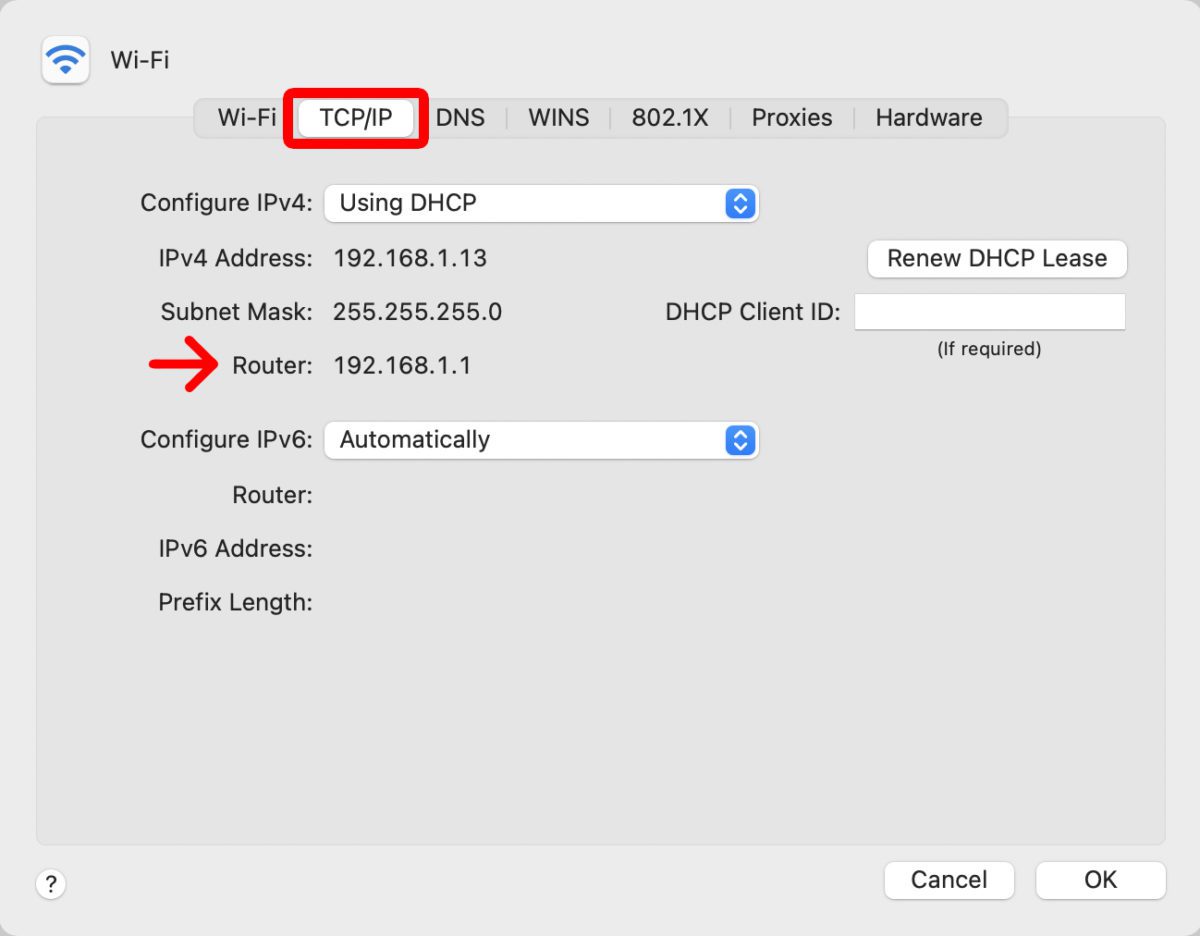
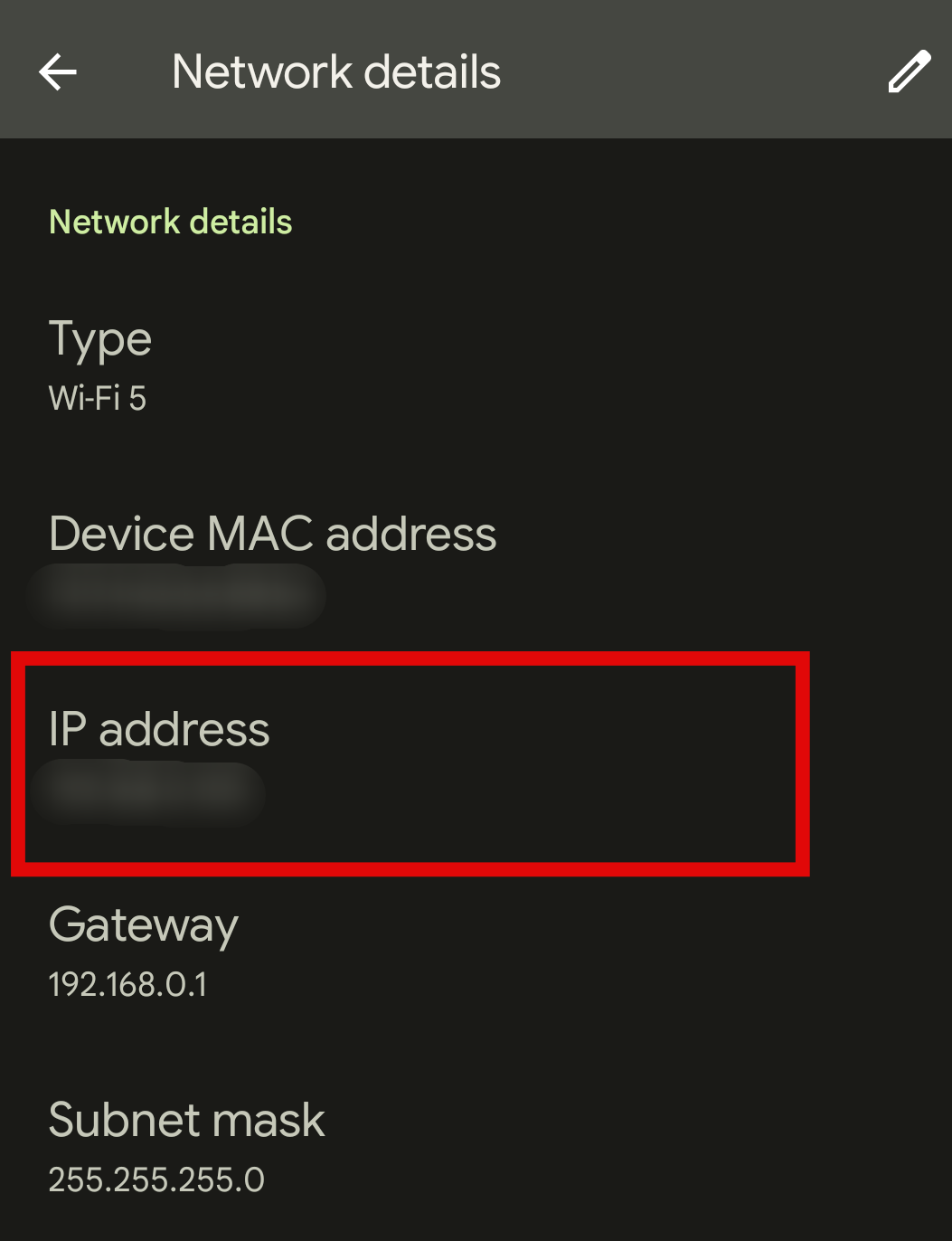
When you connect multiple devices to your Wi-Fi router, each device receives a private IP address. These addresses are reserved for use within local networks and are not routable on the public internet. Common ranges for private IP addresses include 192.168.x.x, 10.x.x.x, and 172.16.x.x to 172.31.x.x. Your router acts as a gateway, managing these private IP addresses and translating them to your single public IP address when communicating with the outside world. This is like the internal room numbers or apartment numbers within your building – they only make sense to those inside.
The Role of IP Addresses on Your Wi-Fi Network
So, what exactly does your IP address do on your Wi-Fi? It’s fundamental to the functioning of your wireless connection and the devices on it.
Device Identification and Communication
At its core, an IP address identifies each device on your network. When your laptop wants to download a web page, it sends a request with its IP address to your router. Your router then forwards that request to the internet using your public IP address. When the web page data comes back, it’s addressed to your public IP address, and your router knows which specific device (based on its private IP address) on your Wi-Fi network should receive it. Without these unique identifiers, data packets would be sent into the digital ether with no destination, rendering your network useless.
Network Management and Configuration
Your Wi-Fi router often acts as a DHCP (Dynamic Host Configuration Protocol) server. This server automatically assigns private IP addresses to devices as they connect to the network. This is why you usually don’t have to manually configure IP addresses for your phone or laptop. The router manages this pool of addresses, ensuring that each device gets a unique one and preventing conflicts. This simplifies network administration and makes connecting new devices a breeze.
Security and Access Control
While not its primary function, IP addresses can play a role in network security. For instance, you can sometimes configure your router to allow or block specific devices based on their IP addresses. This can be useful for parental controls or for granting temporary access to guests. However, it’s important to note that IP addresses can be spoofed (faked), so relying solely on IP addresses for robust security is not recommended. Stronger authentication methods are always preferred.
Beyond the Tech: Branding and Financial Implications
While the technical intricacies of IP addresses might seem confined to the realm of IT professionals, understanding them can have surprising implications for branding and even financial considerations, particularly for businesses.
Branding: A Digital Footprint and Online Reputation
For businesses, an IP address is part of their digital footprint. When a company’s website is accessed, the IP address of their server is involved. This can tie into their online reputation management. For example:
- Server Location and Performance: A business might choose server locations based on IP address blocks that are geographically closer to their target audience. This can improve website loading speeds, contributing positively to user experience and, consequently, brand perception. Slow-loading websites can lead to frustrated visitors, impacting conversion rates and brand loyalty.
- Spam and Security: A public IP address associated with a business can be flagged for spam or malicious activity if the server is compromised or used for illicit purposes. This can negatively affect the brand’s online reputation, leading to emails being marked as spam or even the website being blocked by security filters. Maintaining a clean IP reputation is crucial for ensuring consistent communication and trust.
- IP Address Whitelisting/Blacklisting: Some services or platforms might allow businesses to “whitelist” specific IP addresses for access or to “blacklist” known malicious IPs. This can be a way to manage who interacts with their online presence, indirectly shaping the brand’s engagement with its digital ecosystem.
Money Matters: Online Income, Business Finance, and Infrastructure Costs
The world of IP addresses also intersects with financial considerations for individuals and businesses alike.
- Online Income and Side Hustles: For individuals running online businesses, selling services, or creating content, the stability and accessibility of their internet connection, facilitated by IP addresses, are paramount. Downtime due to network issues can directly translate to lost revenue. Understanding how their public IP address is perceived by different platforms (e.g., for payment processing, affiliate marketing) can also be relevant.
- Business Finance and Infrastructure: Businesses that rely heavily on online operations, e-commerce, or cloud services need robust network infrastructure. The choice of hosting providers, data centers, and even the number of static IP addresses they require can have significant financial implications. Static IP addresses, which don’t change, are often necessary for servers and certain business applications, and they typically come with an additional cost compared to dynamic IP addresses.
- Cybersecurity Costs: While IP addresses themselves are not directly paid for by end-users (they are part of the internet infrastructure managed by ISPs), the security measures put in place to protect them and the networks they represent incur costs. Businesses invest in firewalls, intrusion detection systems, and cybersecurity professionals to safeguard their IP addresses and the data they handle from cyber threats, adding to their operational expenses.
- ISP Contracts and Bandwidth: The number of devices on a Wi-Fi network, and the associated IP addresses, directly impacts bandwidth usage. Businesses need to ensure their internet service provider contracts provide sufficient bandwidth to accommodate their needs, which can influence subscription costs. Understanding IP address allocation helps in estimating and managing this critical resource.
In Conclusion: The Unsung Hero of Your Wi-Fi
The IP address, though often unseen and unthought of, is a fundamental element of your Wi-Fi experience. It’s the silent conductor orchestrating the flow of data, ensuring that your devices can communicate with each other and the vast expanse of the internet. From the simple act of checking your email to the complex operations of a global business, IP addresses on Wi-Fi are the digital glue that holds it all together. By demystifying this concept, we gain a better appreciation for the intricate technologies that power our modern lives, and how they can even subtly influence aspects of our digital branding and financial strategies. So the next time you connect to your Wi-Fi, remember the unsung hero working tirelessly behind the scenes: your IP address.
aViewFromTheCave is a participant in the Amazon Services LLC Associates Program, an affiliate advertising program designed to provide a means for sites to earn advertising fees by advertising and linking to Amazon.com. Amazon, the Amazon logo, AmazonSupply, and the AmazonSupply logo are trademarks of Amazon.com, Inc. or its affiliates. As an Amazon Associate we earn affiliate commissions from qualifying purchases.