
When most people hear the name Indianapolis, their minds immediately race to the high-octane spectacle of the Indy 500 or the city’s deep-rooted basketball heritage. However, in the professional spheres of software engineering, data analytics, and venture capital, Indianapolis is known for something far more transformative: its status as the “Silicon Prairie.”
Over the last decade, Indianapolis has transitioned from a traditional manufacturing and logistics hub into one of the most vibrant tech ecosystems in the United States. Driven by a unique combination of enterprise SaaS dominance, innovative venture studio models, and a world-class talent pipeline, the city has redefined what it means to be a midwestern tech center.
The Salesforce Effect: Anchoring a Midwest Tech Ecosystem
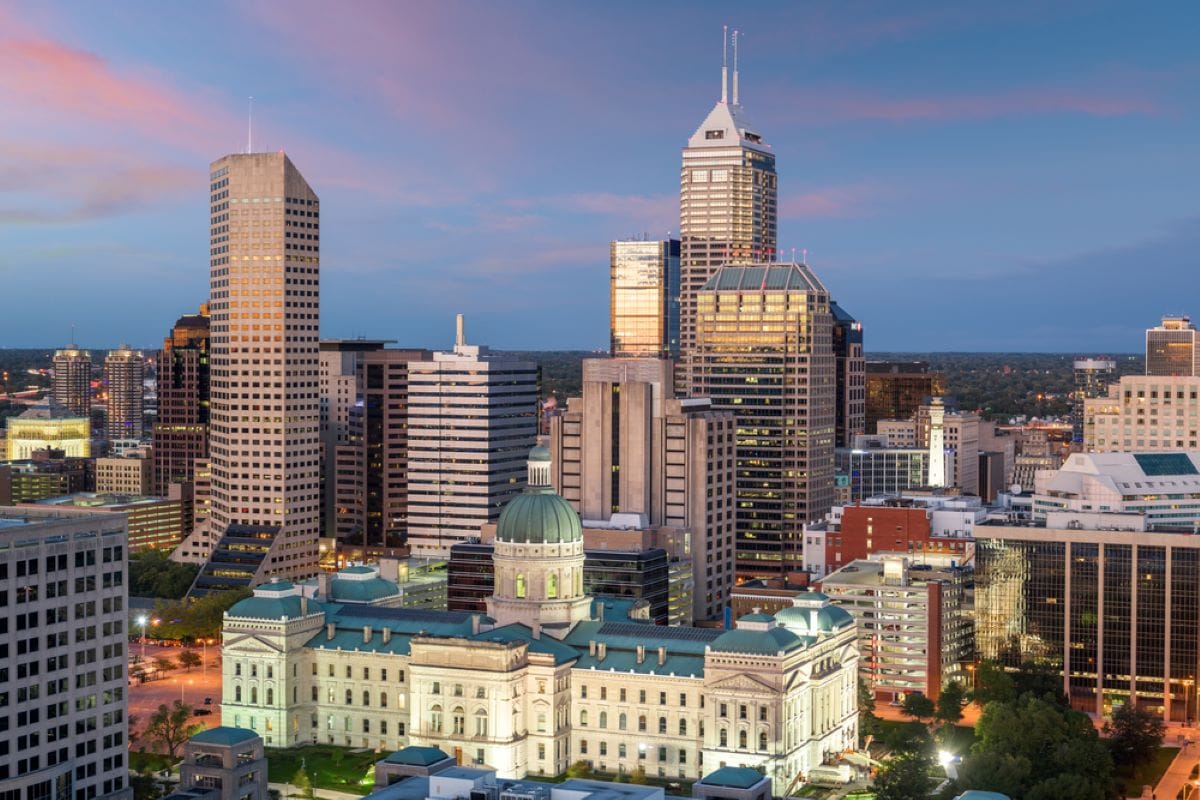
To understand what Indianapolis is known for in the tech world, one must first look at the towering skyline, specifically the Salesforce Tower. The presence of this cloud computing giant is not merely symbolic; it is the result of the single most important event in the city’s digital history.
From ExactTarget to Global Cloud Leadership
In 2013, Salesforce acquired the Indianapolis-based email marketing firm ExactTarget for $2.5 billion. At the time, it was one of the largest acquisitions in the history of the SaaS (Software as a Service) industry. This exit didn’t just provide a massive return for investors; it validated Indianapolis as a place where world-class software could be built and scaled.
The acquisition served as a “Big Bang” for the local economy. Thousands of employees were trained in the Salesforce ecosystem, and the infusion of capital allowed early employees and executives to branch out. Today, Indianapolis is known as a global hub for marketing technology (MarTech), largely because the DNA of ExactTarget has been woven into dozens of new startups across the region.
The Ripple Effect on Local SaaS Development
The “Salesforce Effect” created a virtuous cycle. As Salesforce expanded its regional headquarters in Indianapolis—making it the company’s largest hub outside of San Francisco—it attracted a density of talent that few other mid-sized cities can match. This concentration of expertise has led to the rise of other major players like Genesys, which acquired local firm Interactive Intelligence, and specialized firms like Highwire and PFL.
The city is now known for its “Enterprise Grade” reliability. Unlike the “move fast and break things” culture of some coastal hubs, Indianapolis tech is characterized by solving complex, back-office problems for Fortune 500 companies.
Venture Studios and the High Alpha Model
While Silicon Valley is known for the traditional Venture Capital (VC) model, Indianapolis is becoming globally recognized for pioneering the “Venture Studio” model. At the heart of this movement is High Alpha, an organization that has fundamentally changed how software companies are conceived and launched.
Redefining How Software Companies are Built
Founded by tech veterans including Scott Dorsey (former CEO of ExactTarget), High Alpha isn’t just a fund; it is a factory for startups. In this model, the studio provides the initial concept, the branding, the initial coding, and the seed capital, then hires a leadership team to take the reins.
This disciplined approach to entrepreneurship has put Indianapolis on the map for business model innovation. By de-risking the early stages of a startup, the venture studio model has allowed Indy to produce high-growth companies like Lessonly (acquired by Seismic), Terminus, and Zylo at a rapid pace. For tech professionals, Indianapolis is known as a place where the barrier to entry for high-level entrepreneurship is lower because the support infrastructure is so robust.
Attracting Capital to the Crossroads of America
Historically, one of the biggest challenges for Midwest tech was the lack of local capital. Indianapolis has flipped this narrative. Because of the success of the venture studio model, the city now attracts significant “co-investment” from major coastal firms like Bessemer Venture Partners and Emergence Capital.
Indianapolis is no longer a flyover city for investors; it is a destination. The city’s ability to maintain a low burn rate while producing high-revenue B2B software has made it a darling for investors looking for efficiency in an era of tightening venture markets.
Emerging Frontiers: AI, AgTech, and SportsTech Innovation
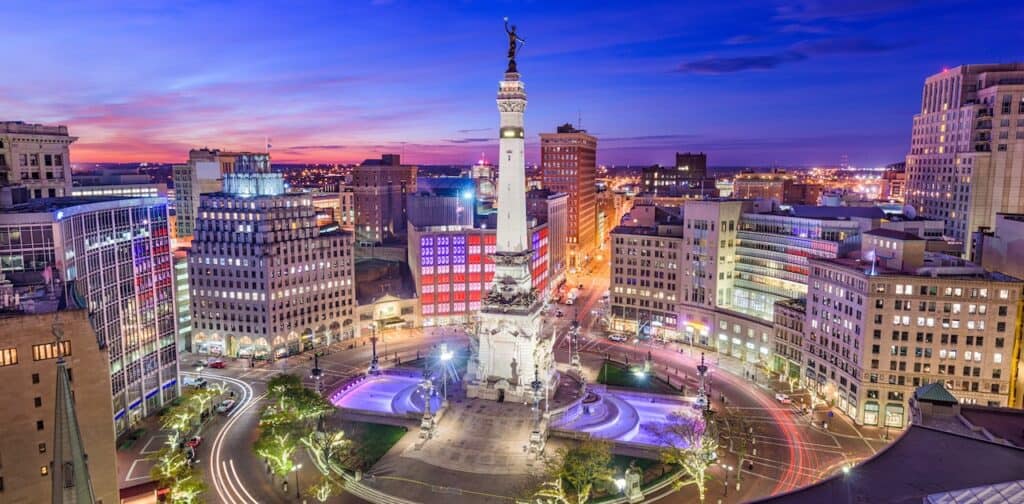
Beyond traditional software, Indianapolis is leveraging its historical strengths to lead in emerging technological fields. The city is increasingly known for the “Industrial IoT” and the intersection of data with physical industries.
Leveraging the Indy 500 for Advanced Engineering and Data Analytics
Indianapolis is the “Racing Capital of the World,” and in the 21st century, racing is a data science. The city is a global leader in SportsTech, particularly in the realm of vehicle telematics and performance analytics. Companies and organizations associated with the Indianapolis Motor Speedway are at the forefront of autonomous vehicle research.
The Indy Autonomous Challenge, which features self-driving race cars hitting speeds of over 170 mph, is a testament to the city’s leadership in AI and edge computing. This isn’t just about entertainment; the sensors and algorithms developed for these races are being applied to the broader automotive and logistics industries, making Indy a focal point for the future of transportation tech.
The Intersection of Agriculture and Digital Transformation
Indiana is a powerhouse in the agricultural sector, and Indianapolis serves as the brain center for “AgTech.” With organizations like AgriNovus Indiana leading the charge, the city is a hub for startups focusing on crop science, drone-based field mapping, and supply chain transparency.
By applying AI and machine learning to the challenges of global food security, Indianapolis-based companies are solving some of the world’s most pressing problems. This niche expertise has made the city a primary site for digital transformation in the biological sciences, bolstered by the presence of global giants like Corteva Agriscience.
Talent Pipelines and the Digital Infrastructure
A tech hub is only as strong as its talent, and Indianapolis is known for having one of the most efficient “brain gain” engines in the United States.
Academic Engines: Purdue, IU, and Rose-Hulman
Indianapolis sits at the center of a triangle of academic excellence. Purdue University (ranked among the best in the world for engineering and computer science), Indiana University (a leader in informatics and cybersecurity), and Rose-Hulman Institute of Technology (frequently ranked as the #1 undergraduate engineering college) provide a steady stream of highly skilled graduates.
The “Next Level” initiatives by the state government have also focused on digital infrastructure, ensuring that high-speed fiber and 5G connectivity are pervasive throughout the Indianapolis metro area. This commitment to physical tech infrastructure has made the city an attractive location for data centers and high-frequency trading operations.
Why Remote Tech Workers are Flocking to the Circle City
In the post-pandemic era of remote work, Indianapolis has gained a new reputation as a “Zoom Town” that actually has a tech soul. The city offers a high quality of life with a cost of living that is a fraction of San Francisco or New York.
For a software engineer, moving to Indianapolis often means the ability to buy a home while still working on cutting-edge AI or cloud architecture. This influx of “coastal” talent has further diversified the local skill set, bringing in perspectives from Google, Meta, and Amazon into the local ecosystem.
The Future of the Indy Tech Scene: Challenges and Opportunities
As Indianapolis continues to mature, it faces the challenges of any growing tech hub: the need for increased diversity in the tech workforce, the pressure on housing prices, and the constant demand for more late-stage venture capital.
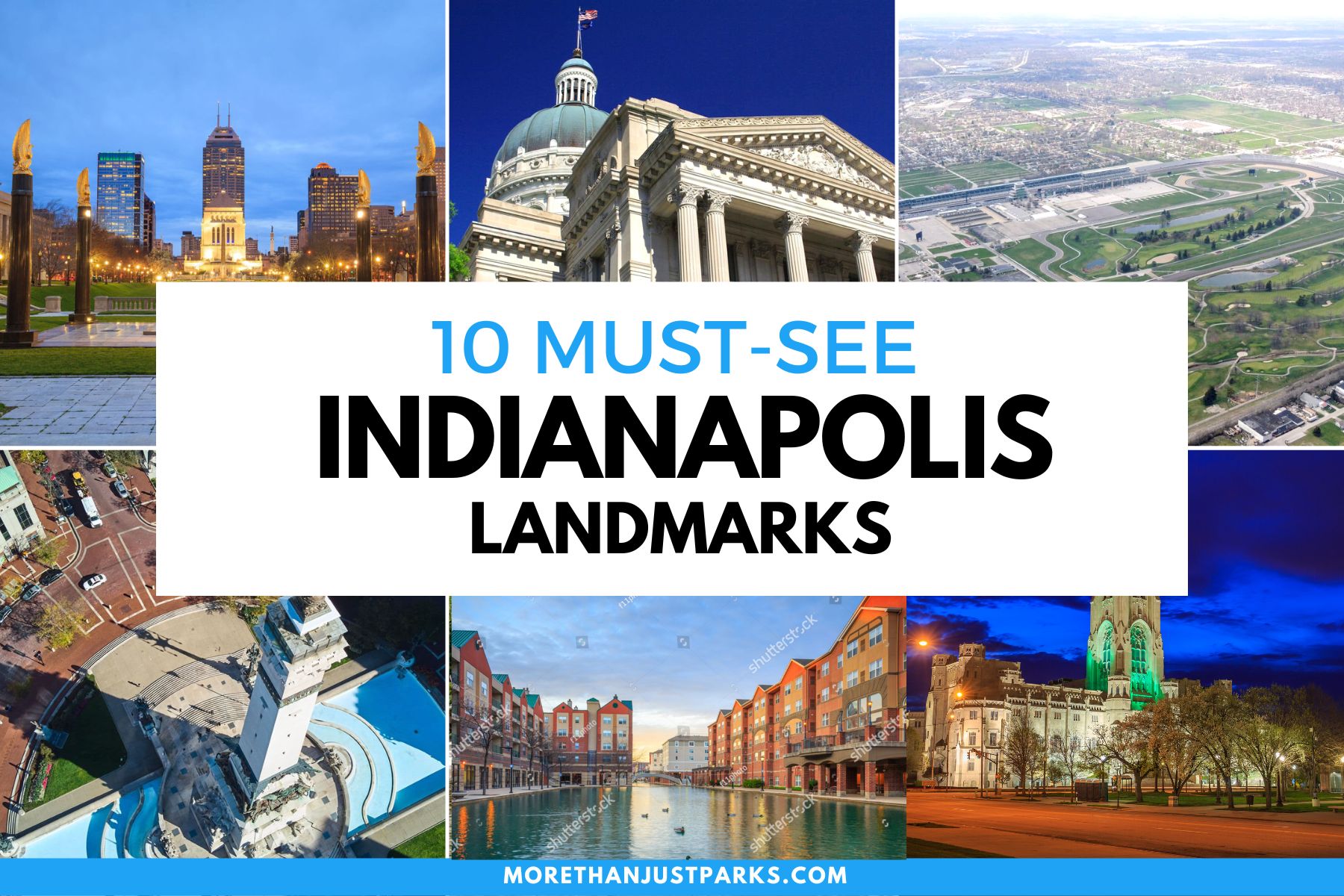
However, the city’s trajectory remains upward. With the state’s aggressive investment in the “LEAP” Research and Innovation District and the ongoing expansion of the 16 Tech Innovation District—a 50-acre live-work-play community dedicated to the life sciences and technology—Indianapolis is doubling down on its digital future.
What is Indianapolis known for? It is known for being a city that proved the Midwest could compete on a global stage. It is known for a collaborative “pay-it-forward” culture where successful founders mentor the next generation. Most importantly, it is known as the headquarters of the Silicon Prairie, where the next generation of enterprise technology is being built every day. From the roaring engines of the Speedway to the quiet hum of data centers, Indianapolis is a city where tradition meets the cutting edge of the digital economy.
aViewFromTheCave is a participant in the Amazon Services LLC Associates Program, an affiliate advertising program designed to provide a means for sites to earn advertising fees by advertising and linking to Amazon.com. Amazon, the Amazon logo, AmazonSupply, and the AmazonSupply logo are trademarks of Amazon.com, Inc. or its affiliates. As an Amazon Associate we earn affiliate commissions from qualifying purchases.