
The name “Viagra” is instantly recognizable, evoking discussions about sexual health and pharmaceutical innovation. While its primary function is well-known, a deeper understanding of what lies within this little blue pill, how it works, and its broader implications requires looking beyond its immediate use. This article will explore the scientific composition of Viagra, its revolutionary mechanism of action, and the significant market impact it has had, framed within the context of technological advancements, branding strategies, and economic considerations.
The Active Ingredient: Unpacking Sildenafil Citrate
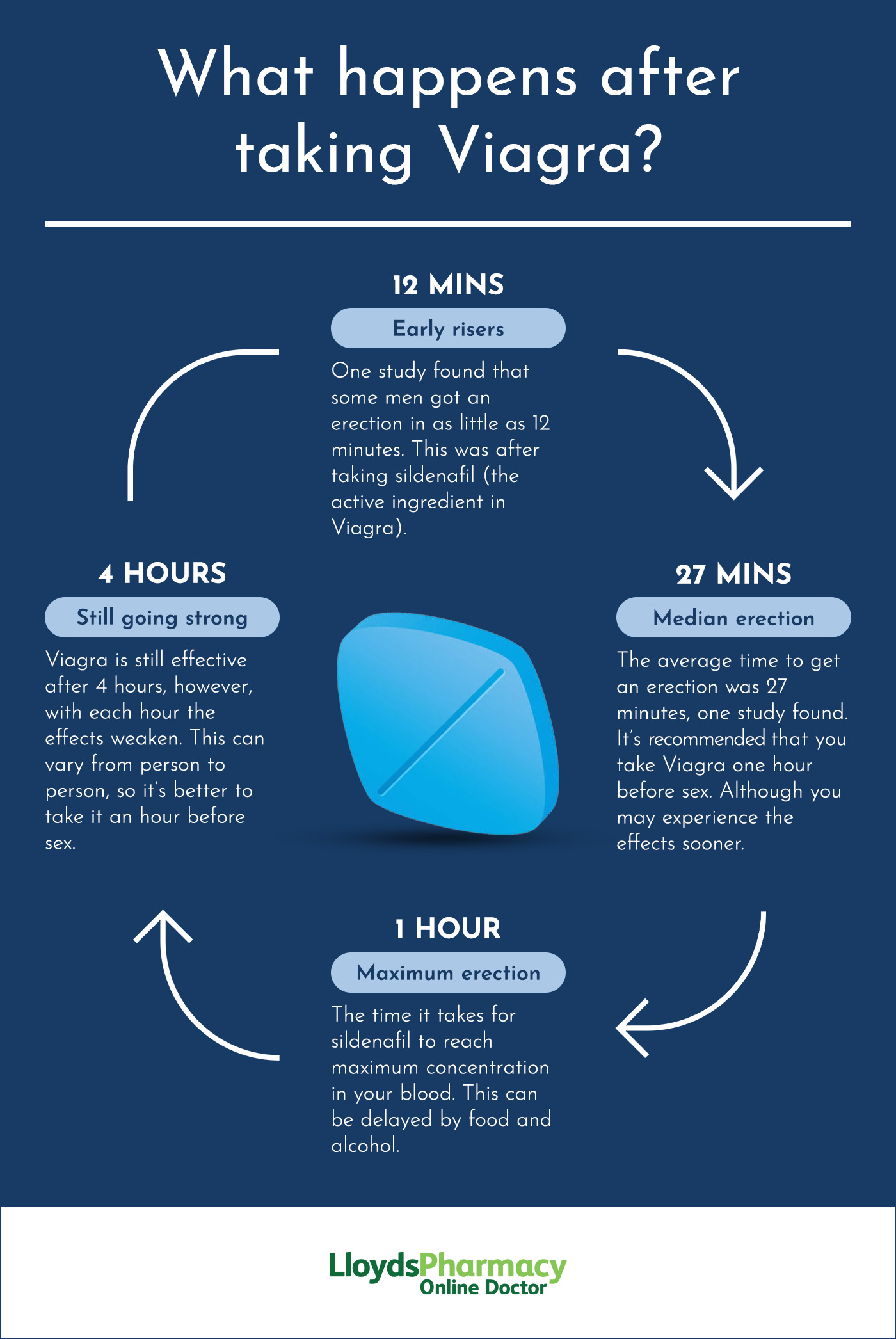
At its core, the effectiveness of Viagra stems from a single, potent chemical compound: sildenafil citrate. Understanding this molecule is the first step in demystifying the drug. Sildenafil is classified as a phosphodiesterase type 5 (PDE5) inhibitor. This designation is crucial because it explains precisely how sildenafil interacts with the body to achieve its intended effect.
How PDE5 Inhibition Works
To appreciate the significance of sildenafil citrate, we must first understand the biological processes involved in achieving an erection. An erection is a physiological response that requires increased blood flow to the penis. This blood flow is regulated by a complex interplay of nerves, muscles, and blood vessels.
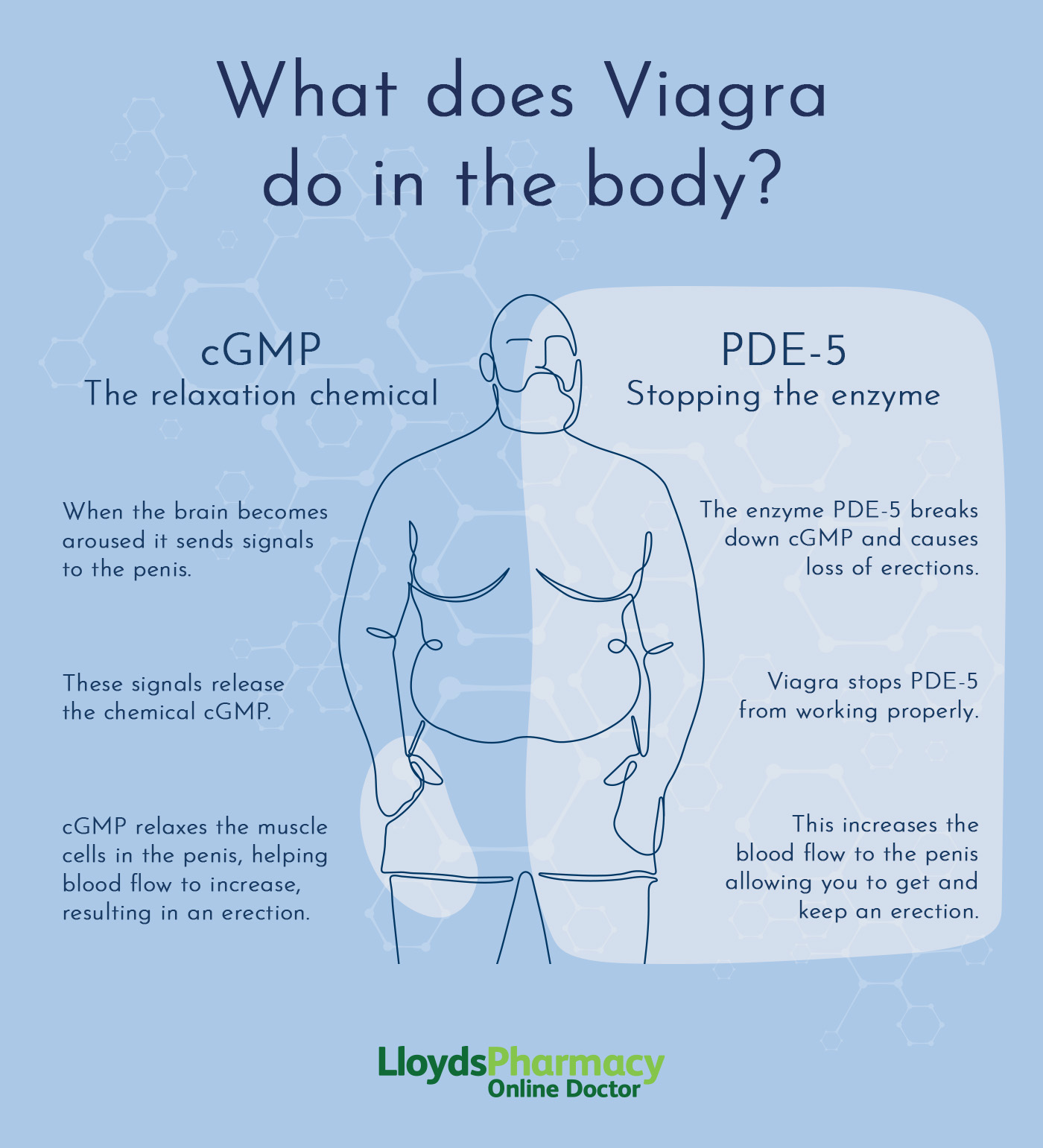
When a man is sexually stimulated, nerve signals trigger the release of nitric oxide (NO) in the corpus cavernosum, the spongy erectile tissue of the penis. Nitric oxide, in turn, activates an enzyme called guanylate cyclase. This enzyme increases the levels of cyclic guanosine monophosphate (cGMP) within the smooth muscle cells of the penile arteries.
CGMP plays a vital role in vasodilation – the widening of blood vessels. As cGMP levels rise, the smooth muscles in the penile arteries relax, allowing more blood to flow into the corpus cavernosum. This influx of blood causes the penis to become engorged and firm, resulting in an erection.
However, the erection needs to be maintained for sexual activity. This is where another enzyme, phosphodiesterase type 5 (PDE5), comes into play. PDE5’s job is to break down cGMP, thereby reducing its concentration and leading to the constriction of blood vessels and the eventual loss of an erection.
This is where sildenafil citrate intervenes. As a PDE5 inhibitor, sildenafil’s primary function is to block the action of the PDE5 enzyme. By inhibiting PDE5, sildenafil prevents the premature breakdown of cGMP. This sustained elevation of cGMP levels allows for increased and prolonged blood flow to the penis, making it easier to achieve and maintain an erection in response to sexual stimulation.
It’s important to emphasize that sildenafil citrate itself does not directly cause an erection. It is not an aphrodisiac and does not increase sexual desire. Its efficacy is entirely dependent on the presence of sexual stimulation, which initiates the cascade of events that lead to nitric oxide release. Without sexual arousal, sildenafil has no effect.
Beyond the Active Ingredient: Formulations and Excipients
While sildenafil citrate is the star of the show, a pharmaceutical tablet is a complex formulation. Beyond the active pharmaceutical ingredient (API), Viagra also contains a variety of inactive ingredients, known as excipients. These excipients are crucial for several reasons:
- Tablet Formation: They help bind the ingredients together, giving the tablet its shape and structural integrity. Common binders include microcrystalline cellulose and calcium phosphate.
- Disintegration: Excipients facilitate the tablet’s breakdown in the digestive system, allowing the sildenafil citrate to be absorbed into the bloodstream. Croscarmellose sodium is often used as a disintegrant.
- Lubrication: Ingredients like magnesium stearate prevent the mixture from sticking to the manufacturing equipment during the tablet pressing process.
- Coating: The characteristic blue color of Viagra is due to a specific coating, often containing titanium dioxide for opacity and various dyes (like indigo carmine and aluminum blue lake) for color. The coating can also make the tablet easier to swallow and can protect the active ingredient from degradation.
- Stabilizers: Other excipients may be included to enhance the stability of the formulation and ensure its shelf life.
These excipients, while not pharmacologically active, are essential for the drug’s delivery, stability, and patient experience. Their selection is a meticulous process guided by pharmaceutical science and regulatory requirements.
The Technological and Scientific Revolution Behind Viagra
The development of Viagra was not a serendipitous accident but a culmination of rigorous scientific research and technological advancement in medicinal chemistry and pharmacology. Its journey from a potential heart medication to a revolutionary drug for erectile dysfunction highlights the iterative nature of scientific discovery.
From Cardiovascular Research to Erectile Dysfunction
Originally, sildenafil was being investigated by Pfizer for its potential to treat cardiovascular conditions, specifically hypertension and angina. Researchers were looking for compounds that could inhibit PDE enzymes in smooth muscle tissues. During clinical trials, it became apparent that participants were experiencing an unexpected side effect: erections. This observation, coupled with the understanding of cGMP’s role in penile physiology, shifted the research focus.
This pivot exemplifies how technological tools in drug discovery, such as high-throughput screening and advanced molecular modeling, allow scientists to identify novel applications for existing compounds. The ability to analyze biological pathways and understand enzyme interactions at a molecular level was critical in recognizing the potential of sildenafil for a condition previously with limited effective treatments.
Advancements in Pharmaceutical Manufacturing
The mass production of sildenafil citrate in a consistent and safe manner relies on sophisticated pharmaceutical manufacturing technologies. This involves:
- Chemical Synthesis: Developing efficient and scalable chemical processes to synthesize sildenafil citrate with high purity. This often involves multi-step reactions requiring precise control of temperature, pressure, and reagents.
- Formulation Science: Utilizing advanced techniques to combine the active ingredient with excipients, ensuring proper dosage, bioavailability, and stability.
- Quality Control: Implementing stringent quality control measures at every stage of production, from raw material testing to finished product analysis, to guarantee the safety and efficacy of each tablet. This relies on analytical technologies like chromatography and spectroscopy.
The ability to scale up production from laboratory bench to global distribution is a testament to advancements in chemical engineering and industrial pharmaceutical processes.
The Brand Power of Viagra: Marketing, Identity, and Market Dominance
The success of Viagra extends far beyond its chemical composition and scientific efficacy. Its introduction fundamentally reshaped the market for male sexual health products, and its brand became synonymous with the treatment of erectile dysfunction. This phenomenon is a prime example of effective brand strategy and marketing in the pharmaceutical industry.
Building a Global Icon: Brand Strategy and Positioning
When Viagra was launched in 1998, the treatment of erectile dysfunction was largely stigmatized and poorly addressed. Pfizer’s marketing strategy was groundbreaking. They:
- De-stigmatized the Condition: By directly addressing erectile dysfunction and positioning Viagra as a legitimate medical solution, Pfizer helped to bring the issue into the open, encouraging men to seek help.
- Created a Distinctive Identity: The distinctive blue pill, the memorable name “Viagra” (a portmanteau of “vigor” and “Niagara”), and the associated advertising campaigns created a powerful and easily recognizable brand.
- Focused on Empowerment: The messaging often centered on restoring confidence, intimacy, and quality of life, resonating with men and their partners.
- Targeted a Broad Audience: While initially aimed at older men, the marketing eventually broadened to acknowledge that ED can affect men of all ages.
This strategic approach allowed Viagra to capture a dominant market share and become a household name. The brand’s identity was built not just on its pharmaceutical function but on the emotional and psychological benefits it offered.
The Economic Impact: Market Creation and Competition
The introduction of Viagra had a profound economic impact, creating an entirely new market segment for prescription medications treating erectile dysfunction.
- Market Size and Growth: Viagra’s success demonstrated a significant unmet need, leading to billions of dollars in revenue for Pfizer and inspiring the development of competing PDE5 inhibitors.
- Patent Expiration and Generics: Like all patented drugs, Viagra eventually faced patent expiration. This opened the door for generic versions of sildenafil citrate to enter the market, leading to increased competition and lower prices. The competition from generic sildenafil further underscores the enduring demand and economic viability of treating ED.
- Brand Loyalty vs. Price: Even with the availability of generics, the original Viagra brand has maintained a degree of loyalty, showcasing the enduring power of established brands in consumer perception, even in the face of lower-cost alternatives. This is a classic case study in how brand equity can influence purchasing decisions.
The economic narrative of Viagra is not just about drug sales; it’s about the creation of a market, the dynamics of patent protection and generic competition, and the significant revenue generated by a single, highly effective pharmaceutical product.
Conclusion: More Than Just a Pill
“What is in Viagra?” is a question that leads us down a fascinating path. It’s a journey that begins with the precise chemical structure of sildenafil citrate, delves into the intricate biological mechanisms it manipulates, and extends to the monumental impact it has had on a global market. From the cutting-edge technology that facilitated its discovery and production to the masterful branding that made it a cultural icon, Viagra is a testament to scientific innovation, strategic marketing, and the economic power of addressing a widespread human need. The little blue pill is far more than just medication; it’s a case study in modern medicine, business, and societal change.
aViewFromTheCave is a participant in the Amazon Services LLC Associates Program, an affiliate advertising program designed to provide a means for sites to earn advertising fees by advertising and linking to Amazon.com. Amazon, the Amazon logo, AmazonSupply, and the AmazonSupply logo are trademarks of Amazon.com, Inc. or its affiliates. As an Amazon Associate we earn affiliate commissions from qualifying purchases.