
The world of vaping, once a niche curiosity, has exploded into a mainstream phenomenon. From sleek, minimalist devices to complex, customizable rigs, the technology behind electronic cigarettes, or vapes, has rapidly advanced. However, beyond the sleek hardware and the seemingly endless flavor options, a fundamental question remains for many: what exactly is in the liquid that powers these devices, commonly referred to as “vape juice” or “e-liquid”? Understanding the composition of vape juice is crucial not only for informed consumption but also for appreciating the underlying technological principles that enable its vaporization and delivery. This article delves into the chemical makeup of vape juice, exploring the function and technological significance of each key ingredient.

The Core Components: Propylene Glycol and Vegetable Glycerin
At the heart of every vape juice are two primary base liquids: propylene glycol (PG) and vegetable glycerin (VG). These are food-grade substances, meaning they are generally recognized as safe for consumption, a characteristic that has contributed to their widespread use in various industries, including food, pharmaceuticals, and cosmetics. Their presence in vape juice is not arbitrary; they serve distinct, technologically driven purposes in the vaporization process.
Propylene Glycol (PG): The Carrier of Flavor and Sensation
Propylene Glycol is a synthetic organic compound that is a viscous, colorless liquid with a faint, sweet odor. Its primary role in vape juice is to act as a carrier for flavorings and nicotine. PG has a lower viscosity than VG, which allows it to be easily absorbed by the wick material within the vape device’s atomizer. This efficient absorption is critical for consistent vaporization.
From a technological perspective, PG’s ability to carry flavor molecules is paramount. It enhances the perceived taste of the e-liquid, delivering a sharper, more pronounced flavor profile. Furthermore, PG contributes to the “throat hit,” the sensation felt in the back of the throat during inhalation. This sensation mimics the experience of smoking traditional cigarettes, making it a desirable characteristic for many vapers, particularly those transitioning from combustible tobacco. The chemical structure of PG allows it to bind effectively with aromatic compounds, ensuring that when heated, these flavors are released and carried into the vapor stream. The efficiency of this process is a testament to the controlled chemical interactions at play within the device.
The viscosity of PG also plays a role in the overall performance of the vape device. Lower viscosity liquids can flow more readily, reducing the risk of “dry hits” – a harsh, burnt taste caused by the wick not being sufficiently saturated with liquid. This ease of flow is a subtle yet important engineering consideration in the design of vape systems.
Vegetable Glycerin (VG): The Engine of Vapor Production
Vegetable Glycerin is a simple polyol compound, a sugar alcohol derived from plant oils, most commonly soybeans, coconut, or palm oil. It is a colorless, odorless, and viscous liquid that is significantly thicker than PG. The primary function of VG in vape juice is to produce vapor. When heated, VG undergoes a process called pyrolysis, breaking down into water vapor and other byproducts, creating the visible aerosol that users inhale.
The high viscosity of VG is crucial for creating dense, visible clouds of vapor. This is a key aesthetic and experiential component for many vapers, and the development of devices capable of efficiently vaporizing high-VG liquids has been a significant area of technological innovation. Devices designed for high-VG e-liquids often feature larger wicking channels and more powerful heating elements to effectively atomize the thicker liquid.
Beyond vapor production, VG also contributes a smoother, less abrasive sensation to the throat hit compared to PG. This makes it a preferred component for vapers who are sensitive to PG or who seek a less intense inhalation experience. The balance between PG and VG in a vape juice formulation is a carefully engineered decision, often tailored to specific vaping preferences and device capabilities. For example, a high-VG blend might be ideal for sub-ohm tanks designed for cloud chasing, while a higher-PG blend might be preferred for mouth-to-lung devices that mimic the draw of a cigarette.
Flavorings and Nicotine: The Customization and Delivery Systems
While PG and VG form the base of vape juice, it is the addition of flavorings and nicotine that provides the user with choice, customization, and the desired physiological effect. The scientific principles behind the selection and incorporation of these components are integral to the technological appeal and market penetration of vaping.
Flavorings: The Art and Science of Aroma
The vast array of flavors available in vape juices is a testament to the advancements in food-grade flavor chemistry and the ingenuity of e-liquid manufacturers. These flavorings are typically concentrated, food-grade chemical compounds, often identical to those used in the food and beverage industry. They can be natural extracts, synthetic compounds, or a combination of both.
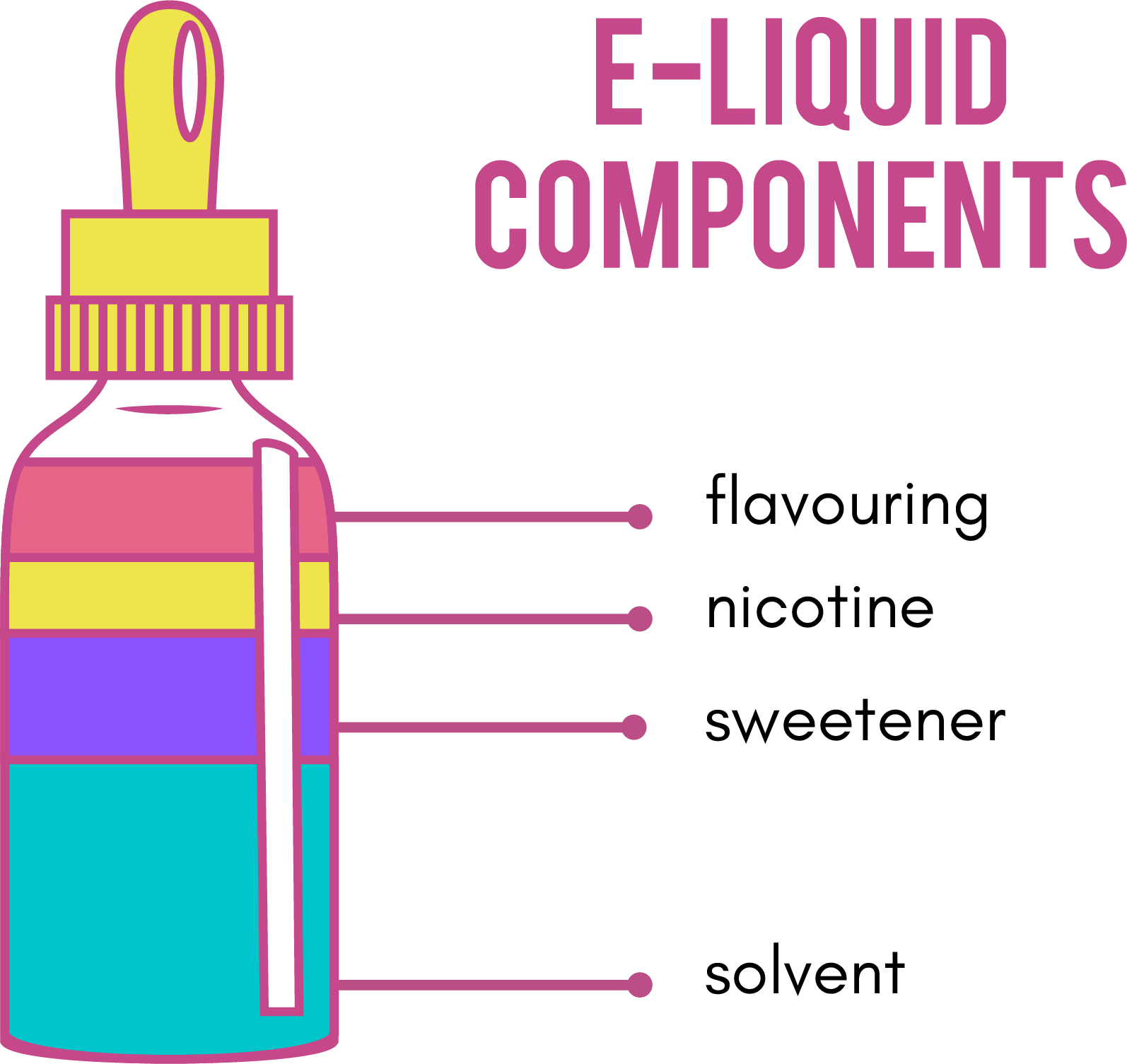
The technology of flavor delivery in vaping relies on the ability of PG to efficiently carry these flavor molecules. When the e-liquid is heated, the volatile flavor compounds vaporize alongside the PG and VG, delivering their aromatic properties to the user. The complexity lies in creating nuanced and appealing flavor profiles, often achieved by blending multiple individual flavor concentrates. This involves understanding the chemical interactions between different flavor compounds and how they behave under vaporization temperatures.
The development of new and innovative flavor profiles is a continuous process driven by consumer demand and the pursuit of unique sensory experiences. This area of vaping technology bridges the gap between chemistry and sensory science, with manufacturers constantly researching new compounds and blending techniques to create distinct tastes, from the familiar notes of tobacco and fruits to the more exotic and imaginative. The precise measurement and blending of these flavor concentrates are critical for consistency and quality control, often involving sophisticated laboratory equipment and meticulous formulation processes.
Nicotine: The Pharmaceutical Component
Nicotine is an alkaloid found in tobacco plants and is the primary addictive substance in cigarettes. In vape juice, nicotine is typically added in a liquid form, either as freebase nicotine or nicotine salts. The concentration of nicotine in vape juice is carefully controlled and varies widely, allowing users to gradually reduce their intake or maintain a specific level.
From a technological standpoint, the delivery of nicotine via vaping involves its efficient vaporization and absorption into the bloodstream through the lungs. Nicotine itself has a boiling point of 247 °C (477 °F), which is well within the operational temperature range of most vape devices. The form of nicotine used significantly impacts the vaping experience.
Freebase nicotine is the traditional form and is known for providing a stronger throat hit, which can be desirable for some users. However, at higher concentrations, it can be quite harsh. Nicotine salts, on the other hand, are derived from nicotine naturally found in tobacco leaves and are often mixed with an acid (like benzoic acid) to lower their pH. This chemical modification results in a smoother inhalation experience, even at higher nicotine concentrations, making it more appealing to former smokers accustomed to the less irritating sensation of cigarettes. The development and widespread adoption of nicotine salts represent a significant technological advancement in vape juice formulation, enhancing user comfort and enabling more effective nicotine delivery.
The precise control over nicotine concentration is also a key technological aspect. Manufacturers adhere to strict regulations regarding nicotine levels, and the accurate measurement and mixing of nicotine into e-liquids are crucial for product safety and consumer trust. This requires sophisticated analytical techniques and rigorous quality assurance protocols.
Additives and Other Ingredients: Enhancing Performance and Safety
Beyond the core components and active ingredients, vape juice may also contain a variety of other additives. These are often present in small quantities but can play important roles in enhancing the overall performance, stability, and safety of the e-liquid. The careful selection and integration of these ingredients are informed by chemical engineering principles and a commitment to product efficacy.
Stabilizers and Preservatives: Ensuring Longevity and Quality
While PG and VG are relatively stable, certain flavorings and even nicotine can degrade over time, especially when exposed to light and air. Manufacturers may include small amounts of stabilizers or preservatives to extend the shelf life of the vape juice and maintain its quality. These are typically food-grade substances chosen for their inertness and compatibility with other e-liquid components.
The role of these additives is to prevent unwanted chemical reactions that could alter the flavor, color, or efficacy of the product. For instance, certain antioxidants might be added to prevent the oxidation of flavor compounds, thereby preserving the intended taste profile. The careful selection of these additives is a crucial aspect of product development, ensuring that the e-liquid remains consistent and safe from the point of manufacture to the point of consumption.
Colorants: Aesthetic Appeal and Product Differentiation
In some cases, manufacturers may add food-grade colorants to vape juice to enhance its visual appeal and differentiate their products. While not essential for the vaping process itself, color can contribute to the overall consumer experience and brand identity. The use of colorants in e-liquids is subject to strict regulations, ensuring that only safe, approved substances are used. The chemical properties of these colorants are important; they must be stable under the heat generated during vaporization and should not interact negatively with other e-liquid components.
The technological aspect here lies in the careful selection of colorants that are soluble in the PG/VG base and maintain their hue when subjected to heat. This requires an understanding of the chromophores (the part of a molecule responsible for its color) and their stability under varying conditions.

Conclusion: The Chemical Engineering of a Modern Commodity
The question of “what is in vape juice” leads us on a journey through applied chemistry and chemical engineering. Far from being a simple mixture, vape juice is a carefully formulated product designed to leverage the unique properties of its ingredients for controlled vaporization and delivery. Propylene glycol acts as a flavor carrier and facilitates vapor production, while vegetable glycerin is the primary engine for creating dense, visible vapor. The addition of carefully selected flavorings and forms of nicotine allows for personalized experiences, and the inclusion of subtle additives ensures quality, stability, and aesthetic appeal. As the vaping industry continues to evolve, so too will the scientific understanding and technological sophistication behind the liquids that power it, promising further innovation in formulation and user experience.
aViewFromTheCave is a participant in the Amazon Services LLC Associates Program, an affiliate advertising program designed to provide a means for sites to earn advertising fees by advertising and linking to Amazon.com. Amazon, the Amazon logo, AmazonSupply, and the AmazonSupply logo are trademarks of Amazon.com, Inc. or its affiliates. As an Amazon Associate we earn affiliate commissions from qualifying purchases.