
In the hyper-competitive landscape of global quick-service restaurants (QSR), few products command as much brand equity as Burger King’s signature sandwich. When consumers ask, “What is in the Whopper?” they are rarely inquiring merely about the nutritional calorie count or a list of physical ingredients. From a brand strategy perspective, the “Whopper” represents a complex assembly of marketing ingenuity, product positioning, and a masterclass in corporate identity.
The Whopper is not just a sandwich; it is the cornerstone of Burger King’s multi-billion-dollar brand architecture. To understand what is truly in the Whopper, one must look past the flame-grilled beef and sesame seed bun to analyze the strategic layers that have allowed this product to sustain its relevance for over six decades.
The Anatomy of an Icon: Why the Whopper is the Foundation of Burger King’s Brand
At the heart of every successful corporate identity is a “hero product”—a single offering that encapsulates the brand’s values and serves as the primary touchpoint for the consumer. For Burger King, the Whopper has served this role since 1957. What makes this product a branding powerhouse is the consistency of its core promise combined with a unique value proposition that distinguishes it from its chief rival, McDonald’s Big Mac.
The “Flame-Grilled” Value Proposition
The most significant “ingredient” in the Whopper’s brand DNA is the method of preparation. “Flame-grilled” is more than a culinary technique; it is a proprietary brand asset. By focusing on the open flame, Burger King positions itself as the “authentic” alternative to the griddle-cooked patties of its competitors. This sensory branding—evoking the smell and imagery of a backyard barbecue—creates an emotional connection with consumers that transcends the utility of a fast-food meal.
Differentiation through Customization (“Have It Your Way”)
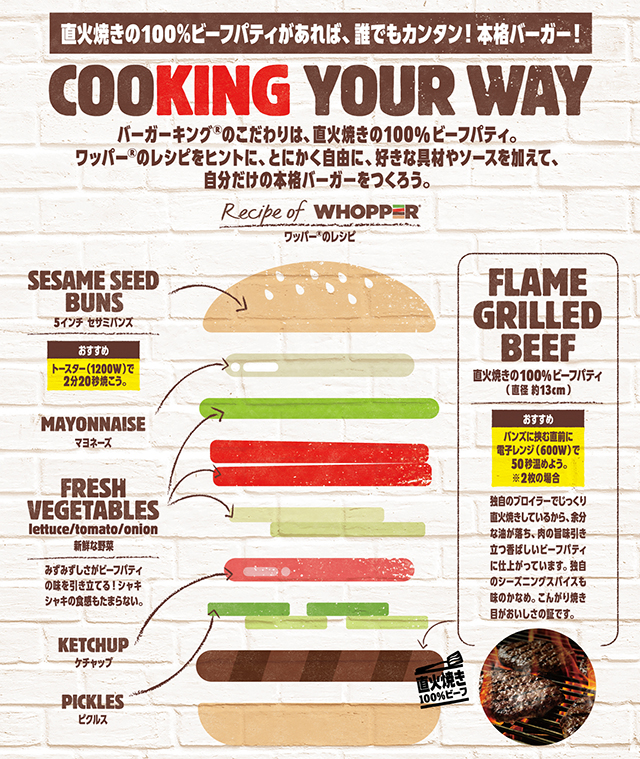
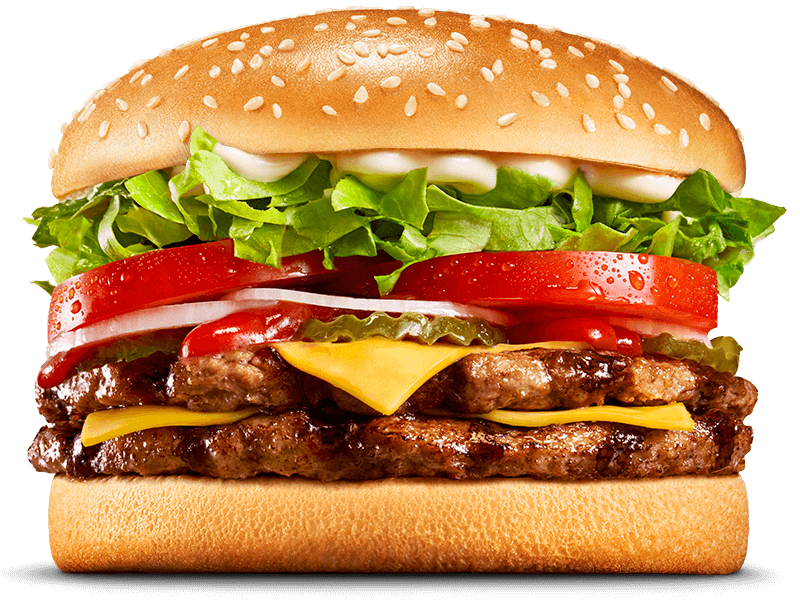
While the physical components of the Whopper—beef, tomatoes, lettuce, mayo, ketchup, pickles, and onions—are standard, the brand’s “Have It Your Way” campaign turned these ingredients into a symbol of consumer empowerment. In the 1970s, this was a revolutionary marketing move. By allowing customers to remove or add ingredients, Burger King moved away from the “one-size-fits-all” assembly line model of its competitors. This personalization became a core pillar of the Whopper’s identity, signaling a brand that respects individual choice.
Transparency as a Marketing Weapon: The Clean Label Transformation
In recent years, the question of “what is in the Whopper” took on a more literal, health-conscious meaning. As global consumer trends shifted toward “clean eating” and transparency, Burger King faced a critical brand challenge. The company’s response was a daring pivot that utilized product transparency as a competitive advantage.
Removing Artificial Preservatives: The “Moldy Whopper” Case Study
In 2020, Burger King launched one of the most controversial and celebrated marketing campaigns in recent history: the “Moldy Whopper.” The campaign featured high-resolution time-lapse photography of a Whopper decomposing over 34 days. While showing rotting food seems counterintuitive for a restaurant brand, the strategic intent was brilliant.
By showcasing the decay, Burger King provided visual proof that they had removed artificial preservatives from their flagship product. This campaign addressed the growing consumer distrust of processed foods. It turned the “ingredients” of the Whopper into a narrative of honesty and quality, positioning the brand as a leader in the shift toward “Real Food.”
Building Consumer Trust in the Fast-Food Era
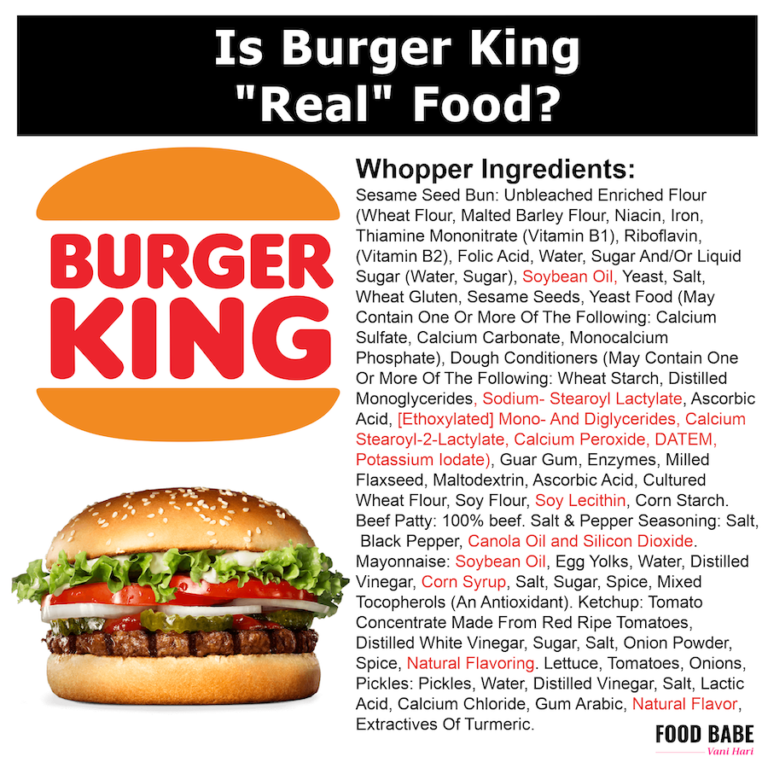
The “Clean Whopper” initiative was not just a one-off ad; it was a fundamental shift in corporate identity. By listing ingredients clearly on packaging and digital platforms, Burger King leveraged the “What’s Inside” question to build long-term brand loyalty. This transparency serves as a “trust signal,” assuring a skeptical public that the brand is evolving alongside their health and environmental concerns.
The Evolution of the Whopper Ecosystem: From Beef to Plant-Based
A brand that fails to evolve eventually becomes a relic. The Whopper’s longevity is largely due to its ability to adapt to shifting cultural landscapes without losing its core identity. The introduction of the “Impossible Whopper” represents one of the most significant brand expansions in the history of the QSR industry.
The Impossible Whopper and Brand Expansion
When Burger King partnered with Impossible Foods to launch a plant-based version of their signature sandwich, they were not just adding a menu item; they were future-proofing the brand. The genius of the Impossible Whopper lay in its branding: it wasn’t marketed as a “veggie burger” for a niche audience. Instead, it was marketed as a Whopper that happened to be made from plants.
The brand promise remained identical: “100% Whopper, 0% Beef.” This allowed Burger King to capture a new demographic of “flexitarians” and environmentally conscious consumers without alienating their core meat-loving fan base. It proved that the “Whopper” brand was strong enough to transcend the specific protein used in its construction.
Balancing Heritage with Modern Consumer Values
This evolution highlights a delicate balancing act in brand strategy. A brand must maintain its heritage (the flame-grilled taste) while embracing modern values (sustainability and plant-based options). By integrating the Impossible Whopper into the main brand architecture rather than a sub-brand, Burger King reinforced the idea that the Whopper is an experience, not just a set of physical ingredients.
The Competitive Landscape: Whopper vs. The Big Mac
No analysis of the Whopper’s brand identity is complete without acknowledging its perpetual rivalry with the Big Mac. In the world of marketing, these two sandwiches represent two entirely different philosophies of product positioning.
Product Positioning and “The Burger Wars”
The Big Mac is defined by its structure—the middle bun, the secret sauce, and the tiered assembly. It is a product of consistency and process. The Whopper, conversely, is defined by its size and its “realness.” The name itself, “Whopper,” implies something large, substantial, and impressive.
Burger King’s brand strategy often involves “punching up” at its larger competitor. Campaigns like the “Whopper Detour,” which used geofencing tech to offer 1-cent Whoppers to customers standing near a McDonald’s, leverage the Whopper’s identity as the “rebel” choice. This aggressive, challenger-brand positioning is baked into the Whopper’s marketing, making it a symbol of disruption in the fast-food category.
Cultural Impact and Brand Salience
The Whopper has achieved a level of “brand salience” where it exists as a cultural icon. It has been referenced in film, music, and art, often serving as a shorthand for American consumerism. This cultural footprint is a vital part of what is “in” the Whopper. When a customer buys one, they are buying into a piece of pop culture history. This intangible value is what allows Burger King to maintain a premium position in the market despite the rise of “gourmet” burger chains.
Conclusion: The Future of the Whopper Brand
As we look toward the future of brand strategy, the Whopper remains a primary case study in how to manage a legacy asset. It has successfully navigated the transition from the era of mass marketing to the era of digital personalization and social responsibility.
What is in the Whopper? On the surface, it is a combination of beef, bread, and vegetables. But beneath that surface, it is a sophisticated blend of flame-grilled heritage, radical transparency, adaptive innovation, and aggressive competitive positioning.
For brand managers and marketers, the lesson of the Whopper is clear: a product becomes an icon when its ingredients include more than just raw materials. It requires a clear value proposition, the courage to be honest with the consumer, and the agility to evolve without losing the essence of what made the brand great in the first place. As Burger King continues to refine its corporate identity, the Whopper will undoubtedly remain the flame-grilled heart of its global strategy.
aViewFromTheCave is a participant in the Amazon Services LLC Associates Program, an affiliate advertising program designed to provide a means for sites to earn advertising fees by advertising and linking to Amazon.com. Amazon, the Amazon logo, AmazonSupply, and the AmazonSupply logo are trademarks of Amazon.com, Inc. or its affiliates. As an Amazon Associate we earn affiliate commissions from qualifying purchases.