
For decades, the mention of Pittsburgh, Pennsylvania, conjured images of towering blast furnaces, thick smoke, and the industrial grit of the world’s steel capital. However, the 21st century has seen a radical metamorphosis. Today, if you ask “what is in Pittsburgh,” the answer is no longer found in the traditional assembly line, but within the sophisticated algorithms of autonomous vehicles, the laboratories of world-class research institutions, and a thriving ecosystem of software engineering and artificial intelligence. Pittsburgh has successfully transitioned from the “Steel City” to a premier global tech hub, often referred to as the “Silicon Steel City.”
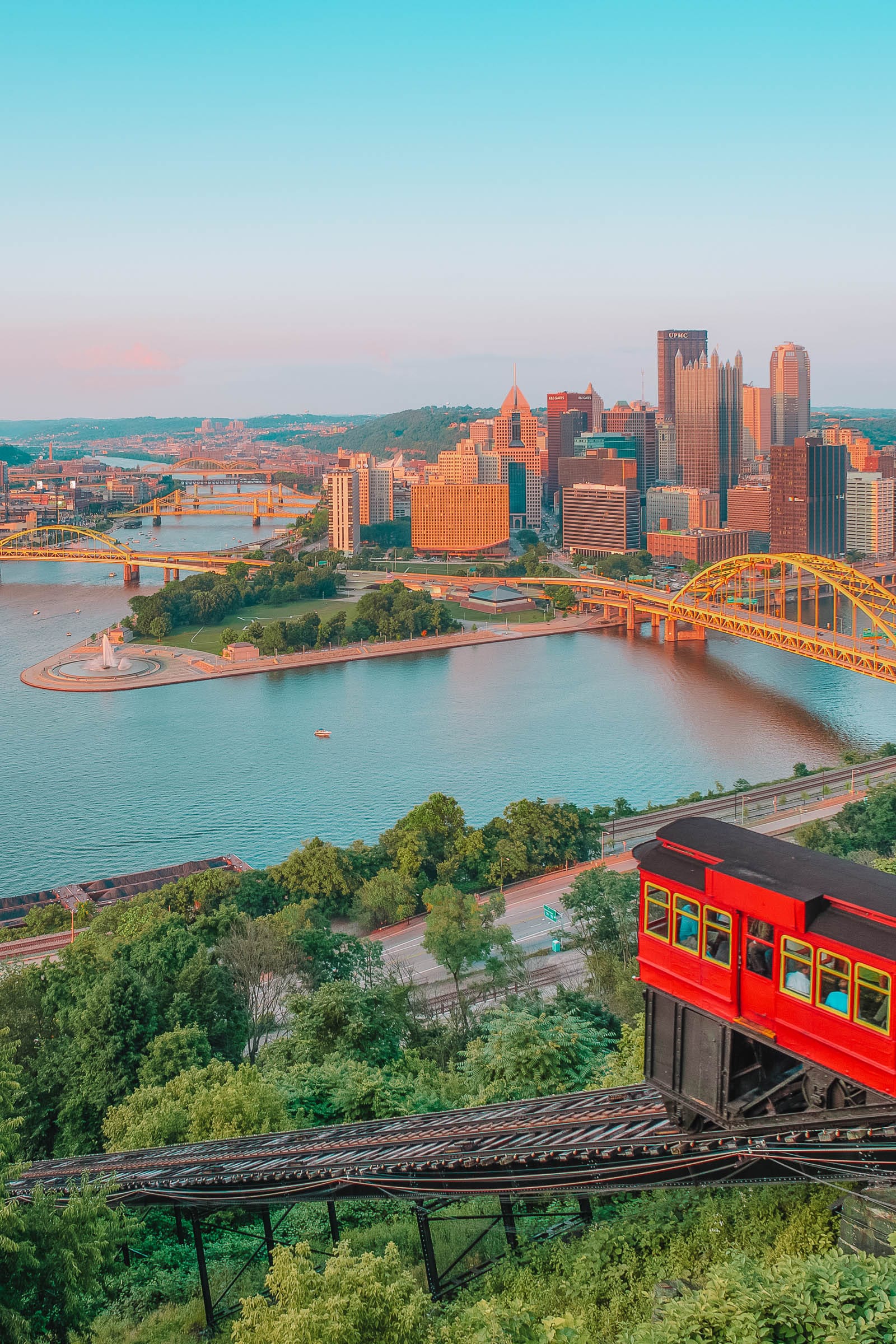
This transformation was not accidental. It is the result of a unique synergy between academic excellence, strategic venture capital, and a legacy of hard-nosed engineering. To understand the current technological landscape of Pittsburgh, one must look deep into the sectors of robotics, AI, healthcare technology, and the burgeoning software startup scene that defines the region today.
The Foundations of Innovation: Why Pittsburgh is a Global Tech Hub
The backbone of Pittsburgh’s technological prowess is its academic infrastructure. Unlike many cities that attempt to build tech hubs from scratch, Pittsburgh’s digital economy is built upon a century of intellectual investment.
The CMU Connection: Carnegie Mellon University and the Birth of AI
At the heart of Pittsburgh’s tech scene is Carnegie Mellon University (CMU). CMU is globally recognized as a leader in computer science and was one of the first institutions to establish a dedicated school for the discipline. The university’s influence on the current AI boom cannot be overstated; it was here that Herbert Simon and Allen Newell pioneered some of the earliest concepts of artificial intelligence in the 1950s. Today, CMU serves as a talent magnet, funneling top-tier engineers into the local economy and acting as an incubator for groundbreaking research in machine learning, human-computer interaction, and software engineering.
The University of Pittsburgh: BioTech and Health-Tech Advancements
Complementing CMU is the University of Pittsburgh (Pitt) and its associated medical giant, UPMC (University of Pittsburgh Medical Center). This partnership has turned Pittsburgh into a powerhouse for Health-Tech and Biotechnology. By leveraging vast amounts of clinical data and integrating it with advanced data analytics, researchers in Pittsburgh are leading the way in personalized medicine, robotic surgery, and bioinformatics. The presence of UPMC Enterprises, the commercialization arm of the medical center, ensures that medical breakthroughs move quickly from the lab to the digital marketplace.
Robotics Row: The Epicenter of Autonomous Systems
If there is one physical location that exemplifies “what is in Pittsburgh,” it is the stretch of land along the Allegheny River known as “Robotics Row.” This district, spanning from the Strip District through Lawrenceville and into Hazelwood Green, houses one of the densest concentrations of robotics companies in the world.
Self-Driving Vehicles and the Legacy of the DARPA Grand Challenge
Pittsburgh is widely considered the birthplace of self-driving car technology. The momentum began in earnest following CMU’s success in the DARPA Grand Challenges, which eventually led to the formation of specialized autonomous vehicle (AV) companies. Major players like Aurora Innovation and Motional (a joint venture between Hyundai and Aptiv) maintain significant operations here. The city’s unique geography—characterized by 446 bridges, narrow streets, and unpredictable weather—provides the perfect “edge case” testing ground for autonomous sensors and machine vision systems. If a self-driving car can navigate the complexities of Pittsburgh, it can navigate almost anywhere.
Industrial Automation and the Rise of Collaborative Robots
Beyond passenger vehicles, Pittsburgh is a leader in industrial and logistical robotics. Companies like Seegrid, which specializes in autonomous mobile robots (AMRs) for material handling, and IAM Robotics are redefining how warehouses and factories operate. These companies focus on “collaborative robots” or cobots, which are designed to work alongside humans to increase efficiency and safety. This sector represents a full-circle moment for the city, as the automation once feared by the old steel industry is now the very technology keeping the region’s economic engine running.
The Software and AI Ecosystem: From Startups to Big Tech
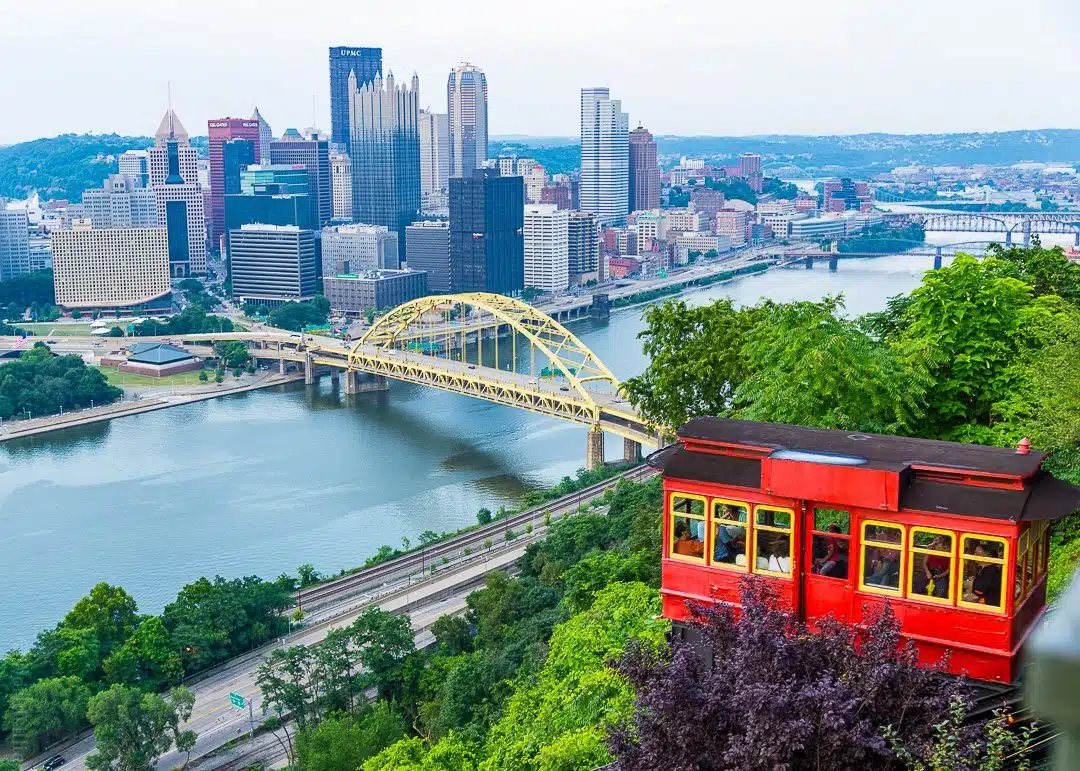
While hardware and robotics often take the headlines, Pittsburgh’s software and AI ecosystem is equally robust. The city has become a strategic “third pole” for Big Tech companies seeking talent outside of the hyper-competitive and high-cost markets of Silicon Valley and Seattle.
Big Tech’s Footprint: Google, Apple, and Duolingo
The tech giant migration began in the mid-2000s when Google opened an office in a refurbished Nabisco factory in the East Liberty neighborhood. Since then, Apple, Microsoft, Amazon, and Meta have all established a presence in the city. However, perhaps the most significant success story is Duolingo. Founded by CMU professor Luis von Ahn and his student Severin Hacker, Duolingo has grown into the world’s most popular language-learning platform. Its successful IPO in 2021 was a landmark event for the city, proving that a “unicorn” tech company could be grown, scaled, and taken public without ever leaving Western Pennsylvania.
The Startup Pipeline: Fueling the Next Generation of SaaS
A vital component of Pittsburgh’s tech landscape is its vibrant startup culture. Supported by organizations like Innovation Works and the Pittsburgh Technology Council, local entrepreneurs are building Software-as-a-Service (SaaS) platforms that tackle everything from cybersecurity to supply chain management. The “Pittsburgh style” of startup development tends to favor sustainable growth and technical depth over the “burn-fast” mentality often seen elsewhere. This has led to a resilient tech economy that is less susceptible to the volatile swings of the broader tech market.
Cybersecurity and Digital Infrastructure
As the world becomes increasingly digitized, the importance of security and infrastructure grows. Pittsburgh has positioned itself as a critical node in the national cybersecurity framework, blending academic research with federal partnerships.
The National Cyber-Forensics and Training Alliance (NCFTA)
Pittsburgh is home to the NCFTA, a non-profit corporation that brings together law enforcement, private industry, and academia to neutralize cyber threats. This collaborative environment allows for the sharing of real-time threat intelligence, making Pittsburgh a silent guardian of the digital economy. The presence of such organizations attracts cybersecurity professionals and stimulates the growth of private security firms specializing in encryption, threat detection, and forensic analysis.
Building a Secure Future: Defense Tech and Space
The city is also carving out a niche in defense technology and space exploration. Astrobotic Technology, based in the North Side, is leading the charge in lunar logistics. Their work in developing lunar landers and autonomous rovers for NASA’s Artemis program highlights the city’s ability to apply its robotics expertise to the final frontier. In terms of defense, the Software Engineering Institute (SEI) at CMU—a federally funded research and development center—works directly with the Department of Defense to ensure that the software powering national security is reliable and secure.
The Future of “The Silicon Steel City”: Challenges and Opportunities
While the technological growth of Pittsburgh is impressive, the city faces a unique set of challenges as it looks toward the future. Maintaining this momentum requires a focus on talent retention, infrastructure modernization, and sustainable development.
Retaining Talent in a Competitive Global Market
The primary challenge for any tech hub is the “brain drain.” While CMU and Pitt produce world-class graduates, the allure of coastal tech hubs remains strong. To counter this, Pittsburgh is leveraging its lower cost of living and high quality of life. The tech industry in Pittsburgh offers a unique value proposition: the opportunity to work on cutting-edge problems—like lunar landings or AI ethics—while enjoying a lifestyle that is unattainable in San Francisco or New York.
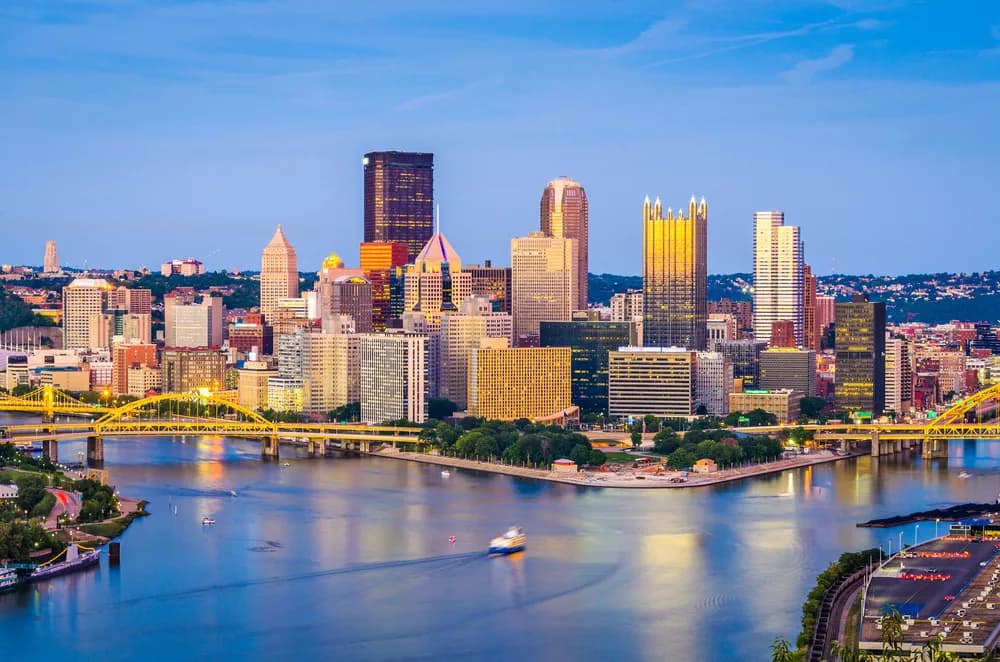
The Sustainable Tech Movement: Greening the Industrial Legacy
Finally, Pittsburgh is increasingly focusing on “Clean Tech” and sustainable energy. The same engineering mindset that once optimized coal and steel is now being applied to hydrogen fuel cells, advanced battery storage, and smart grid technology. By integrating AI and IoT (Internet of Things) into the energy sector, Pittsburgh aims to lead the transition to a carbon-neutral economy.
In conclusion, when one looks at what is in Pittsburgh today, they see a city that has successfully decoupled its identity from heavy industry while retaining the work ethic and engineering rigor that made it famous. From the autonomous vehicles roaming the streets of Lawrenceville to the AI labs of Oakland, Pittsburgh is a testament to the power of technological evolution. It is no longer just a city that makes things; it is a city that thinks, codes, and builds the future. For tech professionals, investors, and enthusiasts, Pittsburgh represents a unique frontier where the digital and physical worlds converge.
aViewFromTheCave is a participant in the Amazon Services LLC Associates Program, an affiliate advertising program designed to provide a means for sites to earn advertising fees by advertising and linking to Amazon.com. Amazon, the Amazon logo, AmazonSupply, and the AmazonSupply logo are trademarks of Amazon.com, Inc. or its affiliates. As an Amazon Associate we earn affiliate commissions from qualifying purchases.