
The human digestive system is a marvel of biological engineering, a complex network of organs working in concert to break down food, absorb nutrients, and eliminate waste. Within this intricate system lies a seemingly unassuming yet critically important structure: the ileocecal valve. While its name might sound technical, understanding its function is essential for grasping the overall health of our digestive tract. This article aims to demystify the ileocecal valve, exploring its anatomy, its vital role in digestion, and what happens when it doesn’t function as intended, all through the lens of understanding complex systems – a concept relevant across technology, branding, and finance.
The Anatomy and Location of the Ileocecal Valve
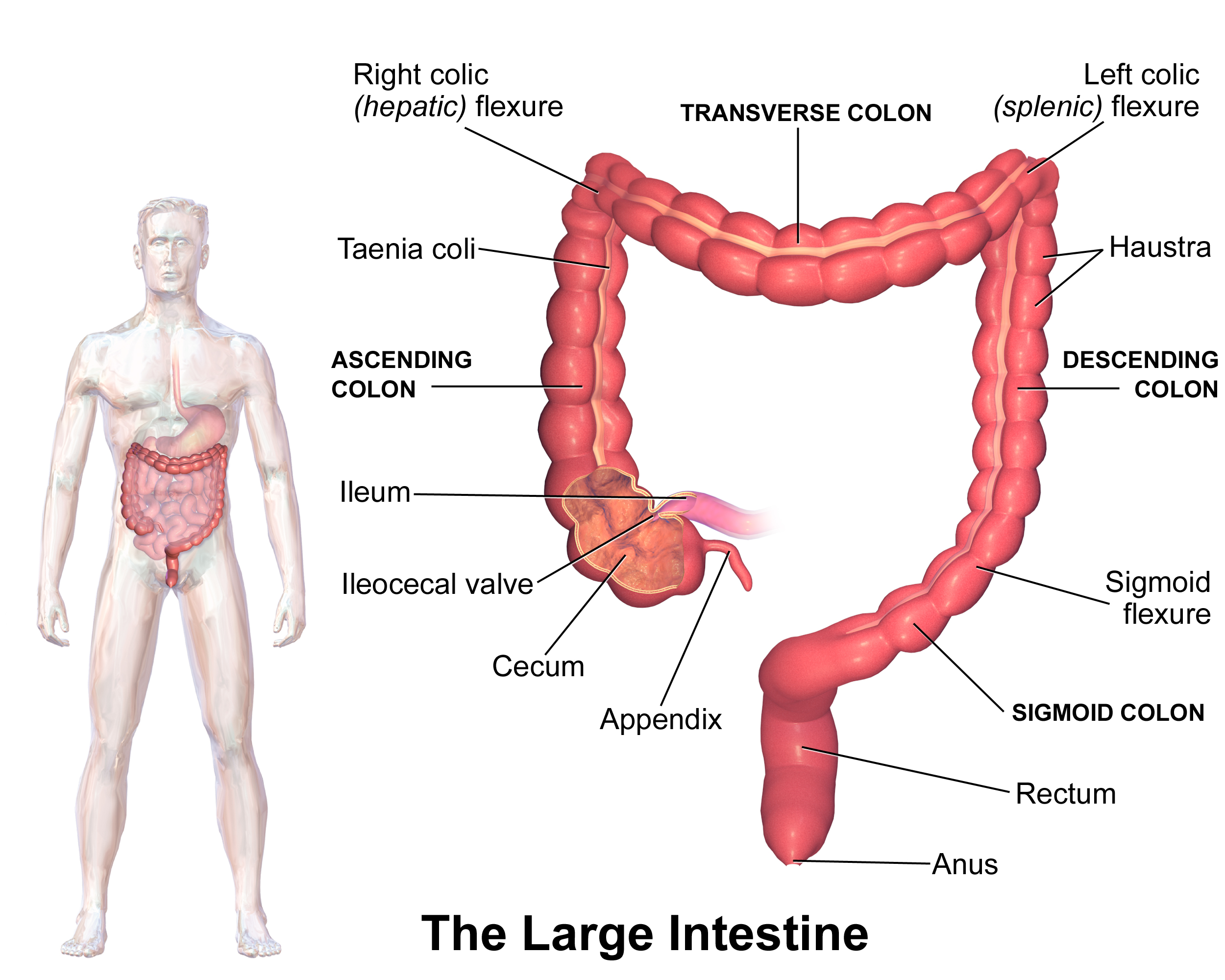
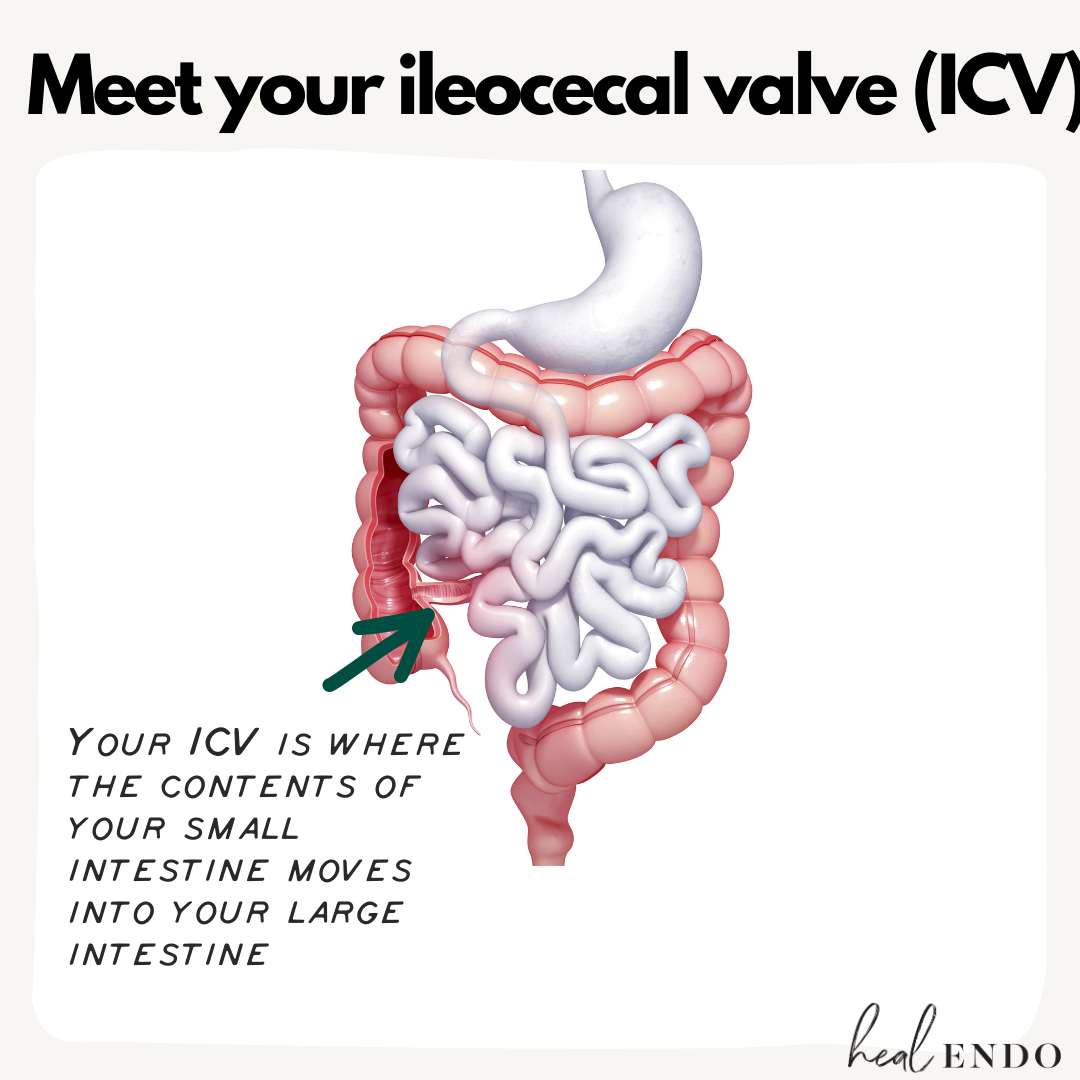
The ileocecal valve, often abbreviated as the IC valve, is essentially a muscular sphincter located at the junction where the small intestine meets the large intestine. To be more precise, it marks the boundary between the ileum, the final section of the small intestine, and the cecum, the beginning of the large intestine.
Understanding the Intestinal Divide
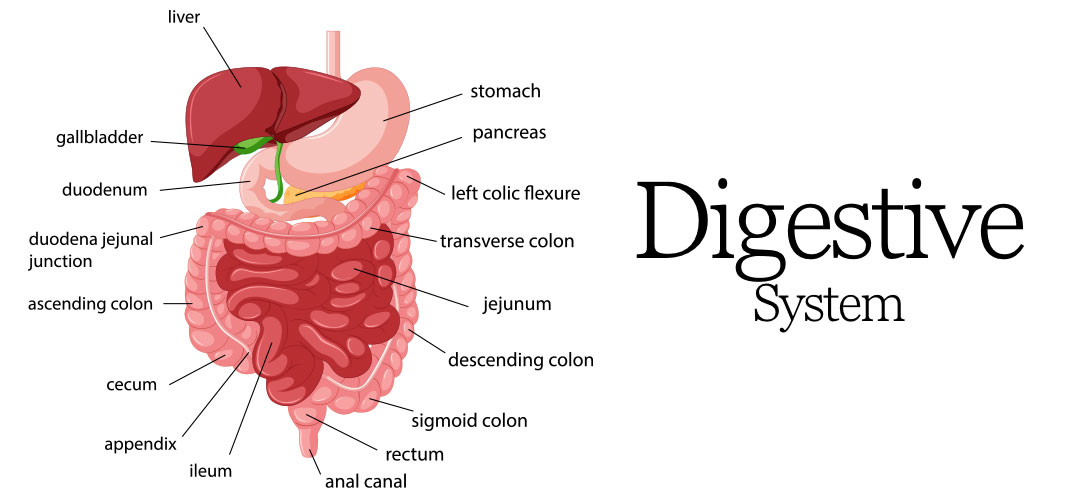
Imagine the digestive journey of food. It begins in the stomach, then moves through the duodenum and jejunum (the first two parts of the small intestine), before reaching the ileum. At this point, the bulk of nutrient absorption has largely occurred. The ileum then empties its contents – a semi-liquid mixture of undigested food, water, and bacteria – into the cecum, the pouch-like beginning of the large intestine.
The ileocecal valve’s primary role is to regulate this passage. It’s not a static structure but a dynamic muscular ring that opens and closes. Think of it like a one-way gatekeeper. Its construction is fascinating; it consists of two folds of tissue, known as leaflets or lips, that protrude into the lumen (the inner space) of the intestines. These leaflets are surrounded by smooth muscle tissue, which allows them to contract and relax, controlling the flow of chyme (the partially digested food mixture) from the ileum to the cecum.
The Role of Musculature and Innervation
The smooth muscles of the ileocecal valve are under the control of the autonomic nervous system. This means their function isn’t consciously directed by us, but rather regulated by the body’s automatic processes. Hormonal signals and the physical presence of chyme also play significant roles in triggering the valve to open or close.
When chyme from the ileum enters the cecum, it distends the walls of the intestine, signaling the valve to relax and allow the passage. Conversely, once the chyme has moved into the larger intestine and the pressure lessens, the valve contracts, closing off the opening. This controlled closure is crucial for preventing the backflow of material from the large intestine into the small intestine. This backflow, if it were to occur unchecked, could introduce harmful bacteria from the colon into the delicate environment of the small intestine, potentially leading to digestive distress and infections.
The Functional Significance: More Than Just a Gatekeeper
The ileocecal valve’s importance extends far beyond simply controlling the direction of food passage. Its consistent and appropriate functioning is vital for several key digestive processes.
Preventing Bacterial Overgrowth and Maintaining Gut Flora Balance
The large intestine is home to a vast and diverse population of bacteria, often referred to as gut flora. While many of these bacteria are beneficial, aiding in digestion and nutrient production, the small intestine, particularly the ileum, is designed to have a much lower bacterial count. This is because the small intestine’s primary role is nutrient absorption, and a high bacterial presence could interfere with this process and lead to malabsorption.
The ileocecal valve acts as a critical barrier, preventing the retrograde movement of bacteria from the cecum back into the ileum. This “backward flow” can lead to a condition known as Small Intestinal Bacterial Overgrowth (SIBO). SIBO occurs when an excessive number of bacteria proliferate in the small intestine, leading to a range of uncomfortable symptoms. The valve’s integrity is therefore paramount in maintaining the delicate balance of the gut microbiome and ensuring the efficient absorption of nutrients.
Regulating Transit Time and Water Absorption
The ileocecal valve also plays a role in regulating the rate at which material moves through the digestive tract. By controlling the passage from the ileum to the cecum, it contributes to the overall transit time of food. This timing is important for allowing the large intestine sufficient time to perform its functions, primarily water absorption.
As chyme enters the large intestine, water begins to be drawn out, gradually solidifying the waste material. If the valve were to remain too open or close too infrequently, material would pass through the large intestine too quickly, resulting in insufficient water absorption and diarrhea. Conversely, if the valve were to remain constantly closed or rarely open, it could lead to a backup of material and constipation. The valve’s ability to open and close in response to signals ensures an optimal pace for the digestive process.
Contributing to Satiety and Nutrient Signaling
While not its primary role, some research suggests that the ileocecal valve might also play a subtle role in signaling satiety. The pressure exerted by the passage of chyme through the valve, and the stretching of the surrounding tissues, might contribute to signals sent to the brain that influence feelings of fullness. Furthermore, the valve’s opening could potentially trigger hormonal responses related to nutrient absorption and energy metabolism. These are more nuanced functions, but they highlight the interconnectedness of our bodily systems.
When the Ileocecal Valve Malfunctions: Understanding the Implications
Just like any complex mechanism, the ileocecal valve can sometimes experience issues, leading to a range of digestive problems. These malfunctions can manifest in various ways, from the valve being too loose (allowing backflow) to being too tight (obstructing passage).
Ileocecal Valve Dysfunction: Common Scenarios
-
Ileocecal Valve Insufficiency (Loose Valve): This occurs when the valve doesn’t close properly, allowing the contents of the large intestine to flow back into the small intestine. As mentioned earlier, this can lead to SIBO, with symptoms like bloating, gas, abdominal pain, diarrhea, and nutrient deficiencies. The constant influx of bacteria can also irritate the intestinal lining, contributing to inflammation.
-
Ileocecal Valve Stenosis (Tight Valve): Conversely, a valve that is too tight or narrowed can obstruct the passage of chyme from the ileum to the cecum. This can lead to a backup of food material in the small intestine, causing abdominal pain, nausea, vomiting, and a feeling of fullness. In severe cases, it can lead to a bowel obstruction, a serious medical condition requiring immediate attention.
Causes and Associated Conditions
Ileocecal valve dysfunction can be caused by a variety of factors, including:
- Inflammatory Bowel Disease (IBD): Conditions like Crohn’s disease, which can affect any part of the digestive tract, often involve inflammation of the ileum and the ileocecal valve, leading to scarring and impaired function.
- Infections: Certain intestinal infections can cause inflammation and damage to the valve.
- Surgery: Previous abdominal surgeries, particularly those involving the intestines, can sometimes affect the valve’s function.
- Trauma: Injury to the abdominal area can also impact the valve.
- Certain Medical Conditions: In some individuals, the valve may be inherently weaker or prone to dysfunction without a clear identifiable cause.
The Importance of Diagnosis and Treatment
Diagnosing ileocecal valve problems can sometimes be challenging, as symptoms can overlap with other digestive disorders. However, a thorough medical history, physical examination, and diagnostic tests like imaging scans (e.g., CT scans, MRI), endoscopy, or breath tests (for SIBO) can help pinpoint the issue.
Treatment depends on the underlying cause and the nature of the dysfunction. For insufficiency, treatment may focus on managing SIBO with antibiotics, probiotics, and dietary changes. For stenosis, surgical intervention might be necessary to widen or bypass the narrowed area. Understanding the valve’s role in overall gut health is crucial for effective management and improving a patient’s quality of life.
Broader Implications: Systems Thinking in Biology, Tech, and Beyond
The ileocecal valve, in its elegant simplicity and crucial function, serves as a microcosm for understanding how complex systems operate. Whether we’re examining biological processes, technological innovations, or financial markets, the principles of interconnectedness, regulation, and the consequences of malfunction are remarkably similar.
The Tech Analogy: APIs and Data Flow Control
In the realm of technology, the ileocecal valve’s function can be likened to an Application Programming Interface (API) or a data pipeline manager. An API acts as a controlled gateway, allowing different software components to communicate and exchange data in a structured manner. Just as the ileocecal valve regulates the flow of material between two distinct parts of the digestive system, an API dictates how and what data can be passed between different applications.
Consider the concept of data security and integrity. A well-designed API ensures that data is transferred securely and in the correct format, preventing corruption or unauthorized access. Similarly, the ileocecal valve prevents the undesirable backflow of bacteria, protecting the integrity of the small intestine’s environment. The concept of “rate limiting” in APIs, which controls the number of requests a user can make within a certain timeframe, also mirrors the ileocecal valve’s role in regulating the pace of material flow, preventing overload. Malfunctions in an API can lead to system crashes or data breaches, much like ileocecal valve dysfunction can lead to significant digestive health issues.
The Brand Analogy: Brand Identity and Customer Experience Flow
In branding, the ileocecal valve’s function can be understood in terms of managing the flow of brand experience and maintaining brand integrity. A strong brand identity is like a well-defined digestive tract, where each touchpoint is designed to convey a consistent message and customer experience. The ileocecal valve, in this analogy, represents the critical interface where the brand’s core promise (represented by the small intestine’s nutrient absorption and value delivery) meets the broader market and public perception (the large intestine).
A healthy brand ensures that its message flows seamlessly and positively to its audience, without “backflow” of negative perceptions or inconsistencies. A poorly managed brand, or one experiencing “ileocecal valve insufficiency,” might see negative reviews or customer complaints from the “large intestine” (public perception) seeping back and tainting the core brand message, leading to brand confusion or damage. Conversely, a brand that is too “tightly regulated” might fail to adapt or innovate, hindering its growth. Maintaining a consistent and controlled flow of brand communication and customer interaction is key to building a robust and resilient brand.
The Money Analogy: Financial Gatekeeping and Cash Flow Management
In the world of personal and business finance, the ileocecal valve’s role can be seen as a form of financial gatekeeping and cash flow management. Imagine a household budget or a business’s financial operations. The ileocecal valve is akin to the critical controls that manage the inflow and outflow of funds, preventing wasteful spending or the uncontrolled leakage of capital.
In personal finance, the valve can represent the discipline of saving and investing versus immediate spending. A well-functioning “valve” ensures that a portion of income is channeled into savings or investments (the “large intestine” of future financial security) rather than being entirely consumed by immediate expenses (the “small intestine” of daily needs). If spending is too free-flowing (“insufficiency”), it can lead to debt and financial instability. If access to funds is too restricted (“stenosis”), it can stifle opportunities for growth or enjoyment. For businesses, the ileocecal valve’s principles apply to managing revenue streams, controlling expenses, and ensuring that capital flows efficiently to where it’s most needed for growth and profitability, without undue risk of leakage or blockage. Understanding and controlling these financial flows are fundamental to achieving financial health and stability.
Conclusion: The Underappreciated Power of Regulation
The ileocecal valve, though often overlooked, is a vital component of our digestive system. Its ability to regulate the passage of material between the small and large intestines is crucial for maintaining gut health, preventing bacterial overgrowth, and ensuring efficient nutrient absorption. As we’ve explored, the principles governing its function – control, regulation, and the consequences of malfunction – resonate across diverse fields, from cutting-edge technology and strategic brand building to sound personal and business finance. By understanding these fundamental concepts of systemic operation, we can gain a deeper appreciation for the intricate mechanisms that keep both our bodies and our broader endeavors functioning optimally.
aViewFromTheCave is a participant in the Amazon Services LLC Associates Program, an affiliate advertising program designed to provide a means for sites to earn advertising fees by advertising and linking to Amazon.com. Amazon, the Amazon logo, AmazonSupply, and the AmazonSupply logo are trademarks of Amazon.com, Inc. or its affiliates. As an Amazon Associate we earn affiliate commissions from qualifying purchases.