
For decades, the mention of Hong Kong has evoked images of a shimmering skyline, a deep-water harbor, and a relentless pace of life. However, beneath the aesthetic surface lies a more profound identity. If you ask any global investor, economist, or entrepreneur what Hong Kong is known for, the answer is singular and decisive: Money. Specifically, Hong Kong is recognized as one of the world’s most sophisticated financial ecosystems, acting as the indispensable bridge between the capital markets of the West and the burgeoning economic might of mainland China.
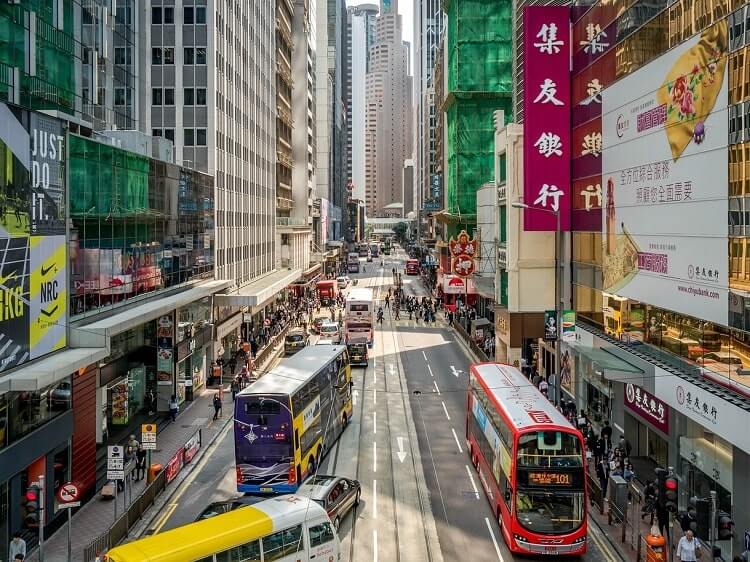
The city’s reputation is built upon a foundation of hyper-efficiency, a “laissez-faire” economic philosophy, and a regulatory framework that prioritizes the flow of capital. In this exploration, we delve into the financial architecture that defines Hong Kong, examining why it remains a top-tier destination for personal finance, institutional investment, and global business operations.
The Strategic Powerhouse: Hong Kong as a Global Financial Gateway
At the heart of Hong Kong’s identity is its role as a global gateway. It is not merely a city; it is a conduit through which billions of dollars flow daily. This status is not accidental but is the result of a deliberate convergence of history, geography, and policy.
A Legacy of Free Market Economics
Hong Kong has consistently ranked at or near the top of global economic freedom indices for decades. It is known for its “positive non-interventionism” policy, where the government facilitates a business-friendly environment without dictating market outcomes. This freedom is a magnet for international wealth. There are no restrictions on inward or outward investment, no foreign exchange controls, and the Hong Kong Dollar (HKD) is pegged to the US Dollar, providing a rare level of stability in a volatile global market. For the individual and the corporation alike, this means your money moves where you want it, when you want it, without the friction found in other jurisdictions.
The Hub for International Banking and Asset Management
Hong Kong is home to one of the highest concentrations of banking institutions in the world. From retail giants like HSBC and Standard Chartered to the elite private wealth management arms of Goldman Sachs and Morgan Stanley, the city provides a full spectrum of financial services. It is particularly renowned for its asset management sector. High-net-worth individuals (HNWIs) from across the globe choose Hong Kong to manage their portfolios because of the city’s depth of expertise and its proximity to high-growth Asian markets. This concentration of talent and capital ensures that Hong Kong remains a primary destination for wealth preservation and growth.
The Pillar of Wealth: Investment Infrastructure and the HKEX
When discussing what Hong Kong is known for in financial circles, the conversation inevitably turns to the Hong Kong Stock Exchange (HKEX). It is the engine room of the city’s economy and a barometer for the financial health of the broader Asian region.
The Significance of the Hong Kong Stock Exchange
The HKEX is consistently ranked as one of the world’s top venues for Initial Public Offerings (IPOs). It is known for its rigorous listing standards, which provide a “seal of quality” for companies that manage to go public there. For investors, the HKEX offers access to some of the world’s most valuable companies, particularly in the tech and banking sectors. The exchange has successfully reinvented itself over the years, introducing new listing rules to attract “new economy” companies with weighted voting rights, ensuring that it remains relevant in an era dominated by high-growth startups.
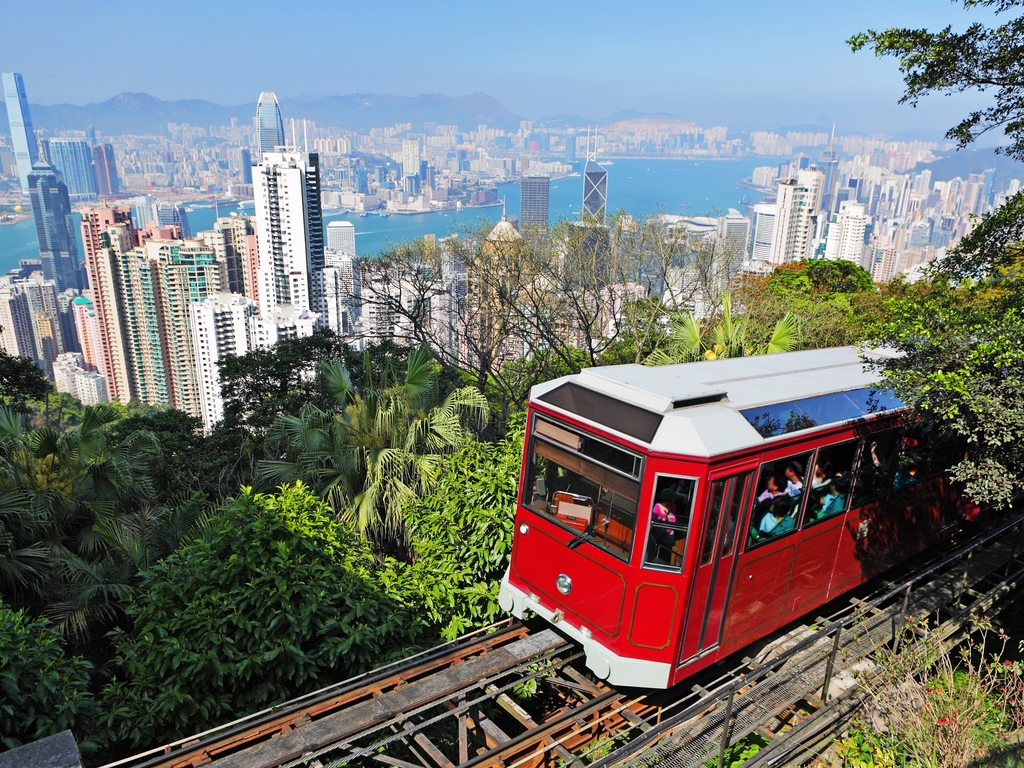
Bridging the Gap: The Gateway to Mainland China’s Capital
Perhaps the most unique financial feature of Hong Kong is the “Stock Connect” program. This infrastructure allows international investors to trade shares listed in Shanghai and Shenzhen via the Hong Kong exchange, while simultaneously allowing mainland Chinese investors to trade Hong Kong-listed stocks. This “Northbound” and “Southbound” flow of capital is a game-changer. It positions Hong Kong as the only place in the world where global capital can meet Chinese opportunity with the protection of an international regulatory framework. This synergy makes Hong Kong the primary offshore Renminbi (RMB) center, handling the vast majority of the world’s offshore RMB payments.
A Competitive Business Landscape: Taxation and Regulatory Efficiency
Beyond the stock tickers and trading floors, Hong Kong is known for its logistical and administrative simplicity. For entrepreneurs and corporations, the city represents a “low-friction” environment where the focus remains on profit and growth rather than bureaucracy.
The Appeal of a Simple and Low Tax System
One of the most attractive features of the Hong Kong financial model is its territorial tax system. Hong Kong is famous for having one of the most transparent and lowest tax regimes in the industrialized world. There is no Value Added Tax (VAT), no sales tax, no withholding tax on dividends or interest, and crucially, no capital gains tax.
Corporate tax is capped at a highly competitive 16.5%, and for many small businesses, the first HK$2 million in profits are taxed at an even lower rate of 8.25%. For individuals, the personal income tax (salaries tax) is capped at 15%. This fiscal policy is designed to reward productivity and reinvestment, making it a “mecca” for personal finance optimization and corporate treasury management.
Legal Certainty and the Common Law Advantage
Money requires security, and Hong Kong provides this through its legal system. Under the “One Country, Two Systems” framework, Hong Kong maintains a common law system, which is distinct from the civil law system used in mainland China. This provides a high degree of predictability for international contracts and intellectual property rights. Investors are comfortable putting their money into Hong Kong because they know that disputes will be settled in courts that follow established international precedents. This legal reliability is the bedrock upon which the city’s financial services industry is built.
Future Outlook: The Rise of Fintech and Digital Wealth Management
While Hong Kong is known for its traditional banking prowess, it is rapidly evolving to define the future of money. The city is currently transforming into a global hub for Financial Technology (Fintech) and digital asset management.
Innovating the Financial Frontier
The Hong Kong Monetary Authority (HKMA) has been proactive in fostering innovation through the introduction of virtual banking licenses and the “Open API” framework. This has led to the rise of several “unicorn” fintech startups that are disrupting everything from cross-border payments to insurance (Insurtech). By integrating AI and blockchain technology into its existing financial infrastructure, Hong Kong is ensuring that it remains the location of choice for the next generation of digital wealth.

Sustaining Dominance in a Shifting Global Economy
The world is changing, and new financial centers are emerging, but Hong Kong’s resilience is one of its most defining characteristics. By integrating more closely with the Greater Bay Area (GBA)—a regional economic powerhouse comprising Hong Kong, Macau, and nine cities in Guangdong—Hong Kong is expanding its “Money” niche. The GBA initiative provides Hong Kong-based financial firms with access to a market of over 80 million people and a combined GDP that rivals that of some G7 nations. This expansion ensures that Hong Kong’s identity as a financial titan is not just a relic of the past, but a blueprint for the future.
In conclusion, when we ask “what is Hong Kong known for,” we are essentially asking about the architecture of global finance. It is known for being a bastion of capital, a defender of free trade, and a sophisticated laboratory for financial innovation. For the global investor or the ambitious entrepreneur, Hong Kong remains an unparalleled destination where the primary language spoken is the language of opportunity and the primary currency is success. Whether through its world-class stock exchange, its investor-friendly tax laws, or its strategic position as the doorway to China, Hong Kong continues to set the gold standard for what a global money hub should be.
aViewFromTheCave is a participant in the Amazon Services LLC Associates Program, an affiliate advertising program designed to provide a means for sites to earn advertising fees by advertising and linking to Amazon.com. Amazon, the Amazon logo, AmazonSupply, and the AmazonSupply logo are trademarks of Amazon.com, Inc. or its affiliates. As an Amazon Associate we earn affiliate commissions from qualifying purchases.